
Siding Installation in Kenilworth, NJ
Kenilworth Homes Deserve More Than a Quick Fix
Hear from Our Customers
Residential Siding Contractors in Kenilworth, NJ
When siding starts to fail on a Kenilworth home, it rarely fails quietly. You notice the drafts first, then the moisture, then the warped panels or the paint that won’t stop peeling no matter how many times you touch it up. By the time it’s visible from the street, the damage behind the wall has usually been building for a while.
Good siding installation doesn’t just improve how your home looks — it stops that cycle. A properly installed exterior keeps water out, keeps conditioned air in, and removes the constant maintenance loop that older cladding demands. For the mid-century ranches, colonials, and split-levels that make up most of Kenilworth’s residential streets, that matters more than it would on a newer build. These homes were constructed in an era before modern moisture barriers and insulated backing existed, which means upgrading the siding is often the single highest-impact exterior improvement you can make.
Kenilworth’s freeze-thaw winters are relentless on aging vinyl and wood. Water finds micro-cracks, freezes, expands, and widens them — season after season. New siding, installed with the right materials and proper technique, breaks that pattern. You stop patching. You stop worrying. And your home looks the way it should for a neighborhood that takes as much pride in its streets as Kenilworth does.
Local Siding Company Serving Kenilworth, NJ
We’ve been working on homes across Union County for close to ten years, including the older neighborhoods off the Boulevard in Kenilworth, the cape cods near Black Brook Park, and plenty of homes in between. This isn’t a company that showed up last spring with a new logo. Our track record is real, and it’s local.
What makes the difference here isn’t just experience — it’s the scope of it. Our primary focus is roofing, which means we understand the full building envelope. We know how a failing roof-wall intersection pushes water behind your siding. We know what ice damming does at the eaves. That kind of cross-system knowledge is something a siding-only contractor simply doesn’t bring to your project.
We’re family-driven, which means accountability isn’t a policy — it’s personal. You’ll get transparent pricing before anything starts, a written estimate you can hold us to, and clear communication from the first call through the final walkthrough.

Siding Installation Process in Kenilworth, NJ
It starts with a free inspection. Before any numbers are discussed, we look at what’s actually happening with your exterior — not just the surface, but the moisture barrier, the trim, the areas where your roof and siding meet. For homes in Kenilworth that were built in the 1950s, 60s, and 70s, that inspection often reveals things that weren’t visible from the driveway. You’ll get an honest read: whether repair makes sense, or whether full replacement is the smarter call.
From there, you receive a written estimate that breaks down exactly what’s included — materials, labor, and scope. Nothing open-ended. If a permit is required under New Jersey’s Uniform Construction Code, we handle that process on your behalf. You don’t have to navigate the Kenilworth Building Department on your own.
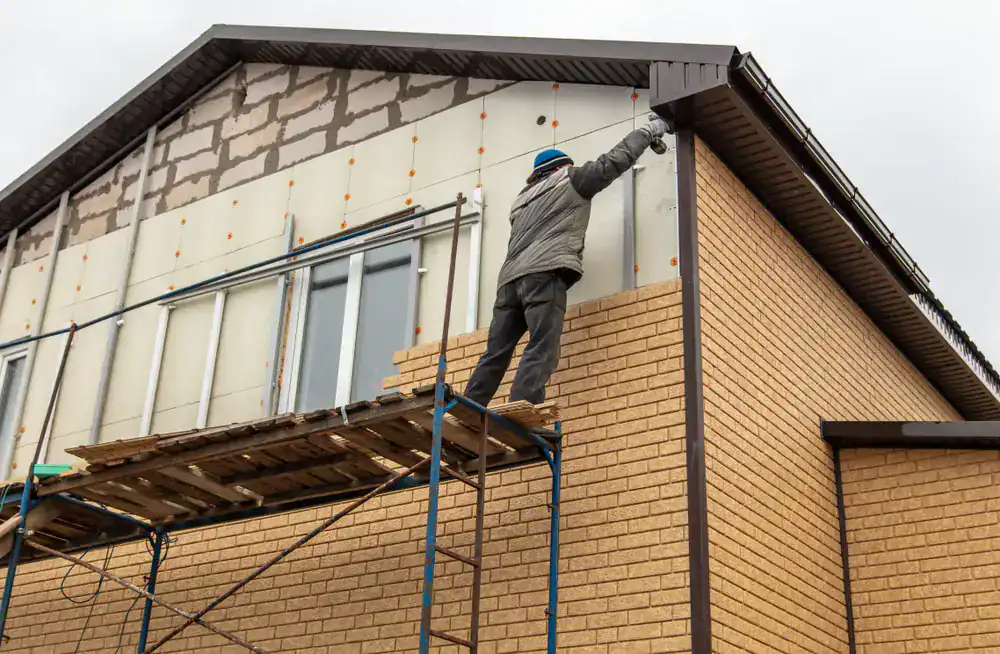
Once the project starts, our crew works clean and communicates consistently. Your landscaping is protected. The job site stays organized. When the work is done, you’ll do a final walkthrough together so you can see exactly what was completed before anyone considers the job closed. The goal is simple: you know what’s happening at every stage, and the finished product matches what you were told to expect.

Ready to get started?
Vinyl Siding Contractors in Kenilworth, NJ
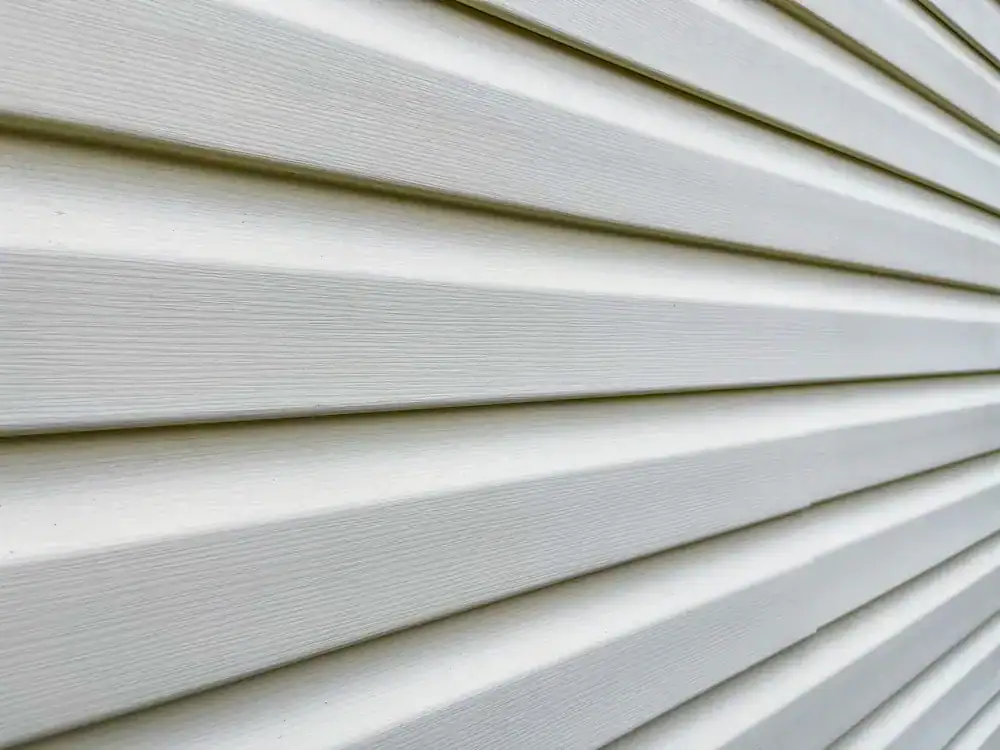
Not every siding material performs the same way in Union County’s climate, and not every home calls for the same solution. We install vinyl, insulated vinyl, fiber cement, and engineered wood — and the recommendation you get will be based on your specific home, not whatever happens to be easiest to install.
Vinyl remains the most popular choice for Kenilworth homeowners because of its durability, low maintenance, and strong cost-to-value ratio. Insulated vinyl adds a layer of thermal performance that makes a real difference in older homes without modern wall insulation — and given the age of most housing stock in Kenilworth, that upgrade often pays for itself in energy savings. For homeowners who want a premium look with exceptional durability, fiber cement — including James Hardie products — handles freeze-thaw cycles and moisture exposure better than almost anything else on the market.
Every installation is completed using manufacturer-specified techniques, which matters for two reasons: the work holds up the way it’s supposed to, and your warranty coverage stays intact. A manufacturer certification isn’t just a credential on a wall — it’s what stands between you and a voided warranty on a $10,000 to $20,000 investment. All work is performed by licensed, insured contractors in full compliance with New Jersey’s Home Improvement Contractor registration requirements, so your legal protections as a homeowner are never in question.

Does siding installation in Kenilworth, NJ require a building permit?
In most cases, yes — and it’s worth getting that confirmed before any work begins. New Jersey operates under the Uniform Construction Code, which applies to all municipalities including Kenilworth. Whether a permit is required depends on the scope of work: a straightforward panel replacement over existing sheathing may fall under maintenance, while a full tear-off that involves changes to the moisture barrier or sheathing typically requires a permit through the Kenilworth Building Department.
The practical takeaway is that we handle this for you. We manage the permit process on your behalf, which means you don’t have to figure out what forms to file or when inspections are required. What you want to avoid is hiring a contractor who skips the permit to save time — because unpermitted work can create real problems when you go to sell the home or file an insurance claim. Getting it done correctly from the start protects you legally and financially.
How do I know if I need full siding replacement or just repairs?
This is one of the most common questions homeowners ask — and the honest answer is that it depends on what’s actually happening behind the surface, not just what you can see from the yard. Isolated cracked or warped panels, minor fading, or a few sections pulling away from the wall can often be addressed with targeted repairs. But when the damage is widespread, when there’s moisture intrusion into the sheathing, or when the siding is original to a home built in the 1950s or 60s, repair becomes a short-term fix on a long-term problem.
The free inspection exists specifically to answer this question without pressure. We look at the full exterior — not just the panels, but the moisture barrier, the trim, and the areas where the roof meets the wall. For Kenilworth’s older housing stock, that inspection frequently turns up moisture issues that weren’t obvious from the outside. You’ll get a straight answer about what the right move is, with the reasoning behind it explained clearly so you can make the call yourself.
What siding material holds up best in Union County's winters?
For the climate in Kenilworth and the surrounding Union County area, the two materials that consistently perform best are insulated vinyl and fiber cement. Standard vinyl is durable and cost-effective, but in areas with significant freeze-thaw cycling — which is exactly what central New Jersey delivers from November through March — insulated vinyl offers better thermal stability and reduces the micro-cracking that develops over time when panels expand and contract repeatedly without backing support.
Fiber cement, particularly James Hardie products, is the premium option for homeowners who want maximum durability and a high-end finish. It handles moisture, temperature swings, and impact better than vinyl, and it won’t rot, warp, or become brittle in cold weather. The tradeoff is cost — fiber cement installation runs higher than vinyl — but for a home you plan to stay in long-term, the durability and curb appeal are hard to argue with. The right answer depends on your budget, your home’s current condition, and how long you plan to stay. That’s a conversation worth having during the free estimate.
How long does a siding installation project typically take to complete?
For most single-family homes in Kenilworth — ranches, colonials, split-levels — a full siding installation typically takes between two and five days once our crew is on-site. The variables are the size of the home, the material being installed, and what’s discovered during tear-off. Fiber cement takes longer to install than vinyl because of the additional weight and cutting requirements. If there’s sheathing damage or moisture intrusion found once the old siding comes off, that adds time as well — but it also needs to be addressed before new siding goes on, and a contractor who skips it to save a day is doing you a disservice.
Scheduling lead times are worth factoring in. Spring and fall are the busiest seasons for siding work in Kenilworth and across Union County — homeowners are either assessing winter damage or trying to get work done before the next cold stretch. If you’re planning a project, reaching out early gives you more flexibility on timing. The estimate process moves quickly, and once a start date is confirmed, you’ll have a clear timeline before anyone shows up at your door.
What should I look for when hiring siding contractors in Kenilworth, NJ?
The first thing to verify is NJ Home Improvement Contractor registration. Under New Jersey law, any contractor performing home improvement work — including siding installation — must be registered with the Division of Consumer Affairs. This isn’t a technicality. If you hire an unregistered contractor and something goes wrong, your protections under the Consumer Fraud Act are significantly limited. Ask for the registration number and verify it before signing anything.
Beyond licensing, look for a contractor who gives you a written, itemized estimate — not a ballpark number over the phone. In a close-knit community like Kenilworth, contractors who lowball estimates and inflate final invoices don’t last long. Also ask whether the contractor carries general liability and workers’ compensation insurance. If someone gets hurt on your property and the contractor is uninsured, the financial exposure can fall on you. A contractor who checks all these boxes isn’t rare, but they’re not universal either — it’s worth taking the time to confirm.
Is fall a good time to schedule siding installation in Kenilworth, NJ?
Fall is actually one of the better windows for siding installation in Kenilworth, and it’s a popular time for homeowners in this area to get projects done. Temperatures in September and October are typically in the range that’s ideal for vinyl installation — warm enough that panels don’t become brittle, cool enough that thermal expansion isn’t a concern during the job. It’s also the last practical window before nor’easter season picks up and winter weather makes exterior work more complicated.
The one thing to keep in mind is that fall books up quickly. Homeowners across Union County are trying to close out projects before the cold arrives, which means quality contractors see their schedules fill in August and September. If you’re thinking about a fall installation, getting your free estimate scheduled in late summer gives you the best shot at the timing you want. Waiting until October to start the conversation often means pushing into the following spring — which means another winter of exposure on siding that’s already showing its age.
Other Services we provide in Kenilworth