
Roof Repair in South Hackensack, NJ
When a 70-Year-Old Roof Meets a Bergen County Winter, Something Has to Give
Hear from Our Customers
Roof Leak Repair in South Hackensack, NJ
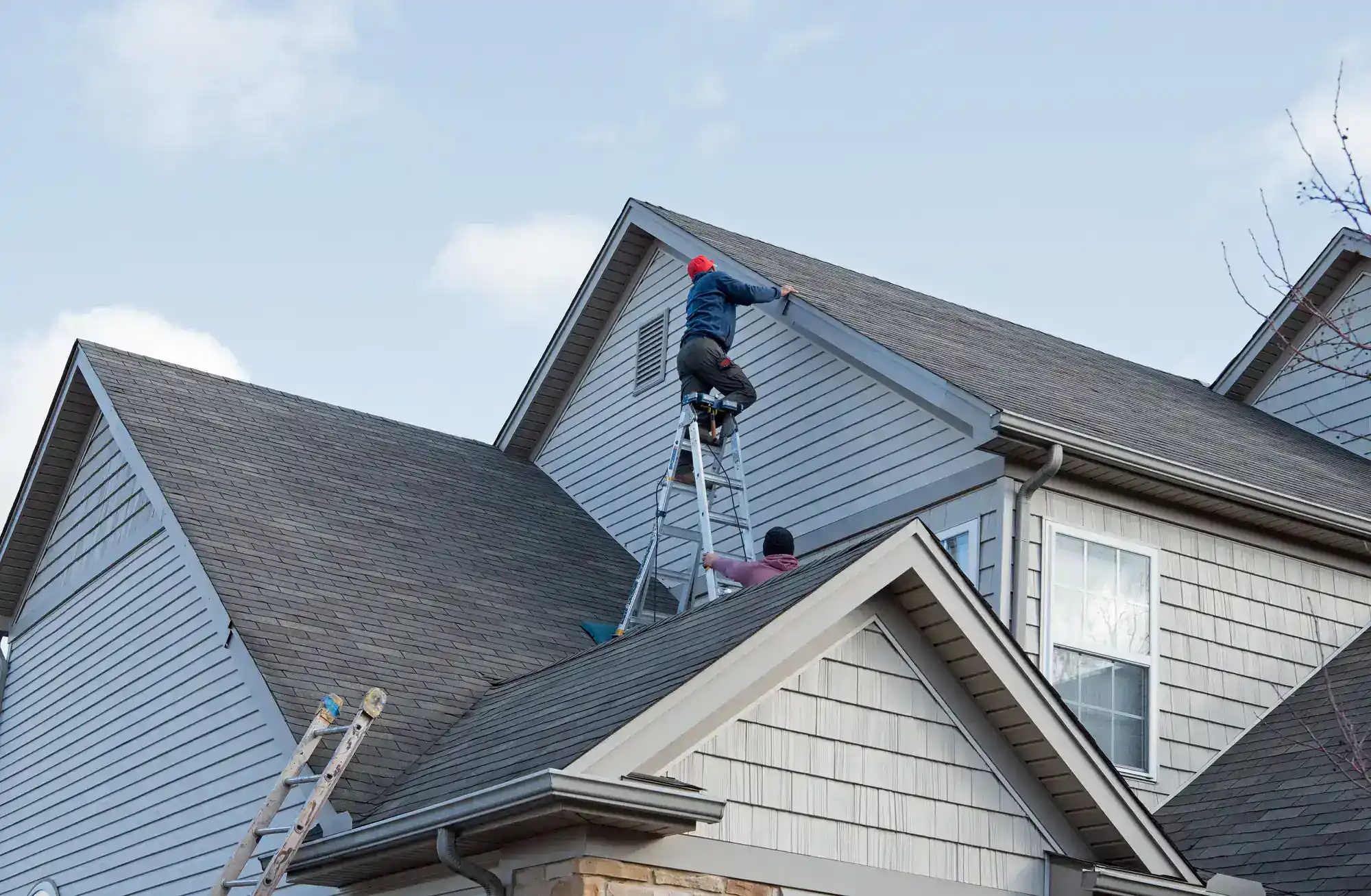
A leaking roof doesn’t stay a small problem for long. What starts as a water stain on your ceiling can turn into damaged insulation, rotted decking, and mold — especially in a home that’s been standing since the Truman administration. Getting it fixed correctly the first time means you’re not calling a second contractor six months later to fix what the first one missed.
South Hackensack sits in the Hackensack River valley, and that low-lying terrain means your roof deals with more than just rain. The elevated humidity in this area accelerates algae and moss growth on shingles, which traps moisture and shortens the life of the roof faster than most homeowners realize. Add in the nor’easters that roll through Bergen County every winter and the hail events that hit in late spring and early summer, and you’ve got a roof that earns every year of its age.
When the repair is done right — correct materials, proper flashing, shingles matched to what’s already there — you get back to not thinking about your roof. That’s the goal. Not a patch job that looks like a patch job, but a repair that holds, blends, and gives you real peace of mind going into the next season.
Roof Repair Contractor in South Hackensack, NJ
We’ve been working on roofs across Bergen County for over ten years, including the homes throughout South Hackensack. That means we’ve pulled permits through South Hackensack’s Building Department on Philips Ave, worked on the mid-century ranches and cape cods that define the 07606 zip code, and dealt with every weather pattern this region produces — ice dams in February, hail in June, and the kind of nor’easter that takes shingles off a roof in one night.
We’re a family-operated company, and that matters in a township this size. South Hackensack is a tight-knit community where word travels fast, and we’ve built our business on reviews and referrals, not on being the loudest name in the market. We hold manufacturer certifications from major shingle brands, we carry full liability insurance and workers’ comp, and we’re registered with the NJ Division of Consumer Affairs as a licensed Home Improvement Contractor. You can verify all of it — and you should.
Roof Repair Estimate in South Hackensack, NJ
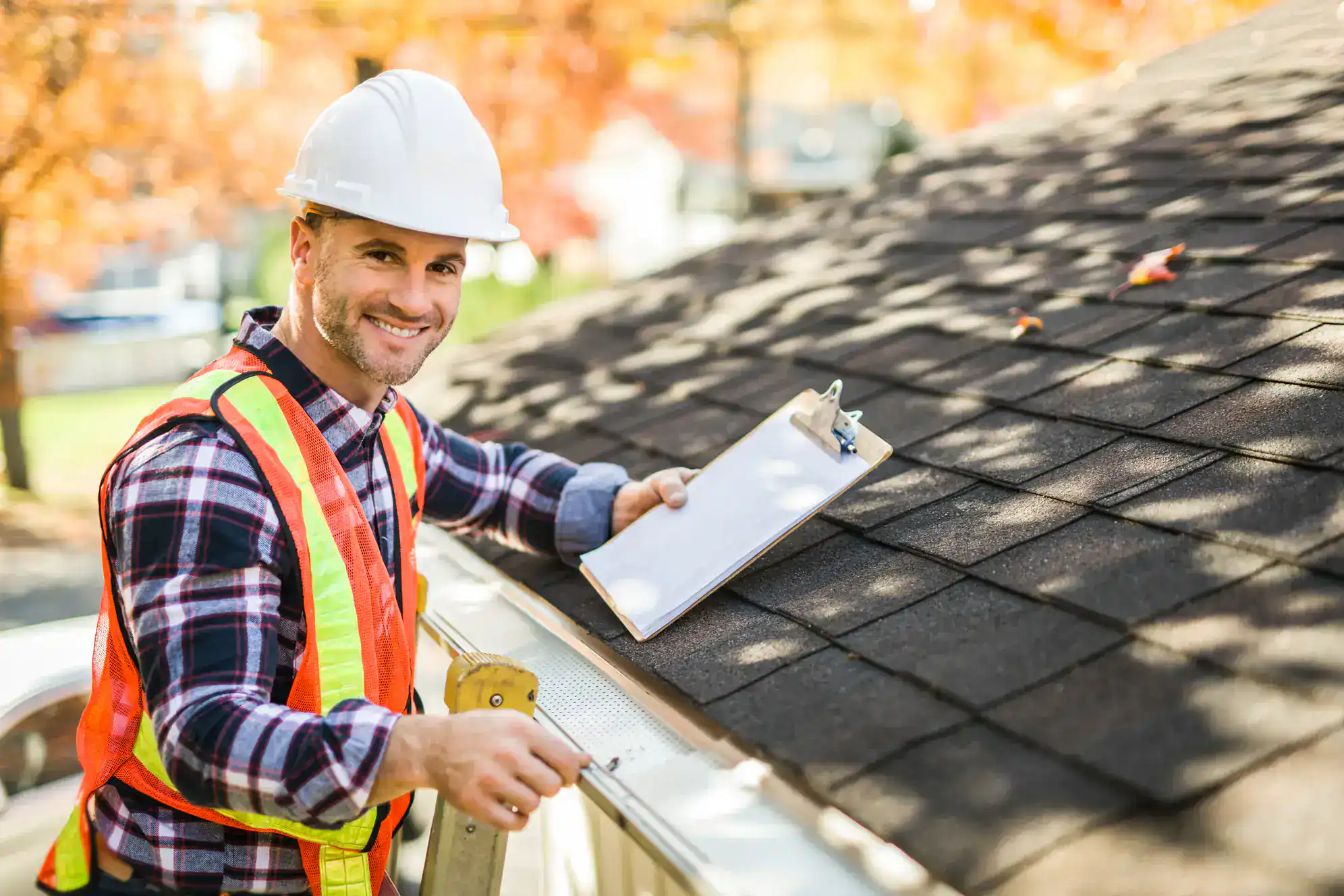
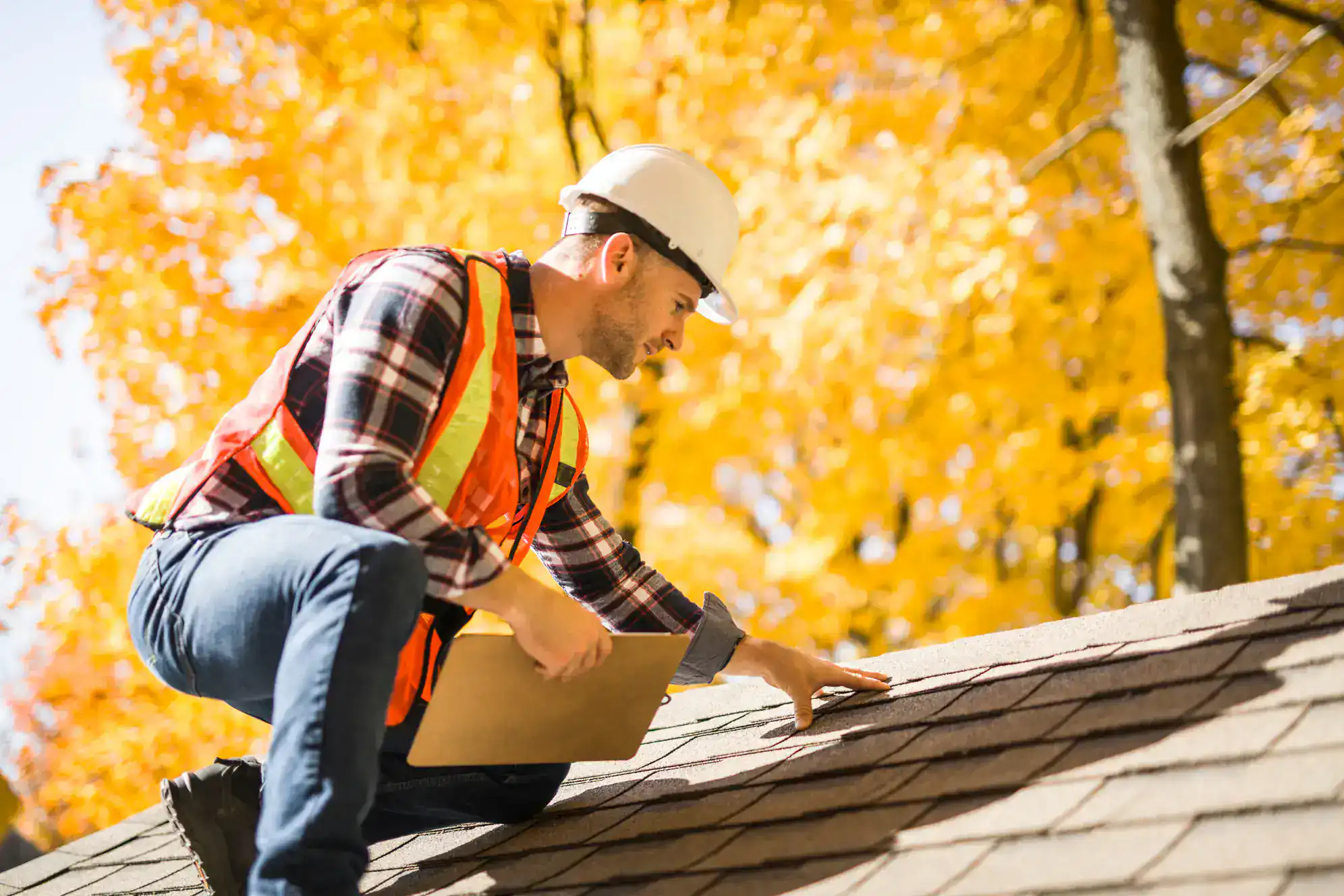
It starts with a free inspection. We come out, get on the roof, and look at what’s actually happening — not just what’s visible from the driveway. On the mid-century homes common throughout South Hackensack, that means checking the decking condition, the flashing around chimneys and any penetrations, the state of the shingle granules, and whether there’s any underlying moisture damage that a surface-level look would miss. You get an honest read on what the roof needs, whether that’s a targeted repair or something more.
From there, you get a written, itemized estimate. The scope is defined, the materials are specified, and the price is the price. If you approve it, we schedule the work — and for South Hackensack homeowners, that includes handling any permit requirements through the township’s Building Department when the scope calls for it. You don’t have to navigate that process yourself.
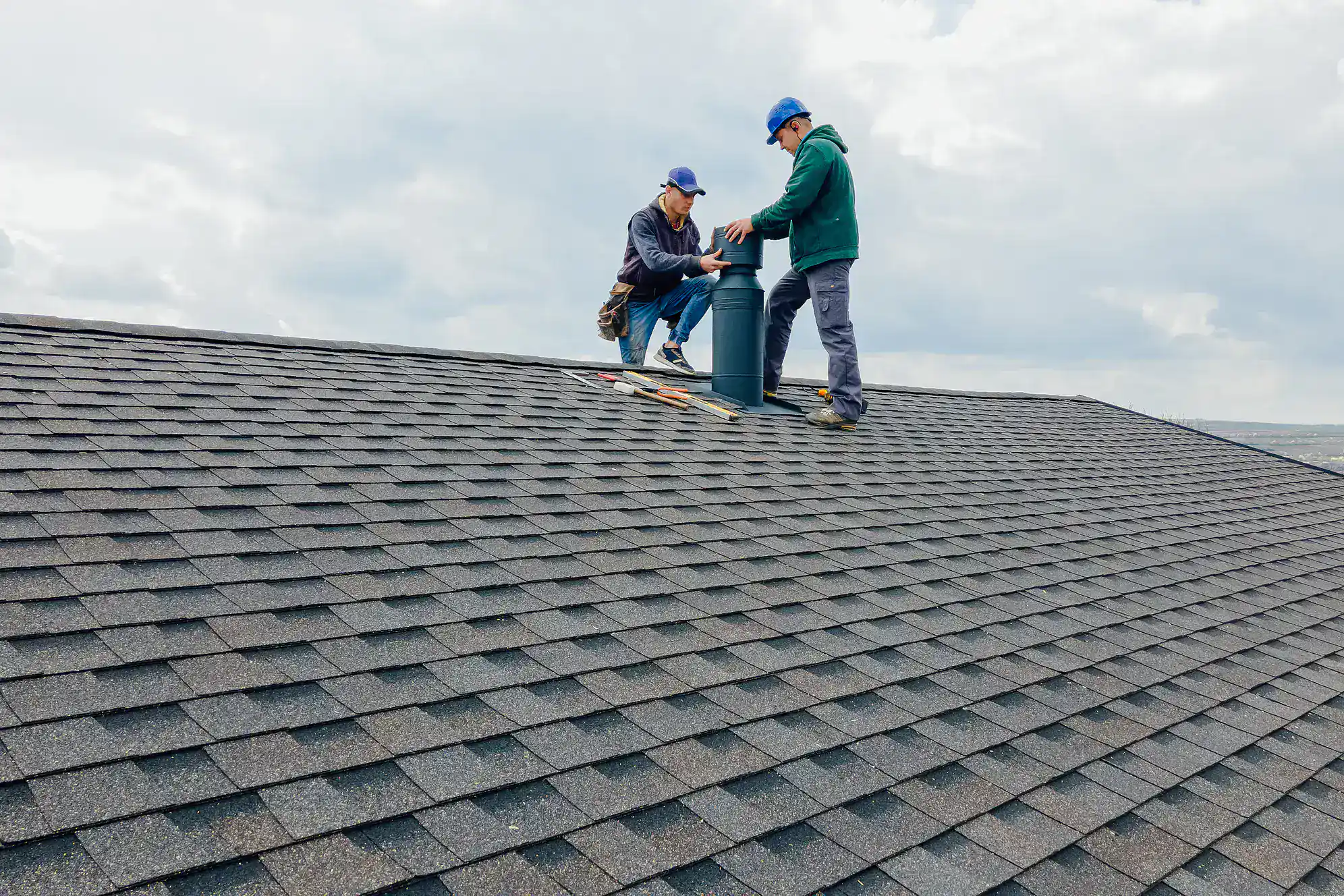
On the day of the job, our crew works cleanly and efficiently. Magnetic nail sweeps, debris containment, and a final walkthrough are standard — not optional. South Hackensack’s residential lots are modest in size, and homes sit close together. We treat your property accordingly. When we leave, the repair is done and your yard looks the way it did before we showed up.
Ready to get started?
Shingle and Flat Roof Repair in South Hackensack, NJ
South Hackensack’s mix of single-family homes, duplexes, and small multi-unit properties — many of them built in the 1940s and 1950s — means roof repair here covers a wider range of situations than a typical suburban market. Shingle roof repair is the most common call: missing or cracked shingles after a wind event, granule loss from hail damage, flashing failures around chimneys, and the slow leak that only shows up as a ceiling stain after a heavy rain. We handle all of it, and we match replacement shingles carefully so the repair doesn’t announce itself every time someone looks at your house.
Flat roof repair is also a regular part of what we do in this area. Garages with flat-roofed additions, small commercial buildings along the Route 46 corridor, and multi-unit rentals throughout the township often run EPDM or modified bitumen systems that fail differently than pitched roofs — and need a contractor who actually understands the difference. We offer emergency roof repair for active leaks and storm damage, including temporary tarping to stop water intrusion while permanent repairs are scheduled.
If you’re dealing with storm damage and need to file an insurance claim, we can help document the damage in a format that holds up with adjusters. Bergen County homeowners deal with hail and wind claims regularly, and having the right documentation from the start makes a real difference in how the claim resolves.
How do I know if my South Hackensack home needs roof repair or full replacement?
This is the question we hear most often from homeowners in the 07606 zip code — and it’s a fair one, especially when your home was built in the 1940s or 1950s and has already been through one or more roof cycles. The honest answer is that it depends on the condition of the decking, the extent of shingle wear, and whether the underlying structure has taken on moisture damage over time. A roof with isolated shingle loss or a single flashing failure is usually a strong repair candidate. A roof where the granules are gone, the decking is soft in multiple areas, and the shingles are curling across the entire surface is telling you something different.
That’s exactly why we offer free inspections. You shouldn’t have to pay for someone’s opinion on whether your roof needs a repair or a replacement — and you shouldn’t have to take a contractor’s word for it without seeing the evidence yourself. We walk you through what we find, show you what we’re seeing, and give you a straight answer. No default toward the higher-ticket option.
What causes roof leaks in Bergen County homes, and how are they fixed?
The most common sources of roof leaks in South Hackensack and across Bergen County are failed flashing, cracked or missing shingles, and ice dam damage. Flashing is the metal sealing around chimneys, skylights, vents, and roof edges, and it’s often the first thing to fail on a mid-century home that hasn’t had its roof fully updated. When flashing separates or corrodes, water gets in at the seam and travels along the roof structure before showing up as a stain on your ceiling — sometimes far from where the actual entry point is.
Ice dams are a particular issue in Bergen County winters. When heat escapes through the attic and melts snow on the roof, the meltwater refreezes at the cold eave edge and backs up under the shingles. Many of the homes in South Hackensack were built before modern ice-and-water shield standards, which makes them more vulnerable. The fix depends on the source: flashing repairs, shingle replacement, and in some cases adding ice-and-water shield protection in the vulnerable zones.
Does roof repair in South Hackensack, NJ require a permit from the township?
It depends on the scope of work. Under New Jersey’s Uniform Construction Code, minor repairs — replacing a handful of shingles, resealing flashing, patching a small section — generally don’t require a permit. A full roof replacement does. The line between the two isn’t always obvious, and it’s worth confirming with your contractor before work begins rather than after.
South Hackensack has its own Building Department located at 227 Philips Ave. When a permit is required for work we’re performing, we handle the submission and coordination with the township directly — that’s part of the job, not an added hassle for you. If you’re a landlord managing a rental property in the township, this matters for your documentation and your liability. Having permitted work on record protects you if questions come up later during a sale or an insurance review.
My roof was damaged in a storm — will my homeowners insurance cover the repair cost?
Most standard homeowners insurance policies in New Jersey cover sudden storm damage — wind, hail, and falling debris — as long as the damage isn’t attributed to neglect or gradual wear. Bergen County gets its share of hail-producing thunderstorms and nor’easters, and when those events cause shingle loss or structural damage, you typically have a valid claim. The challenge is documentation. Insurance adjusters look for specific evidence: photos of the damage, measurements of the affected area, and a clear connection between the weather event and the loss.
Where claims run into trouble is when the damage is ambiguous or when the documentation doesn’t support the full scope of necessary repairs. We’ve helped many Bergen County homeowners work through this process — photographing damage correctly, preparing the documentation adjusters need, and making sure the approved scope actually covers what the roof requires. If you’re dealing with storm damage in South Hackensack and aren’t sure whether to file a claim, a free inspection is the right first step.
How long does a roof repair typically take, and will it disrupt my day?
Most residential roof repairs in South Hackensack are completed in a single day — often in a few hours, depending on the scope. A flashing repair or shingle replacement on a section of the roof is a straightforward job for an experienced crew. Larger repairs involving multiple areas, decking replacement, or flat roof membrane work take longer, but you’ll know the expected timeline before work begins because it’s part of the written estimate.
As far as disruption goes, you don’t need to be home for the work itself, though we recommend being available for the initial walkthrough and the final review. South Hackensack’s residential lots are compact, and we work with that in mind — staging materials carefully, keeping the work area contained, and doing a thorough cleanup before we leave. If you’re managing a rental property in the township and a tenant is home during the repair, we communicate clearly with everyone involved so there are no surprises on either side.
Why does my South Hackensack roof keep growing algae and dark streaks, and can it be fixed?
The dark streaking you’re seeing on your roof is almost certainly caused by Gloeocapsa magma — a type of algae that feeds on the limestone filler in asphalt shingles. It’s extremely common on roofs in the Hackensack River valley area because the low-lying terrain and higher ambient humidity create exactly the conditions this algae thrives in. It’s not just cosmetic. Over time, algae and moss growth traps moisture against the shingle surface and accelerates granule loss, which shortens the roof’s effective lifespan.
The streaking itself can be treated with a soft-wash cleaning process that kills the algae without damaging the shingles — pressure washing is too aggressive and strips granules. More importantly, when we’re doing a repair on an affected section, we can install algae-resistant shingles that contain copper or zinc granules, which inhibit regrowth over the long term. If your home was built in the 1940s or 1950s and has never had algae-resistant materials installed, this is worth discussing during your free inspection. It’s a straightforward upgrade that makes a real difference in how long the repaired section stays clean and protected.