
Roof Replacement in South Hackensack, NJ
Bergen County Storms Don't Wait — Neither Should Your Roof
Hear from Our Customers
Residential Roof Replacement South Hackensack NJ
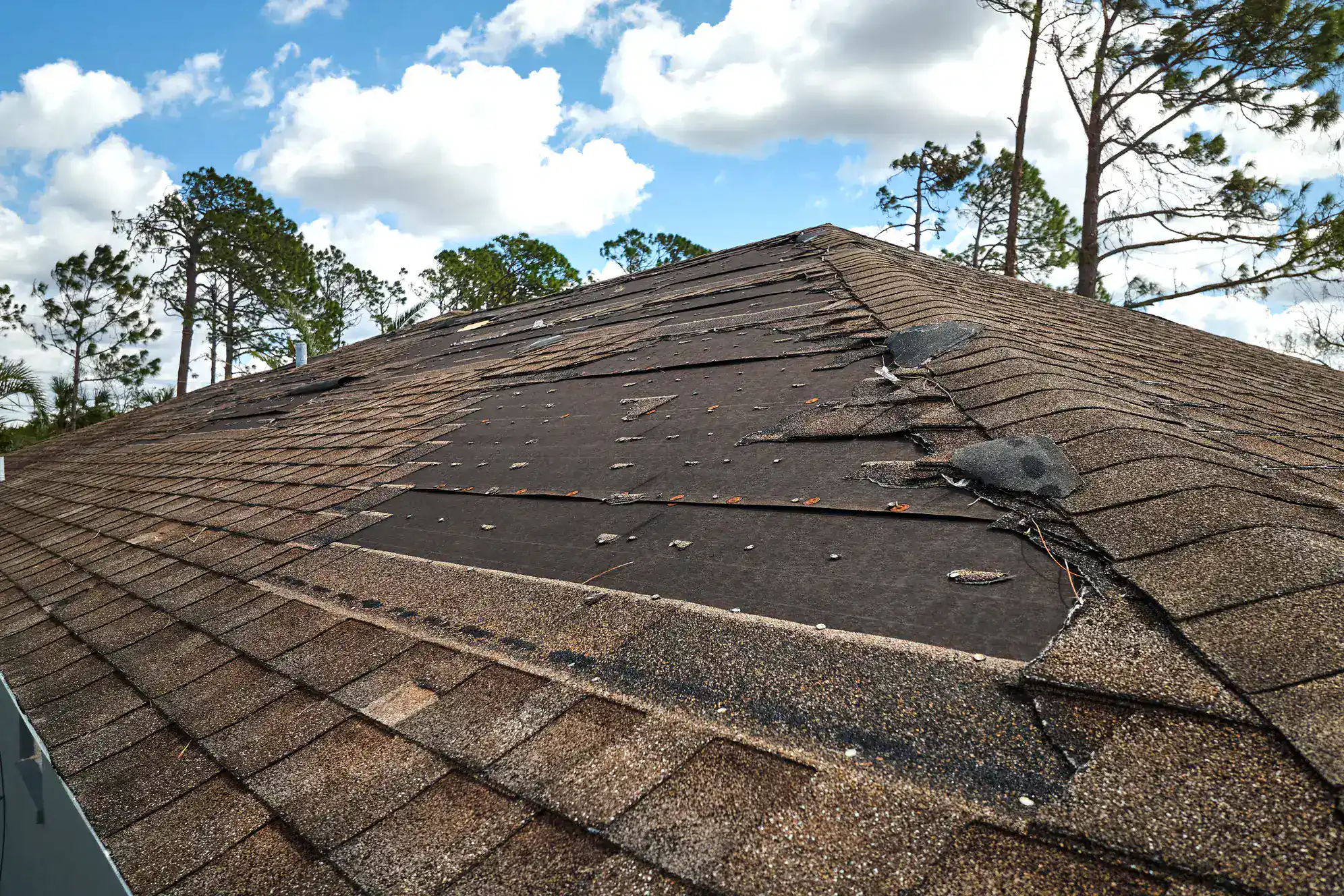
South Hackensack sits right at the edge of the Meadowlands, and that low-lying geography means your roof deals with more than just rain. The humidity that rolls in from the wetland corridor accelerates moss and algae growth on north-facing surfaces, and the freeze-thaw cycles every winter push moisture into any weak point your roof already has. A properly installed replacement doesn’t just stop leaks — it stops the slow damage you don’t see until it’s already inside your walls.
The township’s housing stock is mostly mid-20th century construction. That means a lot of homes in South Hackensack are sitting on roofs that are 25 to 50 years old — some on their original system, some on a replacement that’s now past its own service life. If your home was built in the 1960s or 1970s, the math is simple: the roof is either overdue or close to it. Getting ahead of that is always cheaper than reacting to it after a storm.
And for property owners in the commercial and industrial sections near the Meadowlands sliver, the stakes are different but just as real. Flat roofing systems — TPO, EPDM — don’t fail dramatically. They fail slowly, through seam separation and ponding water, until the interior damage is already done. A replacement done right, with the right materials for your specific structure, changes that outcome entirely.
GAF Certified Roofer South Hackensack NJ
We’ve been doing roofing work in Bergen County for over 17 years. That’s not a tagline — it’s just the reality of a business that grew through referrals in tight-knit communities like South Hackensack, where word travels fast and a bad job follows you.
We’re GAF certified, fully licensed as a New Jersey Home Improvement Contractor, and we carry the insurance documentation you should be asking every roofer for before you sign anything. The GAF certification isn’t just a credential on a wall — it means you can access enhanced system warranties that non-certified installers simply cannot offer you.
South Hackensack is a small township with fewer than 3,000 residents. A contractor who treats it like just another ZIP code on a service area map isn’t the right fit here. We know the difference between the residential neighborhoods near Teterboro and the flat-roofed commercial properties down in the Meadowlands section — and we work both.
Storm Damage Roof Replacement South Hackensack NJ
It starts with a free inspection. A real one — not a five-minute walk-around followed by a sales pitch. Our goal is to give you an honest picture of what’s going on up there: granule loss, flashing failure, decking condition, ventilation issues, and anything storm-related that your insurance might cover. If repair is the right call, that’s what you’ll hear. If replacement makes more sense, you’ll get a written, itemized estimate that breaks down exactly what’s included and why.
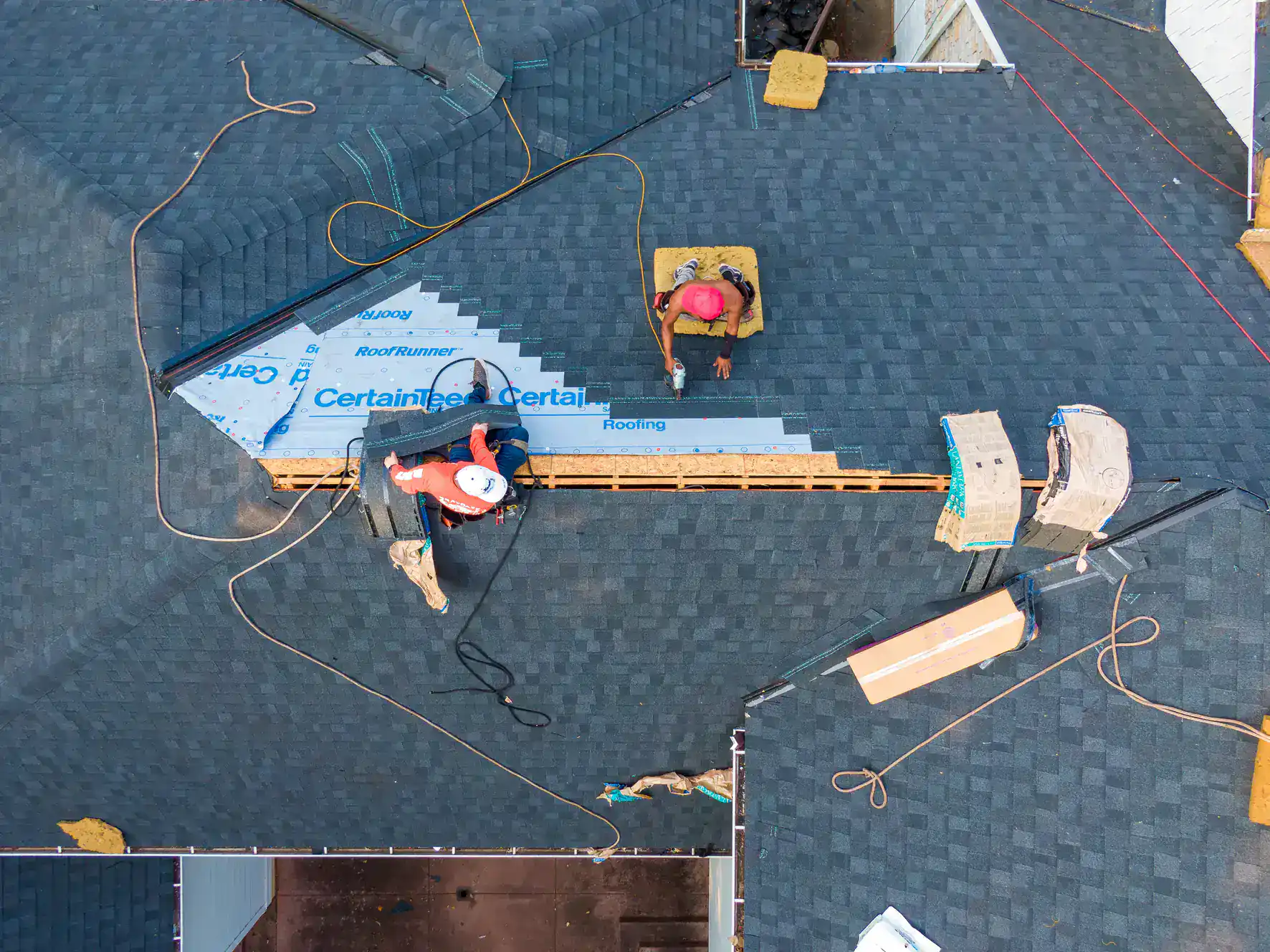
If there’s storm damage involved, we help you document it properly for your insurance claim. Bergen County nor’easters and summer hail events generate real insurance-eligible damage, and the difference between a claim that gets approved and one that doesn’t often comes down to how the damage was documented at the start. We handle this regularly — and it matters more than most homeowners realize until they’re in the middle of it.
Once the scope is agreed on, South Hackensack roof replacements require a building permit through the township. That’s not optional, and any contractor who suggests skipping it is putting you at risk — both for resale disclosure issues and for voiding your manufacturer warranty. We pull the permit, schedule the inspection, and handle that side of the process so you don’t have to. When the job is done, the cleanup is complete and the documentation is in your hands.
Ready to get started?
Residential Roof Installation South Hackensack NJ
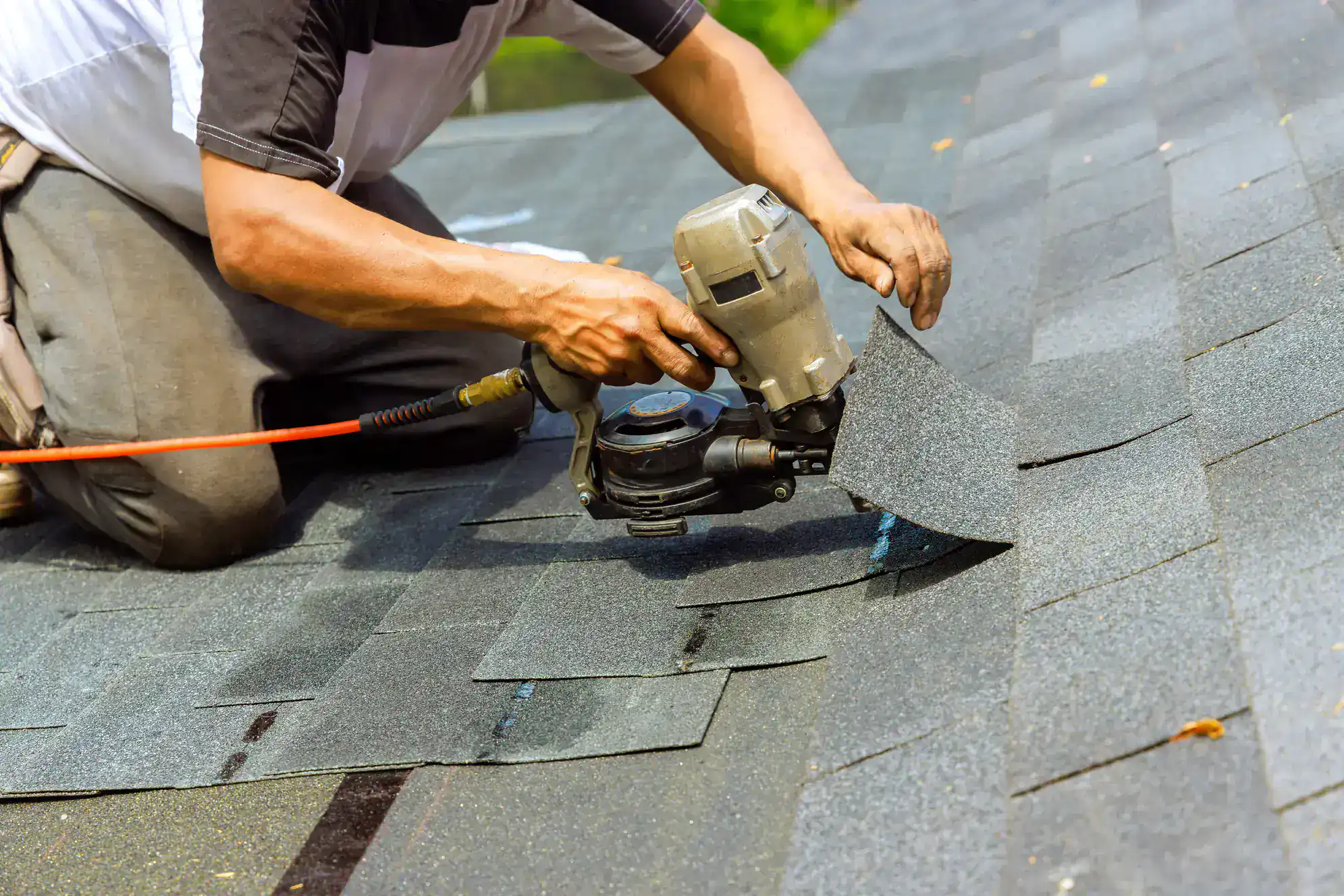
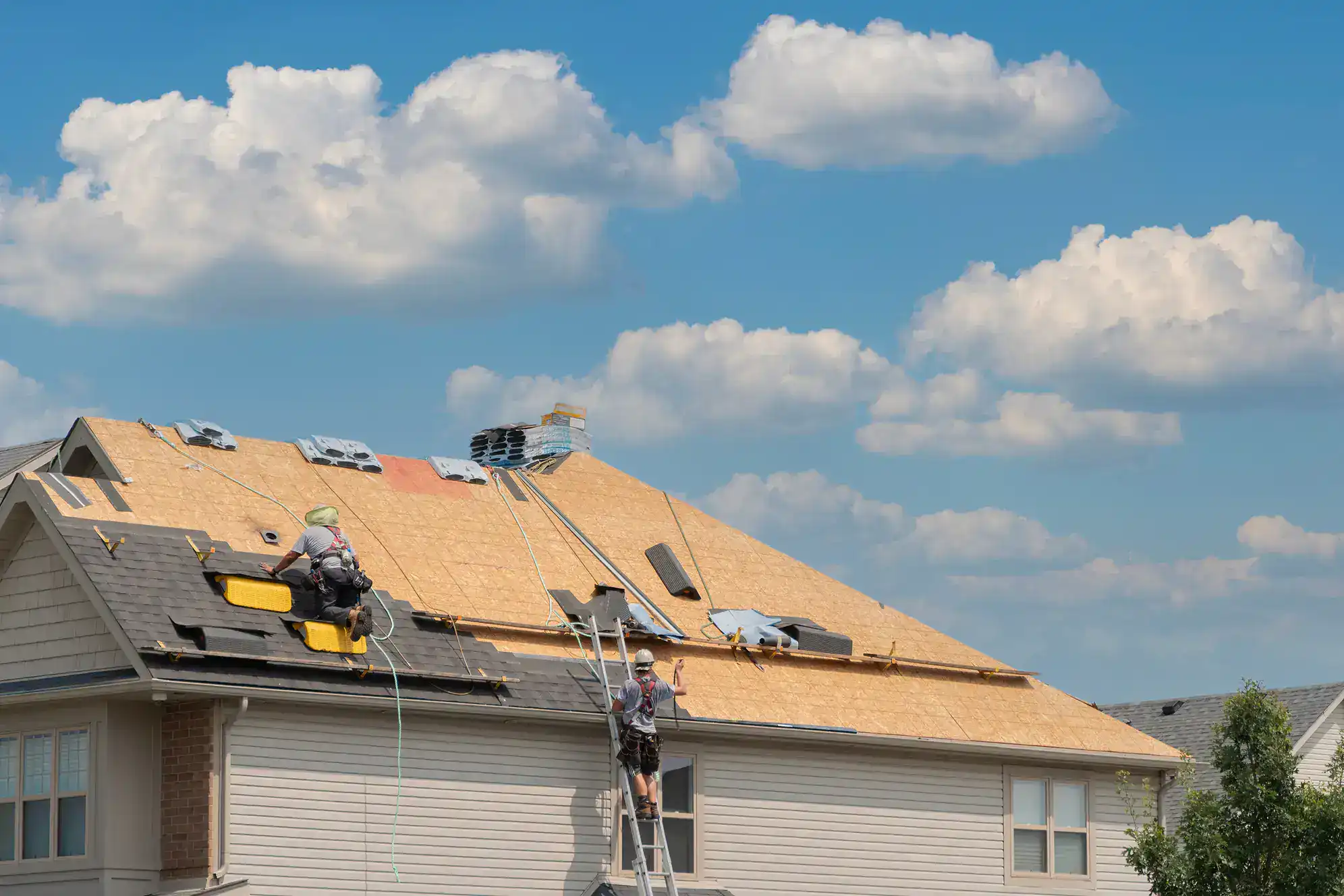
A full residential roof replacement in South Hackensack means a complete tear-off of the existing system — not a layer-over. The decking gets inspected and replaced where it’s rotted or compromised. Ice and water shield goes in at the eaves, which is required under New Jersey’s building code and non-negotiable given the ice dam risk that comes with Bergen County winters. Drip edge, synthetic underlayment, and proper ridge ventilation are all part of a code-compliant installation, not upgrades you have to ask for.
For the GAF product lines, the warranty level depends on which system is installed and whether the contractor is certified — which is why the GAF certification matters in practice, not just on paper. A certified contractor can offer the GAF System Plus Warranty, which covers both materials and workmanship. That’s the warranty that actually protects you if something goes wrong down the road, and it’s only available through contractors who’ve met GAF’s verification standards.
For commercial and industrial properties — particularly those in South Hackensack’s Meadowlands section or the Garfield Park commercial areas — the work shifts to flat roofing systems: TPO, EPDM, and modified bitumen. These systems have different failure modes, different installation requirements, and different inspection criteria than residential shingles. We handle both, which means you’re not getting a residential roofer who moonlights on flat roofs. You’re getting a contractor who knows the difference and works accordingly.
Does my South Hackensack home actually need a full roof replacement or just repairs?
That depends on a few things — the age of the roof, the extent of the damage, and whether the underlying decking has been compromised. A repair makes sense when the damage is isolated: a few lifted shingles, a failed flashing seal, a small section of granule loss. But when a roof is 20-plus years old and showing widespread wear, repairs tend to be a short-term fix on a system that’s already past its reliable service life.
In South Hackensack specifically, a lot of the housing stock is mid-20th century construction. If your home was built in the 1960s or 1970s and you haven’t replaced the roof since, there’s a real chance you’re looking at a system that’s been patched more than once and is now at the point where replacement is the more cost-effective decision. Our free inspection is designed to answer this question honestly — not to push you toward the larger job if it isn’t warranted.
How much does a roof replacement typically cost in South Hackensack, NJ?
Most residential roof replacements in South Hackensack fall somewhere in the range of $9,000 to $16,000, depending on the size of the roof, the pitch, the materials selected, and the condition of the decking underneath. Architectural shingles — the standard for most Bergen County homes — sit in the mid-range. If the decking needs partial replacement or the job involves significant flashing work around chimneys or skylights, that affects the final number.
What you should watch for is any estimate that doesn’t break down the line items. A lump-sum quote with no detail on materials, warranty level, or scope of tear-off is a red flag. You’re spending a significant amount of money on something that’s supposed to last 25 to 30 years — you deserve to know exactly what you’re getting. We provide written, itemized estimates as standard practice, and you should expect the same from any contractor you’re seriously considering.
Will my homeowner's insurance cover roof damage from a Bergen County storm?
It depends on the cause and the documentation. Most homeowner’s insurance policies in New Jersey cover sudden storm damage — wind, hail, falling debris — but they don’t cover wear and tear or roofs that were already at the end of their service life before the storm hit. The distinction matters, and insurance adjusters look at it closely.
Bergen County sees real storm activity — nor’easters in winter, hail and high-wind events in summer. When that damage is properly documented with photos, a written inspection report, and a clear description of what failed and why, claims get approved at a much higher rate than when homeowners try to navigate it on their own. During the inspection process, we build that documentation from the start, so if there’s a legitimate insurance case, you’re not scrambling to put it together after the fact.
Do I need a building permit for roof replacement in South Hackensack, NJ?
Yes. A full roof replacement in South Hackensack requires a building permit through the township’s Building Department, located at 227 Philips Avenue. This isn’t a technicality — it’s a legal requirement under New Jersey’s Uniform Construction Code, and the work needs to be inspected to confirm it meets current code standards for things like ice and water shield coverage, drip edge installation, and attic ventilation.
The reason this matters beyond compliance: unpermitted roofing work has to be disclosed when you sell your home, and it can complicate or delay a closing. It can also void your manufacturer warranty, since most GAF warranties require that the installation was code-compliant and properly inspected. Any contractor who suggests skipping the permit to save time is saving their time at your expense. We pull the permit as part of the standard process — it’s not an add-on, it’s how the job is supposed to be done.
What makes a GAF certified roofer different from any other licensed contractor in NJ?
Licensing and GAF certification are two different things. Every legitimate roofing contractor in New Jersey needs to hold a Home Improvement Contractor (HIC) registration — that’s the baseline legal requirement. GAF certification is a separate credential that requires verified licensure, adequate insurance, demonstrated installation knowledge, and ongoing training specific to GAF’s roofing systems.
The practical difference for you as a homeowner is warranty access. A non-certified contractor can install GAF shingles, but they can only offer the standard material warranty. A GAF-certified contractor can offer the System Plus Warranty, which covers both the materials and the workmanship — meaning if there’s an installation defect that causes a failure, you’re covered. In South Hackensack, where homeowners are actively searching the GAF contractor directory to verify certification before hiring, this distinction is worth understanding before you make a decision.
How long does a roof replacement actually take for a South Hackensack home?
For most single-family homes in South Hackensack, the physical installation takes one to two days once the job is scheduled and materials are on-site. Larger roofs, more complex geometries, or jobs that uncover significant decking damage can run longer — but we work through to completion rather than leaving your home exposed overnight without a plan.
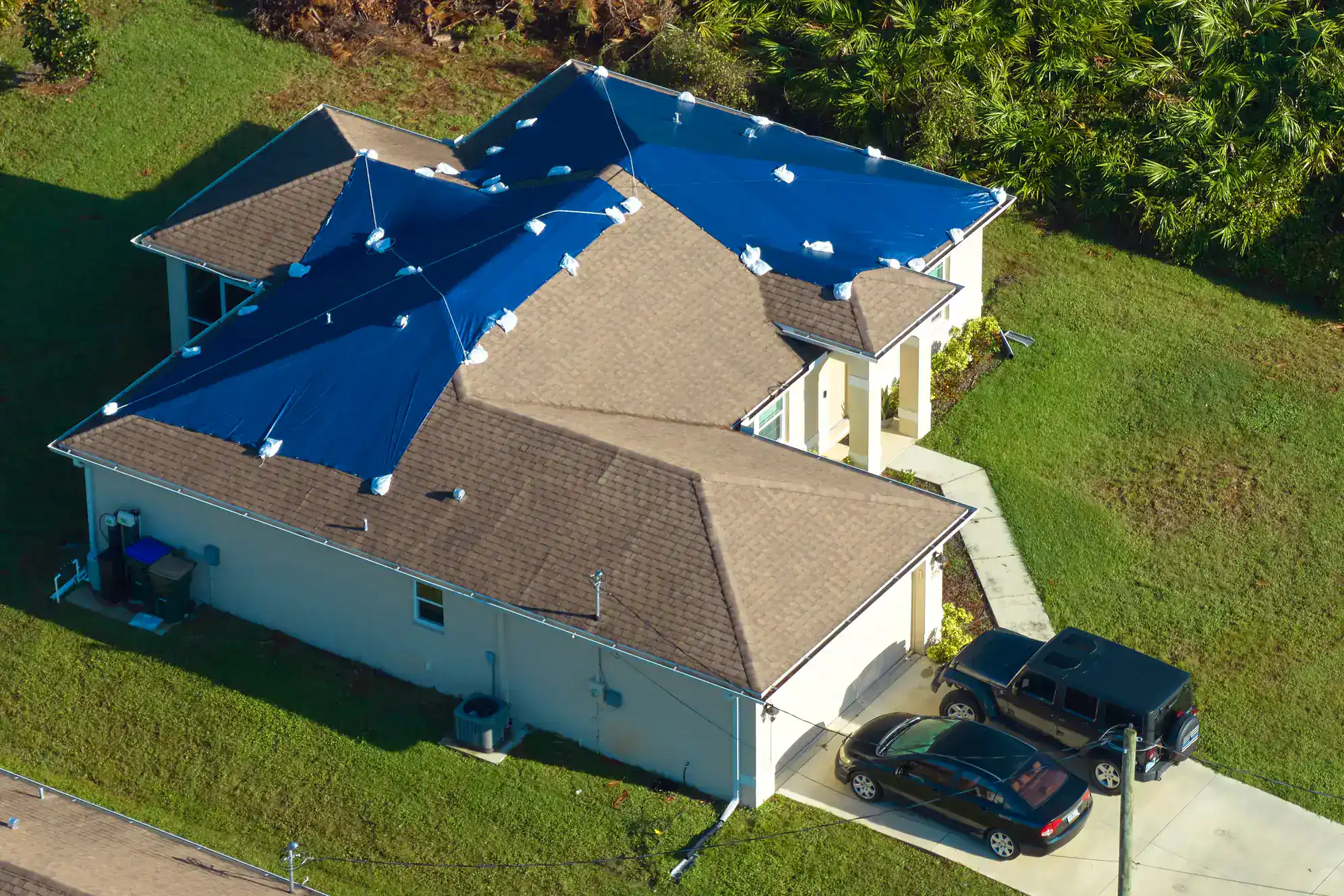
The fuller timeline includes the inspection, the estimate, permit approval from the township, and material lead time — which can add one to three weeks depending on the time of year. Spring and fall are the busiest seasons in Bergen County for roofing, so scheduling earlier in the season gives you more flexibility. If you’re dealing with active storm damage or a roof that’s already leaking, we prioritize the inspection and emergency tarping first, and the replacement timeline gets scheduled accordingly. The goal is always to keep your home protected throughout the process, not just at the end of it.