
Gutter Installation in Teaneck, NJ
Teaneck's Older Homes Deserve More Than a Generic Gutter Swap
Hear from Our Customers
Rain Gutter Installation in Teaneck, NJ
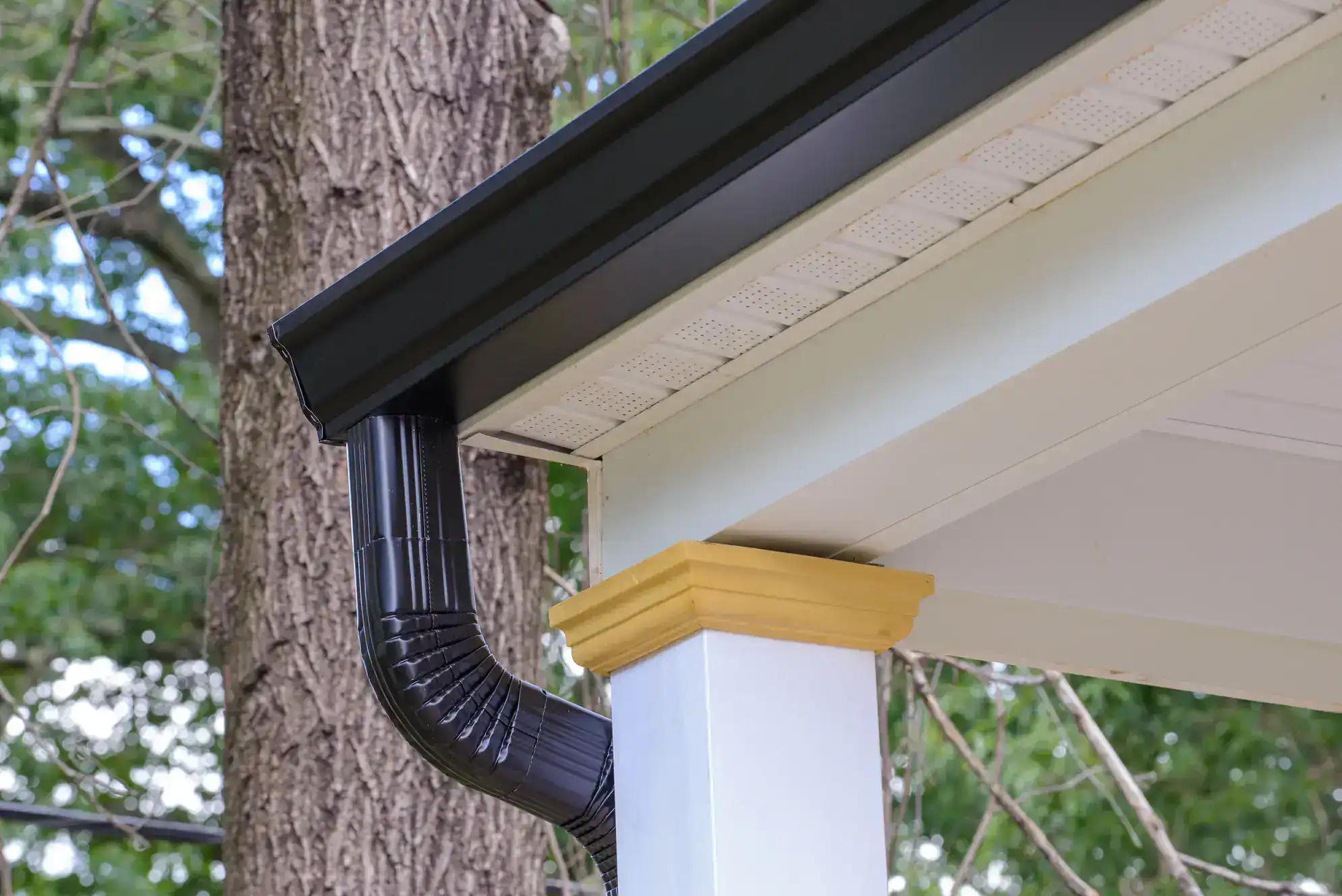
When gutters are doing their job, you stop thinking about them. No water pooling against the foundation after a heavy rain. No staining down the siding. No soft spots in the fascia that get worse every winter. That’s the goal — a system that quietly handles whatever Bergen County throws at it, season after season.
Teaneck gets close to 49 inches of rain a year, plus around 38 inches of snow. That’s not a light load. Add the freeze-thaw cycles that hit every winter, and you’ve got real stress on any gutter system — especially on homes that have been standing since the 1940s and 1950s. When Tropical Storm Ida dropped over 8 inches of rain on Teaneck in a matter of hours, a lot of homeowners found out the hard way that marginal gutters aren’t enough. Properly installed, properly sized gutters are what keep that water off your foundation and out of your basement.
The tree canopy on streets throughout West Englewood and the neighborhoods near Votee Park is one of the things people love about living in Teaneck. It’s also one of the biggest reasons gutters fail early. Leaf load adds weight, blocks drainage, and sets up ice dam conditions the moment temperatures drop. A gutter system installed with the right bracket spacing, correct slope, and proper downspout sizing handles that load without pulling away from the fascia or overflowing into your landscaping.
Gutter Contractors in Teaneck, NJ
We’ve been doing exterior renovation work across New Jersey for over ten years, with deep roots in Teaneck and Bergen County. Roofing is the core of what we do, and gutters and siding connect directly to that — because on an older Teaneck home, these systems don’t work in isolation. A failing gutter is often a fascia problem. A fascia problem is often a roofline problem. We look at all of it.
We’re licensed with the NJ Division of Consumer Affairs (HIC License #13VH10605800), certified by major shingle manufacturers, and we’ve built most of our business through referrals rather than advertising. That matters because it means every job is a reputational investment — not a transaction. We’re not a national franchise rotating crews in from out of county. When we work on a home near Cedar Lane or Holy Name Medical Center, that job reflects directly on us in this community.
Every estimate is free, written, and straightforward. What we quote is what you pay.
Home Gutter Installation in Teaneck, NJ
It starts with a free inspection. We come out, walk the roofline, and look at the full picture — not just the gutters, but the fascia condition, the soffit, the flashing, and where your downspouts are currently discharging. On Teaneck’s older housing stock, it’s common to find rotted fascia behind failing gutters, or downspouts positioned too close to the foundation. We catch those things before installation, not after.
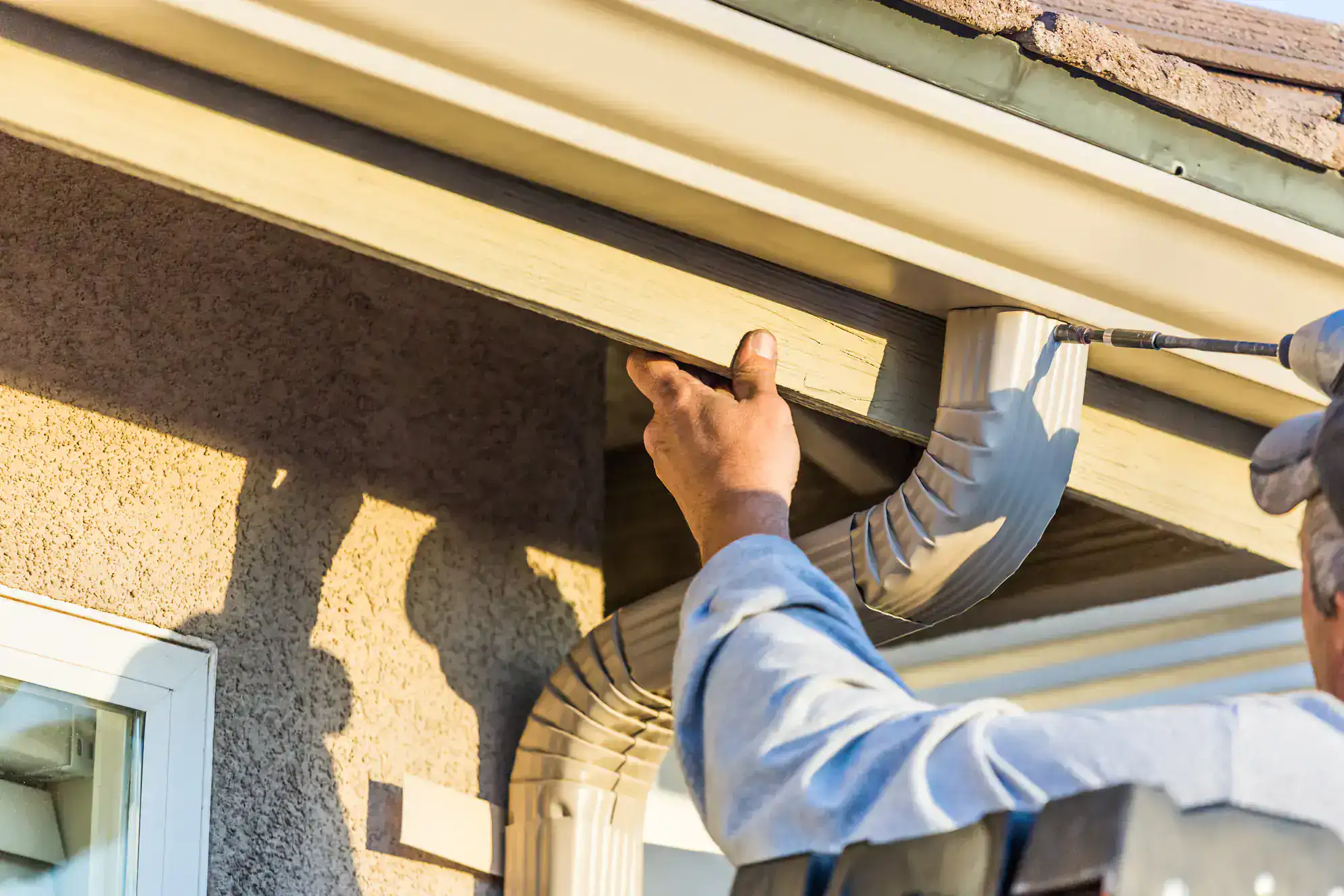
From there, you get a written estimate with no hidden line items. If you decide to move forward, we fabricate seamless aluminum gutters on-site, custom-cut to your exact roofline measurements. No pre-cut sections pieced together — seamless gutters eliminate the joints where leaks start. We calculate the slope before mounting a single bracket, because on homes that have settled over decades, assuming the fascia is level is how gutters end up holding standing water.
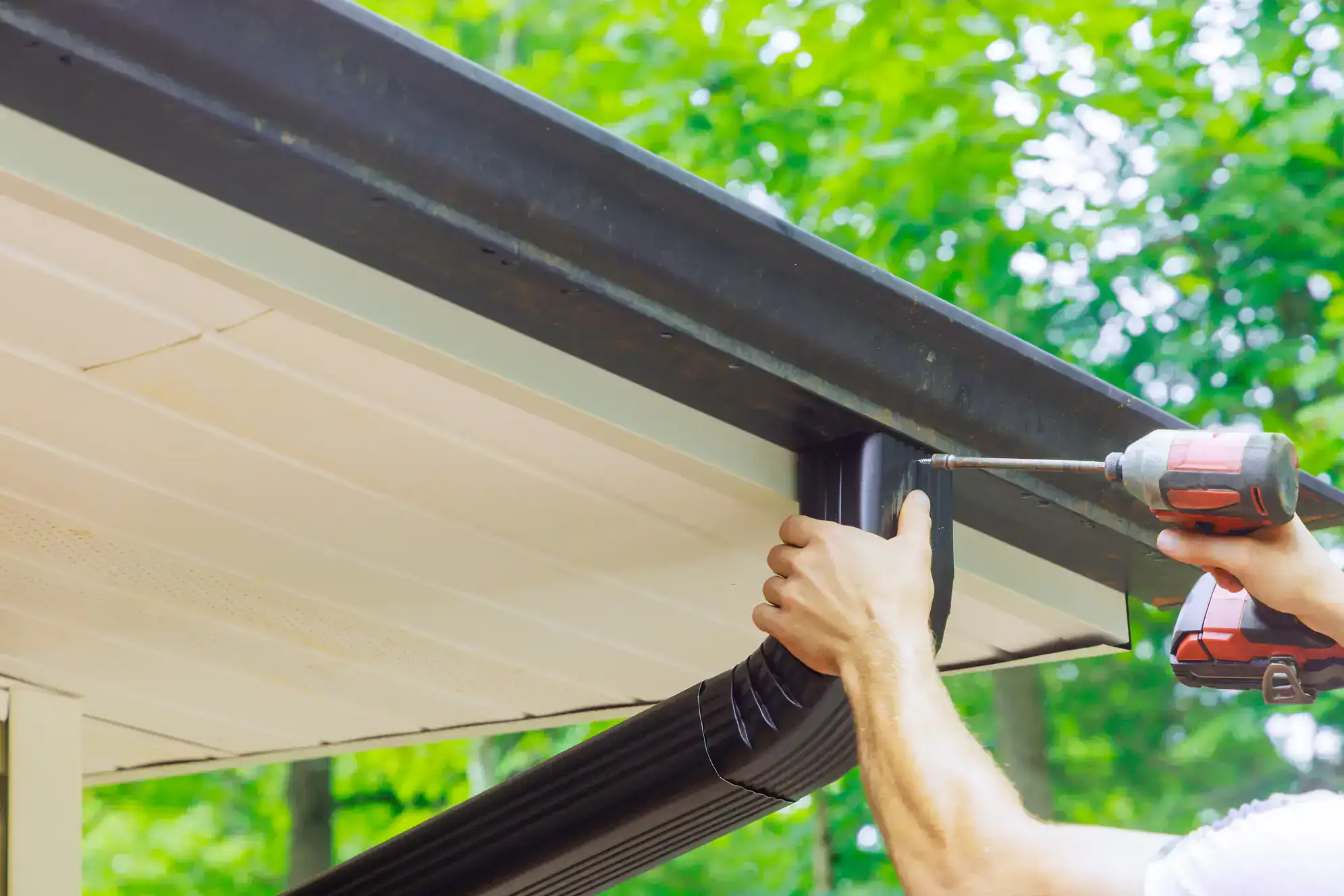
Installation day is clean and straightforward. We mount the gutters, set the downspouts at proper discharge distance from your foundation, and walk you through everything before we leave. All work meets NJ home improvement contractor requirements — and if you’re dealing with storm damage that might be covered by your homeowner’s insurance, we can help you document and navigate that claim as well.
Ready to get started?
Roof Gutter Installation in Teaneck, NJ
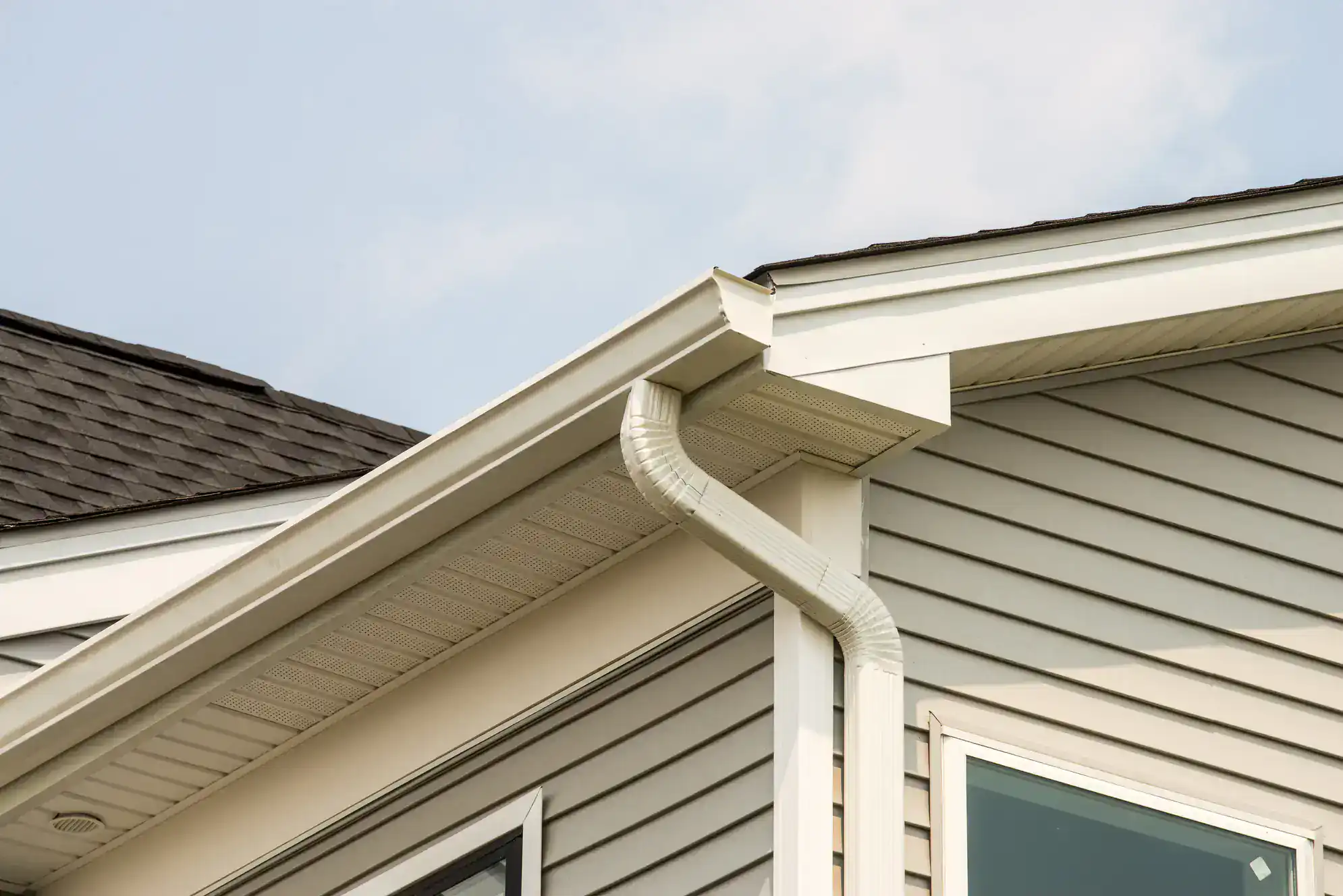
The gutter installation we do in Teaneck is seamless aluminum — fabricated on-site, sized to your specific roof drainage area, and installed with the bracket spacing and hanger systems that can actually handle the weight of debris accumulation from Teaneck’s tree-lined streets. Standard sectional gutters from a supply house are engineered to national averages. Your home on a maple-lined block in West Englewood or near the Teaneck Greenbelt is not average.
Every installation includes a full exterior assessment before a single measurement is taken. We’re looking at fascia integrity, soffit condition, existing flashing, and downspout placement — because installing new gutters on rotted fascia is a waste of your money. If we find issues that go beyond the gutters, we’ll tell you clearly what they are and what it would take to address them. No upsells you didn’t ask for, no work done without your sign-off.
We also handle gutter work tied to storm damage insurance claims. Teaneck homeowners who experienced damage from high-wind events or heavy rain — including the kind of flooding the township saw during Ida — may have coverage they haven’t pursued. We work directly with adjusters to document the damage and support the claim. And for homes with heavy tree coverage, we’ll give you an honest assessment of whether gutter guards make sense for your specific situation after installation.
Do I need a permit for gutter installation or replacement in Teaneck, NJ?
For most standard gutter replacements — swapping out an existing system with a new one of similar scope — a permit is typically not required in Teaneck. However, if the work involves structural changes to the fascia, significant alterations to drainage pathways, or is part of a larger exterior renovation project, the Teaneck Building Department at 818 Teaneck Road may require a permit before work begins.
What is required regardless of permit status is that the contractor performing the work holds a valid NJ Home Improvement Contractor registration. The NJ Division of Consumer Affairs requires this for all home improvement work in the state, and Teaneck enforces it. Hiring an unlicensed contractor for gutter work can void your homeowner’s insurance coverage for workmanship defects and create liability exposure if someone is injured on your property. Our NJ HIC License #13VH10605800 is current, verifiable, and on file with the state. If you’re unsure whether your specific project requires a permit, the Teaneck Building Department can be reached at (201) 837-1600.
How do I know if my gutters need full replacement or just a repair?
The honest answer is that it depends on what’s actually failing — and the only way to know is a real inspection, not a phone estimate. Repairs make sense when you’re dealing with isolated issues: a separated seam, a single sagging section, a downspout that’s come loose. If the problem is contained and the rest of the system is structurally sound, repair is the right call and we’ll tell you that.
Full replacement becomes the better investment when the gutters are pulling away from the fascia in multiple spots, when there’s widespread corrosion or cracking, or when the system was never properly sized for the roof’s actual drainage load in the first place. In Teaneck, where a significant portion of homes were built before 1970, it’s common to find original or aging gutter systems that have simply reached the end of their useful life — typically 20 to 30 years for aluminum. If the fascia boards behind the gutters have absorbed moisture damage over the years, that needs to be addressed before any new system goes up. We’ll give you a straight answer during the free inspection — no pressure in either direction.
What size gutters does my Teaneck home actually need?
Most homes in Teaneck do well with 5-inch K-style gutters, which are the residential standard. But the right size depends on your roof’s total drainage area, the pitch of the roof, and the intensity of rainfall your area actually experiences — not just what’s standard on a spec sheet. Bergen County receives close to 49 inches of rain annually, and summer storm events can dump several inches in a short window. An undersized gutter system that can’t move water fast enough is going to overflow regardless of how well it’s installed.
Larger homes, homes with steep roof pitches, or homes with complex rooflines that concentrate runoff into a single area may need 6-inch gutters or additional downspouts to handle the volume. We calculate this during the inspection using your roof’s actual measurements — not a guess. Downspout sizing matters just as much as gutter width. A properly sized gutter paired with an undersized downspout will still back up and overflow. We size the whole system together so it functions as designed under real Bergen County rainfall conditions.
Can storm damage to my gutters in Teaneck be covered by homeowner's insurance?
Yes — in many cases, it can. Gutter damage caused by wind, hail, falling tree limbs, or storm events is typically covered under the dwelling protection portion of a standard homeowner’s insurance policy in New Jersey. What most homeowners don’t realize is that the burden of documentation falls on them, and insurance adjusters aren’t always thorough about identifying every item of exterior damage during an inspection.
After Tropical Storm Ida dropped over 8 inches of rain on Teaneck and caused flash flooding and property damage across the township, a number of Bergen County homeowners had legitimate storm damage claims that went unpursued simply because they didn’t know what to look for or how to document it. Gutters that were pulled away from fascia, downspouts that were displaced, and sections that were damaged by falling debris are all potentially claimable. We work directly with insurance adjusters to document the damage, provide the supporting documentation needed for the claim, and make sure you’re not leaving coverage on the table. If you think you have storm damage, the first step is a free inspection — we’ll tell you honestly what we see.
How long does a gutter installation take on a typical Teaneck home?
For most single-family homes in Teaneck, a full gutter installation is typically completed in one day. The timeline depends on the size of the home, the complexity of the roofline, and whether any fascia repair work needs to happen before the gutters go up. A straightforward replacement on a colonial or Cape Cod — the most common housing styles in neighborhoods like West Englewood and East Teaneck — generally runs four to six hours from setup to cleanup.
If the inspection reveals fascia damage that needs to be addressed first, that can add time to the project. We’ll let you know during the estimate phase exactly what’s involved and how long to expect the job to take, so you’re not caught off guard on installation day. We also work around your schedule — we know most Teaneck homeowners are commuting to work or managing busy households, and we communicate clearly about arrival times and project milestones so you’re not sitting around waiting for an update. The goal is to be in, do the job right, and be out — with a system that works and a yard that looks the same as when we arrived.
Should I get gutter guards installed on my Teaneck home?
For a lot of homes in Teaneck, the answer is yes — but it depends on your specific tree coverage. Teaneck’s residential streets are known for their mature tree canopy, and that’s one of the things that makes neighborhoods like West Englewood and the areas near Votee Park feel the way they do. It’s also one of the most consistent sources of gutter problems in the township. Heavy leaf accumulation every fall clogs gutters, adds weight stress to hangers and brackets, and creates the conditions for ice dams once temperatures drop — water that can’t drain sits in the gutter, freezes, expands, and eventually forces its way under roofing materials or pulls the gutter away from the fascia entirely.
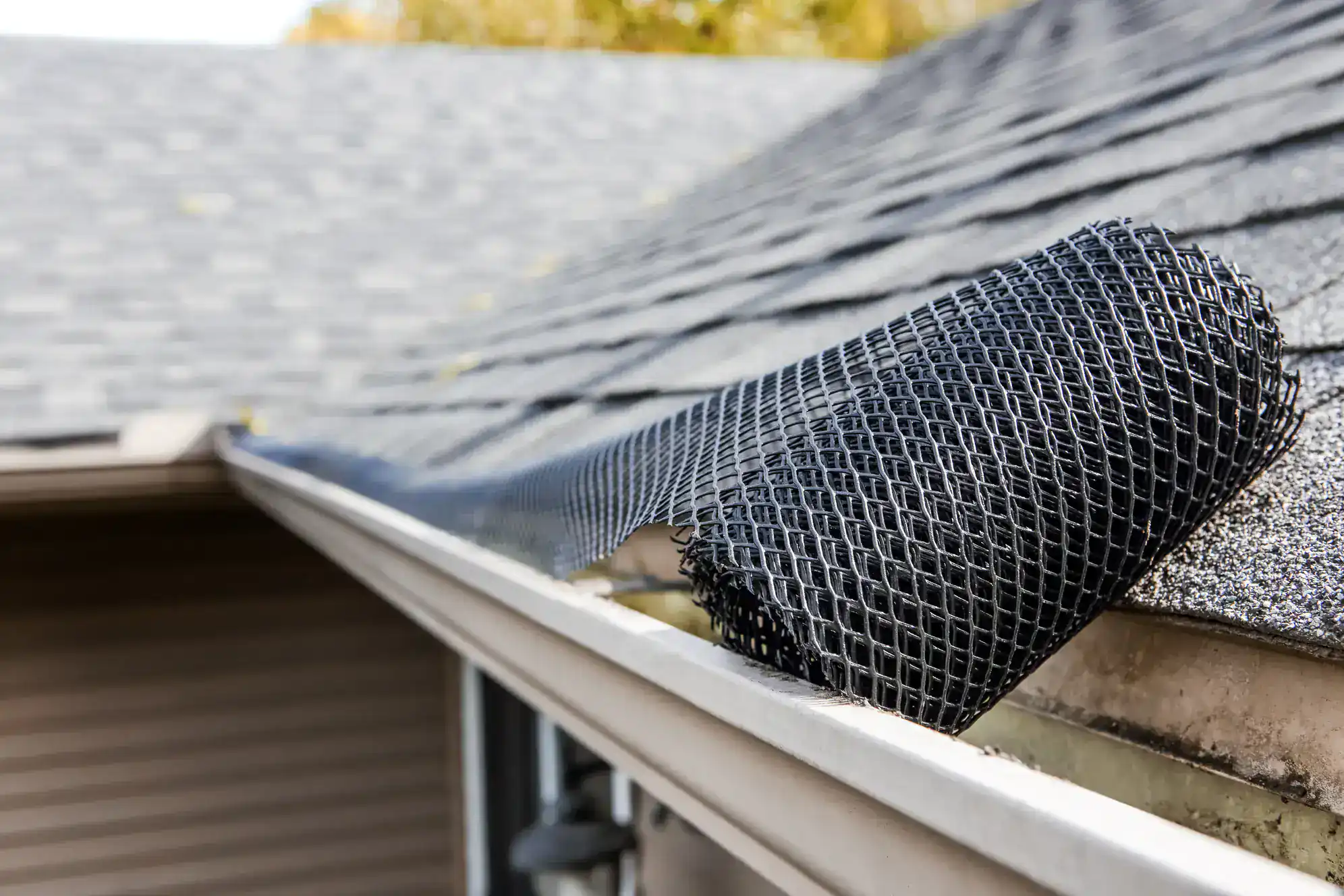
Gutter guards reduce how often your gutters need to be cleaned and significantly extend the life of the system by keeping debris out. They’re not maintenance-free — no gutter guard eliminates cleaning entirely — but they make a real difference on homes with significant tree coverage. We give you an honest assessment based on what’s actually above your roofline, not a blanket recommendation to upsell every customer. If your home has minimal tree exposure, we’ll tell you the guards probably aren’t worth the added cost. If you’ve got mature oaks or maples hanging over your roofline, the investment typically pays for itself within a few years in avoided cleaning and extended gutter life.
Other Services we provide in Teaneck