
Gutter Installation in Fort Lee, NJ
Fort Lee Gets 48 Inches of Rain. Your Gutters Need to Handle It.
Hear from Our Customers
Rain Gutter Installation in Fort Lee
Fort Lee gets roughly 48 inches of rain per year — that’s 26% more than the national average. When your gutters are undersized, improperly sloped, or held together with aging spike mounts, that extra rainfall has to go somewhere. Usually it goes down your siding, into your foundation, or across your neighbor’s property. On a street in Coytesville where lots are tight and homes sit close together, that’s not just a cosmetic problem.
Properly installed gutters stop that cycle before it starts. No more overflow staining on your siding. No more pooling water at the base of your foundation. No more gutters pulling away from the fascia every winter because the mounting hardware wasn’t built for Bergen County freeze-thaw cycles. When the system is right, you stop thinking about your gutters entirely — which is exactly how it should be.
For homeowners on the bluff-side streets near Palisade Avenue, there’s an added layer to consider. Homes at that elevation face wind-driven debris loading that flat suburban properties simply don’t deal with. Leaves, twigs, and organic matter from the Palisades tree canopy pack gutters faster up there, and wind stress on older spike-mounted systems accelerates wear. A properly spec’d installation — with hidden hanger brackets and correct downspout placement — handles those conditions without constant maintenance calls.
Gutter Contractors in Fort Lee, NJ
We’ve been doing exterior renovation work in Fort Lee and throughout New Jersey for over ten years. We’re licensed through the NJ Division of Consumer Affairs (License #13VH10605800), certified by major manufacturers, and we carry full insurance — not because it’s a marketing checkbox, but because it’s what working in a place like Fort Lee actually requires. The borough’s Building Department enforces the NJ Uniform Construction Code, and every job we do is built to meet it.
We’ve worked across Fort Lee and Bergen County long enough to know that a home on a narrow Coytesville street has different needs than a townhome near Hudson Lights. We don’t show up with a one-size approach. We look at your fascia, your roof edge, your drainage path, and your actual rainfall exposure before we recommend anything. That’s how we’ve grown — not through paid leads, but through Fort Lee homeowners referring us to their neighbors.
If you want a free inspection and a written estimate with no pressure attached, that’s exactly what we offer. You’ll know what we’re doing and what it costs before we start.
Home Gutter Installation in Fort Lee, NJ
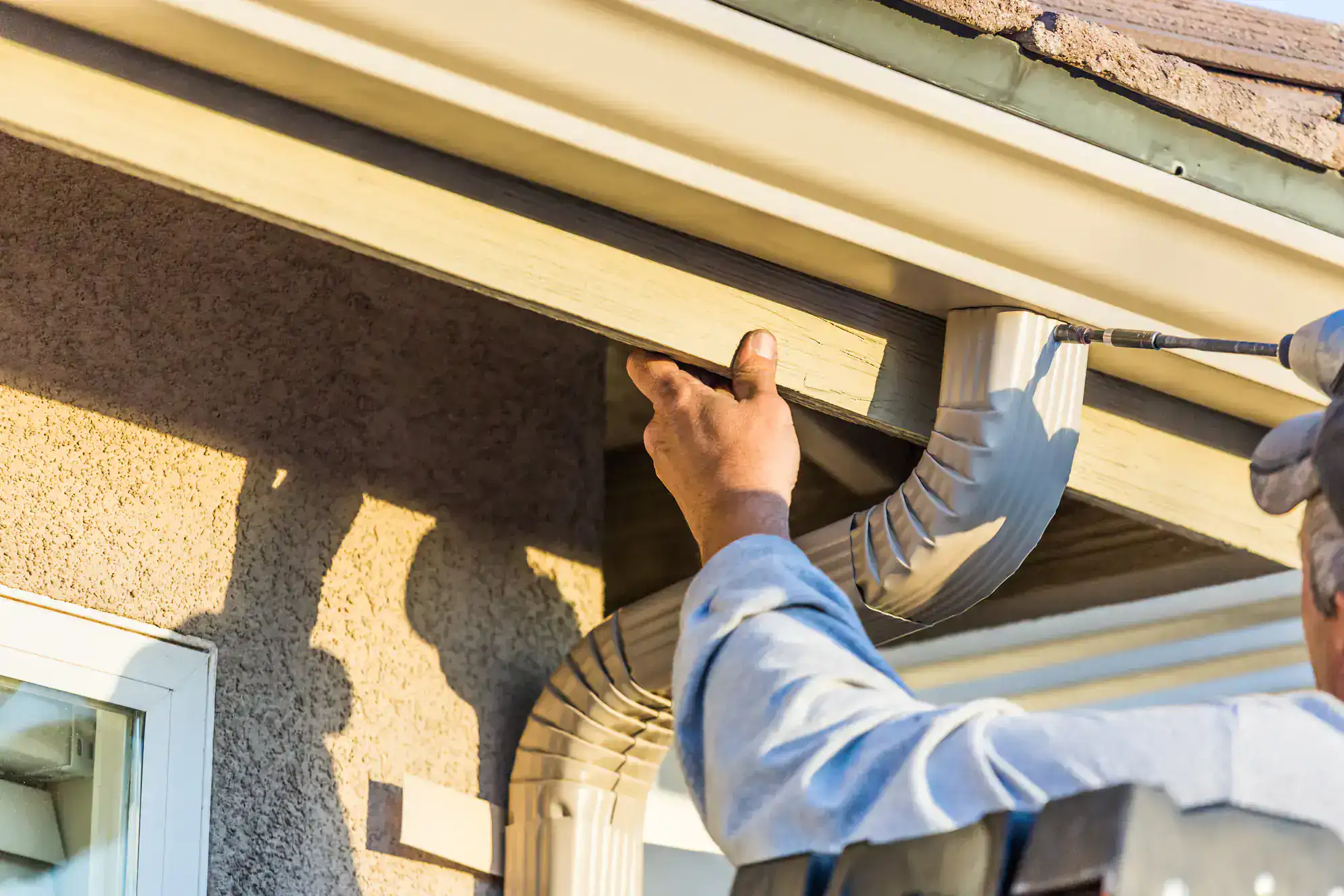
It starts with a free on-site inspection. We look at your existing gutters, your fascia boards, your soffit, and your roof edge — because in Fort Lee’s older housing stock, especially in neighborhoods like Coytesville, rotted fascia is one of the most common reasons new gutters fail within a year. If we mount new gutters on compromised wood, they’ll sag and pull away before the next winter is over. We catch that before it becomes your problem.
Once we’ve assessed everything, we give you a written estimate that spells out the full scope — what we’re replacing, what we’re repairing, what materials we’re using, and the total cost. No vague line items. If your job involves structural work at the fascia or soffit level, we’ll also flag any permit requirements under Fort Lee’s local construction codes so nothing catches you off guard.
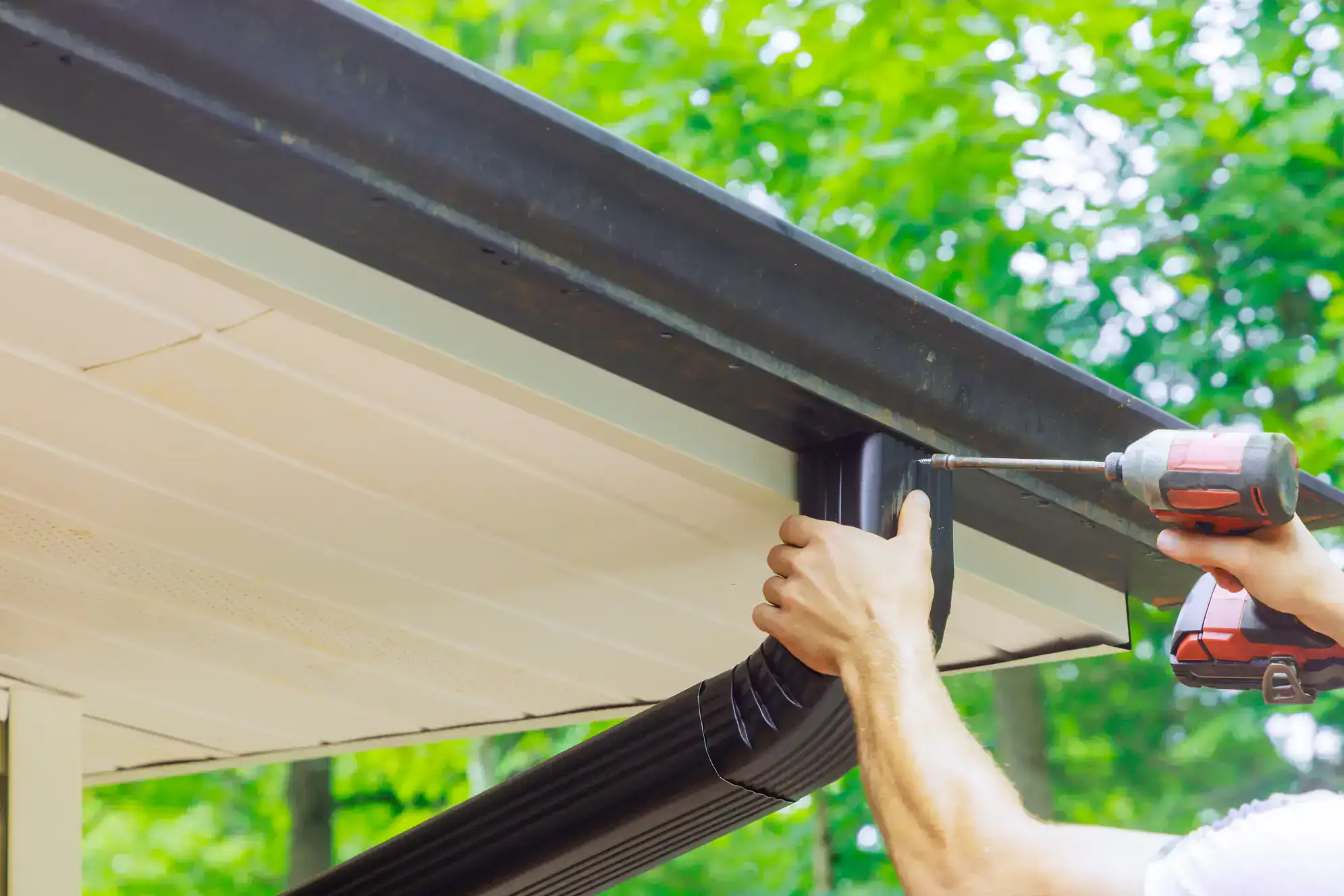
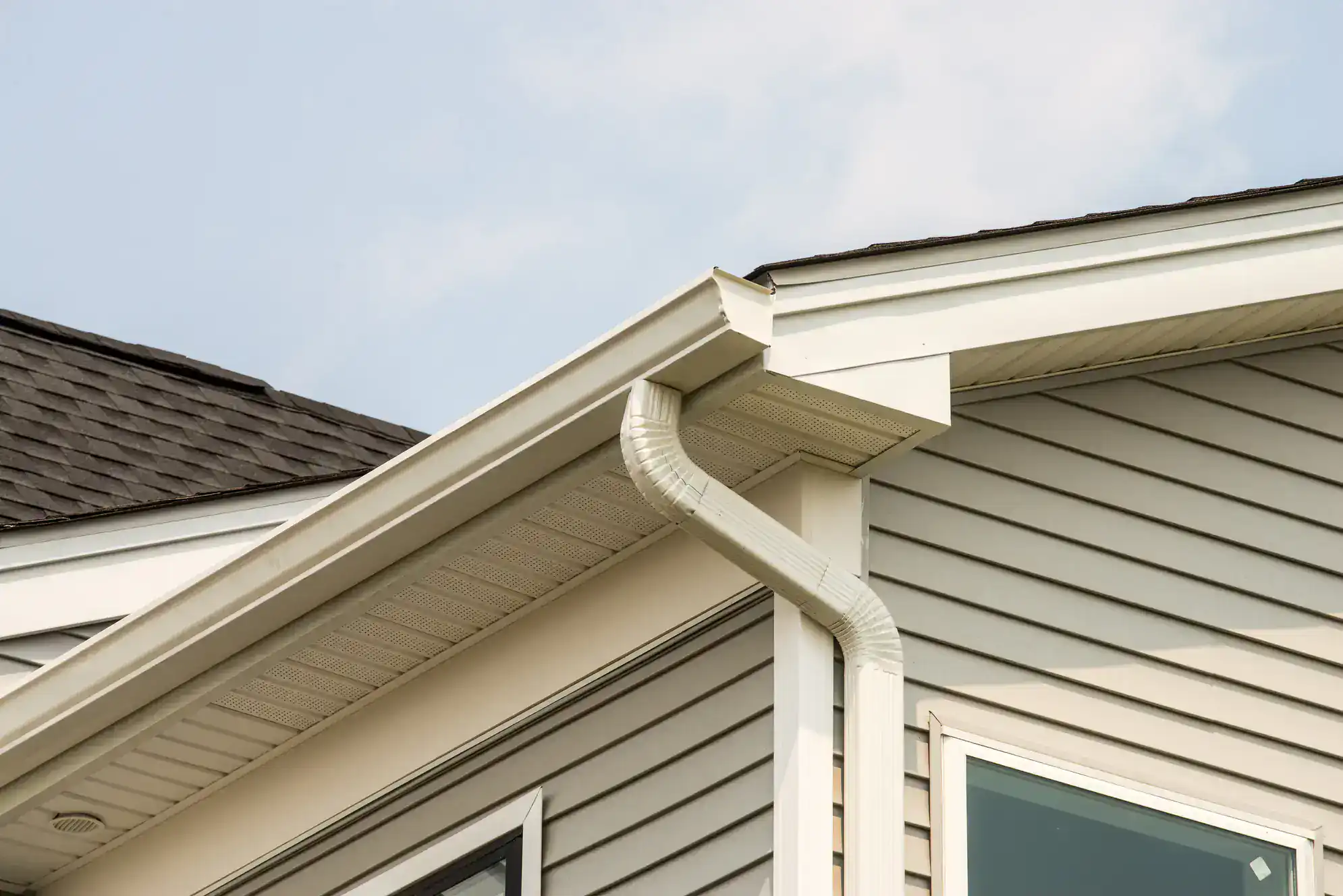
From there, we custom-fabricate your seamless gutters on-site to your exact roofline measurements. Every run is cut to fit your home specifically — not pre-sectioned from a box. We set the slope, place the downspouts where your drainage path actually needs them, and use hidden hanger brackets instead of spike mounts. When the job is done, we walk the full installation with you so you can see exactly what was done and why.
Ready to get started?
Roof Gutter Installation Company in Fort Lee
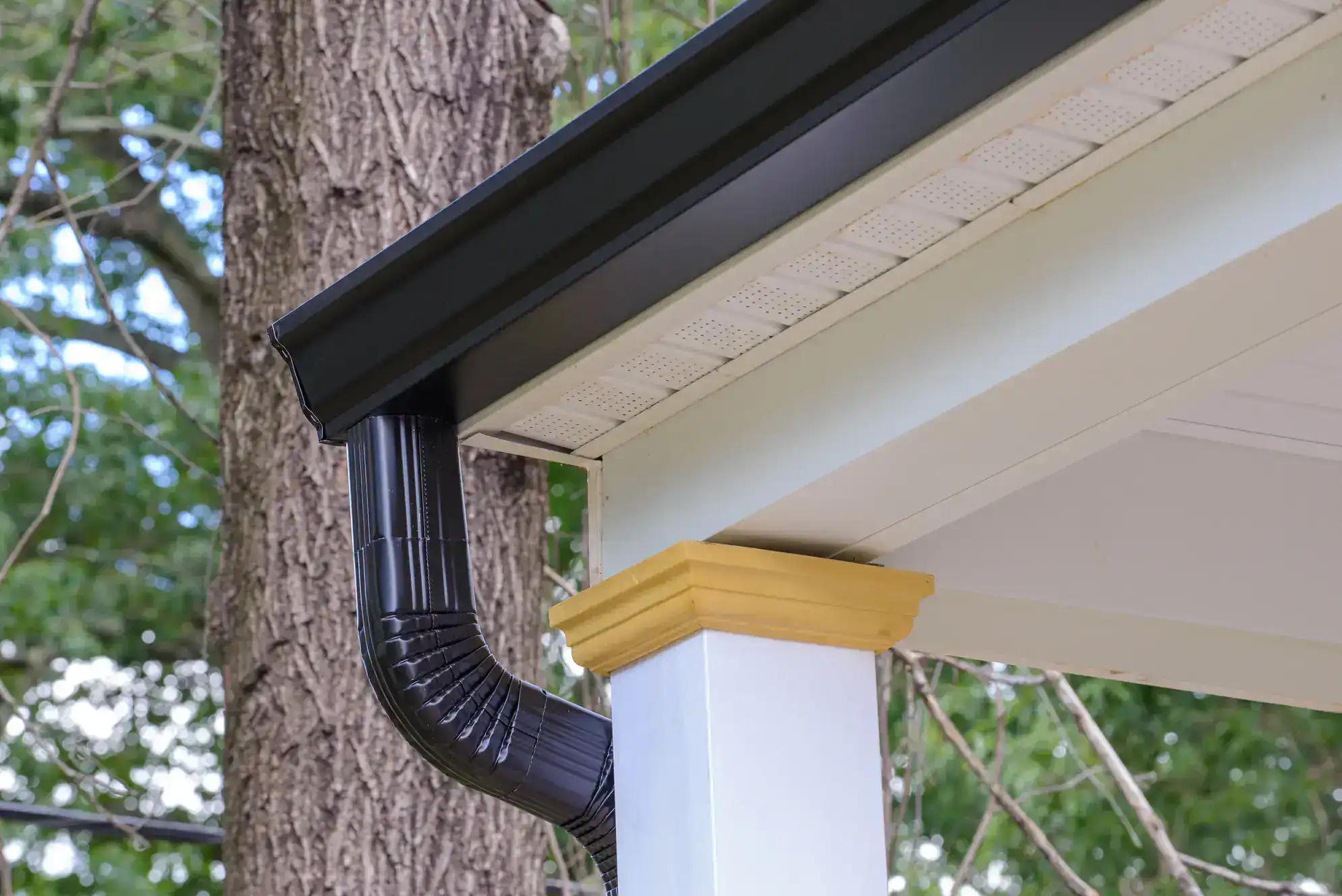
Every gutter installation we do in Fort Lee is seamless aluminum, fabricated on-site to your roofline. Seamless gutters eliminate the joints where sectional systems leak first — and in a borough that sees close to four feet of rain annually, those joints fail faster than most homeowners expect. We size each run to handle the actual water volume your roof produces, which matters more here than in drier markets.
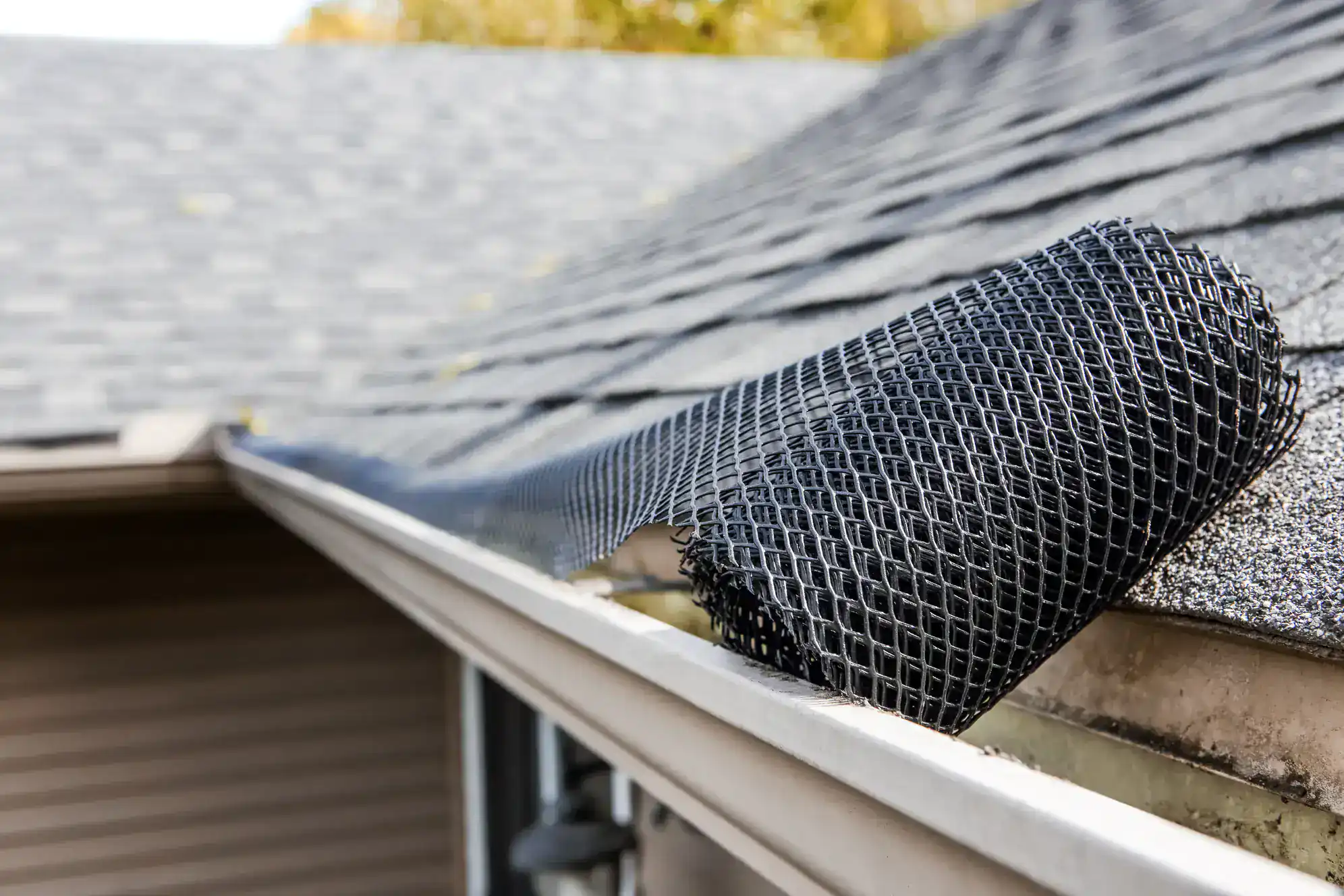
Beyond the gutters themselves, we evaluate your full exterior drainage system. That means checking downspout placement relative to your foundation, assessing whether your current setup discharges water safely away from your home and your neighbor’s property — a real concern on Fort Lee’s dense residential streets — and identifying any fascia or soffit damage that needs to be addressed before new gutters go up. We also offer gutter guard installation for homeowners who want to cut down on seasonal maintenance, particularly useful for properties near the Palisades tree line where debris accumulation runs high.
If your gutters were damaged in a storm, we work directly with your insurance adjuster. Bergen County sees its share of nor’easters and summer microbursts, and a lot of homeowners don’t realize wind or storm damage to gutters is often covered under their homeowner’s policy. We help you document it correctly and get the coverage you’ve already been paying for.
How much does gutter installation cost in Fort Lee, NJ?
The honest answer is that it depends on your home’s size, roofline complexity, and what condition your fascia is in when we get there. For most residential properties in Fort Lee, seamless aluminum gutter installation typically runs somewhere between $1,500 and $4,500 for a full replacement. Homes with more linear footage, multiple stories, or fascia repair needs will land toward the higher end of that range.
What affects cost most in Fort Lee specifically is the condition of the mounting surface. In older neighborhoods like Coytesville, it’s common to find rotted or deteriorating fascia boards underneath existing gutters — especially on homes that haven’t had exterior work done in a decade or more. Addressing that before installation adds cost, but skipping it means your new gutters won’t last. We include a full fascia and soffit assessment in every free estimate so you know exactly what you’re looking at before any work begins.
What's the difference between seamless and sectional gutters, and which is better?
Sectional gutters come in pre-cut lengths that are joined together during installation. Every one of those joints is a potential leak point — and the more rain your home handles, the faster those joints fail. In Fort Lee, where annual rainfall averages 48 inches, that’s a meaningful difference. Seamless gutters are fabricated in one continuous run on-site, custom-cut to your exact roofline measurements. There are no mid-run seams, which means far fewer leak points and a longer-lasting system overall.
Sectional gutters are cheaper upfront, but they tend to need more repairs over time — especially in climates with significant freeze-thaw cycling like Bergen County winters. Seamless aluminum is the standard we install because it holds up better in real conditions, not just ideal ones. The cost difference between the two is relatively small when you factor in the reduced maintenance and longer lifespan you get from a seamless system.
Do I need a permit for gutter installation in Fort Lee, NJ?
For a straightforward like-for-like gutter replacement on a single-family home, a separate construction permit is typically not required in Fort Lee. However, if the work involves structural changes to the fascia, soffit, or roof edge — or if you’re working on a multi-family or commercial property — Fort Lee’s Building Department may require permits under the New Jersey Uniform Construction Code.
This is one of the reasons hiring a licensed contractor matters here. As an NJ Division of Consumer Affairs licensed home improvement contractor (License #13VH10605800), we understand the local code requirements and flag any permit needs before work begins — not after. Fort Lee’s Building Department holds contractors to NJ UCC standards, and working with someone who knows those standards protects you from liability issues and ensures the installation is done correctly from the start. If your job does require a permit, we handle that process with you.
How do I know if I need gutter repair or a full replacement in Fort Lee?
A few things point clearly toward replacement rather than repair. If your gutters are pulling away from the fascia, have visible rust or corrosion at the seams, are consistently overflowing during normal rain events, or are more than 20 years old, repair is usually a short-term fix on a system that’s already past its useful life. In Fort Lee’s older residential neighborhoods — particularly in Coytesville and along the bluff-side streets — it’s not uncommon to find original sectional gutters that have been patched multiple times and are no longer holding proper slope.
Repair makes sense when the damage is isolated — a single section that took storm impact, a downspout that came loose, or a joint that’s separated but the rest of the system is structurally sound. The best way to know for sure is a proper inspection, which is exactly what we do before recommending anything. We’re not going to push full replacement if repair is the right call for your home. That’s a conversation, not a sales pitch.
Can my homeowner's insurance cover storm-damaged gutters in Fort Lee?
In many cases, yes — and it’s more common than homeowners realize. If your gutters were damaged by wind, a fallen branch, or storm impact, that damage is often covered under the dwelling protection portion of a standard homeowner’s insurance policy. Bergen County sees significant storm activity throughout the year, from summer microbursts to nor’easters that come through with enough force to tear gutters off the fascia entirely. The challenge is knowing how to document the damage in a way that satisfies your adjuster.
We work directly with insurance adjusters on storm damage claims. That means we help you document the damage properly, provide the documentation your insurer needs, and make sure the scope of the claim reflects the actual work required — not a lowball assessment that leaves you covering the difference out of pocket. If you’ve had recent storm damage to your gutters and haven’t filed a claim yet, it’s worth having us take a look before you assume you’re paying for it yourself.
How often should gutters be cleaned or replaced in Bergen County's climate?
Cleaning frequency in Fort Lee depends heavily on where your home sits. Properties near the Palisades tree line — particularly in Coytesville and the bluff-side neighborhoods — deal with significantly more debris accumulation than homes in open suburban areas. For those properties, cleaning twice a year is a practical minimum: once in late fall after the leaves are down, and once in early spring to clear out anything that built up over winter. Homes with less canopy exposure can often get by with one thorough cleaning per year.
As for replacement, seamless aluminum gutters installed correctly typically last 20 years or more. What shortens that lifespan in Bergen County is freeze-thaw cycling — water that gets into loose joints or behind improperly sealed end caps expands when it freezes and accelerates deterioration. If your gutters are sagging, pulling away from the fascia, or showing rust at the seams, those are signs the system is past repair. An inspection will tell you clearly which side of that line you’re on, and we offer that at no cost before recommending any work.