
Roof Inspection in Little Ferry, NJ
What Sandy Taught Little Ferry About Waiting Too Long
Hear from Our Customers
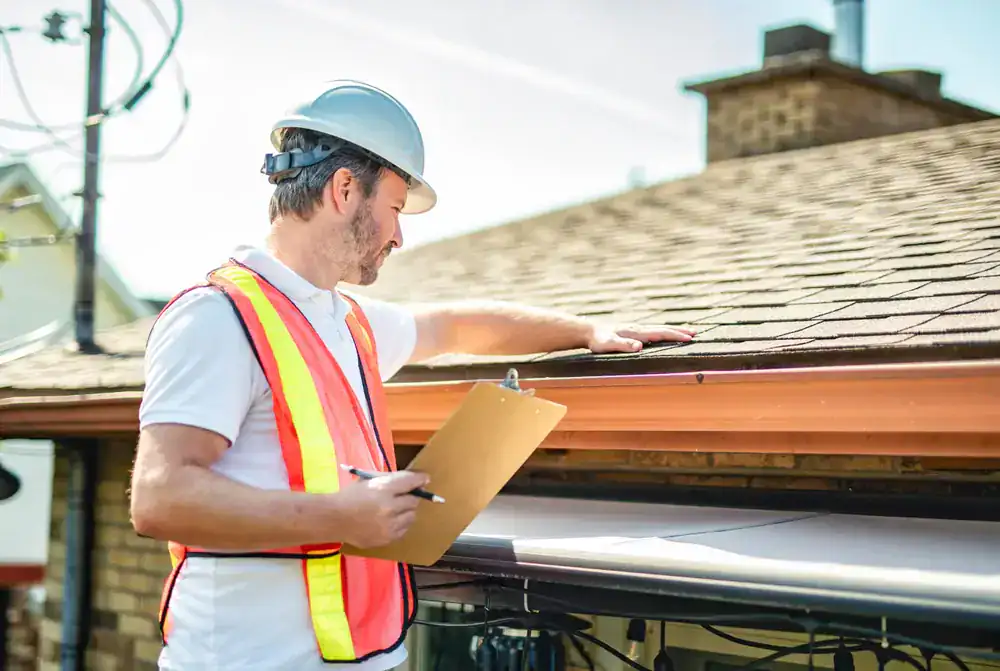
Roof Damage Inspection in Little Ferry
Most roof problems in Little Ferry don’t announce themselves. They build quietly — a flashing gap here, a cracked vent boot there — until one nor’easter or a heavy rain off the Hackensack River turns a minor fix into a major project. A professional roof inspection catches those problems while they’re still small and manageable.
Living this close to the Meadowlands means your roof in Little Ferry is dealing with more than just rain. The humidity off the Hackensack River and Overpeck Creek accelerates material wear in ways that don’t show up on a surface-level glance from the driveway. Chronic moisture exposure softens decking, compromises flashing seals, and quietly rots sheathing from the inside — all before a single interior stain appears on your ceiling.
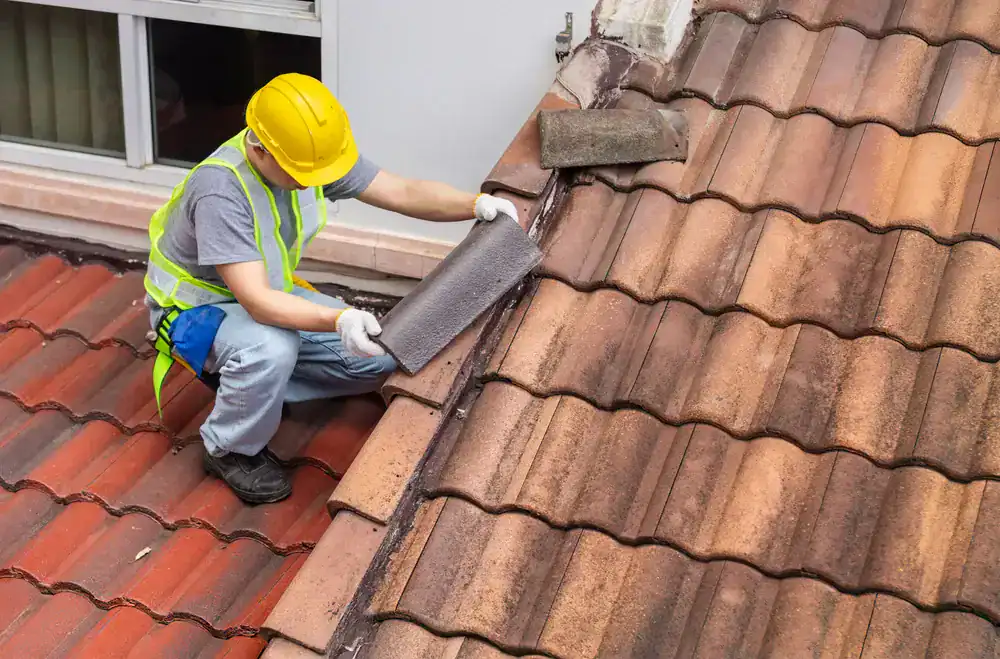
If your roof was repaired or replaced in the years right after Sandy, that work is now well over a decade old. Post-storm repairs don’t always get the same quality of installation as a planned replacement, and Meadowlands weather has had plenty of time to find any weak points. A thorough roof damage inspection in Little Ferry, NJ gives you a clear, documented picture of what’s actually going on up there — so you’re not guessing when the next storm rolls through.
Licensed Roof Inspector in Little Ferry, NJ
We’ve been doing exterior work across Bergen County and Little Ferry for over ten years. Roofing is the core of what we do — not a side service, not an add-on. Inspections, repairs, and full replacements are handled by the same experienced team, and every job carries the same standard regardless of size.
We hold New Jersey’s required Home Improvement Contractor registration and carry certifications from major shingle manufacturers — the kind that let us offer enhanced warranty coverage that most contractors in this market simply can’t. That’s not a small distinction when your home sits in a flood-adjacent borough like Little Ferry, where roofing systems face above-average stress year after year.
The reviews that built this business were earned one honest assessment at a time — not through paid placements or marketing campaigns. If you want to know what working with us looks like, the review history tells that story better than we can.

Roof Inspection Company in Little Ferry, NJ
The inspection starts with a full exterior assessment — shingles, ridge caps, flashing around chimneys and vents, soffit and fascia, and the gutter system where it connects to the roofline. In Little Ferry, we pay particular attention to flashing integrity and low-slope areas where Meadowlands humidity tends to accelerate deterioration. These are the spots that fail first in this environment, and they’re the ones most likely to be missed on a quick visual check.
From there, we move to the attic and interior where accessible. This is where moisture damage, ventilation problems, and decking issues actually show up before they’re visible from outside. A roof that looks fine from the street can have compromised sheathing or saturated insulation that’s been quietly building for months. That interior check is what separates a real inspection from a sales visit.
After the inspection, you get a clear written report with photos — documented findings in plain language, not contractor jargon. If your roof is in good shape, you’ll hear that. If there are issues, you’ll know exactly what they are, where they are, and what your options are. No pressure, no inflated findings, no obligation to move forward with anything. Little Ferry’s Building Department on Liberty Street handles permits for any repair or replacement work that follows — and if that step comes, we walk you through what’s required.
Ready to get started?
Certified Roof Inspector in Little Ferry, NJ
A roof inspection in Little Ferry, NJ covers the full system — not just what’s visible from the ground. That means shingles, flashing, ridge caps, valleys, penetrations, gutters, soffit, fascia, and attic ventilation. For homes in Little Ferry South, where a significant portion of the housing stock dates back to the 1940s through 1960s, the inspection also accounts for age-related vulnerabilities that are common in that era of construction: original decking conditions, older flashing materials, and ventilation setups that weren’t designed for today’s energy standards.
Because Little Ferry participates in FEMA’s Community Rating System and many homeowners carry both homeowner’s insurance and NFIP flood insurance, the written report we provide carries real practical weight. When a storm hits and an adjuster is trying to determine whether damage is wind-related or flood-related, having a pre-existing professional inspection report with photos gives you independent documentation from your side of the table — not theirs.
As a certified roof inspection company in Little Ferry, NJ, we can also assess whether your current roof qualifies for manufacturer-backed warranty coverage. If a replacement is eventually needed, working with a manufacturer-certified contractor means your warranty is protected and potentially extended significantly beyond what an uncertified installer can offer. That’s a concrete benefit for a home that’s going to keep facing Meadowlands weather for the next 20 to 30 years.

How do I know if my Little Ferry home needs a roof inspection now?
The honest answer is that most Little Ferry homeowners don’t find out their roof has a problem until water is already getting in somewhere. By that point, what started as a flashing issue or a few lifted shingles has usually progressed into damaged decking or saturated insulation — and the repair cost reflects that.
The clearest triggers for scheduling an inspection are age and storm history. If your roof is 15 years or older, or if it was repaired or replaced in the years right after Sandy and hasn’t been professionally assessed since, it’s time. Beyond that, if you’ve had a significant wind event, a nor’easter, or any storm that left debris on the roof or caused visible shingle displacement, don’t wait for an interior sign before getting eyes on it. In a borough as flood-adjacent as Little Ferry, moisture problems compound faster than they do in drier, higher-ground communities — and catching them early is always less expensive than catching them late.
What does a roof inspection actually include, and how long does it take?
A thorough roof inspection covers every component of the roofing system — not just the shingles. That includes the flashing around chimneys, vents, and skylights; the ridge cap and valleys; the soffit and fascia; how the gutters connect to the roofline; and the attic interior where accessible. Each of these components tells a different part of the story, and skipping any of them means potentially missing where the real problem is.
In terms of time, most inspections on a standard Little Ferry single-family home or small multi-family property take between 45 minutes and an hour and a half, depending on roof complexity and attic access. After the inspection, you receive a written report with photographs that documents what was found in plain language. If everything looks good, the report reflects that. If there are issues, the report describes exactly what they are and where — giving you something concrete to work with whether you’re planning a repair, filing an insurance claim, or just making an informed decision about your home.
Can a roof inspection help with my homeowner's or flood insurance claim?
Yes — and this is especially relevant for Little Ferry homeowners who carry both homeowner’s insurance and NFIP flood insurance. When a storm causes damage, insurance adjusters often dispute whether the damage is wind and rain-related or flood-related. Those two causes fall under different policies, and the distinction matters significantly for what gets covered and at what amount.
A professional roof inspection report with dated photographs gives you independent documentation of your roof’s pre-storm condition and post-storm findings from a licensed contractor — not from the insurance company’s adjuster. That documentation can support your claim, help clarify the nature and cause of damage, and give you a stronger position in the claims process. Given that Little Ferry participates in FEMA’s Community Rating System and has a history of complex post-storm insurance situations going back to Sandy, having that kind of documented record before and after a weather event is genuinely useful — not just a formality.
Does a roof inspection in Little Ferry, NJ require a permit?
The inspection itself does not require a permit. A licensed roof inspector can assess your roof’s condition without any involvement from Little Ferry’s Building Department. Where permits come into play is if the inspection findings lead to replacement or significant repair work — that work does require a construction permit under the New Jersey State Uniform Building Code, and it needs to be pulled through the borough’s Building Department at 215-217 Liberty Street.
This is worth understanding upfront because some homeowners are surprised when they find out a permit is required for a full replacement. It’s a straightforward process, but it does add a step and a timeline to the project. Any contractor doing replacement work in Little Ferry also needs to be registered as a Home Improvement Contractor with the NJ Division of Consumer Affairs — that registration is a legal requirement statewide, and it’s one of the first things you should verify before allowing anyone to start work on your roof. We carry all required state registrations and handle the permitting process as part of the job.
How long should a roof last in New Jersey's climate, and does Little Ferry's location affect that?
Standard asphalt shingles are typically rated for 25 to 30 years under normal conditions, but “normal conditions” doesn’t quite describe what roofs in Little Ferry deal with. The borough’s position at the Hackensack River and Overpeck Creek confluence in the Meadowlands creates a persistently humid environment that accelerates the wear on roofing materials — particularly flashing seals, adhesive strips, and the caulking around penetrations. Add New Jersey’s freeze-thaw cycling, which stresses those same components repeatedly every winter, and the flat open terrain that gives nor’easters and storm systems an unobstructed path across the Meadowlands, and you’re looking at a roof that works harder than one in a drier, more sheltered location.
Realistically, a Little Ferry roof that was well-installed and properly maintained might reach the upper end of its rated lifespan. One that was installed under rushed post-Sandy conditions, or that hasn’t been inspected in a decade, is more likely to show significant wear well before the 25-year mark. A professional inspection gives you an honest read on where your specific roof is in its lifecycle — not just a generic estimate based on age.
Is the free roof inspection actually free, or does it come with strings attached?
It’s free — no charge, no obligation, no pressure to commit to anything at the end of it. You get a professional assessment of your roof’s condition, a written report with photos, and an honest conversation about what was found. If your roof looks solid, you’ll hear that. If there are issues, you’ll hear what they are and what your realistic options are. What you do after that is entirely your call.
The reason this model works for Little Ferry homeowners specifically is that the biggest barrier to getting a roof checked isn’t skepticism — it’s the assumption that calling a contractor means being pushed toward an expensive replacement. That concern is understandable, especially in a community that dealt with a wave of post-Sandy contractors who had a financial incentive to find damage whether it was there or not. The free inspection removes the financial risk of finding out the truth, and the written report means you have something in hand regardless of what you decide to do next.