
Siding Installation in Little Ferry, NJ
Siding That Holds Up When the Hackensack Doesn't
Hear from Our Customers
Siding Contractors in Little Ferry, NJ
When siding fails in Little Ferry, it rarely just looks bad. Water finds its way in behind the panels, sits against the sheathing, and quietly does damage you won’t see until it’s a much bigger problem. Homes along the Hackensack River corridor deal with ambient humidity levels that accelerate that process faster than most homeowners expect — especially on houses built in the 1950s and 60s, which make up a large portion of the borough’s housing stock.
New siding with a properly installed moisture barrier changes that equation. You’re not just getting a cleaner exterior — you’re getting a wall system that actually keeps water where it belongs: outside. That matters in Little Ferry, where the ground-level flood risk is real and documented, not just a theoretical concern from a weather app.
Beyond moisture protection, updated siding tightens up the thermal envelope on older homes. If your energy bills have been creeping up, deteriorating or improperly installed siding is often part of the reason. Better insulation performance, less air infiltration, and a finished exterior that adds real curb appeal and resale value — that’s what a well-executed siding installation actually delivers here.
Local Siding Company Serving Little Ferry, NJ
We’ve been working on Bergen County homes for close to ten years, with hundreds of exterior projects completed across communities like Little Ferry. That’s not just time — it’s real experience with the specific challenges that come with a borough where aging housing stock and genuine weather exposure make the quality of the work matter more than the sales pitch.
We’re family-operated, which means the people doing the work are the same people accountable for it. There’s no franchise layer, no rotating project managers, and no one disappearing after the deposit clears. When something comes up mid-project — and in older Little Ferry homes, it sometimes does — you get a straight answer and a clear path forward.
As local siding installers who also handle roofing and gutters, we understand how the full exterior system works together. That’s not a minor detail in a borough that sits at the confluence of the Hackensack River and Overpeck Creek. Water management starts at the roof, runs through the siding, and exits through the gutters — and every piece of that system has to be right.

Residential Siding Contractors in Little Ferry, NJ
It starts with a free inspection. For a lot of Little Ferry homeowners, this is where the real picture comes into focus. If your home was built before 1980 — and a significant number here were — there’s a real chance the original siding or any post-Sandy patchwork is hiding moisture damage behind it. The inspection tells you what you’re actually dealing with before any work begins or any money changes hands.
From there, you get a written estimate that breaks down exactly what’s included. Material options, scope of work, timeline — all of it in plain language. If you’re in a designated flood zone, we’re familiar with Little Ferry’s permit requirements under the New Jersey Uniform Construction Code and will handle the permit process so you’re not navigating the borough’s Building Department on your own. Unpermitted siding work creates problems at resale, and it’s not a shortcut worth taking.
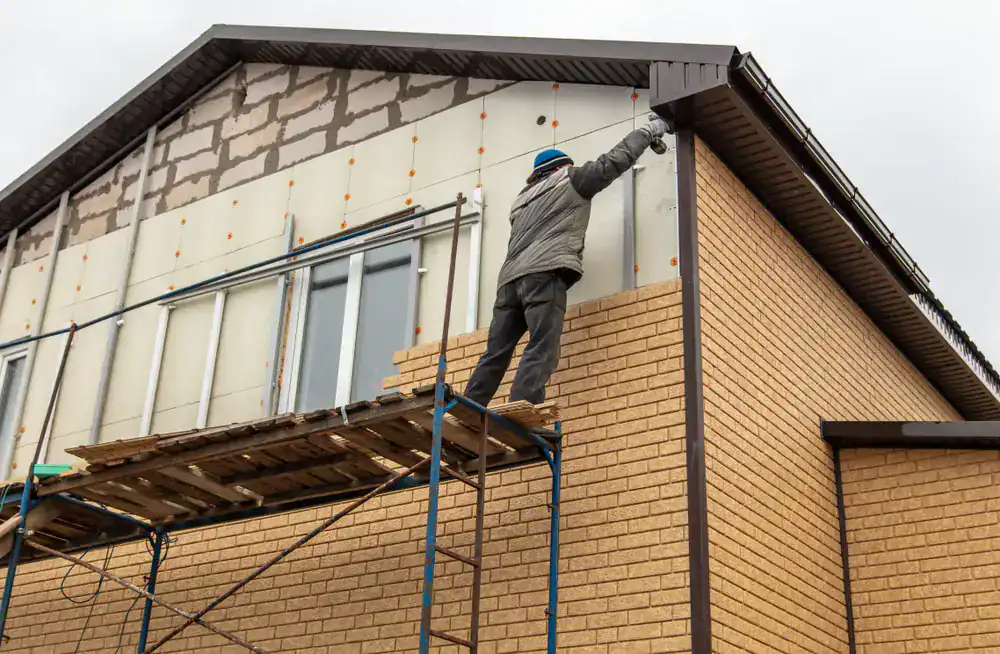
Once the job starts, our crew works through removal of the old siding, inspection and repair of any damaged sheathing underneath, installation of housewrap or moisture barrier, and then the new siding itself — with proper flashing at every window, door, and penetration point. When the job is done, you do a walkthrough together. If something isn’t right, it gets fixed before anyone leaves.

Ready to get started?
Vinyl Siding Contractors in Little Ferry, NJ
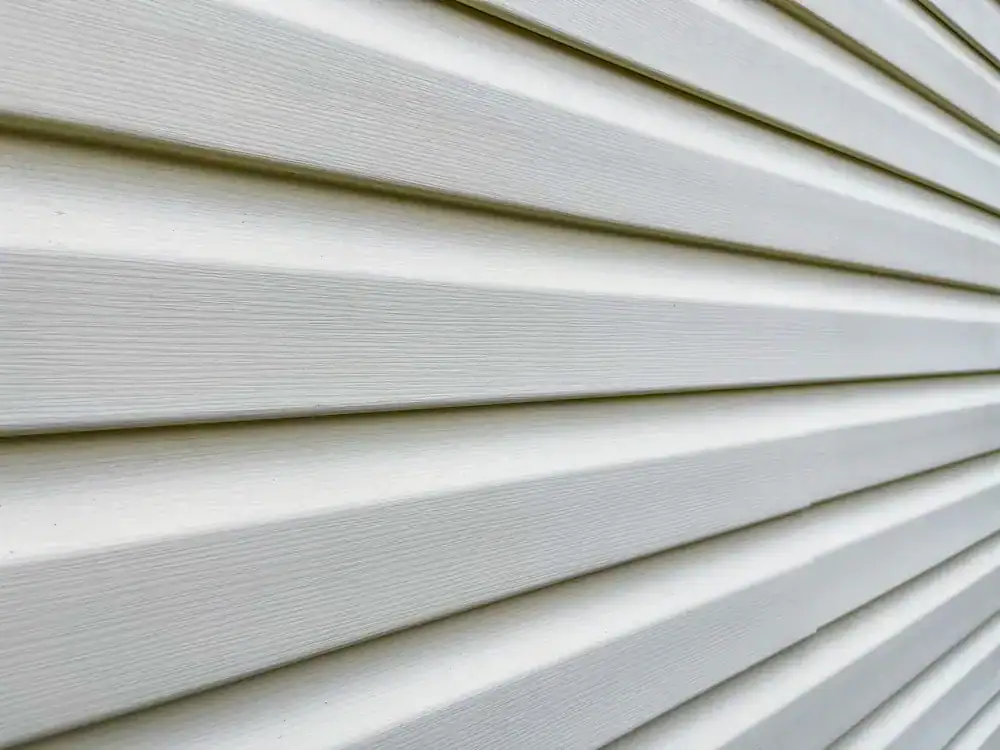
Not every siding material performs the same in Little Ferry’s conditions. Vinyl siding is the most commonly installed option — it’s cost-effective, low-maintenance, and holds up well when installed correctly with the right underlayment. For a borough with this level of moisture exposure, the grade of vinyl and the quality of the installation matter more than the sticker price per square foot.
Fiber cement siding — James Hardie being the most recognized brand — is worth a serious look for Little Ferry homeowners who want maximum durability. It doesn’t rot, it doesn’t warp, and it handles the kind of wet, humid conditions common along the Hackensack River corridor better than most other materials on the market. It also holds paint longer and offers a cleaner finished look on the mid-century homes that define much of the borough’s residential character.
For older homes with minimal wall insulation, insulated vinyl siding adds a layer of thermal performance that can meaningfully reduce heating and cooling costs. Given that Little Ferry’s housing stock skews toward construction from the 1950s through 1970s — before modern insulation standards — this upgrade often pays for itself over time. Whatever direction makes sense for your home and budget, the recommendation you get will be based on your specific situation, not on what’s easiest to install.

Do I need a permit for siding replacement in Little Ferry, NJ?
Yes — siding replacement in Little Ferry requires a construction permit under the New Jersey Uniform Construction Code, which the borough’s Building Department enforces. This applies whether you’re replacing a portion of the siding or doing a full exterior installation. Working without a permit can result in fines and, more practically, complications when you go to sell the home. A buyer’s inspector or attorney will often flag unpermitted exterior work, and resolving it after the fact is more expensive and stressful than doing it right the first time.
If your home is in a designated flood zone — which applies to a meaningful number of properties in Little Ferry given the borough’s position along the Hackensack River and Overpeck Creek — there may be additional zoning considerations depending on the scope of work. We handle the permit process as part of the job, so you’re not navigating the Building Department on your own or guessing at what’s required.
How do I know if my siding needs full replacement or just repairs?
The honest answer is: you often can’t tell from the outside. A panel that looks fine on the surface can be sitting against rotted sheathing or a failed moisture barrier underneath. This is especially common in Little Ferry homes that received surface-level repairs after Hurricane Sandy in 2012 rather than a full exterior assessment. The visible damage got patched, but what was happening behind the wall didn’t always get addressed.
Signs that point toward full replacement rather than repair include widespread cracking or warping across multiple sections, interior moisture staining that tracks back to exterior walls, siding that’s pulling away from the wall, or energy bills that have been climbing without a clear explanation. A free inspection is the most reliable way to get a straight answer — it tells you what’s actually going on behind the panels before you commit to anything.
What siding material works best for homes near the Hackensack River?
For homes in moisture-heavy environments like Little Ferry — where proximity to the Hackensack River and Overpeck Creek means elevated ambient humidity year-round — fiber cement siding is generally the strongest performer. It doesn’t absorb water, it won’t rot or warp the way wood does, and it holds up through the freeze-thaw cycling that New Jersey winters deliver every year. James Hardie is the most widely specified brand, and their products carry long manufacturer warranties when installed by a certified contractor.
Vinyl siding is also a solid option when the right grade is used and installation is done correctly — meaning proper housewrap, correct fastening that accounts for thermal expansion, and flashing at every penetration point. Where vinyl tends to fall short in this area is when it’s installed over an inadequate moisture barrier or when cheaper grades are used that don’t handle temperature swings well. The material choice matters, but the installation quality matters just as much.
How much does siding installation cost in Little Ferry, NJ?
For a typical single-family home in Little Ferry, vinyl siding installation generally runs somewhere in the range of $8,000 to $15,000 depending on the size of the home, the grade of material, and what’s found underneath the existing siding during removal. Fiber cement siding typically runs higher — often $14,000 to $22,000 or more for a full installation — because the material itself costs more and requires additional labor for proper installation.
Those ranges can shift based on factors specific to older Little Ferry homes: damaged sheathing that needs replacement, additional flashing work around windows and penetrations, or the need to bring the moisture barrier up to current standards. That’s why a written estimate after a proper inspection is the only number worth trusting. Any contractor who quotes you a firm price over the phone without seeing the home is guessing — and those guesses tend to expand once the job starts.
How long does a siding installation take on a Little Ferry home?
Most single-family homes in Little Ferry can be sided in three to five days of active work, assuming the crew isn’t dealing with significant sheathing damage or other issues discovered during removal. Two-family homes or larger properties take longer. Weather is always a factor in the Northeast — rain delays happen, and responsible contractors account for that in the schedule rather than rushing through wet conditions that compromise the installation.
Scheduling lead times from quality contractors in Bergen County typically run four to eight weeks during peak season, which runs from early spring through late fall. If you’re trying to get siding done before winter — a smart move given how freeze-thaw cycles stress aging exterior cladding — reaching out in late summer gives you the best chance of landing a fall installation slot. Waiting until October to start the conversation often means pushing into the following spring.
How do I verify a siding contractor is properly licensed in New Jersey?
New Jersey requires all home improvement contractors to be registered with the NJ Division of Consumer Affairs under the Home Improvement Contractor law. You can verify any contractor’s registration status directly through the Division’s online license lookup tool at njconsumeraffairs.gov — it takes about two minutes and tells you whether the registration is current and in good standing. This isn’t a formality. Hiring an unregistered contractor in Little Ferry means you have no legal recourse under the NJ Consumer Fraud Act if the work fails or the contractor disappears.
Beyond state registration, ask for proof of general liability insurance and workers’ compensation coverage before anyone starts work on your property. In a borough this compact — where homes sit close together and a crew working on your exterior is often within feet of a neighboring property — liability coverage matters. A reputable contractor provides both without hesitation. If someone pushes back on that request, that’s your answer.