
Siding Installation in Northvale, NJ
Northvale Homes Built Tough Deserve Siding That Lasts
Hear from Our Customers
Siding Contractors in Northvale, NJ
When siding fails in Northvale, it rarely announces itself loudly. It starts with a cracked panel after a hard freeze, a soft spot behind the corner trim, or dark staining on a north-facing wall that you keep meaning to look into. By the time it’s obvious, the damage behind the surface has usually been building for years. Proper siding installation stops that cycle before it starts.
Northvale’s housing stock skews old — the median construction year here is 1968, and a meaningful chunk of the borough’s homes predate that by decades. That means a lot of original or early-replacement siding that has been through fifty-plus Bergen County winters. The freeze-thaw cycles that define this region are relentless: water finds micro-cracks, freezes, expands, and widens them. Siding that was installed without proper housewrap, correct fastening, or adequate flashing at every penetration doesn’t just look bad — it lets moisture into your walls.
New siding installed correctly means your exterior actually functions the way it’s supposed to. It keeps wind-driven rain out during nor’easters. It holds up through the humidity of a Bergen County summer without warping or growing mold behind the panels. On a Northvale home worth $600,000 to $900,000 in this market, it protects an investment that took years to build.
Local Siding Company Serving Northvale, NJ
We’ve been working on exterior renovations across Bergen County for close to ten years, with deep roots in the Northern Valley — Northvale, Norwood, Old Tappan, Harrington Park — the kind of tight-knit communities where one bad job follows you, and one great job gets you the next three calls on the same street.
Our focus has always been exterior work: roofing, gutters, siding, and the full building envelope. That matters because a company that installs roofs for a living understands moisture management, flashing, and weatherproofing at a level that a siding-only shop often doesn’t. When your siding contractor also knows what happens to your wall assembly when water gets behind the panels, you get an installation that’s thought through — not just cosmetically finished.
Every project comes with a written estimate, no surprise charges, and a free inspection upfront so you know exactly what you’re working with before anything is decided.

Residential Siding Contractors in Northvale, NJ
It starts with a free inspection. We come out, look at your current siding, check for moisture damage or compromised areas behind the surface, and give you a straight read on what’s actually going on. No pressure, no upsell. If your siding is fine, we’ll tell you. If it’s not, you’ll know exactly why and what it would take to fix it.
From there, you get a written estimate that covers the full scope — materials, labor, removal, and any permit requirements through Northvale’s Building Department on Paris Avenue. Permits are required for this type of work in the borough, and we handle that step as part of the process, not hand it off to you to figure out. For homes in Northvale’s older neighborhoods where the wall assembly may have surprises underneath, the inspection phase is where those get identified — before they become mid-project change orders.
Installation is scheduled around your timeline. We work efficiently and communicate clearly about what’s happening and when. When the job is done, there’s a final walkthrough to make sure everything looks right and performs the way it should before anyone signs off.

Ready to get started?
Vinyl Siding Contractors in Northvale, NJ
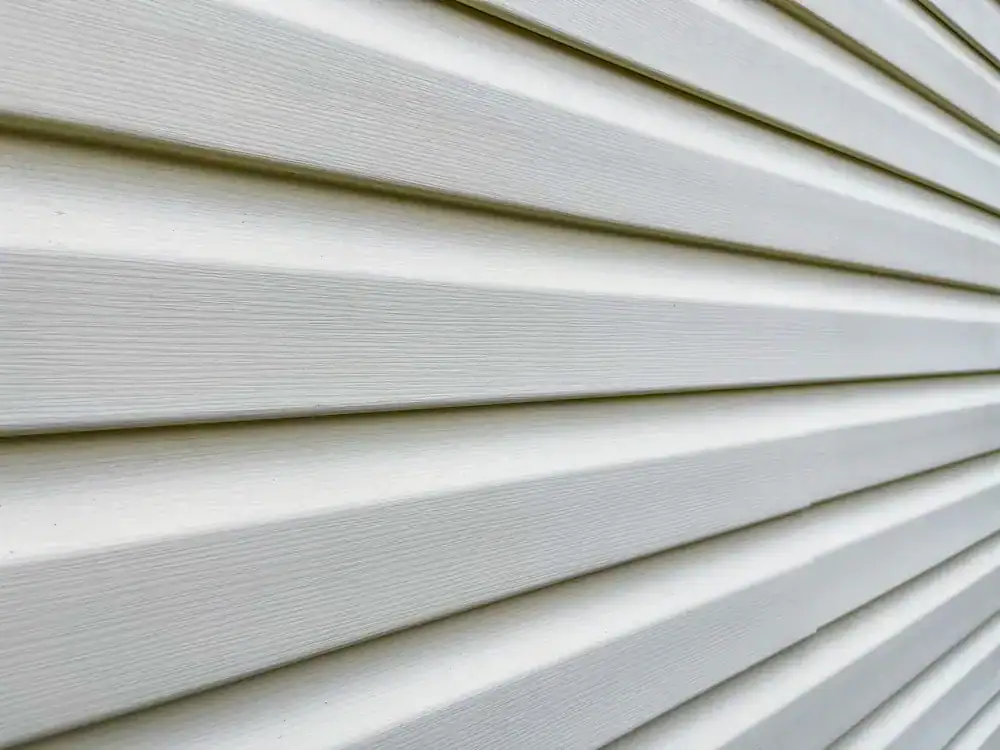
Not every home needs the same siding, and not every siding material performs the same way in Bergen County’s climate. Vinyl siding is the most common choice here — it handles freeze-thaw cycles well, requires minimal maintenance, and holds up against the wind-driven rain that nor’easters push into the Northern Valley every fall and winter. For homes where durability and long-term performance are the priority, fiber cement is worth the conversation — it’s denser, more impact-resistant, and handles moisture better than vinyl in certain conditions, particularly on older Northvale homes where the wall assembly may already have some history.
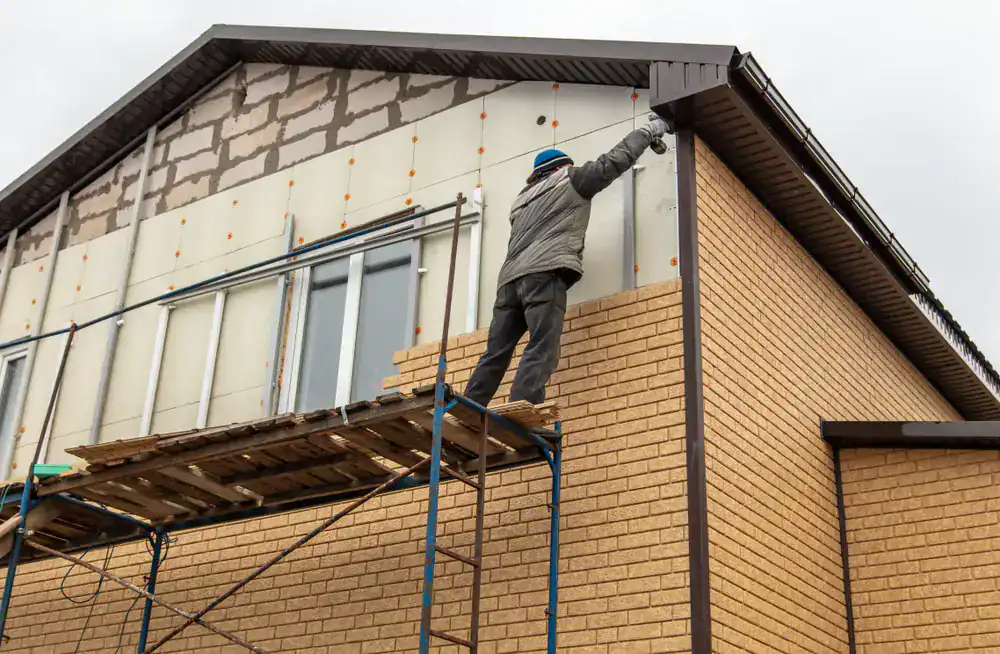
What goes behind the siding matters just as much as what goes on it. Proper housewrap, correct fastening that accounts for thermal expansion, and tight flashing around every window, door, and penetration are what separate an installation that holds up for thirty years from one that starts failing in ten. On Northvale homes built in the 1960s and 1970s, we assess the substrate condition before anything is installed — because covering up a problem doesn’t solve it.
Every siding installation we do includes full removal of the old material, substrate inspection, housewrap installation, and a clean site when the crew leaves. The work is backed by manufacturer warranties and installed by a licensed, insured contractor registered with the NJ Division of Consumer Affairs — which means you have real legal protection, not just a handshake.

Do I need a permit for siding replacement in Northvale, NJ?
Yes — siding replacement in Northvale requires a permit through the borough’s Building Department, located at 116 Paris Avenue. This is standard for exterior construction work in New Jersey, and it’s not something to skip. A permit ensures the work is inspected and meets current building code, which protects you if you ever sell the home or file an insurance claim related to the exterior.
The permit process is handled as part of the project — you don’t need to navigate the Building Department on your own. What’s worth knowing is that Northvale’s construction code chapter establishes specific fee schedules and procedural requirements, and the contractor you hire must hold a valid NJ Home Improvement Contractor (HIC) registration to pull permits legally. Working with an unregistered contractor in New Jersey is a violation of the Consumer Fraud Act and can leave you with no recourse if something goes wrong.
How long does vinyl siding actually last on a Bergen County home?
Quality vinyl siding, properly installed, typically lasts 30 to 40 years. The operative word is “properly.” In Bergen County’s climate — with its hard winters, freeze-thaw cycles, humid summers, and nor’easters that drive rain horizontally into exterior walls — installation quality is what determines whether you’re at the high end or low end of that range.
Vinyl that was installed without adequate housewrap, with fasteners driven too tight to allow for thermal expansion, or without proper flashing at windows and trim will start showing problems well before the 20-year mark. On the other hand, a correctly installed system on a Northvale home can realistically outlast two or three roof replacements. The material itself is durable — what fails is usually the installation, not the product.
What are the signs that my Northvale home's siding needs to be replaced?
The most obvious signs are visible: cracked or broken panels, warping, fading that’s gone past cosmetic, or sections that have pulled away from the wall. But the ones that matter more are the ones you might not see right away — soft spots when you press on the siding, dark staining or mold growth on north-facing walls, peeling interior paint near exterior walls, or a noticeable increase in heating and cooling costs.
In Northvale, where the median home was built in 1968, a lot of the siding that’s still on houses was installed in the 1980s or early 1990s during the first major wave of vinyl adoption. That puts it at 35 to 40 years old — at or past the end of its functional life. If your home is in that range and you haven’t had the exterior assessed recently, a free inspection is the right first step. You may have more time than you think, or you may find that the damage behind the surface has already started.
What's the difference between vinyl siding and fiber cement for a home in this area?
Both materials work well in the Northeast, but they perform differently and suit different situations. Vinyl is lighter, easier to install, and lower maintenance — it doesn’t need painting, and it handles Bergen County’s freeze-thaw cycles without cracking when it’s installed correctly. It’s the most common choice for residential siding installation in Northvale and the surrounding Northern Valley communities, and for most homes it’s the right call.
Fiber cement — James Hardie is the most widely used brand — is denser, heavier, and more resistant to impact and moisture penetration. It can be painted any color, it holds up exceptionally well against wind-driven rain, and it tends to be the better choice on older homes where the wall assembly has some history or where the homeowner wants a material that will last 50 years with minimal issues. The tradeoff is cost: fiber cement typically runs higher than vinyl, both in materials and labor. The right answer depends on your home’s specific condition, your budget, and how long you plan to stay.
How much does siding installation cost in Northvale, NJ?
For a typical single-family home in Northvale, vinyl siding installation generally runs between $8,000 and $15,000 depending on the size of the home, the condition of the existing substrate, and the specific product selected. Fiber cement installation runs higher — typically $15,000 to $25,000 or more for a full replacement on a mid-sized home — reflecting the higher material cost and additional labor involved.
What drives cost up beyond the baseline is what’s found underneath. On homes built in the 1960s and 1970s, it’s not uncommon to find moisture damage, deteriorated sheathing, or old insulation board that needs to be addressed before new siding goes on. That’s why the inspection phase matters — it’s how you avoid a written estimate that changes significantly once the crew starts pulling panels. A detailed written estimate after a thorough inspection is the only way to get a number you can actually plan around.
Why should I hire a roofing company for siding installation in Northvale?
It’s a fair question. The short answer is that siding and roofing are part of the same system — the building envelope — and a contractor who works on both understands how they interact in ways that a siding-only installer often doesn’t. Flashing, moisture barriers, wall drainage planes, and the connection points between your roof edge and your siding are all areas where the two systems meet, and where installation errors create the most expensive problems.
In Northvale’s older housing stock — homes built before the energy codes and moisture management standards that came into effect in the 1990s and 2000s — that systems-level thinking matters more than it does on a newer build. A contractor who has spent a decade managing exterior renovations across Bergen County has seen what happens when these systems aren’t coordinated, and installs with that in mind. The result is an exterior that performs as a whole, not just a wall that looks good on the day the crew leaves.