
Roof Inspection in Northvale, NJ
Northvale Roofs Take a Beating — Here's What's Actually Up There
Hear from Our Customers
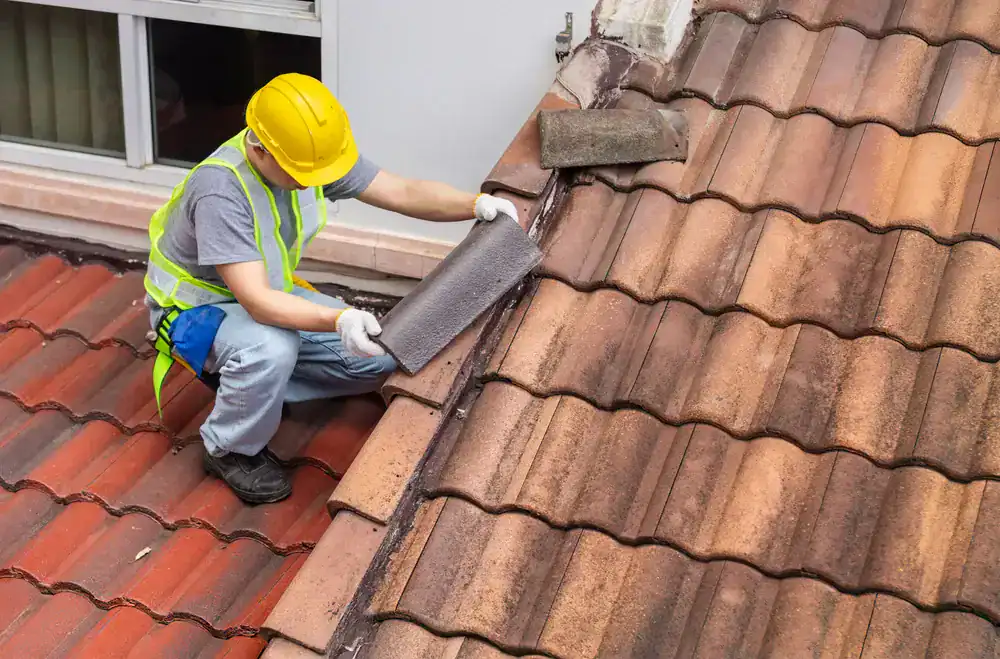
Roof Damage Inspection in Northvale
Most roof problems in Northvale don’t start with a dramatic storm. They start with a winter that crossed the freezing mark forty times, loosened a few shingles, and let moisture find its way in — slowly, quietly, until it shows up as a stain on your ceiling or a spike in your heating bill. By then, what could have been a minor repair has turned into something bigger.
A professional roof inspection gives you the full picture before that happens. You find out exactly where your roof stands — what’s holding up, what’s borderline, and what needs attention now. For homeowners in Northvale with post-war homes that have been through decades of nor’easters and freeze-thaw cycles, that information is genuinely valuable. It’s the difference between budgeting for a repair and getting blindsided by a replacement.
If you’re getting ready to sell, it matters even more. Northvale requires a Certificate of Continued Occupancy before any home sale can close, and roof condition is part of that process. Knowing what’s up there before the borough’s building department does puts you in control of the timeline — not scrambling at the last minute to fix something that was always fixable.
Licensed Roof Inspector in Northvale, NJ
We’ve been working on roofs across Bergen County for over ten years, with deep roots in Northvale and the surrounding communities. Our business runs on reviews and referrals — not paid leads or advertising — which means every inspection and every job is a direct reflection of our reputation in Northvale. When you don’t have a marketing budget to fall back on, you don’t get to cut corners.
We hold contractor licenses and certifications from major shingle manufacturers — credentials that only a small percentage of roofing contractors in the country carry. That matters for you because certified contractors can offer manufacturer-backed extended warranties that uncertified operators simply can’t. On a home worth $500,000 to close to $1 million in northern Bergen County, that kind of protection isn’t a minor detail.
Our approach is straightforward: if your roof is fine, you’ll hear that. If it needs work, you’ll hear exactly what and why. No pressure, no manufactured urgency.

Roof Inspection Company in Northvale, NJ
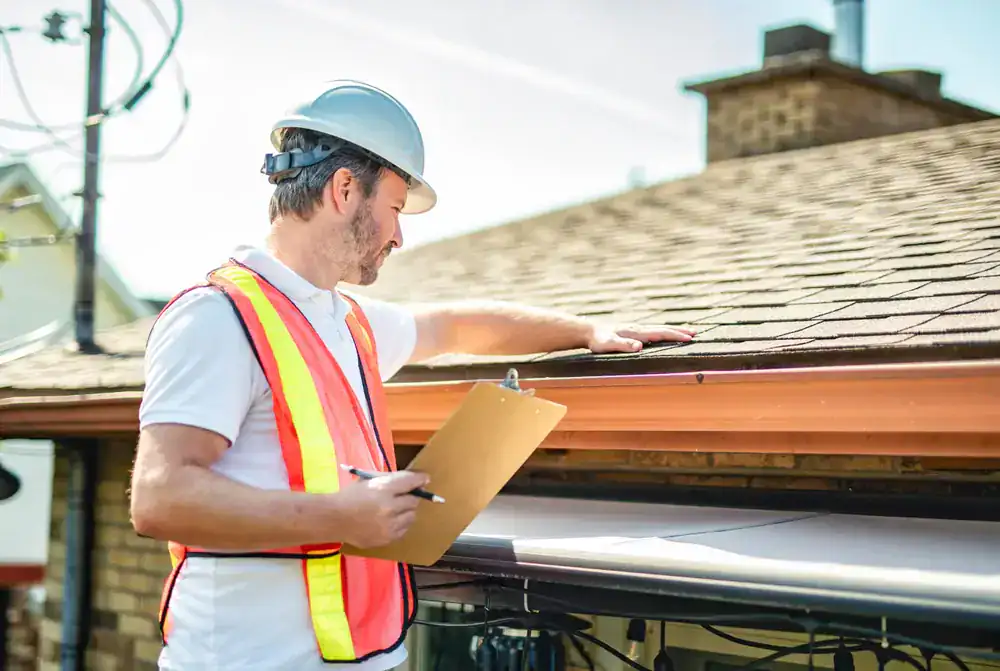
It starts with a free inspection — no fee to get on the schedule, no obligation after. When we arrive, we’re not doing a quick visual from the driveway. We get on the roof and go through it systematically: shingle condition, flashing at every penetration point, ridge caps, valleys, gutters, fascia, and any areas where water has a path in. In Northvale’s older housing stock, that often means paying close attention to the eaves where ice dams form, and around chimneys and dormers where flashing tends to fail first after years of thermal movement.
After the inspection, you get a clear breakdown of what was found. If there’s damage, it’s documented — with photos — in a format that holds up if you’re filing an insurance claim or navigating Northvale’s Certificate of Continued Occupancy process before a sale. If a repair or replacement is needed, you get a straightforward estimate. If everything looks good, you hear that too.
For any roofing work that follows, we handle the permit process through Northvale’s building department at 116 Paris Avenue. You don’t have to track that down or figure it out yourself — it’s part of how a licensed contractor operates, and it protects you at resale.
Ready to get started?
Certified Roof Inspector Serving Northvale, NJ
A roof inspection from us covers the full exterior system — not just the shingles. Bergen County storms rarely stop at one point of failure. A nor’easter that lifts a few shingles on the ridge often also pushes water behind the siding at the wall-roof junction and knocks gutters out of alignment at the fascia. Because we also handle gutters and siding, one inspection gives you a complete picture of your home’s exterior condition. You’re not coordinating three separate contractors to find out what one storm did.
The roof leak inspection piece is especially important in Northvale, where a significant portion of the housing stock dates back to the post-war era. Older homes have had multiple layers of repairs over the decades, and problems don’t always show up in obvious places. We look at the full drainage path — how water moves across your roof, where it slows down, and where it’s most likely to find a gap.
If you’ve had a tarp placed on your roof after storm damage, there’s something specific you should know: Northvale’s Property Maintenance Code limits temporary roof coverings to 90 days. That clock starts the day the tarp goes up. A professional roof damage inspection in Northvale gives you the documentation you need to move forward with a permanent fix before that deadline becomes its own problem.

Does a roof replacement require a permit in Northvale, NJ?
Yes — in Northvale, most roof replacements and full tear-offs require a building permit under New Jersey’s Uniform Construction Code. The borough’s enforcing agency is located at 116 Paris Avenue, and any licensed contractor doing the work should be pulling that permit as a standard part of the job. It’s not optional, and it’s not just paperwork.
The permit process means your roof replacement gets inspected by the borough’s construction official before it’s signed off. That inspection protects you — it confirms the work was done to code, which matters when you go to sell the home and need a Certificate of Continued Occupancy. If you hire an unlicensed operator who skips the permit, you inherit that liability. It can surface as a code violation during a sale and delay or derail your closing. Working with a licensed contractor who handles the permit process is the straightforward way to avoid that situation entirely.
How long can a tarp legally stay on a roof in Northvale, NJ?
Under Northvale Borough’s Property Maintenance Code, a temporary tarp or emergency roof covering cannot remain in place for more than 90 days without written permission from the Borough Building Inspector or Code Enforcement Official. That 90-day window starts from the day the tarp goes up — not from when you get around to scheduling a contractor.
This matters more than most homeowners in Northvale realize. After a significant nor’easter or summer storm, it’s easy to put a tarp up, feel like the immediate problem is handled, and let the follow-up drift. But the clock is running regardless. If the tarp is still there at day 91, you’re now dealing with a code violation on top of the original roof damage. A roof damage inspection in Northvale gives you the documented assessment and the clear path to a permanent repair — so you’re not managing two problems where you started with one.
What does a roof inspection actually look for on an older Bergen County home?
On older homes — and a meaningful portion of Northvale’s housing stock dates back to the 1940s through 1960s — an inspection goes well beyond checking whether shingles are missing. The focus is on the full system: flashing condition at every penetration point (chimneys, vents, skylights, wall-roof junctions), the state of the ridge caps and valleys where water concentrates, gutter attachment and drainage alignment, and the eaves where ice dams form during Bergen County’s freeze-thaw cycles.
Post-war homes have often had multiple repair cycles over the decades, and problems can be layered. What looks like a minor surface issue sometimes sits on top of older damage that was patched rather than fixed. A thorough roof inspection documents what’s actually there — not just what’s visible at a glance — so you have an accurate picture of what the roof needs now versus what can wait. That’s a useful thing to know whether you’re planning to stay in the home for another twenty years or thinking about listing it.
Will a roof inspection in Northvale help with an insurance claim?
It can make a significant difference. Insurance adjusters work for the insurance company, and their job is to document covered damage under the terms of your policy — not to make sure you receive the full recovery you’re entitled to. Having an independent roof inspection from a licensed, certified contractor gives you your own documented record of findings, including photos, before or alongside the adjuster’s visit.
In Bergen County, storm-related roof claims spike after major nor’easters and summer thunderstorms with high winds. The documentation we produce during a professional roof damage inspection in Northvale — shingle-by-shingle condition notes, flashing assessment, photos of every area of concern — gives you something concrete to reference if the adjuster’s findings don’t match what’s actually on your roof. It also helps establish the timeline of damage, which matters in claims disputes. If you’ve had a significant weather event and you’re not sure whether to file, getting an inspection first gives you the information you need to make that call.
How do I know if my roof was damaged after a storm in Northvale?
The honest answer is that you often can’t tell from the ground — and that’s exactly why professional roof inspections exist. Some storm damage is obvious: missing shingles, visible debris impact, water coming through the ceiling. But a lot of damage from nor’easters and high-wind summer storms in northern Bergen County is subtle. Shingles can be cracked or have their granule layer knocked loose without looking noticeably different from the street. Flashing can be lifted or resealed by the wind in a way that leaves it compromised but not visibly missing.
After any significant weather event — a nor’easter, a summer thunderstorm with sustained winds, a heavy ice storm — it’s worth getting a professional set of eyes on the roof before assuming everything is fine. The cost of a missed inspection is always higher than the inspection itself. Our free roof inspection in Northvale means there’s no financial barrier to getting that answer. You find out what actually happened, documented, with photos — and then you decide what to do with that information.
Do I need a roof inspection before selling my home in Northvale, NJ?
You don’t legally need one before listing — but getting one before you list is almost always the smarter move. Northvale requires a Certificate of Continued Occupancy before any home sale can close, and the borough’s building department must issue it at least 20 days before closing. Roof condition is among the factors that can affect that certificate. If an issue surfaces during the borough’s process, you’re now dealing with it under time pressure, with a buyer waiting and a closing date on the calendar.
A pre-listing roof inspection in Northvale puts you ahead of that scenario. You find out what’s there on your own timeline — when you can address it properly, get competitive estimates, and make the repair without the urgency that comes with a transaction in progress. Buyers and their inspectors will look at the roof anyway. Knowing what they’re going to find before they find it is simply better positioning. It also gives you the option to price the home accurately or make repairs that support the asking price, rather than negotiating under pressure after the fact.