
Roofer in Cragmere Park, NJ
Cragmere Park Homes Deserve More Than a Patch Job
Hear from Our Customers
Roofing Company Cragmere Park NJ
When your roof is in real shape, you stop second-guessing every heavy snowfall. You stop wondering if that water stain on the ceiling got worse after the last nor’easter. You stop putting off the conversation because you’re not sure what you’re dealing with. That’s what a properly installed, properly warranted roof actually gives you — not just protection, but peace of mind you can feel.
Cragmere Park sits in the northernmost stretch of Bergen County, and the winters here hit harder than most of the county gets. Western Bergen consistently sees heavier snow accumulation and more severe freeze-thaw cycles than areas closer to the coast. That repeated cycle — water getting into small gaps, freezing, expanding, and widening those gaps — is one of the most common reasons roofs in this neighborhood fail before their time. A roof installed with the right materials, the right ice and water shield placement, and proper attic ventilation doesn’t just look good. It holds up to conditions that will expose every shortcut a less experienced contractor left behind.
For homeowners in Cragmere Park — where properties regularly sell above $650,000 and some homes in the historic section have changed hands above $1.2 million — the roof isn’t just a maintenance item. It’s a major factor in your home’s value, your buyer’s inspection report, and your ability to transfer a real warranty to the next owner. Getting this right matters in ways that go well beyond the job itself.
Local Roofing Company Cragmere Park NJ
We’re a family-owned exterior renovation company based in northern New Jersey, holding NJ Home Improvement Contractor License #13VH10605800 — verifiable through the NJ Division of Consumer Affairs in seconds. That’s not a detail buried in the fine print. It’s the baseline of what it means to hire someone you can actually hold accountable.
We’ve spent over a decade working on homes across Bergen County, including the older and higher-value residential stock that defines neighborhoods like Cragmere Park. Our certifications with major shingle manufacturers aren’t honorary — they unlock enhanced warranty tiers that uncertified contractors simply cannot offer their customers. That’s a real, transferable difference for a homeowner in a neighborhood where resale value and long-term protection both matter.
You get free estimates, free inspections, upfront pricing with no hidden fees, and a team that treats your home with the same care we’d give our own. No disappearing acts after the check clears.
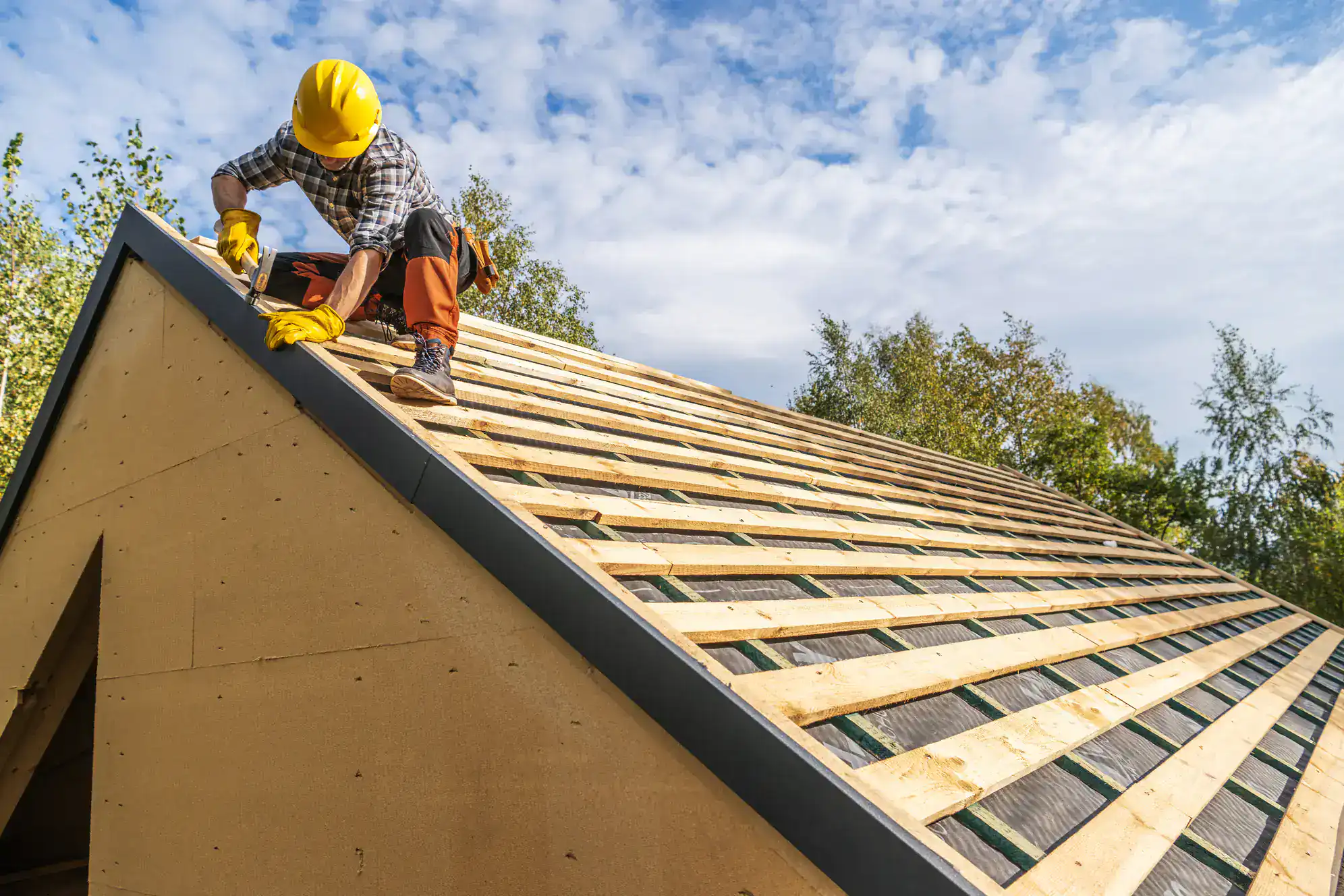
Roof Repair and Replacement Cragmere Park NJ
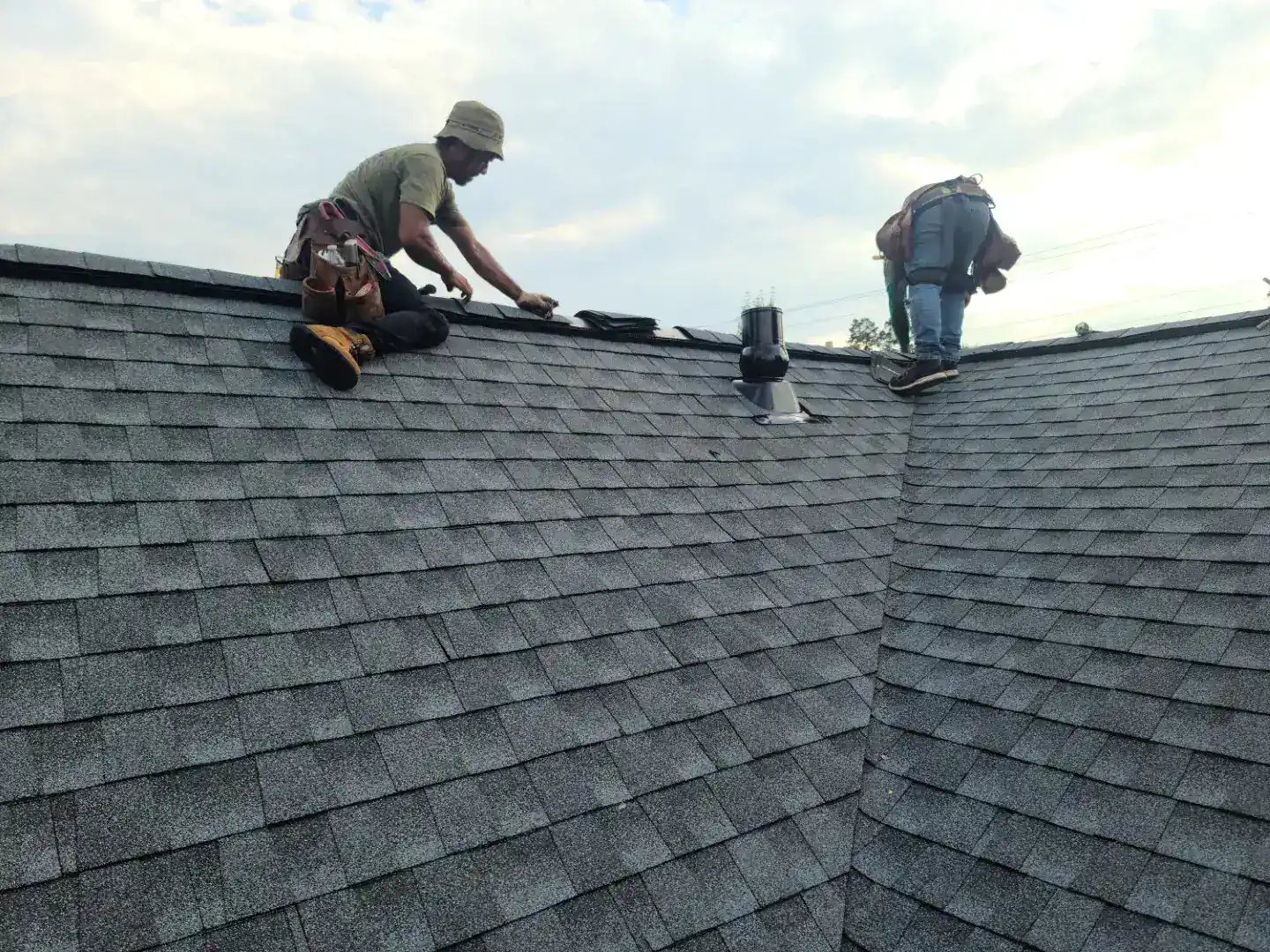
It starts with a free inspection. A trained eye goes over your roof’s exterior, checks the attic for signs of ventilation issues or moisture intrusion, reviews your drainage and gutter attachment points, and documents everything with photos. You walk away with a real report — something you can use for insurance purposes, pre-sale disclosure, or simply understanding what you’re working with. No obligation to do anything after that.
If work makes sense, you get a detailed, itemized estimate before anything is scheduled. The price you approve is the price you pay. For full replacements in Mahwah Township, that process includes pulling the required permit under the NJ Uniform Construction Code — something every legitimate contractor operating here should be doing. Skipping that step creates liability for you as the homeowner, especially in an active resale market where buyers and their attorneys look for exactly that kind of gap.
Once work begins, our crew shows up on time, works cleanly, and does a full post-job cleanup before leaving — no nails in the lawn, no leftover materials in the driveway. A final walkthrough happens before the job is considered done. If something needs attention afterward, the phone gets answered.
Ready to get started?
Affordable Roofers Cragmere Park NJ
The roofing work we cover ranges from full replacement to targeted repair, flat roofing systems, TPO, EPDM, emergency response, and routine maintenance. For Cragmere Park specifically — a neighborhood with a bimodal housing stock that includes pre-1940 historic homes alongside construction from the 1970s through 1990s — the scope of what a roof might need varies widely. Some of these homes are on their second or third roof generation. Others are approaching the 25 to 30 year mark on standard asphalt shingles and showing the early signs: granule loss, curling edges, compromised flashing around chimneys or dormers.
Gutter and siding services are also available, which matters more than it sounds. In a neighborhood where ice dam formation is a real seasonal risk, clogged or damaged gutters directly accelerate roof-edge damage by preventing proper drainage and contributing to the freeze-thaw backup that pushes water under shingles. Addressing those systems together — rather than treating them as separate problems for separate contractors — usually surfaces issues that a roofing-only scope would miss.
For homeowners dealing with storm damage, the inspection report we produce is built to support an insurance claim, not just inform a repair quote. That documentation piece is something most contractors don’t think about, and it can make a meaningful difference in whether a claim moves forward or stalls.
Do I need a permit to replace my roof in Cragmere Park, NJ?
Yes. Full roof replacements in Mahwah Township require a permit under the New Jersey Uniform Construction Code, which the township’s Building Department is responsible for enforcing. This applies to any work that goes beyond what the state defines as ordinary maintenance — and a full replacement clearly qualifies. Some contractors skip this step to move faster or keep costs down on their end, but that shortcut creates real liability for you as the homeowner.
If you sell your home — and in Cragmere Park’s active resale market, that’s a realistic scenario — a buyer’s inspector or attorney can flag unpermitted roofing work during due diligence. That can delay or derail a closing, or force you to remediate the issue at your own expense. A licensed contractor who pulls the required permit isn’t doing you a favor — they’re doing the job correctly. That’s the baseline expectation, and it’s one we meet on every replacement project in the township.
How do I know if my roof actually needs to be replaced or just repaired?
The honest answer is that it depends on a few things you can’t fully assess from the ground — the age of the system, what’s happening at the underlayment level, the condition of the flashing, and whether there’s any moisture that’s already made it past the surface. A roof that looks okay from the street can have real problems at the eaves, around chimney penetrations, or in the attic that only show up on a proper inspection.
For homes in Cragmere Park, age is a major factor. If your home was built between the 1970s and 1990s and the roof hasn’t been replaced, you’re likely at or near the end of a standard asphalt shingle lifespan. Pre-1940 homes in the historic section of the neighborhood may have had multiple roof generations, and the details of each prior installation matter. A free inspection gives you a clear, photo-documented picture of what’s actually going on — so the decision about repair versus replacement is based on real information, not a guess or a sales pitch.
What does a nor'easter actually do to a roof, and how do I spot the damage?
Nor’easters hit western Bergen County hard — often harder than the rest of the county — and they stress roofing systems in a few specific ways. High winds can lift shingles, dislodge ridge caps, and break the seal strips that keep shingles lying flat. Driving rain at wind speed finds every gap in flashing, every compromised sealant joint, and every lifted edge. Heavy snow accumulation adds weight load, and the freeze-thaw cycle that follows is where a lot of the hidden damage happens.
Ice dams are the most common post-nor’easter problem in this area. They form when heat escaping from a poorly insulated attic melts snow on the upper portion of the roof. That water runs down and refreezes at the cold eave overhang, building up a dam that forces water back up under the shingles. By the time you see a water stain on an interior ceiling or wall, the moisture has already been sitting in your insulation and framing for a while. After any significant storm event, a roof inspection — especially one that includes an attic check — is the only way to know what actually happened up there.
How much does a roof replacement cost for a home in Cragmere Park?
There’s no single number that applies to every home, but for a standard residential roof replacement in northern New Jersey using quality asphalt shingles, most homeowners are looking at a range that reflects the size of the roof, the pitch, the number of penetrations like chimneys and skylights, and whether any decking needs to be replaced underneath. In Bergen County’s current market, that typically runs somewhere between $10,000 and $20,000 for most single-family homes, with larger or more complex roofs going higher.
What affects the final number more than anything is the material tier and the warranty structure attached to it. A manufacturer-certified installation using a premium shingle system with an enhanced warranty is going to cost more upfront than a basic replacement with a standard contractor warranty — but the long-term math is different. For a home in Cragmere Park worth $650,000 or more, the transferable warranty value at resale and the reduced likelihood of premature failure make the investment worth understanding clearly. We provide a detailed, itemized estimate before any work is scheduled, so you know exactly what you’re paying for and why.
What should I look for when hiring a local roofer in Cragmere Park, NJ?
Start with the basics that are easy to verify. New Jersey requires home improvement contractors to be licensed, and you can look up any contractor’s license status through the NJ Division of Consumer Affairs website. Our license number is #13VH10605800 — look it up. Beyond the license, check whether the contractor carries liability insurance and workers’ compensation coverage. If someone gets hurt on your roof and the contractor isn’t properly insured, the liability can fall on you as the property owner.
After that, look at manufacturer certifications. A contractor certified by a major shingle manufacturer has met installation standards that allow them to offer enhanced warranty coverage — coverage that a non-certified contractor cannot provide regardless of how long they’ve been in business. For a high-value home in a neighborhood like Cragmere Park, that warranty difference is meaningful. Finally, check reviews across multiple platforms — not just the ones featured on a contractor’s own website. A consistent review history on Google and third-party platforms tells you more about how a company actually operates than any marketing language will.
Does homeowner's insurance cover storm roof damage in Mahwah Township?
It often does, but the outcome depends heavily on how the damage is documented and submitted. Most standard homeowner’s insurance policies in New Jersey cover sudden storm damage — wind, hail, falling debris — but they typically don’t cover damage that’s attributed to age, wear, or deferred maintenance. That distinction matters, because an adjuster reviewing a claim on a 25-year-old roof in Cragmere Park may try to classify damage as deterioration rather than storm-related impact.
Having a roofing contractor produce a detailed, photo-documented inspection report immediately after a storm event gives you the strongest possible foundation for a claim. The report should identify specific damage points, document the condition of surrounding areas for comparison, and be timestamped relative to the storm. Our inspection process is built to produce exactly that kind of documentation — not just a quote for repair work. Bergen County has seen multiple significant storm events in recent seasons, and homeowners who had that documentation in hand moved through the claims process significantly faster than those who didn’t.