
Roof Repair in Cragmere Park, NJ
Historic Homes Here Don't Forgive a Bad Repair
Hear from Our Customers
Cragmere Park Roof Repair Results
The leak stops. The ceiling stain stops spreading. You stop moving buckets around and wondering whether this winter is going to be the one that does real damage. That’s the most immediate outcome — but it’s not the only one that matters.
Cragmere Park sits in the Ramapo Mountain foothills, and that location comes with a specific set of roofing stressors that flat-terrain Bergen County neighborhoods don’t deal with at the same level. Heavier snowfall, sharper freeze-thaw cycling, and the kind of nor’easter wind exposure that pushes water up under shingles and behind flashing — these aren’t hypothetical risks here. They’re what’s already been working on your roof for years. A proper repair addresses the actual cause, not just the visible symptom.
The mature tree canopy that makes streets like Airmount Road and Beveridge Road so appealing also means moss, algae, and debris accumulation on roof surfaces — especially on north-facing slopes that don’t dry out quickly. Left alone, that organic growth eats through shingle granules and shortens the life of the whole system. When we complete the repair correctly and completely, you’re not just fixing today’s problem — you’re adding years back to a roof that the environment has been quietly degrading.
Roof Repair Contractor in Cragmere Park, NJ
We’ve been doing exterior work for homeowners across Bergen County for over ten years, with deep roots in neighborhoods like Cragmere Park. That’s not a marketing number — it means there are real roofs we’ve repaired on real streets in this area, and real homeowners who’ve called us back when the next issue came up. That kind of track record doesn’t happen by accident.
We hold contractor licenses required by the State of New Jersey and carry certifications from major shingle manufacturers — the kind that require demonstrated installation quality and unlock warranty tiers that uncertified contractors simply can’t offer. Full general liability and workers’ compensation insurance are standard on every job. You’re not taking on someone else’s liability risk when you hire us.
Cragmere Park’s housing stock — from the pre-1940 homes in the original Cragmere development to the mid-century and 1970s-era construction that makes up most of the neighborhood — requires a contractor who understands what they’re actually working with. Not every roof is the same, and not every repair approach is either. That’s the kind of judgment that only comes from years of doing this work locally.
Cragmere Park Roof Repair Process
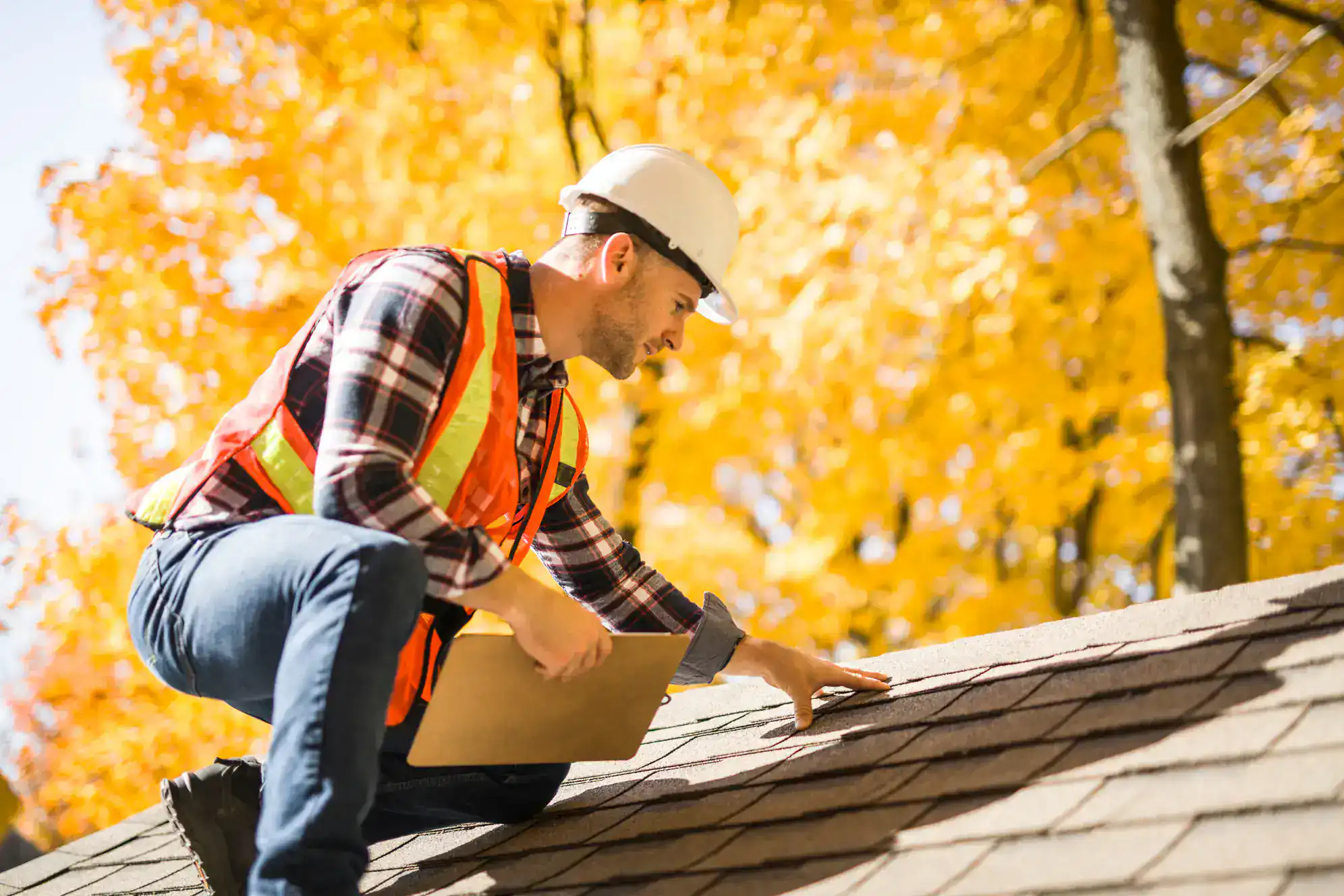
It starts with a free roof inspection. We get up on the roof and look at what’s actually happening — not just the area where you noticed the leak, but the surrounding field, the flashing points, the valleys, and the eave edges where ice dams tend to do their worst work in this climate. If there’s storm damage, we document it in a format that works for insurance claims, because Bergen County homeowners deal with hail and wind events often enough that this step genuinely matters.
From there, you get a written, itemized estimate before any work begins. The scope is defined, the materials are specified, and the price is fixed. If the job falls under Mahwah Township’s permit requirements — which it may, depending on the scope — we handle that process with the Building Department at 475 Corporate Drive. You don’t have to navigate that yourself, and you shouldn’t have to guess whether your repair is permitted or not.
Once the work starts, our crew handles it efficiently and cleans up completely when they’re done. If your home is one of the older properties in the Cragmere section, we pay close attention to shingle matching and architectural compatibility — because a repair that’s visible from the street on a home that’s part of a historically significant neighborhood isn’t a finished job. When we’re done, you’ll know what was done, why, and what to watch for going forward.
Ready to get started?
Roof Repair Services in Cragmere Park, NJ
Emergency roof repair in Cragmere Park, NJ is often what brings people to us first. A storm comes through, a limb comes down, or a leak that’s been manageable suddenly isn’t anymore. We respond quickly, get temporary protection in place if needed, and move straight into a permanent repair plan. In a neighborhood with the tree canopy density that Cragmere Park has, storm-related damage isn’t a rare event — it’s a seasonal reality.
Roof leak repair in Cragmere Park, NJ is usually more nuanced than it looks. The water showing up on your ceiling rarely enters the roof at the exact spot where it appears inside. Leak diagnosis here — especially on older homes with original or early-replacement flashing — requires a methodical approach, not a guess. Shingle roof repair in Cragmere Park, NJ covers everything from isolated blown-off sections after a wind event to granule-loss damage from years of freeze-thaw cycling. For homes with additions, garages, or lower-slope sections, flat roof repair in Cragmere Park, NJ requires a completely different material and technique set — EPDM, TPO, or modified bitumen — and we handle all of it under one estimate.
Roof storm damage repair in Cragmere Park, NJ often connects to a homeowners insurance claim, and we can help document the damage properly so your adjuster has what they need. And if you’re not sure what you’re dealing with yet, a roof repair estimate in Cragmere Park, NJ starts with the free inspection — no cost, no commitment, just a clear picture of what’s going on and what it will take to fix it.
Do I need a permit for roof repair in Mahwah Township, NJ?
It depends on the scope of the work, and Mahwah Township’s Building Department is explicit about this: don’t assume a project is permit-exempt without checking. Under the New Jersey Uniform Construction Code, which Mahwah enforces through its local Building Department at 475 Corporate Drive, significant roofing work — including full replacements and, in some cases, major repairs — may require a permit and inspection.
The reason this matters beyond just following the rules: unpermitted work can create real problems when you go to sell your home or file an insurance claim. If a repair was done without the required permit and something goes wrong later, your insurer may have grounds to deny the claim. We handle permit procurement as part of the job when it’s required, so you’re covered on that front without having to figure it out yourself.
How do I know if I need a repair or a full roof replacement?
The honest answer is that it depends on the age of the roof, the extent of the damage, and what the underlying decking looks like once we get up there. A roof that’s 12 years old with isolated wind damage is almost always a repair. A roof that’s 28 years old with widespread granule loss, multiple failing flashing points, and soft spots in the decking is usually a replacement conversation.
For Cragmere Park specifically, this question comes up a lot because the neighborhood has homes from several different eras — some dating back to the original 1909–1920s development, others from the 1970s and 1980s. Each era has different material profiles and different failure patterns. The free inspection gives you a clear, honest read on where your roof actually stands — not a pitch for the most expensive option, just an accurate assessment of what makes financial sense for your home.
What causes ice dams, and can roof repair in Cragmere Park, NJ fix them?
Ice dams form when heat escaping through your roof melts the snow sitting on it, and that meltwater refreezes when it reaches the cold overhang at the eave. The ice backs up, water gets underneath the shingles, and eventually it finds its way into your home. It’s one of the most common sources of interior water damage in the Ramapo Mountain foothills area during winter, because Cragmere Park gets meaningfully more snowfall than lower-elevation Bergen County communities.
We address the damage ice dams leave behind — failed flashing, lifted shingles, compromised underlayment, and water-stained decking. But the root cause is usually an insulation and ventilation issue in the attic, not just a roofing material failure. A thorough inspection will identify both the damage and the conditions that led to it, so you’re not just patching the result of a problem that’s going to repeat itself next winter.
Will my homeowners insurance cover storm damage roof repair in Bergen County?
Most standard homeowners insurance policies cover sudden, storm-related roof damage — hail, wind, falling trees or limbs — as long as the damage wasn’t caused by deferred maintenance or a pre-existing condition. Bergen County has a well-documented history of severe thunderstorms capable of producing large hail and destructive straight-line winds, so storm damage claims in this area are not unusual, and insurers are familiar with them.
What determines whether your claim goes smoothly is largely documentation. The adjuster needs to see clear evidence of the damage, its cause, and the repair scope. We photograph and document damage in formats that work for insurance claims, and we can walk you through what to expect from the adjuster visit. One thing worth knowing: if your roof has significant age-related wear alongside the storm damage, the insurer may apply depreciation to the payout — that’s a normal part of the process, not a denial, and we can help you understand what it means for your out-of-pocket cost.
How long does a typical roof repair take for a home in Cragmere Park, NJ?
Most standard repairs — isolated shingle replacement, flashing repair, a patched valley — are completed in a single day. More involved repairs, like addressing ice dam damage along an entire eave line or repairing a flat roof section alongside a shingle field, may take two days depending on the size of the area and what we find once the damaged material is removed.
Weather is always a factor in this part of Bergen County. We schedule repairs around conditions that allow for proper material installation — adhesive-backed underlayments and certain sealants have temperature minimums, and working in active precipitation creates quality issues. If you’re coming out of a storm event and need emergency protection while we wait for the right window to do the permanent repair, we’ll tarp and secure the area first so your home isn’t exposed in the meantime. The timeline from inspection to completed repair is usually faster than most homeowners expect.
Why does moss and algae keep coming back on my roof in Cragmere Park?
It’s a combination of two things that Cragmere Park has in abundance: shade and moisture. The mature tree canopy throughout the neighborhood — the same trees that line Airmount Road and give the area its park-like character — keeps roof surfaces shaded for large parts of the day. Shaded surfaces stay damp longer after rain, and that persistent moisture is exactly what moss and algae need to establish and spread.
North-facing roof slopes are the most vulnerable because they get the least direct sun even in summer. Once moss or algae gets a foothold, the root systems work into the shingle granules and accelerate deterioration — it’s not just an appearance issue, it actively shortens the life of the roof. We address any existing damage from organic growth during repair, and there are algae-resistant shingle options and zinc or copper strip treatments that slow regrowth significantly. If this is a recurring problem on your home, it’s worth discussing during the inspection so the repair addresses the cause, not just the current visible growth.