
Roofing Contractor in Hillsdale, NJ
Hillsdale's Aging Homes Deserve More Than a Quick Fix
Hear from Our Customers
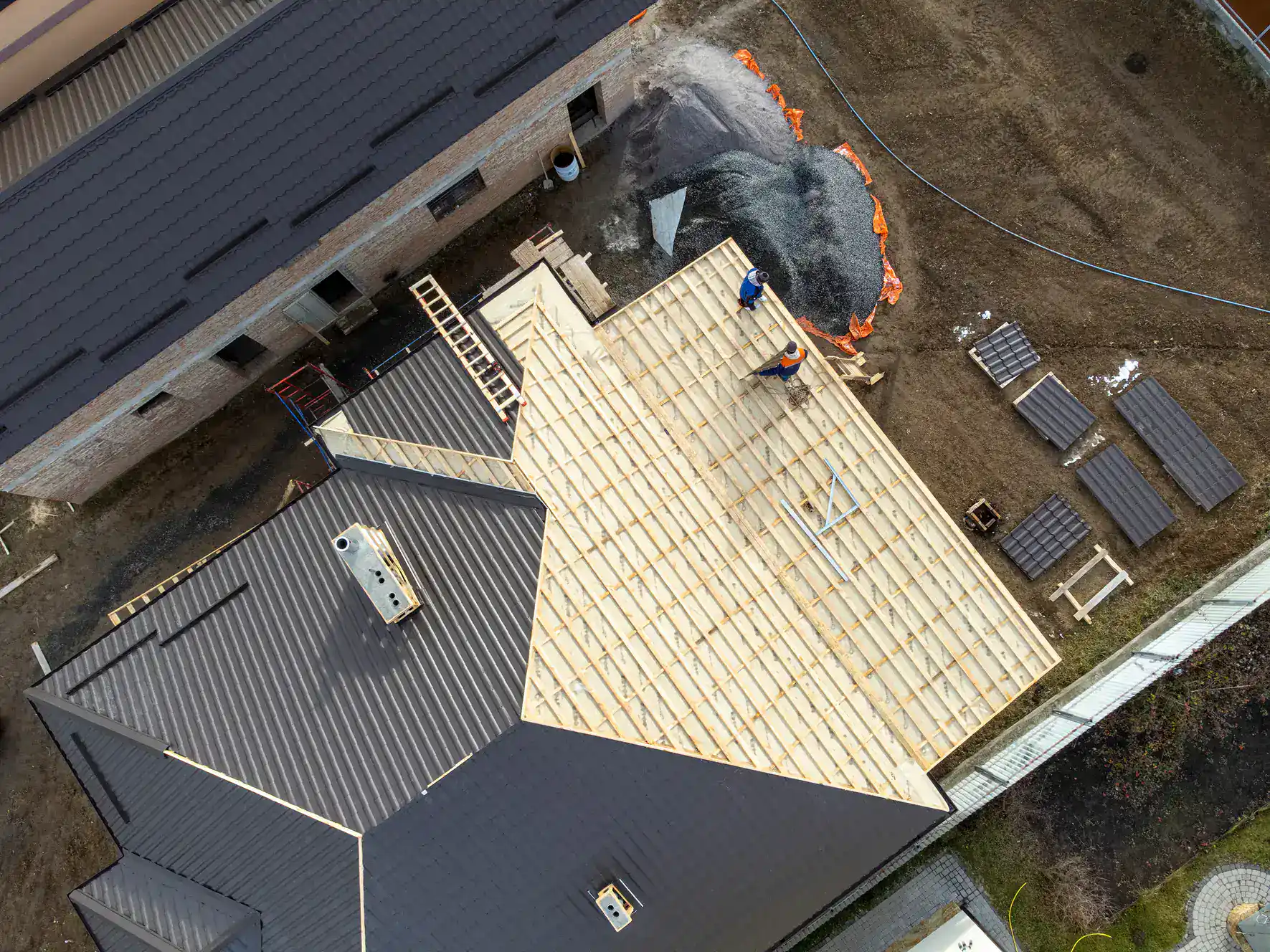
Local Roofers Hillsdale, NJ
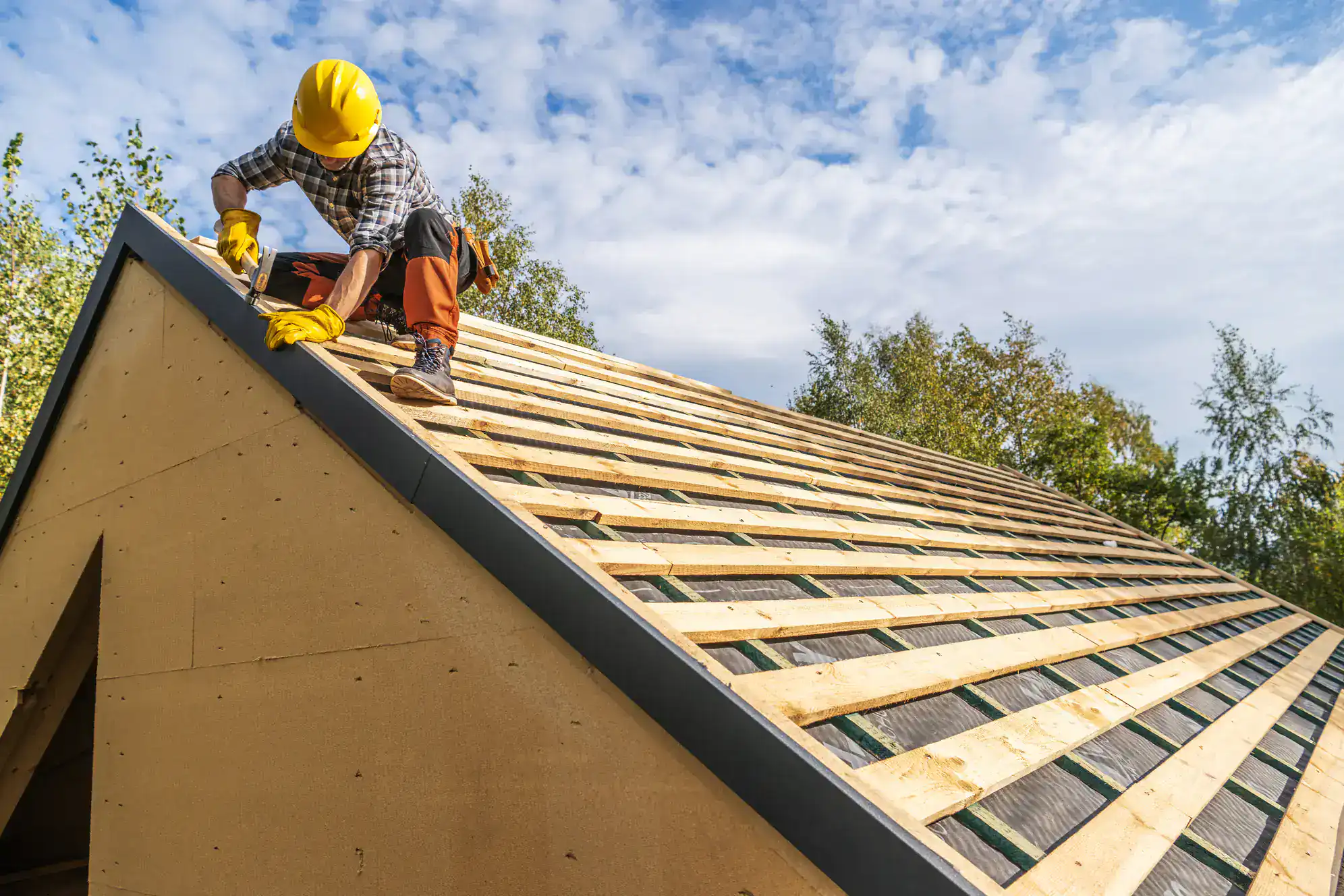
When a roof is properly replaced or repaired, you stop worrying every time a nor’easter rolls through the Pascack Valley. No more checking the ceiling after a heavy snow. No more wondering whether that dark spot in the corner is something serious. You know your home is covered — and that peace of mind is worth more than people give it credit for.
For Hillsdale homeowners specifically, that matters on a deeper level. The median home here is worth somewhere between $700,000 and $900,000, and most of them were built in the 1950s and 1960s. That combination — high value, aging structure — means a failing roof isn’t just an inconvenience. It’s a financial risk. Water that gets under deteriorating shingles during a freeze-thaw cycle doesn’t stop at the attic. It works its way into walls, ceilings, and insulation before most homeowners even notice.
Getting ahead of that is what we actually do. Not just swapping shingles, but evaluating the full picture — flashing, ventilation, gutters, the condition of the decking underneath. When all of that gets addressed properly, your home holds its value, your insurance stays intact, and you’re not back on the phone with another contractor in five years.
Reputable Roofing Contractors in Hillsdale, NJ
We’ve been doing exterior work across northern New Jersey for over 17 years. That’s 17 Bergen County winters — nor’easters, ice dams, freeze-thaw cycles, and everything in between. We know what those conditions do to the Cape Cods and split-levels that line the residential streets throughout Hillsdale, and we know how to fix them correctly.
We’re a family-owned operation, which means our name is on every job we take. We carry contractor licenses, hold certifications from major shingle manufacturers, and pull permits the right way — including the building permits required under New Jersey’s Uniform Construction Code for any full roof replacement in Hillsdale. No shortcuts that come back to haunt you at closing.
We also offer free estimates and free inspections with no obligation. Not because it’s a gimmick, but because we’d rather earn your trust before you spend a dollar.
Roof Repair Process in Hillsdale, NJ
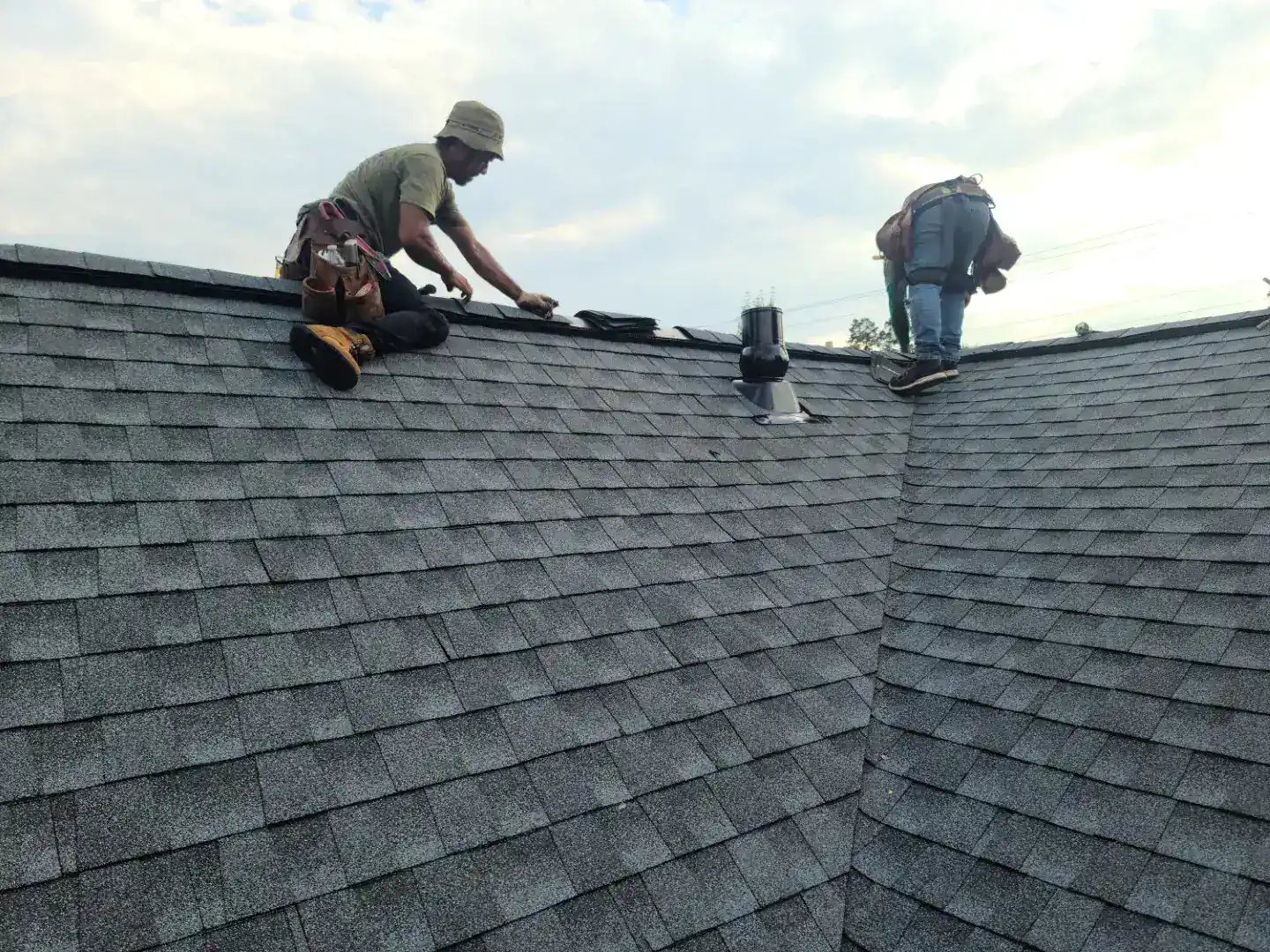
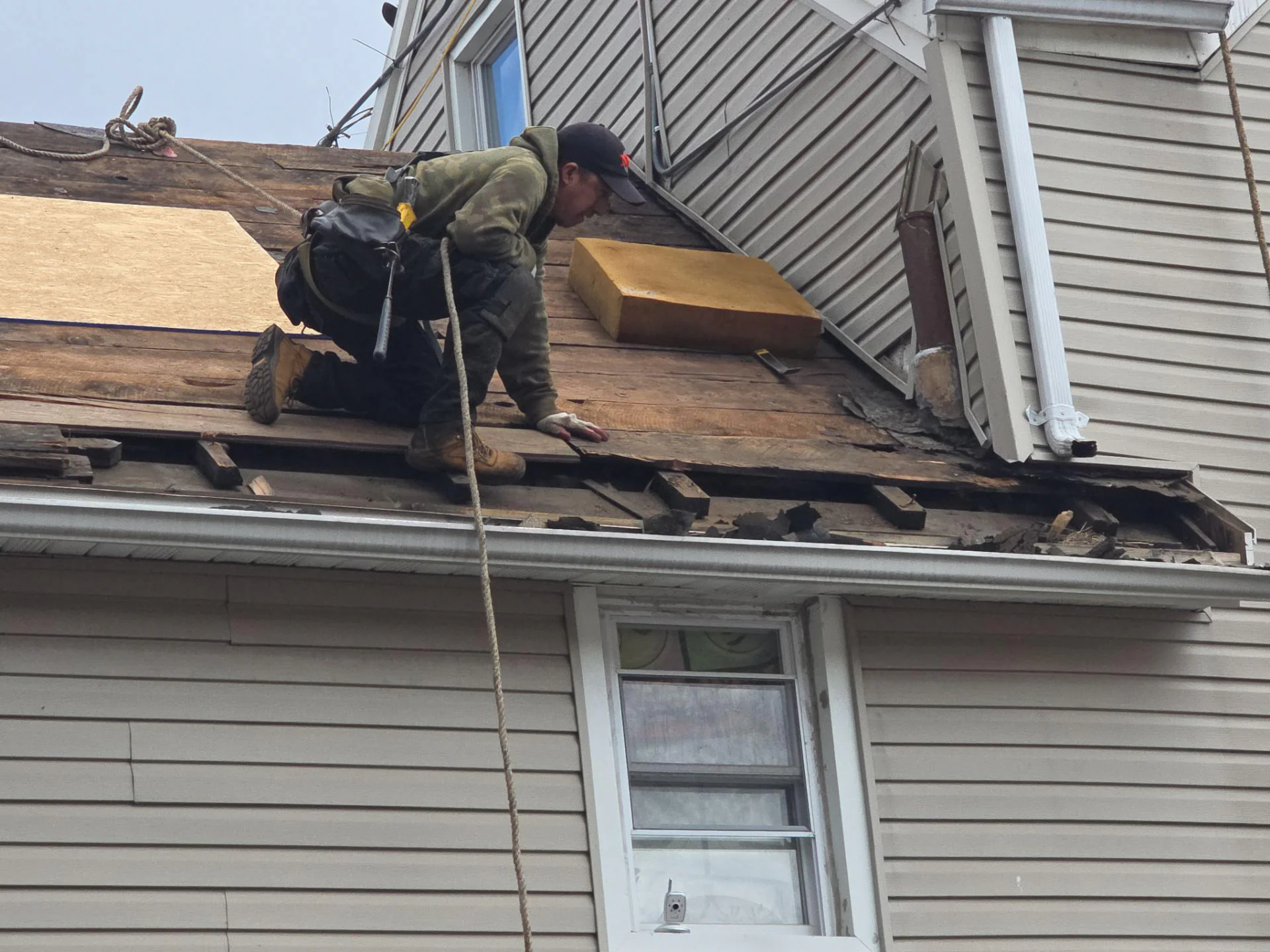
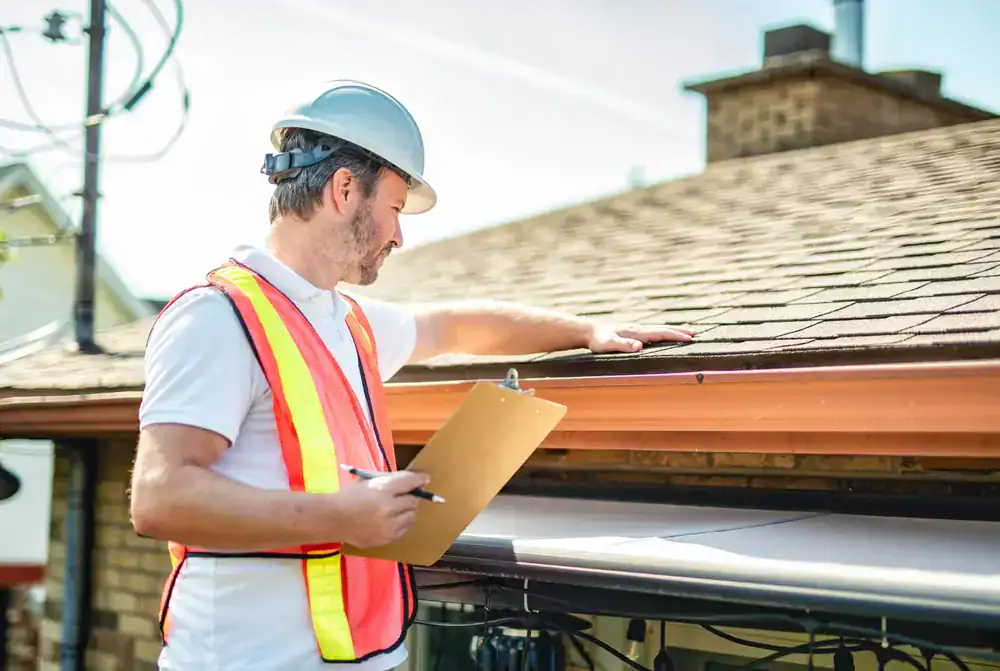
It starts with a free roof inspection. We come out, get on the roof, and look at everything — shingles, flashing, ridge line, gutters, fascia, any areas where water might be finding a way in. For homes in Hillsdale built in the 1950s and 1960s, we pay close attention to low-pitched rooflines that are especially vulnerable to ice dam formation during Bergen County winters. You’ll get a clear, honest assessment of what’s going on and what your actual options are.
From there, if work is needed, we walk you through a detailed, itemized estimate. No lump sums, no vague line items. You’ll know exactly what’s being done, what materials are going on your home, and what the total cost is before anyone picks up a tool. If your home qualifies for a manufacturer-certified installation, we’ll explain what that means for your warranty coverage — including extended protections that standard contractors simply can’t offer.
Once the work is underway, we handle the permit process with Hillsdale’s Construction Office, keep the job site clean, and communicate clearly from start to finish. When we’re done, we do a final walkthrough with you so you can see the work firsthand. No disappearing act after the check clears.
Ready to get started?
Metal Roofing Contractors in Hillsdale, NJ
We handle the full range of residential roofing work — full replacements, targeted roof repair, flat roofing systems including TPO and EPDM, and metal roofing installation. We also handle gutters and siding, which matters more than most people realize. On the aging homes throughout Hillsdale, these systems are interconnected. A gutter that’s pulling away from the fascia or clogged with debris from the tree-lined streets near Broadway and Hillsdale Avenue isn’t just a gutter problem — it’s a roof problem waiting to happen.
Metal roofing has become an increasingly popular choice for Hillsdale homeowners who are tired of the replacement cycle. A properly installed metal roof can last 40 to 70 years, sheds snow and ice instead of retaining it, and reduces the ice dam risk that plagues so many of the low-pitched mid-century rooflines in this borough. If you’ve already replaced your roof once and don’t want to do it again, it’s worth having the conversation.
For homeowners dealing with storm damage — whether from a summer hail event or a winter nor’easter — we can walk you through what’s typically covered under a homeowners insurance claim and what documentation you’ll need. We’re not an insurance company, but we’ve done enough storm damage work across Bergen County to help you understand what you’re looking at.
How do I know if my Hillsdale home needs a roof repair or full replacement?
This is the most common question we get, and the honest answer is: it depends on the age of your roof, the extent of the damage, and what’s going on underneath the surface. If your roof is under 15 years old and the damage is isolated — a few missing shingles, a flashing failure around a chimney or vent — a targeted repair is usually the right call. It’s less expensive and it buys you real time if the rest of the roof is still in decent shape.
Where it gets more complicated is on Hillsdale’s older housing stock. A home built in 1958 or 1965 that’s had one prior roof replacement is likely sitting on a system that’s 25 to 35 years old. At that point, even if the visible damage seems minor, the underlying materials may be brittle, the decking may have moisture damage, and a repair might just delay the inevitable by a year or two. That’s why we provide a free roof inspection — to give you the truth either way, not to push you toward the bigger job.
What does a roof replacement actually cost for a home in Hillsdale, NJ?
The range for a full roof replacement in 2025 runs roughly $15,000 to $27,000 for most residential homes, with the national average landing around $21,000. Where your project falls within that range depends on several factors: the size and pitch of your roof, the materials you choose, whether the existing decking needs to be replaced, and how many layers of old roofing need to come off before the new installation can begin.
For homes in Hillsdale — particularly the Cape Cods, colonials, and split-levels that make up the majority of the borough’s housing stock — most full replacements fall somewhere in the middle of that range. Material choice is the biggest variable. Architectural asphalt shingles are the most common and cost-effective option. Metal roofing runs higher upfront but lasts significantly longer, which changes the math if you’re planning to stay in your home long-term. The best way to get an accurate number for your specific home is through a free estimate, which we provide at no cost and no obligation.
Do I need a permit to replace my roof in Hillsdale, NJ?
Yes. Under New Jersey’s Uniform Construction Code, a full roof replacement in Hillsdale requires a building permit from the borough’s Construction Office. This applies to tear-off and re-roof projects — not typically to minor repairs, but any time you’re replacing the full roofing system, a permit is required.
This matters for a few reasons. First, it ensures the work is inspected and meets code — which protects you, not just the contractor. Second, and more practically, unpermitted work creates problems when you go to sell your home. Buyers’ attorneys and home inspectors in Bergen County routinely flag unpermitted improvements, and resolving that after the fact can be costly and time-consuming. A contractor who tells you permits aren’t necessary for a full replacement either doesn’t know the local code or is cutting corners you’ll pay for later. We handle the permit process as a standard part of every qualifying project in Hillsdale.
What roofing material holds up best against Bergen County winters?
For most Hillsdale homeowners, architectural asphalt shingles from a certified manufacturer are the practical choice — they’re durable, widely available, and when installed correctly with proper underlayment and ice and water shield at the eaves, they perform well through Bergen County’s freeze-thaw cycles and nor’easter seasons. The key word there is “correctly.” A lot of the roofing failures we see in this area come down to improper installation, not the material itself — missing ice and water shield, inadequate attic ventilation, or flashing that wasn’t sealed properly around chimneys and dormers.
Metal roofing is worth serious consideration if you’re on an older home and want to eliminate the replacement cycle. Metal doesn’t retain snow and ice the way asphalt does, which significantly reduces ice dam risk — a real issue on the lower-pitched rooflines common on 1950s and 1960s homes throughout Hillsdale. It also handles high winds better than asphalt in most cases. The upfront cost is higher, but a metal roof installed today could easily outlast your remaining time in the home with minimal maintenance.
How do I find a reputable roofing contractor in Hillsdale, NJ I can actually trust?
Start with the basics: verify the contractor is registered as a New Jersey Home Improvement Contractor through the Division of Consumer Affairs. This is a state requirement for any home improvement work over $500, and it’s one of the first things unlicensed storm chasers skip. After a major weather event, Bergen County sees an influx of out-of-area contractors who aren’t registered, don’t carry proper insurance, and won’t be around if something goes wrong six months later.
Beyond licensing, look for manufacturer certifications — these require contractors to meet ongoing quality and accountability standards and unlock extended warranties that non-certified contractors can’t offer. Check Google reviews, but read them critically: look for specifics about communication, job site cleanliness, and whether the final price matched the estimate. In a community as connected as Hillsdale, word-of-mouth still carries real weight — ask neighbors and pay attention to who people actually recommend.
What causes ice dams on Hillsdale roofs, and how do you prevent them?
Ice dams form when heat escapes through the roof deck, warms the snow above it, and the meltwater runs down to the cold eaves where it refreezes. Over time, that ice buildup forces water back up under the shingles — and from there, it can work its way into the attic, walls, and ceilings. It’s one of the most common sources of interior water damage on older homes in Hillsdale, particularly on the low-pitched Cape Cods and split-levels built during the postwar building boom of the 1950s and 1960s.
Prevention comes down to two things: proper attic insulation to keep heat from escaping through the roof in the first place, and adequate ventilation to maintain a consistent roof temperature. On the installation side, ice and water shield membrane installed at the eaves provides a critical secondary barrier if water does back up. If you’re already dealing with recurring ice dams, that’s a sign your current roofing system — and possibly your attic’s thermal performance — needs to be evaluated. A thorough inspection will tell you whether this is a roofing issue, an insulation issue, or both.