
Roof Repair in Hillsdale, NJ
Hillsdale Roofs Take a Beating Every Winter — Here's What Actually Fixes Them
Hear from Our Customers
Roof Leak Repair in Hillsdale, NJ
Most roof damage in Hillsdale doesn’t announce itself with a dramatic collapse. It shows up as a small stain on the ceiling, a draft near the attic hatch, or a missing shingle you noticed from the driveway after the last nor’easter blew through. By the time it’s obvious, water has usually been working its way through the decking for weeks.
That’s the real cost of waiting. In Bergen County’s climate — with its freeze-thaw cycles from November through March — a small breach in your flashing or a cracked shingle doesn’t stay small. Ice dams form when heat escapes through the roof, melts the snow above, and refreezes at the cold eave edge. That ice forces water backward under the shingles and into your home. Once water’s in, mold can follow within 24 to 48 hours.
Getting a professional assessment early means you’re dealing with a repair, not a gut job. Hillsdale’s housing stock skews heavily toward mid-century construction — homes built in the 1950s, 60s, and 70s that are either on their second roof or well past the 20-to-30-year lifespan of standard asphalt shingles. A free inspection gives you an honest picture of where things stand, what needs attention now, and what can wait — without anyone pushing you toward a replacement you may not need yet.
Certified Roof Repair Contractor in Hillsdale, NJ
We’ve been working on roofs across northern New Jersey for over a decade, with deep familiarity with Hillsdale’s housing stock, permit requirements, and the kind of weather that comes through the Pascack Valley every winter and spring. This isn’t a company that showed up after a storm and will be gone by summer.
Our work is family-operated, which changes how jobs get handled. There’s no commissioned sales team pushing upgrades you don’t need. The person who inspects your roof is accountable for the recommendation — and for what happens after. That kind of continuity matters in a community like Hillsdale, where reputation is built one job at a time.
We hold contractor licenses and certifications from major shingle manufacturers. That’s not a marketing detail — it means the work qualifies for manufacturer-backed warranty coverage that uncertified contractors simply cannot offer. It also means we’ve met a standard most local competitors haven’t cleared.
Roof Repair Estimate in Hillsdale, NJ
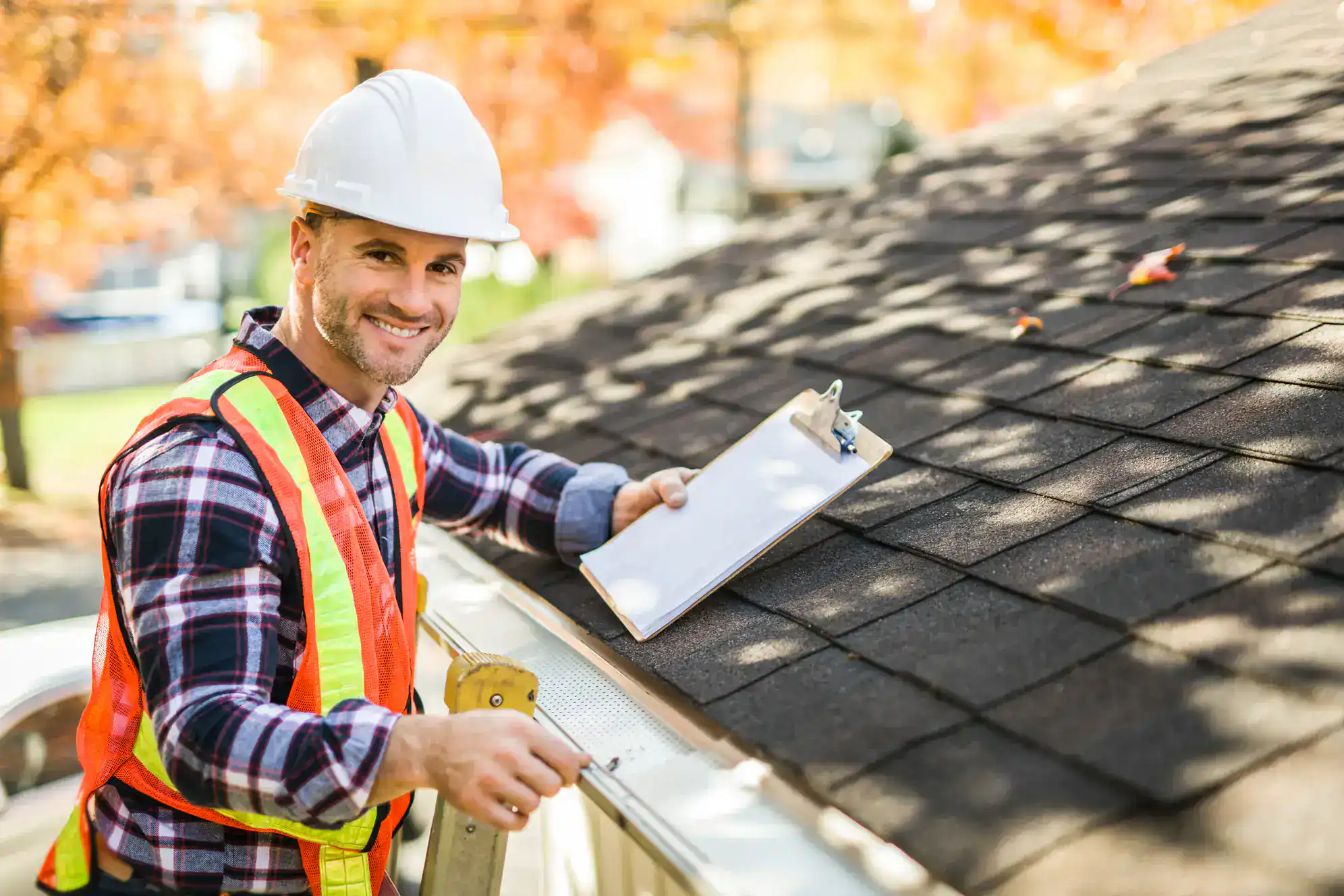
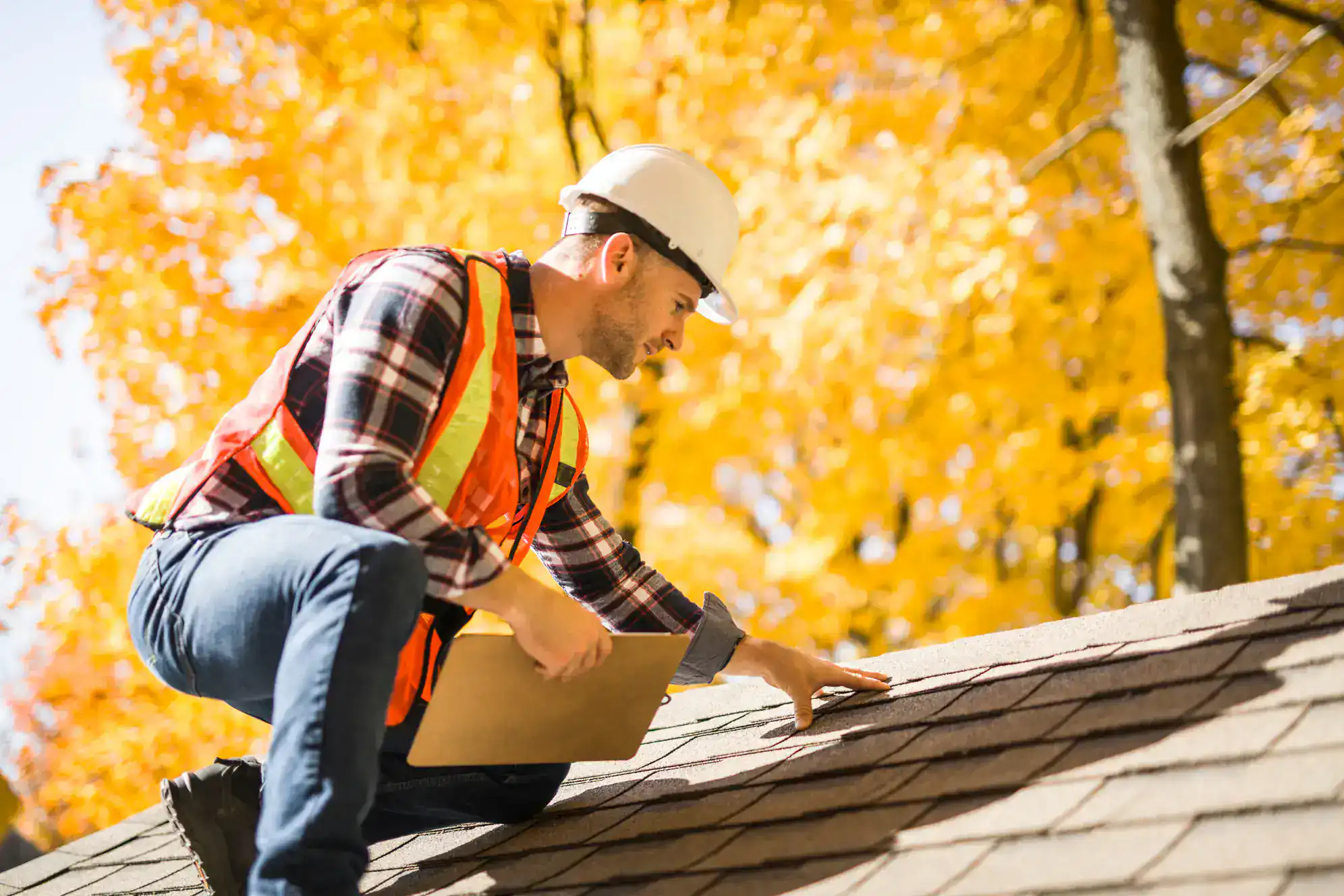
It starts with a free roof inspection. Someone from our team comes out, gets on the roof, and actually looks — at the shingles, the flashing, the ridge, the valleys, the gutters, the eave edges where ice dams tend to form on Hillsdale’s older cape cods and colonials. You get a clear, honest assessment of what’s there, not a sales pitch.
From there, you receive a written estimate that spells out the scope of work, the materials being used, and the total cost. If the scope doesn’t change, the price doesn’t change. That’s the whole promise. No invoice that looks nothing like the number you agreed to. If the damage is storm-related, we can also help you document it properly for a homeowners insurance claim — photos, written assessments, the information adjusters actually need.
Once work begins, Bergen County’s permitting requirements are handled as part of the job. Hillsdale requires permits for roof replacement, and working without one can void your insurance coverage and create problems when you sell. That’s not something you should have to track down yourself. After the repair is complete, our crew cleans up — nails swept from the driveway and lawn, debris removed, and your property left the way it looked before we arrived.
Ready to get started?
Shingle and Storm Damage Roof Repair in Hillsdale, NJ
The most common roof repairs in Hillsdale involve shingle damage from wind and hail, flashing failures around chimneys and skylights, and leak points that develop along the eave edge after repeated ice dam seasons. Asphalt shingle repair covers the majority of calls — replacing cracked, curling, or missing shingles, resealing lifted edges, and matching replacement material to the existing roof so the repair doesn’t stand out visually. Curb appeal matters here, and a patched section that looks like a patch isn’t acceptable.
For storm damage roof repair in Hillsdale, NJ, the process goes beyond just fixing what’s visible. Hail can crack shingles and accelerate granule loss without leaving obvious surface damage — which is exactly why an inspection matters after any significant weather event. The same applies to flat roof repair in Hillsdale, NJ, which typically involves garages, additions, and lower-slope sections of older homes. These areas are prone to pooling water and membrane deterioration, and they’re easy to overlook until a leak develops directly below.
Emergency roof repair in Hillsdale, NJ is also available for situations that can’t wait — active leaks during a storm, wind damage that’s left part of the roof exposed, or any scenario where a temporary protective measure is needed fast. The goal in those situations is to stop the damage first, then address the permanent repair once conditions allow. Whatever the scope, you’ll know exactly what’s being done and why before any work starts.
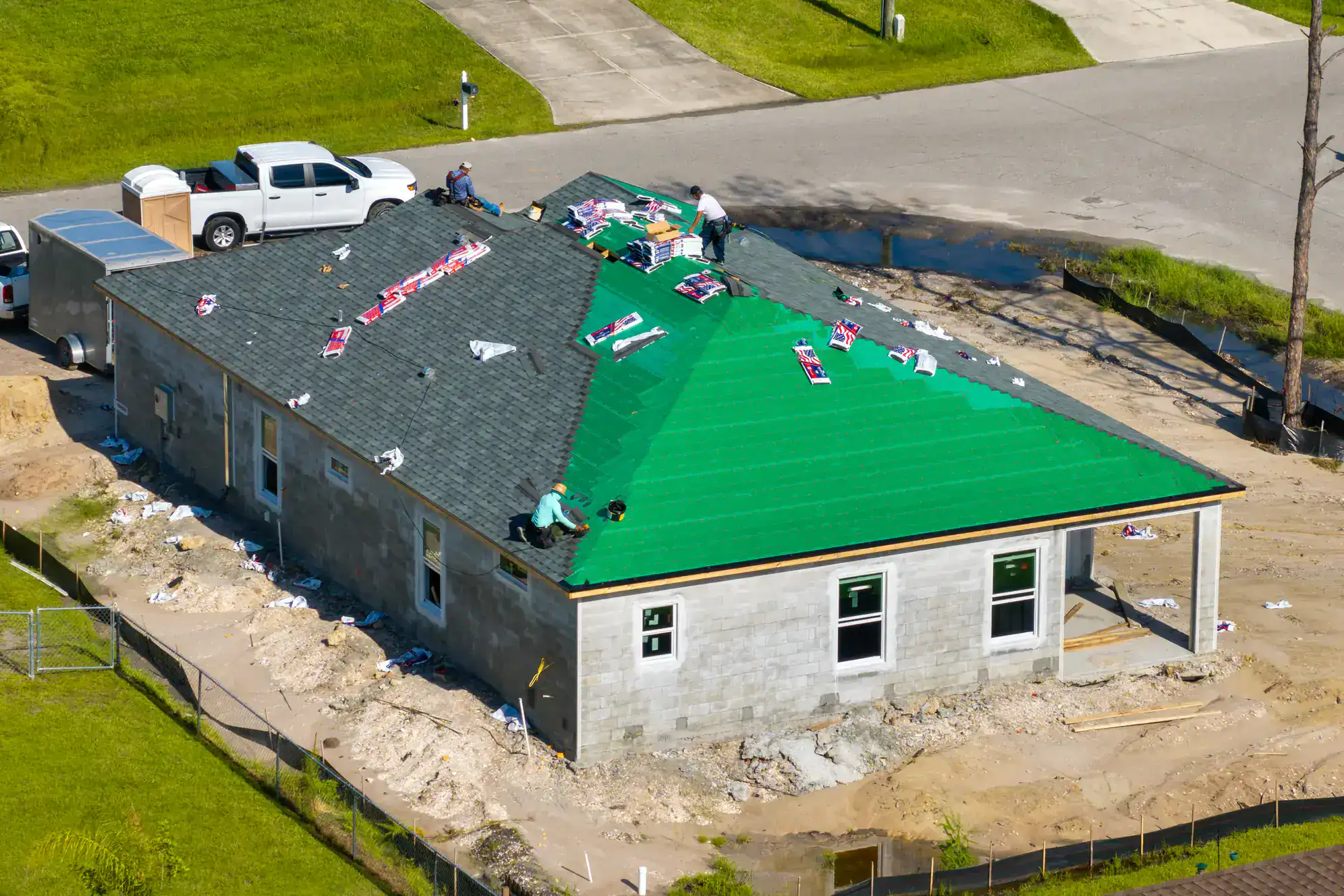
How do I know if I need roof repair or a full replacement in Hillsdale, NJ?
This is the question most Hillsdale homeowners are actually trying to answer when they call a roofer — and it’s a fair one, because the answer isn’t always obvious from the ground. The short version: if the damage is localized — a section of missing shingles, a failed flashing seal, a small leak around a chimney — repair is usually the right call. If you’re seeing widespread granule loss, multiple leak points, sagging decking, or shingles that are curling and cracking across a large portion of the roof, that’s when replacement becomes the more cost-effective path.
What makes this harder to sort out in Hillsdale specifically is the age of the housing stock. A lot of homes in the borough were built between the 1940s and 1970s, and many are on their second roof — or past the expected lifespan of the first replacement. A free inspection gives you an honest read on the remaining useful life of the roof and whether targeted repair will hold up or just delay the inevitable. That’s exactly the kind of straight answer you should expect before spending anything.
What causes ice dams, and can roof repair in Hillsdale, NJ actually prevent them?
Ice dams are one of the most common and misunderstood roof problems in northern Bergen County. They form when heat escaping through the roof melts snow on the upper portion of the roof, and that water runs down and refreezes at the cold eave edge — where there’s no heat loss from below. The ice builds up, traps water behind it, and that water eventually finds its way under the shingles and into the home.
Roof repair alone won’t eliminate ice dams if the underlying cause is poor attic insulation or inadequate ventilation — those are separate issues that need to be addressed. But what repair can do is fix the damage ice dams have already caused: replacing shingles that have been lifted or cracked by ice, resealing flashing that’s been compromised, and reinforcing the eave edge with proper ice-and-water shield membrane. If you’ve had a leak near an exterior wall or at the ceiling just inside an exterior wall during or after a winter storm, that’s a classic ice dam leak pattern and worth getting looked at before next season.
Does homeowners insurance cover roof repair for storm damage in Bergen County?
In most cases, yes — if the damage was caused by a covered peril like wind, hail, or a falling tree, your homeowners insurance policy should cover roof repair or replacement, minus your deductible. Bergen County sees enough nor’easters and summer hail events that storm damage claims are genuinely common here, and most standard policies are written to cover them.
The catch is documentation. Insurance adjusters need clear evidence that the damage is storm-related and not the result of deferred maintenance or normal wear and tear. That’s where having a contractor who understands the claims process makes a real difference. A written damage assessment with photos taken shortly after the event carries significantly more weight with an adjuster than a homeowner’s verbal description weeks later. If you suspect storm damage — even if you’re not sure it’s serious — getting an inspection done and documented promptly is the right move. Waiting can make it harder to tie the damage to a specific event, which gives the insurer more room to reduce or deny the claim.
How long does a roof repair take, and do I need to be home in Hillsdale, NJ?
Most standard roof repairs — replacing damaged shingles, resealing flashing, patching a leak point — take anywhere from a few hours to a full day depending on the scope and the roof’s accessibility. Larger repairs involving multiple sections, decking replacement, or work around chimneys and skylights may take longer, but we’ll give you a realistic timeline before work begins, not after.
As for whether you need to be home: generally, no. Our crew needs access to the exterior of the property, but you don’t need to take a day off work to supervise. For Hillsdale residents who commute into the city on the Pascack Valley Line or are out of the house during the day, this is a practical consideration. What matters is that you’ve reviewed and signed off on the written scope before work starts, and that you’re reachable by phone if anything unexpected comes up once the crew is on the roof. You’ll be notified when the job is done and the property has been cleaned up.
What's the difference between shingle roof repair and flat roof repair in Hillsdale, NJ?
They’re fundamentally different systems, and the repair approach reflects that. Shingle roofs — which cover the vast majority of Hillsdale’s single-family homes — shed water through slope and gravity. Repairs typically involve replacing damaged shingles, resealing or replacing flashing, and addressing any underlying decking damage. The materials and techniques are well-established, and a quality repair on a shingle roof can last for years.
Flat roofs, or low-slope roofs, don’t shed water the same way — they rely on a continuous membrane to keep water out, and any breach in that membrane can allow water to pool and penetrate. In Hillsdale, flat roofs are most common on garages, additions, and some mid-century ranch-style homes. The repair approach depends on the membrane type — modified bitumen, EPDM rubber, or built-up roofing — and on how widespread the deterioration is. A blister or small puncture is a straightforward repair. A membrane that’s cracking and separating across a large area is more likely a replacement conversation. Either way, the inspection will tell you which situation you’re actually dealing with.
Do roof repairs in Hillsdale, NJ require a permit, and who handles that?
It depends on the scope of the work. In Hillsdale, minor repairs — replacing a handful of shingles, resealing flashing, patching a small area — typically don’t require a permit. But once you cross into replacing a significant portion of the roof surface, or doing a full tear-off and re-roof, Bergen County’s Uniform Construction Code requires a permit through Hillsdale’s Construction Department, along with an inspection at completion.
This matters more than most homeowners realize. Work done without a required permit can void your homeowners insurance coverage for that work, create complications when you sell the home, and leave you with no recourse if something goes wrong. We handle permit procurement as part of the project — it’s not something you need to figure out on your own or chase down separately. If a permit is required for your repair, it gets pulled before work starts. That’s how it should work, and it’s worth confirming that any contractor you consider operates the same way.