
Roof Replacement in Hillsdale, NJ
Hillsdale's Aging Homes Deserve More Than a Quick Fix
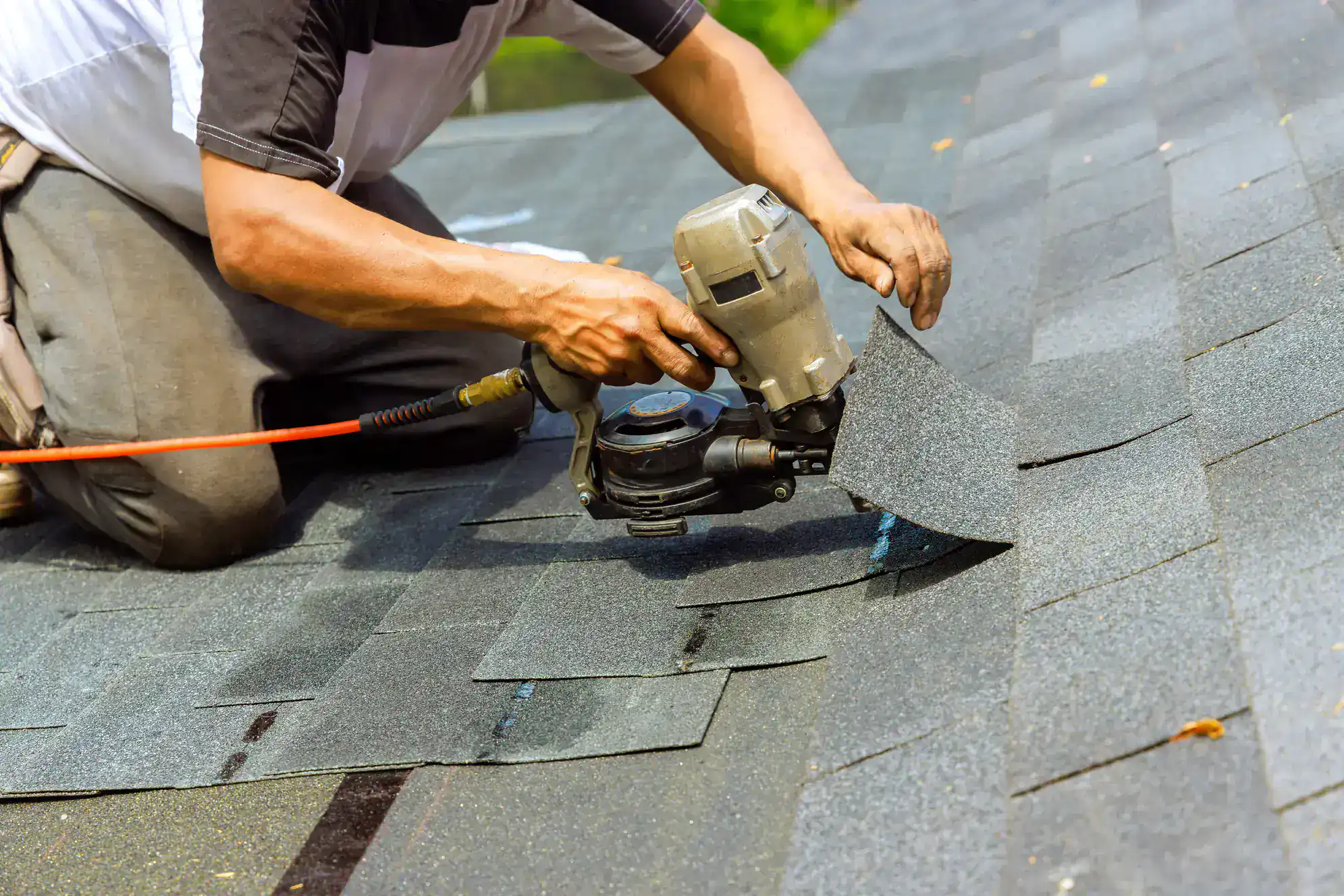
Hear from Our Customers
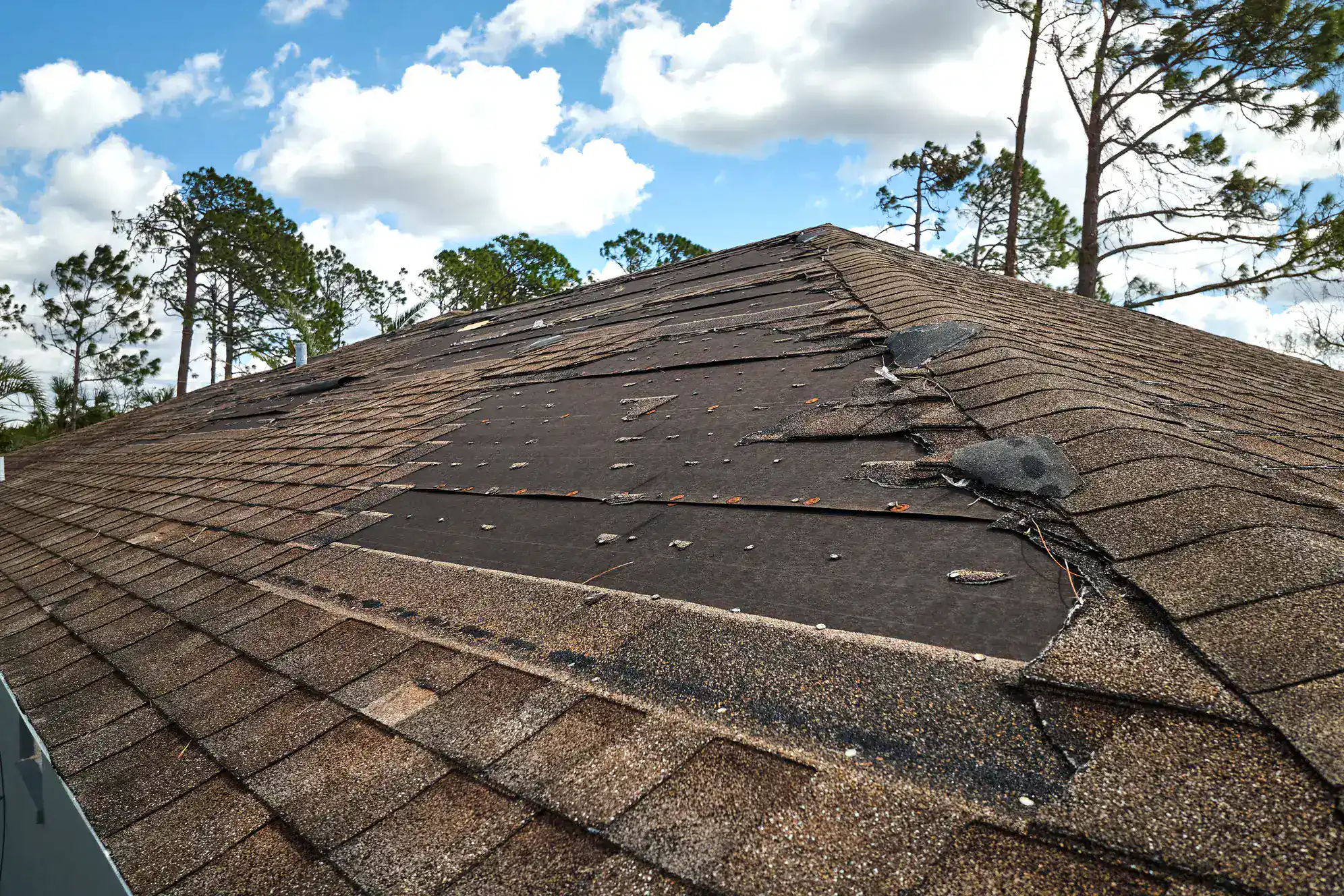
Residential Roof Replacement Hillsdale, NJ
When a roof replacement is done right in Hillsdale, the difference shows up fast — no more water stains spreading across ceilings after a nor’easter, no more dreading what February’s freeze-thaw cycle is doing to the attic. You stop patching and start living without the roof in the back of your mind.
Hillsdale’s housing stock is mostly ranches, capes, and colonials built between the 1940s and 1960s. Those lower-pitched rooflines are especially prone to ice dam formation when attic ventilation is inadequate — which is common in homes of that era. A proper replacement here isn’t just about new shingles; it includes a real ventilation assessment, ice and water shield at the eaves, and flashing that won’t fail when the wind picks up off the Pascack Valley corridor.
Your home is worth protecting. With median home values in Hillsdale approaching $700,000 to $900,000, a failing roof isn’t just a maintenance issue — it’s a financial risk. A quality replacement adds documented value, satisfies disclosure requirements at resale, and gives you a warranty you can actually use.
GAF Certified Roofer Serving Hillsdale, NJ
We’ve been working across Bergen County for over 17 years, and that means we’ve seen the inside of enough 1950s ranches and capes throughout Hillsdale and the Pascack Valley to know exactly what to expect — and how to handle what we find. We’re not a franchise, not a storm-chaser crew, and not a call center routing your job to whoever’s available.
As a GAF certified roofing contractor, we can offer enhanced system warranties that combine both material and workmanship coverage — coverage you simply can’t get from a non-certified contractor. That certification isn’t a badge on a website; it requires verified licensing, insurance, and demonstrated installation standards.
We’re family-run, and our reputation has been built entirely through customer reviews and referrals — not advertising. In a borough as close-knit as Hillsdale, where neighbors talk and word travels fast across fewer than three square miles, that track record means something real.
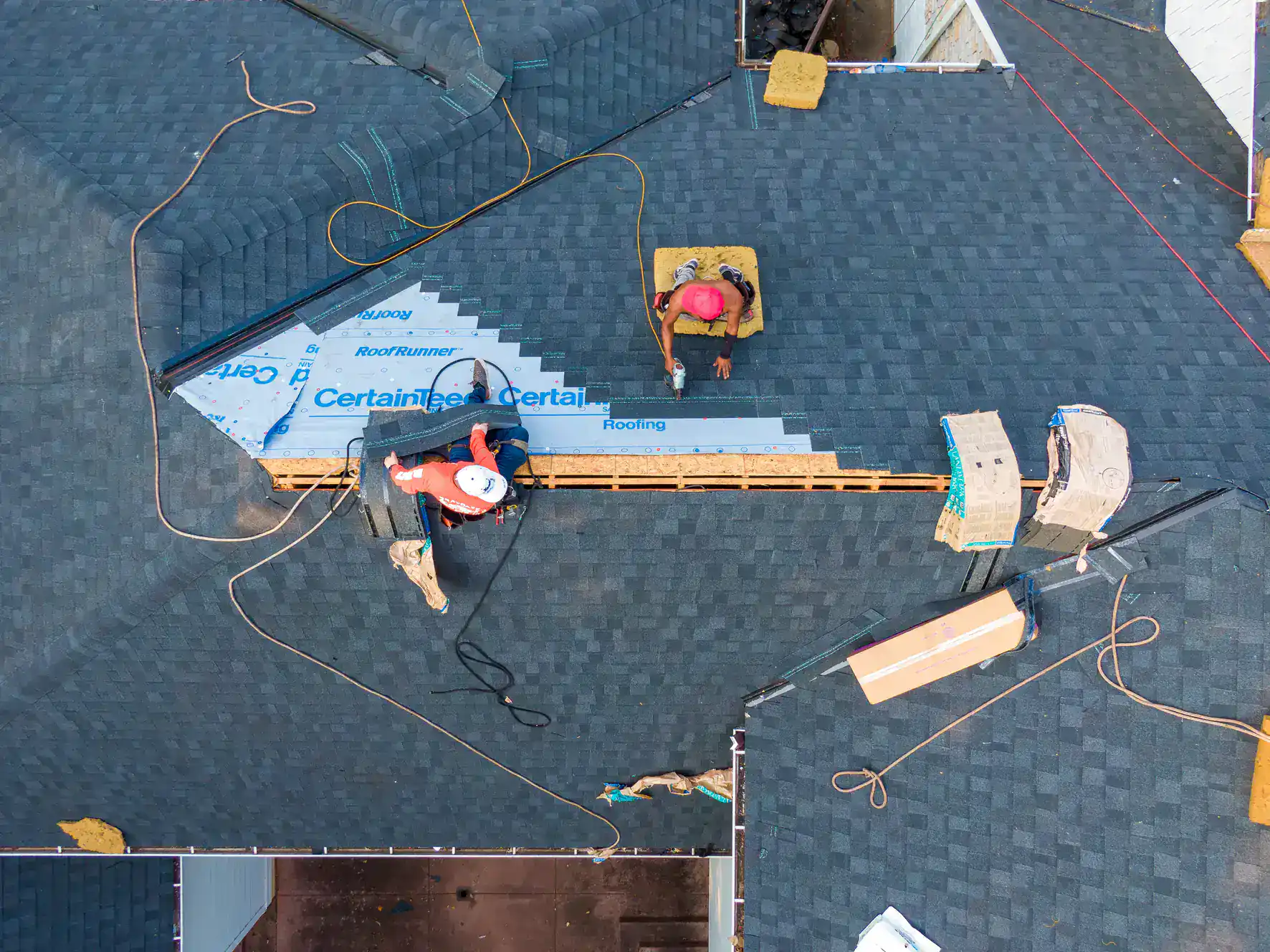
Roof Installation Process in Hillsdale, NJ
It starts with a free roof inspection. One of our experienced crew members comes out, gets on the roof, and tells you exactly what we find — including whether targeted repairs might be enough or whether a full replacement is the right call. There’s no pressure either way, and nothing costs you anything at this stage.
If a replacement makes sense, you get a written, itemized estimate before any work is scheduled. In Bergen County, a full roof replacement typically requires a building permit, and we handle that process as part of the job. Unpermitted work creates real problems at resale — especially on a Hillsdale home worth $700,000 or more — and it’s one of the clearest signs of a contractor cutting corners.
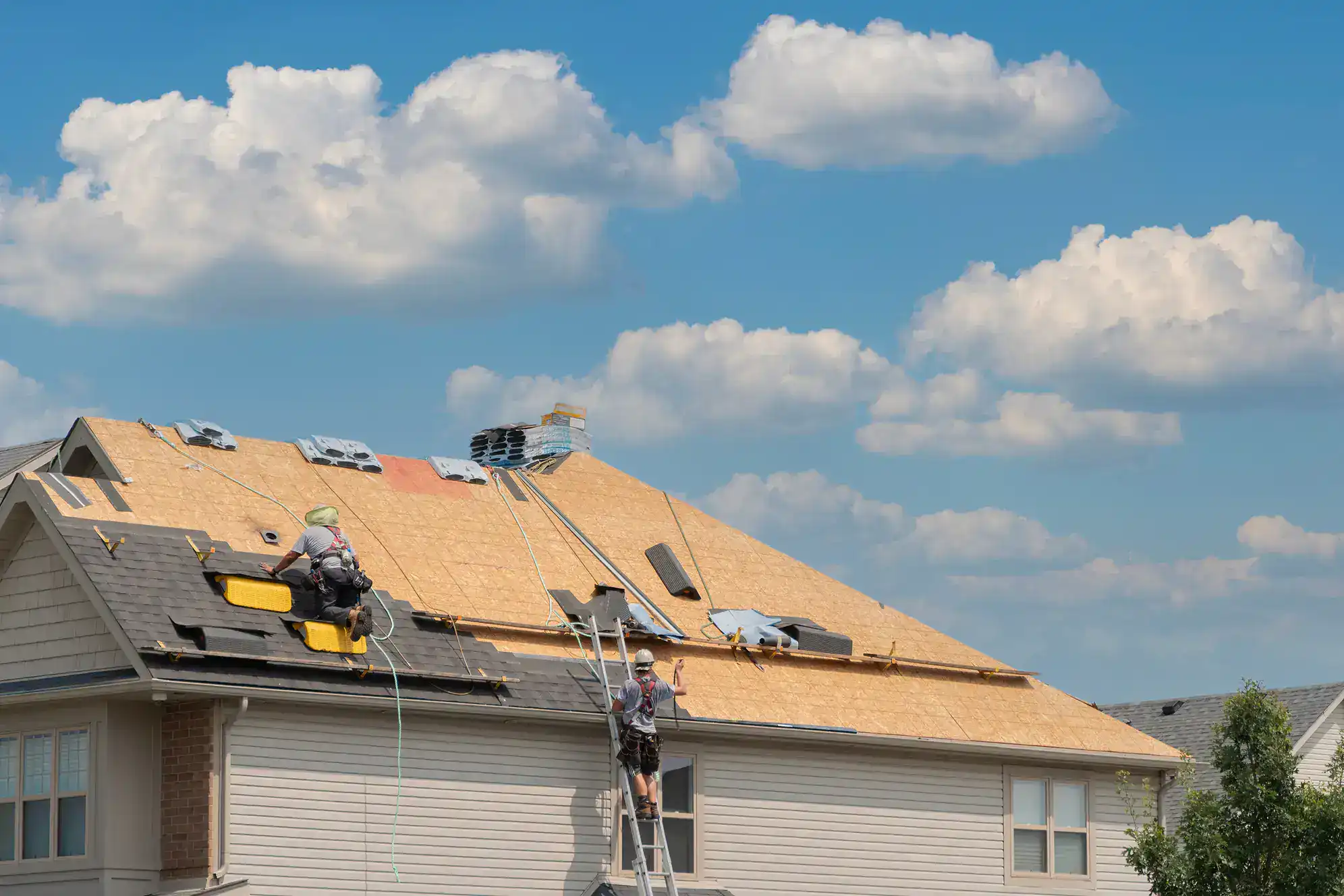
On installation day, the old roofing material is torn off, the decking is inspected, and any damaged boards are replaced before the new system goes down. Ice and water shield is installed at the eaves and valleys — a non-negotiable for Hillsdale’s climate and the low-pitch rooflines common here. Once the job is complete, our crew runs a magnetic nail sweep of the property before leaving. Your yard, your driveway, and your landscaping are left the way they found them.
Ready to get started?
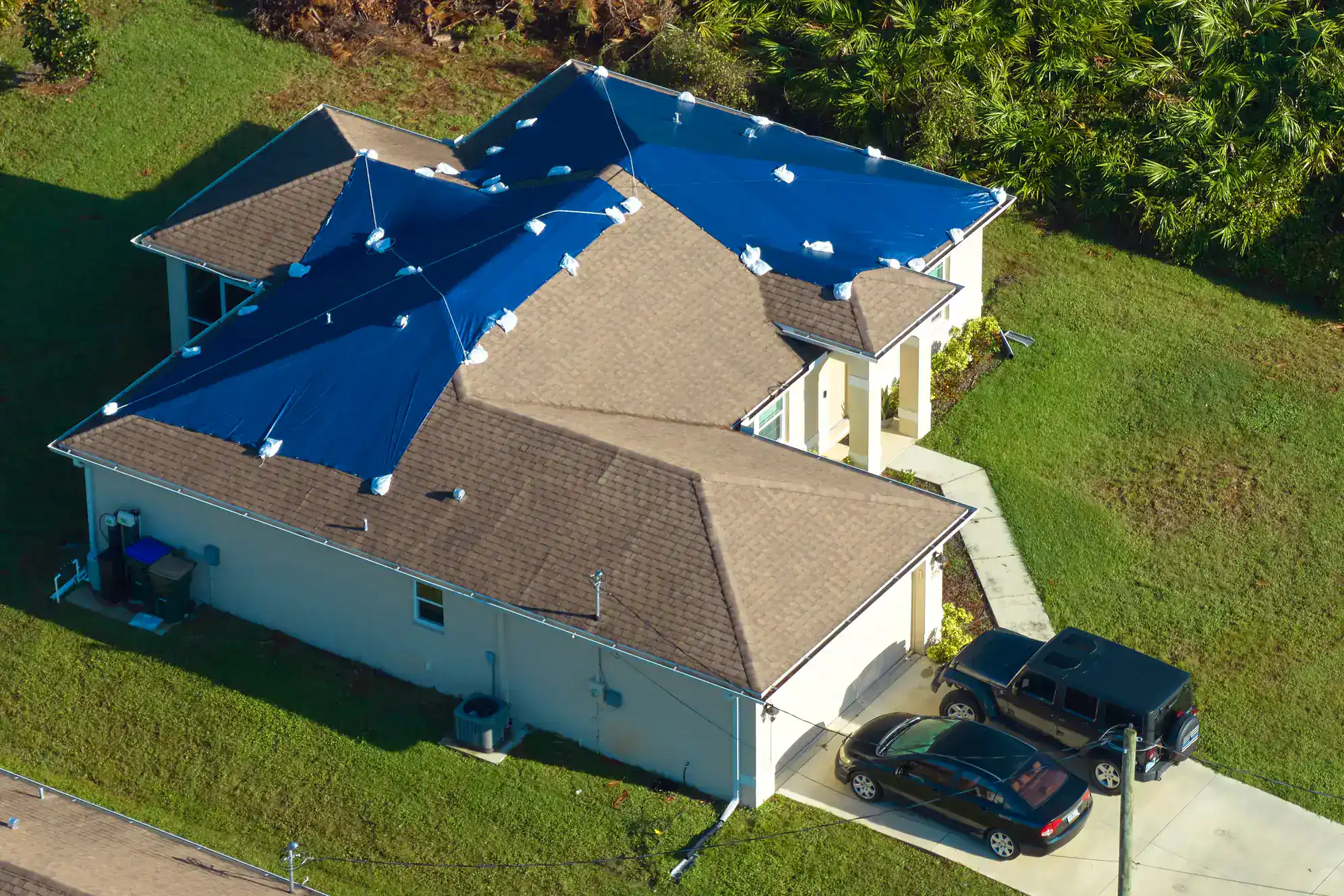
Storm Damage Roof Replacement Hillsdale, NJ
We handle residential roof replacement, residential roof installation, storm damage roof replacement, and commercial roof replacement in Hillsdale, NJ. Whether you’re dealing with wind damage from a Bergen County storm, granule loss on a 25-year-old asphalt shingle roof, or a full system that’s simply at the end of its life, the scope of work is built around what your specific home actually needs — not a one-size package.
For storm damage situations, the process includes full damage documentation and insurance claim navigation. Bergen County has a documented history of high-wind events and hail activity, and working through an insurance claim without contractor support often means leaving money on the table. We work directly with adjusters, help document the damage properly, and make sure your claim reflects the actual scope of the loss.
Every replacement includes a ventilation assessment, which matters more in Hillsdale than most people realize. Inadequate attic ventilation is one of the leading causes of premature shingle failure — and it’s extremely common in the mid-century homes that make up the majority of the borough’s housing stock. Addressing it during replacement isn’t an upsell; it’s what makes the new roof last as long as it’s rated to.
Does roof replacement in Hillsdale, NJ require a building permit?
Yes, in almost all cases. A full roof replacement in Hillsdale — which involves tearing off the existing material and installing a new system — requires a building permit under New Jersey’s Uniform Construction Code. The Borough’s Land Use Officer oversees permits and inspections, and skipping this step creates real problems down the road.
The most common issue unpermitted work causes is at resale. When a home in Hillsdale sells — and with median values between $700,000 and $900,000, the stakes are high — the disclosure process will surface unpermitted improvements. That can delay closing, reduce your negotiating position, or require costly remediation. We pull the permit as part of the job, handle the inspection process, and give you a documented record of the improvement that actually adds to your home’s value.
How do I know if my Hillsdale home needs a full replacement or just repairs?
The honest answer is that it depends on the age of the roof, the extent of the damage, and what the decking looks like underneath. A roof with one area of missing shingles after a storm might be a legitimate repair candidate. A roof that’s 25 or 30 years old, showing granule loss across multiple sections, with soft spots in the decking and failing flashing around the chimney — that’s a replacement.
In Hillsdale specifically, the median home construction year is 1959, which means a lot of roofs in this borough are either on their second or third cycle, or significantly overdue. If your home was built in the 1950s or 1960s and you’re not certain when the last replacement was done, a free inspection is the fastest way to get a straight answer. We’ll tell you exactly what we find — including if repairs are genuinely sufficient — because our reputation in a community this size depends on honest assessments, not overselling.
What roofing materials work best for Bergen County's climate?
Architectural asphalt shingles are the most common choice for residential roof replacement in Hillsdale and throughout Bergen County — and for good reason. They’re rated for the full range of Northeast weather stress: nor’easters, freeze-thaw cycles, summer hail, and sustained wind events. Quality architectural shingles from manufacturers like GAF carry impact resistance ratings and wind warranties that basic three-tab shingles simply don’t offer.
For Hillsdale’s ranches and capes specifically, the material choice matters less than the system design. A lower-pitched roofline needs proper ice and water shield coverage at the eaves and valleys to prevent ice dam infiltration — a real and recurring issue in northern Bergen County winters. Metal roofing is also an option for homeowners who want maximum longevity, typically rated for 40 to 50 years, though the upfront cost is higher. The right material for your home depends on your pitch, your budget, and how long you plan to stay — all of which gets covered during the free estimate.
Will homeowner's insurance cover my roof replacement in Hillsdale, NJ?
It depends on the cause of the damage. Insurance policies generally cover sudden, storm-related damage — wind, hail, a falling tree branch — but they typically don’t cover damage that results from age, wear, or deferred maintenance. Bergen County has a documented history of storm activity, including high-wind events and hail that have damaged hundreds of homes in a single incident, so legitimate storm damage claims in Hillsdale and the surrounding area are not uncommon.
The challenge most homeowners face is documentation. Insurance adjusters are experienced at minimizing claim payouts, and without proper damage documentation, you may receive a settlement that doesn’t cover the full scope of what your roof actually needs. We assist with the insurance claim process — documenting damage thoroughly, working with your adjuster, and making sure your claim reflects the real cost of a proper replacement. If you’ve had a recent storm event and you’re not sure whether your damage qualifies, the free inspection is the right first step.
How long does a roof replacement take on a Hillsdale home?
Most residential roof replacements in Hillsdale are completed in one to two days. The ranches, capes, and colonials that make up the majority of the borough’s housing stock are typically straightforward in terms of roofline complexity, which keeps the timeline efficient. Larger homes, steeper pitches, or roofs with multiple penetrations — chimneys, skylights, dormers — may add time, but you’ll know the expected schedule before the job starts.
Weather is the main variable in Bergen County, particularly in the fall and winter months when nor’easters and unpredictable temperature swings can affect scheduling. We communicate clearly about the timeline from the start, and if a weather delay affects your project, you’ll hear about it before the crew was supposed to arrive — not after. The goal is one clean installation, done right the first time, with no reason to come back and redo anything.
What makes us different from other roofers serving Hillsdale, NJ?
A few things that are worth knowing before you make a call. First, GAF certification — it’s not something every contractor can claim, and it unlocks enhanced system warranties that cover both materials and workmanship in a single written guarantee. If your contractor isn’t GAF certified, that level of coverage isn’t available to you, regardless of what they promise verbally.
Second, 17 years of consistent work in Bergen County means we’ve seen exactly the conditions that come with Hillsdale’s mid-century housing stock — the ventilation issues, the decking conditions, the flashing configurations common in 1950s and 1960s construction. That experience shows up in how the job is scoped, not just how it’s executed. And because we run on reviews and referrals in communities like Hillsdale — where neighbors talk and a bad job follows you — the incentive to do it right the first time is built into how we operate, not just stated in the marketing.