
Siding Installation in West Englewood, NJ
Bergen County Winters Don't Forgive Aging Siding
Hear from Our Customers
Residential Siding Contractors in West Englewood
Most West Englewood homes were built between 1940 and 1969. That’s not a criticism — it’s just reality. Homes that age have earned their wear, but the original cladding on a pre-war or mid-century home was never designed to last indefinitely. When siding starts to fail, it doesn’t just look tired. It lets moisture in behind the walls, and once that starts, you’re dealing with a much bigger problem than curb appeal.
New siding installation changes that equation immediately. You get a sealed, weather-resistant exterior that handles Bergen County’s freeze-thaw cycles without cracking, buckling, or admitting water. The difference in your energy bill is noticeable too — a properly installed siding system with the right housewrap underneath cuts down on drafts and heat loss that older West Englewood homes are notorious for.
There’s also the equity side of it. With a median home value around $730,000 in Teaneck and a neighborhood vacancy rate of just 0.6%, West Englewood homeowners aren’t going anywhere. They’re staying, and they’re investing. New siding is one of the highest-return exterior improvements you can make on a home you plan to keep — and in a neighborhood this dense, your exterior is always visible to the people around you.
Local Siding Company Serving West Englewood, NJ
We’ve been doing exterior renovation work across Bergen County for about ten years, with deep roots in West Englewood and the surrounding Teaneck area. Our business is family-operated, which means the people responsible for your project are the same people whose name is on the work — and we’re accountable to every homeowner we’ve served in this neighborhood.
Our primary focus is roofing, and that background matters more than it might seem for a siding job. When you replace siding on an older West Englewood home, you’re working with the full exterior envelope — not just the cladding. We understand how rooflines, flashing, and wall assemblies work together, which means we catch problems that a siding-only contractor might walk right past.
Fully licensed, insured, and registered under New Jersey’s Home Improvement Contractor program, we also hold certifications from major manufacturers — which is what unlocks enhanced product warranties that go beyond what a standard install covers. Free estimates and free inspections are standard. No pressure, no pitch, just an honest look at what your home actually needs.

Siding Installation Process in West Englewood, NJ
It starts with a free inspection. Before anything is quoted or scheduled, someone from our team walks your exterior and gives you an honest read on what’s there — what the current siding looks like, what’s underneath it, and whether you need a full replacement or something more targeted. For homes in West Englewood that were built before 1970, that inspection often turns up things like deteriorated sheathing or missing housewrap that need to be addressed before new siding goes on. You’ll know about all of it upfront.
From there, you get a written estimate. Not a ballpark — a written number that covers the scope of work, the materials, and the labor. That number doesn’t change unless you change the scope. Because siding replacement on a Teaneck Township property requires a building permit under local ordinance, we handle the permit process with the Teaneck Building Department on your behalf. You don’t have to figure out what forms to file or when inspections are scheduled.
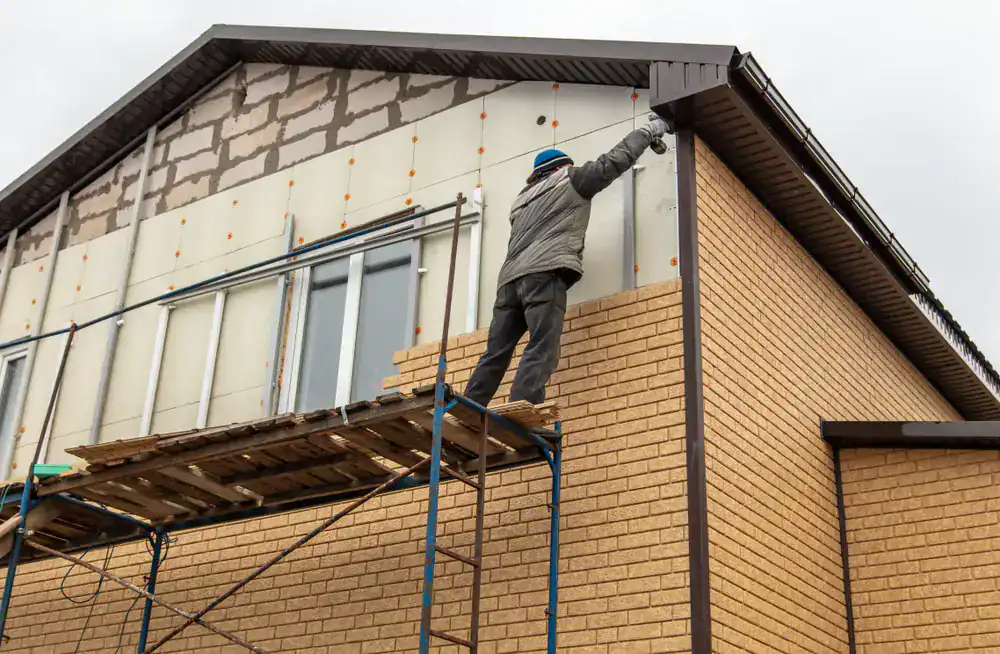
Once the permit is in hand and materials are staged, our crew gets to work. Old siding comes off, the substrate is inspected and corrected where needed, housewrap goes on properly, and new panels are installed with the correct fastening and expansion clearances for this climate. Bergen County’s temperature swings are real — vinyl installed without proper expansion gaps will buckle by July. The job finishes with a walkthrough so you can see exactly what was done before anyone leaves.

Ready to get started?
Vinyl Siding Contractors in West Englewood, NJ
Siding installation with us covers the full scope — not just the panels. That means removal and disposal of the existing siding, substrate inspection and repair where needed, proper housewrap installation, and new siding installed to manufacturer specifications. On older West Englewood homes, it’s common to find original wood sheathing beneath the existing cladding. If it’s soft, damaged, or missing sections, that gets addressed before anything new goes on. Covering a problem doesn’t fix it.
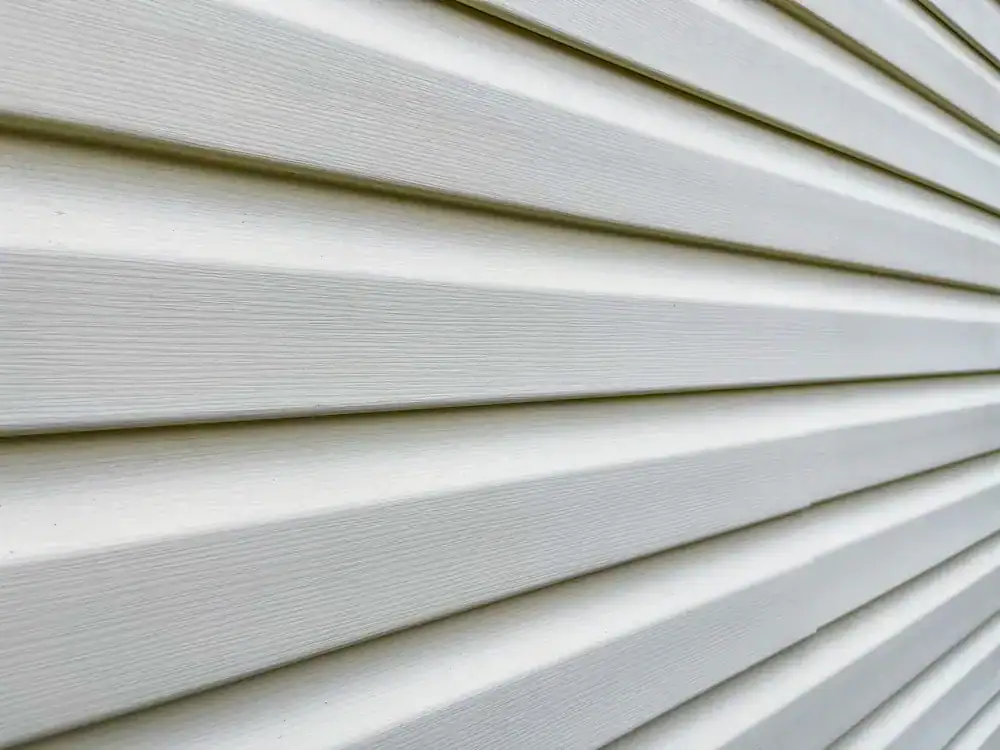
Material options include vinyl siding, fiber cement, and engineered wood — each with different performance profiles for Bergen County’s climate. Vinyl is the most common choice in this neighborhood: it handles moisture well, doesn’t require painting, and holds up through freeze-thaw cycles when installed correctly. Fiber cement is a heavier, more rigid option that works well on homes where the original architectural character matters — something worth considering on West Englewood’s pre-war stock. The right choice depends on your home, your budget, and how long you plan to stay. That conversation happens during the estimate, not after you’ve already committed.
Every installation includes manufacturer-certified workmanship, which is the only way to access enhanced warranty coverage on the product itself. For a home in West Englewood’s market, that warranty is real protection — not a formality. Gutters and exterior trim work can also be folded into the same project so you’re not coordinating multiple contractors for what is ultimately one exterior renovation.

Do I need a building permit for siding replacement in West Englewood, NJ?
Yes, in most cases. West Englewood is an unincorporated community within Teaneck Township, which means all permits fall under Teaneck’s Building Department at 818 Teaneck Road. Under Teaneck’s construction ordinance, full siding replacement is not considered ordinary maintenance — it requires a permit before work begins. Minor repairs to a few isolated panels may fall under the ordinary maintenance exemption, but if you’re replacing the majority of your home’s exterior cladding, you need a permit.
The permit process involves submitting an application, having the work inspected at certain stages, and receiving final sign-off. Skipping this step creates real problems: unpermitted work can complicate a future home sale, and in some cases it can affect your homeowner’s insurance coverage. We handle the permit process with the Teaneck Building Department as part of every full installation — you don’t have to navigate that on your own.
How do I know if my West Englewood home needs full siding replacement or just repairs?
The honest answer is that you often can’t tell from the outside alone — and that’s exactly why we offer free inspections. What looks like surface-level wear on a West Englewood home built in the 1950s or 1960s can sometimes be covering real moisture damage underneath. Warped or buckling panels, visible gaps at seams, paint peeling on the interior walls near the exterior, or a musty smell in rooms that share an exterior wall are all signs worth taking seriously.
A full replacement makes more sense when the damage is widespread, when the existing siding is original to a pre-1970 home, or when the substrate beneath is compromised. Targeted repairs are appropriate when the damage is isolated — a few storm-damaged panels, a section near a leaking gutter, that kind of thing. The inspection tells you which situation you’re actually in, and there’s no cost to find out.
What siding material holds up best against Bergen County winters and humidity?
For most West Englewood homes, vinyl siding is the most practical choice for this climate. It doesn’t absorb moisture, it won’t rot, and it doesn’t need to be repainted every few years the way wood does. The key is that it has to be installed correctly — vinyl expands and contracts with temperature changes, and if panels are nailed too tight, they’ll buckle in the summer heat or crack in a hard freeze. Bergen County gets both extremes, so proper installation technique matters as much as the material itself.
Fiber cement is worth considering if you have a pre-war home with architectural details you want to preserve — it holds paint well, resists impact, and has a more substantial look than vinyl. It’s heavier and costs more to install, but it’s built for Northeast weather. Engineered wood is another option that sits between the two in terms of cost and appearance. During your free estimate, we can walk you through which material makes the most sense for your specific home and how long you’re planning to stay.
How long does siding installation typically take on a home in West Englewood?
For a standard single-family home in West Englewood, siding installation typically takes between two and five days once our crew is on-site. The range depends on the size of the home, how many stories it is, and what’s found during the removal process. Older homes — and most of West Englewood’s housing stock falls into that category — sometimes reveal substrate issues that need to be addressed before new siding goes on. That adds time, but it’s time well spent. Covering a damaged substrate with new siding just delays a bigger problem.
Permit timing is a separate consideration. Teaneck Township’s Building Department processes permit applications on their own schedule, and that timeline is outside of any contractor’s control. We factor this into the project plan from the beginning so there are no surprises on the scheduling side. Once the permit is approved and materials are staged, the installation itself moves efficiently — the goal is always a clean, complete job with minimal disruption to your household.
Can storm damage to my siding in West Englewood be covered by homeowner's insurance?
It can be, depending on your policy and the cause of the damage. Bergen County gets its share of nor’easters, high winds, and hail events — all of which are documented causes of siding damage that homeowner’s insurance policies typically cover under the dwelling protection portion of a standard policy. If a storm has visibly damaged panels, caused sections to detach, or driven water into your wall assembly, that’s worth a conversation with your insurance provider before you pay out of pocket.
What matters is documentation. We can provide a detailed written assessment of the damage — what was affected, how it was caused, and what’s needed to restore the exterior. That kind of documentation is what insurance adjusters need to process a claim accurately. Whether the work ends up being covered or not, you’ll have a clear, written picture of what your home actually needs, which is useful regardless of how the insurance conversation goes.
How do I find a trustworthy siding contractor in West Englewood without getting burned?
Start with licensing. In New Jersey, every home improvement contractor is required to be registered under the NJ Home Improvement Contractor program administered by the Division of Consumer Affairs. It’s a quick lookup at the state’s website — if a contractor isn’t registered, working with them puts you outside the protections of the NJ Consumer Fraud Act. That matters in a market like Bergen County where the contractor landscape is competitive and not everyone operating here meets that basic legal threshold.
Beyond licensing, look for a written estimate before you commit to anything. A contractor who won’t put the number in writing before starting work is a contractor worth walking away from. Check Google reviews — not just the star rating, but the actual content of the reviews from real homeowners in the area. And ask whether the contractor pulls permits. In Teaneck Township, that’s not optional for a full siding replacement, and a contractor who tries to skip it is saving themselves time at your expense. We’re fully registered, fully insured, provide written estimates, and handle permitting as part of every project — those aren’t extras, they’re the baseline for doing this work correctly.