
Siding Installation in Tremont Park, NJ
Weather-Resistant Siding That Actually Lasts
Hear from Our Customers
Vinyl Siding Installation Tremont Park
You’re not just covering your house. You’re solving real problems that cost you money every month.
Modern vinyl siding installation cuts your energy bills by keeping heat in during winter and out during summer. That’s insulation working for you, not against you. You’ll notice the difference when your HVAC isn’t running overtime.
Your home’s value goes up too. Buyers see fresh siding and think “maintained, protected, move-in ready.” That’s an 80-95% return on investment according to industry data. Not many home improvements can say that.
And here’s what matters day-to-day: you stop worrying about weather damage. No more wondering if that storm did something you can’t see yet. Quality siding installation means your exterior is handled.
Tremont Park Siding Contractors
We’ve spent over ten years working on homes throughout Tremont Park and the surrounding New Jersey communities. We’re licensed contractors with certifications from major manufacturers, which means we know how to install siding the way it’s supposed to be done.
We’re a family-run siding company. That means when you call, you’re talking to people who actually care about the outcome. No runaround, no hidden costs, no surprises when the bill comes.
Tremont Park homes deal with the same weather challenges as the rest of central Jersey: high winds, heavy rain, temperature swings that test every exterior surface. We’ve seen what fails and what holds up. That experience shows up in how we approach your project.

Our Siding Installation Process
First, we come out for a free inspection and estimate. You show us what you’re dealing with, we assess the current condition, and we talk through your options. No pressure, just information.
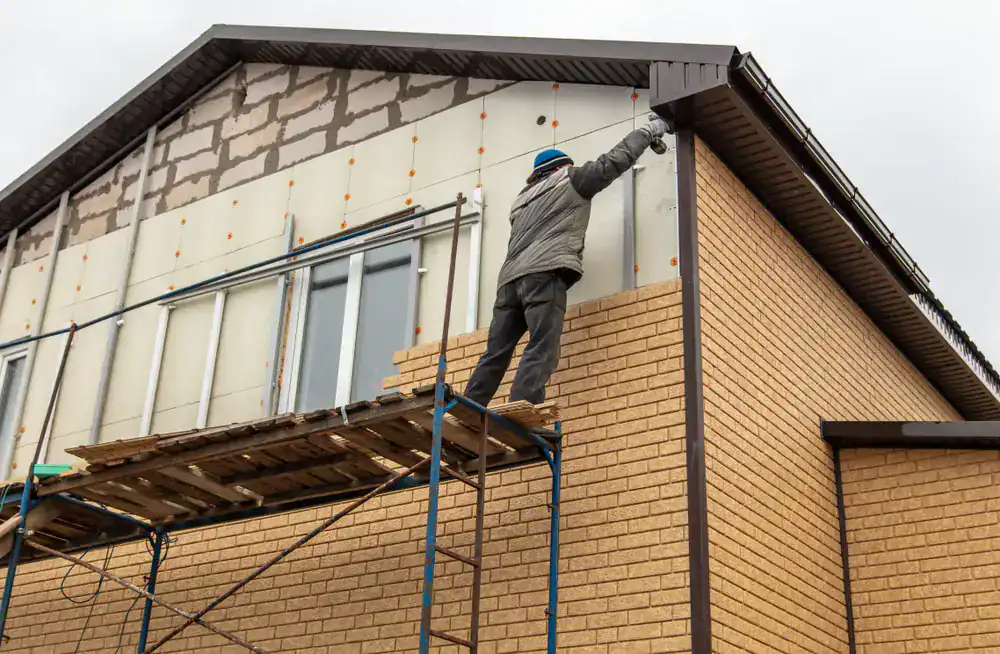
Once you’re ready to move forward, we schedule the work around your timeline. Our crew shows up when we say we will, preps your home properly, and removes the old siding if needed. Prep work matters—it’s what keeps water out and insulation in.
Then comes installation. We’re talking about securing each panel correctly, ensuring proper overlap, sealing vulnerable points, and checking that everything sits level and tight. Vinyl siding installers who skip steps create problems you’ll pay for later. We don’t skip steps.
After installation, we walk the property with you. You see the finished work, ask questions, and make sure you’re satisfied before we consider the job done. Then we clean up completely. Your yard shouldn’t look like a construction zone when we leave.

Ready to get started?
Siding Services Tremont Park NJ
You’re getting more than new siding. You’re getting a complete exterior upgrade designed for New Jersey’s climate.
We use vinyl siding materials built to handle the weather Tremont Park throws at homes. That means impact resistance for hail and debris, UV protection so colors don’t fade in two years, and insulation backing that actually makes a difference in your energy usage. Cheap siding looks fine until the first major storm. Quality siding keeps performing.
Our work includes proper flashing around windows and doors, moisture barriers where they’re needed, and attention to areas where most water damage starts. Corners, seams, transitions—these spots get extra care because they’re where problems show up first.
You also get transparent pricing up front. We tell you what it costs, what’s included, and why. If your project qualifies for insurance coverage due to storm damage, we’ll help you through that process. We’ve done it enough times to know what adjusters look for.
And because we’re local siding contractors who plan to stay in business, we stand behind our work. You’re not calling some 1-800 number if something needs attention. You’re calling us.

How much does vinyl siding installation cost in Tremont Park?
In Tremont Park and throughout New Jersey, vinyl siding installation typically runs between $4 and $12 per square foot installed. That range exists because not all siding is the same quality, and not all homes are equally straightforward to work on.
A 1,500 square foot home might cost $6,000 to $18,000 depending on material grade, insulation backing, and how much prep work your exterior needs. If we’re removing old siding, repairing sheathing, or dealing with tricky architectural details, that affects the number.
Here’s what matters more than the price: what you’re actually getting. Thicker vinyl lasts longer. Insulated backing cuts energy costs. Proper installation prevents water intrusion that leads to rot and mold. Cheap installation costs you more in the long run when you’re dealing with repairs or early replacement.
We give you a free estimate that breaks down exactly what you’re paying for. No guessing, no “depends on what we find” surprises unless we genuinely uncover hidden damage that couldn’t be seen before removal.
What's the best siding material for New Jersey weather?
Vinyl siding is the most popular choice in New Jersey for good reason. It handles our weather extremes without constant maintenance, doesn’t rot or attract pests, and costs significantly less than fiber cement or wood while lasting 20-30 years when installed correctly.
New Jersey hits you with everything: summer heat and humidity, winter freezing, spring storms with high winds, and the occasional hurricane remnants. Vinyl expands and contracts with temperature changes without cracking. It doesn’t absorb moisture, so freeze-thaw cycles don’t destroy it like they can with other materials.
The key is getting quality vinyl with proper thickness and impact resistance. Budget-grade vinyl gets brittle in cold weather and fades fast in UV exposure. Mid to high-grade vinyl includes stabilizers and UV protection that keep it looking good and performing well for decades.
Fiber cement is more durable but costs roughly twice as much and requires repainting every 10-15 years. Wood looks great but demands constant maintenance and loses the battle against moisture and insects. For most Tremont Park homeowners, insulated vinyl siding offers the best combination of performance, longevity, and value.
How long does siding installation take?
Most residential siding installations in Tremont Park take between 5 and 10 days depending on your home’s size and complexity. A typical single-family home around 1,500-2,000 square feet usually takes about a week.
Day one is often prep and removal of old siding if needed. Days two through four involve installing moisture barriers, insulation, and beginning panel installation. The final days cover finishing work, trim, sealing, and cleanup. Weather can extend this timeline—we’re not installing siding in heavy rain or extreme cold because it compromises the quality.
Larger homes, two-story installations, or homes with complex architectural features like multiple gables, bay windows, or decorative trim take longer. We’d rather take an extra day to do it right than rush and create problems you’ll discover later.
You can stay in your home during installation. It’s loud at times, and you’ll have crew members working around your exterior, but it’s not like a kitchen remodel where your daily life gets completely disrupted. We work efficiently and clean up at the end of each day.
Will new siding really lower my energy bills?
Yes, if you’re installing insulated vinyl siding and your current exterior has minimal insulation. How much you save depends on what you’re replacing and how much you’re currently spending.
Insulated siding adds an R-value of 2 to 4 to your exterior walls. That’s not massive, but it’s enough to reduce thermal transfer, which means your heating and cooling systems work less to maintain comfortable temperatures. Homeowners typically see 10-20% reductions in energy costs, which translates to $200-$500 annually for an average New Jersey home.
The bigger impact comes from eliminating air leaks. Old, damaged, or poorly installed siding lets air infiltrate around seams, corners, and penetrations. That drafty feeling in winter? That’s conditioned air escaping and outside air getting in. Proper siding installation with correct moisture barriers and sealing stops that.
You won’t see savings if your attic insulation is terrible or your windows are shot—those matter more for energy efficiency. But siding is part of your home’s thermal envelope, and upgrading it makes a measurable difference. Most homeowners notice the change within the first heating or cooling season.
Do I need to replace all my siding or can I repair sections?
It depends on how much damage you have, how old your current siding is, and whether we can match the existing material. Sometimes repair makes sense. Often, it doesn’t.
If you’ve got isolated damage from a fallen branch or a single cracked panel, repair is reasonable assuming your siding is less than 15 years old and we can source matching material. But if you’re seeing multiple problem areas, widespread fading, warping, or if your siding is 20+ years old, you’re better off replacing everything.
Here’s why: old siding that’s showing damage in visible spots usually has hidden issues too. You repair what you can see, then discover more problems six months later. Now you’ve paid for repairs and you still need replacement. That’s money wasted.
Matching old siding is also tough. Manufacturers change product lines, colors get discontinued, and even if we find the same style, weathered 15-year-old siding won’t match fresh panels. You end up with a patchwork look that hurts curb appeal.
During your free inspection, we’ll tell you honestly whether repair makes sense or if you’re throwing good money after bad. Sometimes the answer isn’t what you want to hear, but it’s what you need to know.
How do I know if a siding contractor is reliable?
Check three things: licensing, experience, and how they communicate. Those tell you most of what you need to know.
Licensed contractors carry insurance and have met state requirements. That protects you if something goes wrong. Ask for license numbers and verify them. If a contractor hesitates or makes excuses, walk away. In New Jersey, home improvement contractors must be registered with the state. It’s not optional.
Experience matters because siding installation has a learning curve. A crew that’s done hundreds of homes knows how to handle the weird situations that come up—rotted sheathing, out-of-square walls, tricky flashing details. Inexperienced installers learn on your house. That’s not what you’re paying for.
Communication tells you how the relationship will go. Do they show up when scheduled? Do they explain things clearly? Do they provide written estimates with specifics, or vague numbers that change later? Do they pressure you to decide immediately, or give you time to think? Trust your gut on this one.
Look at reviews, but read them critically. Every contractor has a bad review or two—sometimes customers are unreasonable. Look for patterns. If multiple people mention the same problem, that’s a red flag. If you see consistent praise for quality work and communication, that’s a good sign.
Other Services we provide in Tremont Park