
Roof Inspection in Tremont Park, NJ
Your Roof Takes the Hit So Your Home Doesn't Have To
Hear from Our Customers
Certified Roof Inspector in Tremont Park
Most roof problems don’t announce themselves. They show up quietly — a soft spot on the decking, granules collecting in the gutter, a shingle that lifted half an inch in a wind gust and never fully reseated. By the time there’s a stain on the ceiling, the damage has usually been building for months. A professional roof damage inspection catches those early signs before they turn into a full replacement conversation.
Tremont Park’s elevation changes everything. The Watchung ridge sits at roughly 450 feet, which means nor’easters hit harder here than in the valleys below, snow loads run heavier, and the freeze-thaw cycle crosses the 32-degree mark more often than lower-lying towns in Union County. That repeated freezing and thawing is exactly what creates ice dams — water that melts on the upper roof, runs to the colder eaves, and refreezes under your shingles. It’s one of the most common and most invisible sources of water damage in this neighborhood.
The wooded character of Tremont Park adds another layer. The Watchung Reservation borders this neighborhood, and all those mature trees mean constant debris on your roof — leaves, twigs, organic matter that holds moisture against your shingles and accelerates wear year-round. If your home was built between 1940 and 1969 — which describes most of the housing stock here — there’s a real chance the current roofing system is approaching the end of its useful life. A roof leak inspection in Tremont Park gives you the honest picture so you can make a smart decision, not a reactive one.
Roof Inspection Company in Tremont Park, NJ
We’ve spent the better part of ten years inspecting and repairing roofs across Union County — including the older, established homes throughout Tremont Park and the surrounding neighborhoods. This isn’t a company that parachutes in after a storm and disappears. We’re a family-run operation where the reputation is personal, and every assessment reflects that.
We hold contractor licenses and certifications from major shingle manufacturers — credentials that matter beyond the paperwork. Those certifications are what allow us to offer manufacturer-backed warranty coverage that most contractors simply can’t provide. In a neighborhood like Tremont Park where homes carry real value and real history, that kind of protection is worth understanding before you sign anything.
Free inspections aren’t a marketing gimmick for us. They’re how we introduce ourselves — by showing up, doing the work, and giving you a straight answer. If your roof is fine, you’ll hear that. If it’s not, you’ll know exactly why.

Licensed Roof Inspector in Tremont Park, NJ
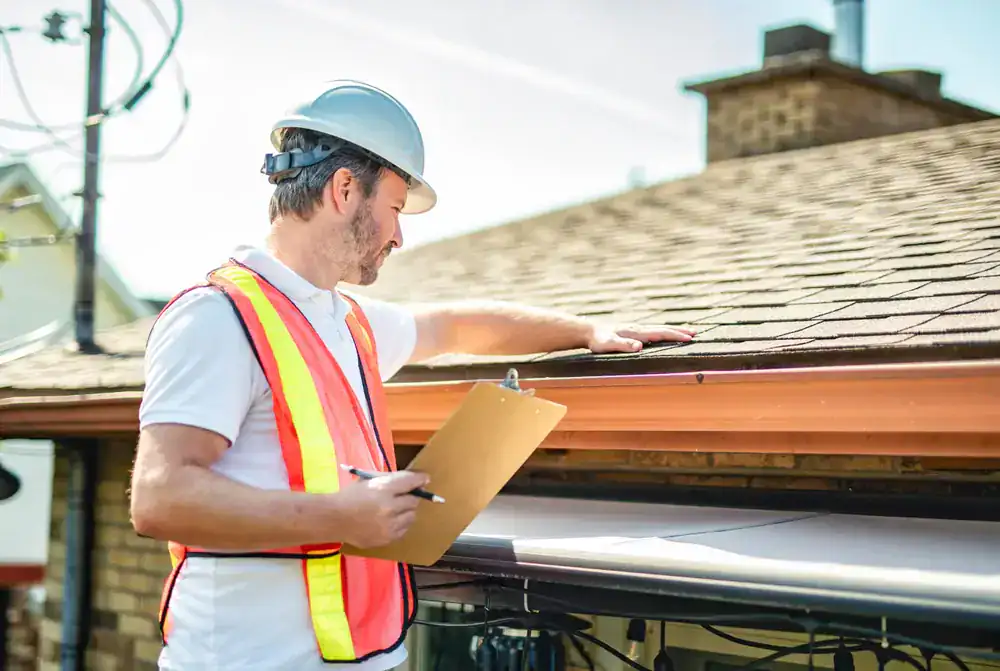
It starts with a call or a form submission — no lengthy intake process. Once you’re scheduled, one of our licensed roof inspectors comes to your Tremont Park home and conducts a full exterior assessment. That means getting eyes on the shingles, flashing, ridge line, valleys, soffits, fascia, and gutters. Everything connected to how water moves across and off your roof gets looked at.
Given the conditions specific to Tremont Park — the elevation, the tree canopy from the Watchung Reservation, and the age of the housing stock — the inspection is thorough by necessity, not just by habit. Ice dam damage along the eaves, debris-related wear from overhanging branches, granule loss on aging shingles, and any signs of lifted or compromised flashing all get documented. If there’s interior access that’s useful, that can be factored in as well.
After the inspection, you get a clear summary of findings. If repairs are needed, you’ll understand what they are and why — in plain language, not contractor shorthand. If work is recommended and you move forward, we handle the permit process through Summit’s Department of Community Services, which requires a building permit for roofing work. That’s not a step that gets skipped. You’ll know exactly what the next move is before anyone picks up a tool.
Ready to get started?
Roof Damage Inspection in Tremont Park, NJ
A roof inspection in Tremont Park from us covers the full exterior roofing system — not just a surface-level scan. Shingles, flashing, ridge caps, valleys, gutters, soffits, and fascia are all part of the assessment. So is the condition of any penetrations: vents, chimneys, skylights, anything that creates a potential entry point for water.
For homes in Tremont Park and the surrounding neighborhoods, the inspection specifically accounts for conditions common to this area. That includes moss and algae growth from prolonged debris contact, ice dam damage along lower roof sections, and wear patterns consistent with elevated wind exposure on the Watchung ridge. These aren’t generic checklist items — they’re the actual failure points that show up on older homes after years of real weather.
If your inspection reveals damage that qualifies for an insurance claim, the documentation we produce is detailed and photographic — the kind of record that holds up with an adjuster. We also handle roofing, gutters, and siding, so if a storm event affected more than just the shingles, everything can be assessed in a single visit. One inspection, one clear picture, one conversation about what comes next.

How often should Tremont Park homeowners schedule a professional roof inspection?
The general industry recommendation is twice a year — once in the spring after winter weather, and once in the fall before the freeze-thaw cycle starts again. For Tremont Park specifically, that timing matters more than it does in lower-elevation communities. Tremont Park sits at roughly 450 feet on the Watchung ridge, which means the roof has been under more stress than a home in the flatlands — heavier snow loads, more frequent freeze-thaw transitions, and higher wind exposure during nor’easters.
Spring is especially important here because that’s when ice dam damage becomes visible. Ice dams form when snow melts on the upper roof and refreezes at the colder eaves, forcing water under the shingles. By the time temperatures warm up in April or May, any damage that formed over the winter is ready to be found and addressed before summer heat compounds it. If your home was built in the 1950s or 1960s — which covers a significant portion of the Tremont Park housing stock — annual inspections aren’t optional. They’re how you stay ahead of a roof that’s working through the back half of its lifespan.
What does a roof inspection actually include, and how long does it take?
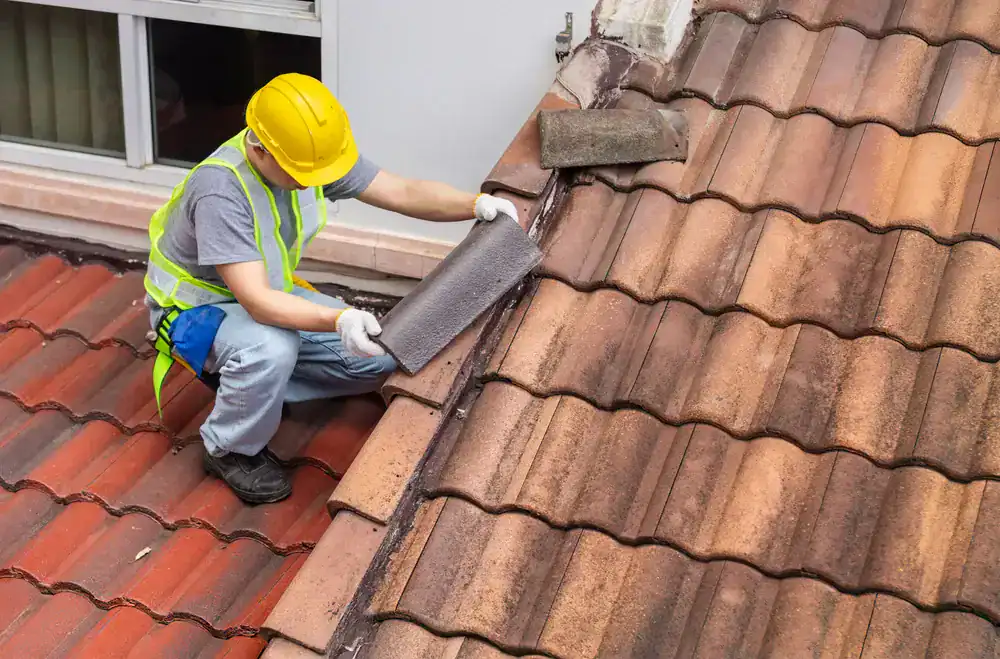
A thorough roof inspection covers every component of the exterior roofing system — shingles, flashing, ridge caps, valleys, gutters, soffits, fascia, and any roof penetrations like vents or chimneys. We’re looking for signs of wear, lifting, cracking, granule loss, water intrusion, and anything that’s compromising the roof’s ability to shed water properly. It’s not a quick walk around the yard — it’s a systematic assessment of how the entire system is holding up.
For most single-family homes in Tremont Park, a complete inspection takes roughly one to two hours depending on roof complexity, pitch, and the number of penetrations. Older homes with steeper pitches, multiple dormers, or significant tree canopy overhead may take longer. After the inspection, you’ll receive a clear summary of findings — what’s in good shape, what needs attention, and what’s borderline. There’s no ambiguity in the report, and no pressure attached to it. The goal is to give you accurate information, not to manufacture a sales conversation.
Does roofing work in Summit, NJ require a building permit?
Yes — the City of Summit requires a building permit for roofing work, administered through the Department of Community Services at City Hall on Springfield Avenue. This isn’t optional, and it’s not something a reputable contractor skips. Working without a permit in Summit can void your manufacturer warranty, create complications with your homeowner’s insurance, and leave you without legal protection if something goes wrong during or after the project.
This is one of the more important questions to ask any contractor before they start work on your home. We’re fully licensed and handle the permit process correctly — pulling the required permits before work begins and scheduling inspections through the city as required. If you’ve had roofing work done in Summit in the past and you’re not sure whether permits were pulled, that’s worth checking. It can affect your coverage and your ability to sell the home down the road, since permit history is something buyers and their inspectors look at.
What are the signs that my roof has ice dam damage after a winter in Tremont Park?
Ice dam damage isn’t always obvious from the ground, which is part of what makes it dangerous. The most visible exterior sign is often a water stain or discoloration on the soffit or fascia near the eaves — areas where water backed up under the shingles and eventually found a way through. On the interior, you might notice water stains on ceiling drywall near exterior walls, particularly in upper-floor rooms or in attic spaces near the eave line.
On the roof surface itself, a licensed inspector will look for shingles that have lifted or lost adhesion along the lower sections of the roof, damaged or displaced flashing near the eaves, and any signs of granule loss concentrated in areas where ice contact was heaviest. In Tremont Park, where the elevation creates more frequent freeze-thaw cycles than most of Union County, ice dam formation is a recurring risk — not a once-in-a-decade event. The best time to assess for this damage is in the spring, once temperatures stabilize and the full extent of any winter impact becomes visible. Waiting until fall means letting any compromised areas sit through a full summer, which typically makes things worse.
Can a roof inspection help with a homeowner's insurance claim in New Jersey?
It can make a significant difference. When you file a claim for storm or wind damage, the insurance adjuster’s assessment isn’t the only data point that matters. A detailed inspection report from a licensed roof inspector — with photographic documentation of the damage — gives you an independent record of what was found and when. That documentation supports your claim and reduces the risk of a disputed or underpaid settlement.
In the Union County area, wind and storm events are common enough that insurance claims for roof damage aren’t rare. After a nor’easter or a summer wind event, adjusters are often moving quickly through a high volume of claims. Having professional documentation ready — specific, photographic, and produced by a credentialed contractor — puts you in a much stronger position than a verbal account alone. We produce inspection reports that are detailed enough to hold up in that process. If you’re considering filing a claim or have already started one, getting a professional inspection documented before repairs begin is the right order of operations.
Is it worth getting a roof inspection before listing a home for sale in Tremont Park, NJ?
For most Tremont Park homeowners, yes — and the reasoning is straightforward. Roof condition is one of the most commonly flagged items in buyer home inspections, and in a market like Tremont Park where buyers are educated and working with thorough inspectors, a roof issue discovered mid-transaction can stall or kill a deal. Getting ahead of it with a pre-listing roof inspection gives you time to address anything that would otherwise show up as a negotiating chip for the buyer.
The age of the housing stock in Tremont Park makes this especially relevant. A home built in the 1950s or 1960s that has had one roof replacement is likely sitting on a system that’s 20 to 30 years old — right in the range where buyers and their inspectors start asking hard questions. Knowing the condition before you list means you can either make repairs with a contractor you chose on your own timeline, disclose accurately, or price accordingly. Any of those is a better position than being surprised by a buyer’s inspector two weeks before closing. A free roof inspection from us gives you that information at no cost, so the decision about what to do with it stays in your hands.
Other Services we provide in Tremont Park