
Siding Installation in River Vale, NJ
Bergen County Winters Don't Forgive Aging Siding
Hear from Our Customers
Siding Contractors in River Vale, NJ
When siding fails in River Vale, it rarely fails all at once. It fades, cracks, warps, and quietly lets moisture find its way behind the wall. By the time you notice a problem inside the house, it’s been building for years. Good siding installation stops that process before it becomes a structural repair bill.
River Vale’s housing stock tells the story clearly. The median home here was built around 1967, and a significant portion of the township’s homes go back to the 1940s and 1950s. That means a lot of original or once-replaced siding that’s been cycling through Bergen County winters — the freeze-thaw, the nor’easters, the humid summers — for 50 to 80 years. Vinyl that old gets brittle. It loses its seal. It stops doing its job.
New siding changes the equation on multiple fronts. Your home holds heat better in winter and stays cooler in summer. The exterior looks the part in a neighborhood that clearly takes pride in how things look — from the River Vale Country Club corridor down through the residential streets off Westwood Avenue. And if you’re thinking about what your home is worth in this market, curb appeal in a town where median list prices approach $965,000 isn’t a minor detail.
Local Siding Company Serving River Vale, NJ
We’ve been working on homes across Bergen County for close to ten years, and we started with roofing before building outward to gutters, siding, and full exterior renovations. That progression matters because most exterior problems don’t stop at one system. A contractor who only sees the siding misses the flashing issue above it or the gutter problem driving water toward it.
That full-picture approach is especially important for River Vale homes. The township’s older colonials and split-levels sit on larger lots with significant exterior surface area, which means there’s a lot to get right. We’re licensed, carry manufacturer certifications, and are fully insured — not because it sounds good, but because that’s what protects you if anything goes sideways on a two-story installation.
We grow through reviews and referrals, not ad spend. That’s not a small distinction. It means every project has to stand on its own.

Residential Siding Contractors in River Vale, NJ
It starts with a free inspection and estimate. We come out, look at what you have, and give you an honest read on whether you’re looking at full replacement or targeted repair. For older River Vale homes — especially those built before 1970 — that inspection often turns up substrate issues, failed housewrap, or moisture damage behind the existing panels. You’ll know about any of that before a single panel comes off, not after.
Once the scope is agreed on and the written estimate is signed off, materials are ordered and a start date is set. If your project requires a permit through the River Vale Building Department on Rivervale Road, we handle that process upfront. Most standard siding replacements in New Jersey don’t require a permit, but any structural substrate work does — and skipping that step creates problems at resale.
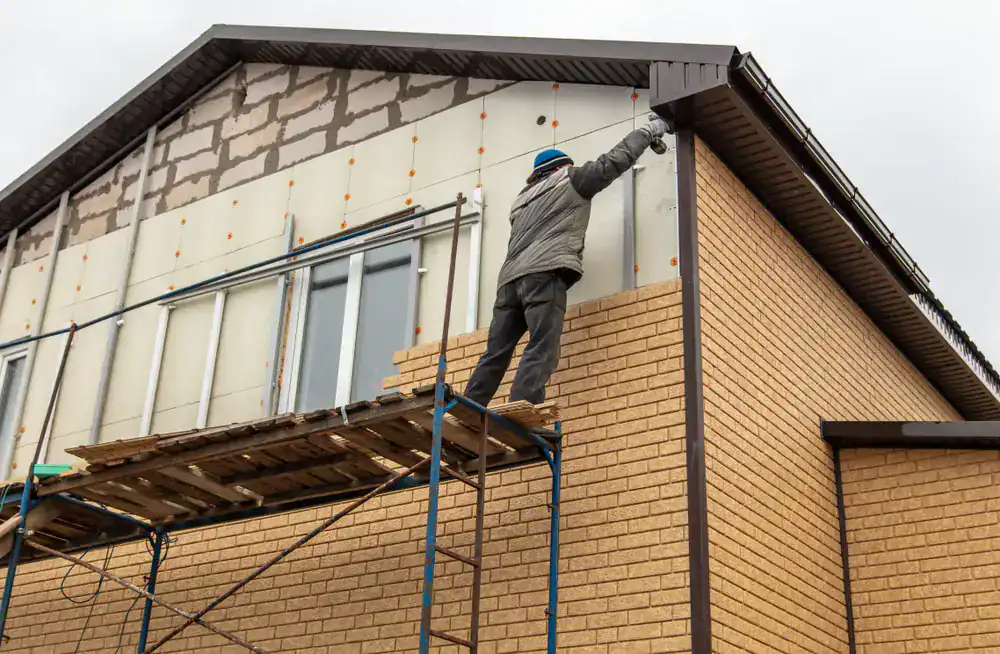
Installation follows a sequenced process: old siding comes off, the substrate is inspected and repaired where needed, housewrap goes on correctly, and new panels are installed with the fastening pattern and overlap specs the material and climate require. Bergen County freeze-thaw cycles mean thermal expansion isn’t optional to plan for — it’s built into how we do the job. When we leave, the site is clean and the work is ready for whatever this season throws at it.

Ready to get started?
Vinyl Siding Contractors in River Vale, NJ
Not every siding material makes sense for every home, and the right answer depends on more than budget. For River Vale homes built in the mid-20th century, the material choice affects long-term performance in a climate that includes hard winters, humid summers, and storm seasons that test every seam and corner.
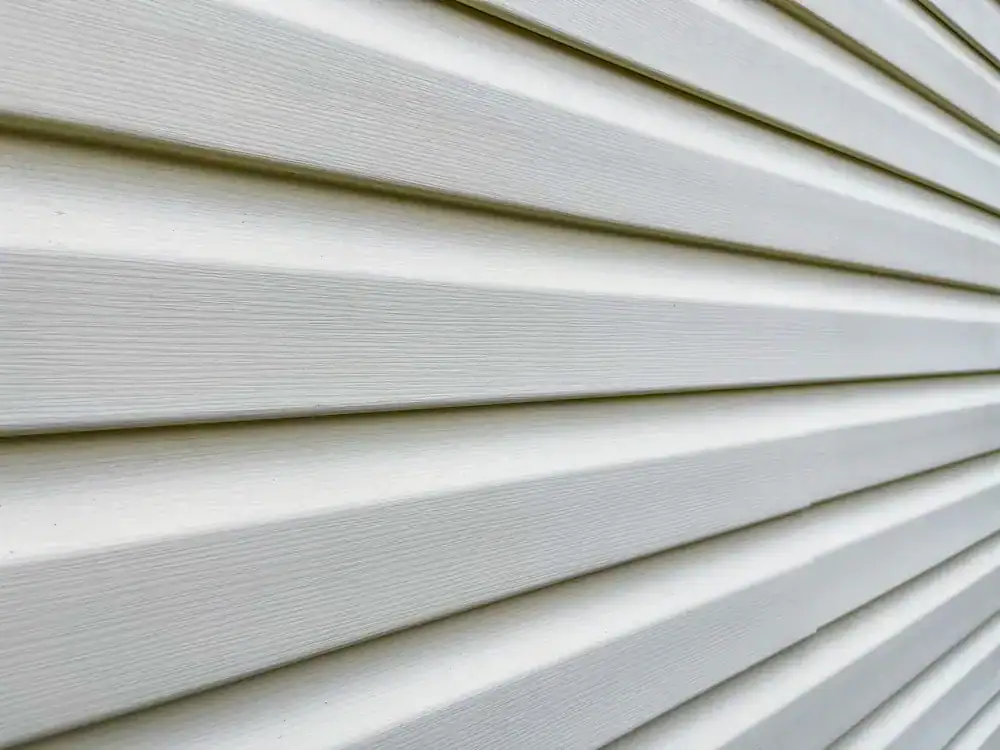
Standard vinyl siding is the most common choice — durable, low-maintenance, and available in profiles that suit the colonials and split-levels that make up most of River Vale’s residential stock. Insulated vinyl adds a foam backer that reduces thermal bridging through the wall studs, which matters in a 60-year-old house that was built well before modern energy codes. For homeowners who want something that reads more like wood without the maintenance demands, fiber cement — James Hardie being the most recognized name — holds up exceptionally well in the Northeast and carries strong warranty coverage when installed by a certified contractor.
Every installation we do includes proper housewrap and moisture barrier work, flashing at all windows, doors, and penetrations, and correct fastening for the material being used. There are no shortcuts on those details, because that’s where most siding failures actually start. You’ll get a written estimate before anything begins, and the final number won’t drift from what was agreed on without a conversation first.

Does siding installation in River Vale, NJ require a building permit?
For most standard siding replacements in New Jersey — swapping out old vinyl or fiber cement for new material on a one- or two-family home — a permit is generally not required. The exception is when the work involves structural repairs to the sheathing, framing, or any load-bearing components behind the siding. In those cases, a permit through the River Vale Building Department at 406 Rivervale Road is required before work begins.
This matters more than people expect. If unpermitted structural work is discovered during a home sale inspection, it can delay or kill a transaction — and in a market where River Vale homes are trading near $900,000 or more, that’s a real risk. A legitimate contractor will tell you upfront whether your project triggers a permit requirement and handle the application if it does. If a contractor tells you permits are never needed for siding work without even looking at what’s behind your current panels, that’s worth paying attention to.
How do I know if my siding needs full replacement or just repairs?
The honest answer is that you usually can’t tell from the outside alone. Siding that looks cosmetically rough — faded, a few cracked panels, some warping — might be fine structurally. But siding that looks acceptable from the street can be hiding moisture damage, failed housewrap, or rotted sheathing that a surface-level repair won’t fix.
For River Vale homes built in the 1960s or earlier, the odds of finding something behind the existing panels are higher than most homeowners expect. Decades of Bergen County winters mean freeze-thaw cycling has been working on every seam and fastener point for 50 or 60 years. A proper inspection — not just a visual walkthrough from the driveway — is the only way to know what you’re actually dealing with. That inspection is free, and it gives you a clear answer before you commit to anything.
What siding material holds up best through Bergen County winters?
For most River Vale homes, insulated vinyl and fiber cement are the two strongest performers in this climate. Standard vinyl is reliable and low-maintenance, but it does become more brittle in sustained cold — which matters during Bergen County winters when temperatures drop hard and stay there for stretches. Insulated vinyl, which has a foam backing bonded directly to the panel, holds its shape better under thermal stress and adds meaningful R-value to an older wall assembly.
Fiber cement — James Hardie is the most widely used brand — handles freeze-thaw cycling exceptionally well and doesn’t expand and contract the way vinyl does. It’s heavier, costs more, and takes longer to install, but it carries some of the strongest warranties in the industry when installed by a certified contractor. For a home in River Vale that was built before modern energy codes and sits on a larger lot with significant exterior exposure, fiber cement is worth the conversation. The right answer depends on your home’s specific conditions, which is exactly what the free inspection is for.
How long does a full siding installation typically take to complete?
For a typical River Vale colonial or split-level — roughly 1,500 to 2,000 square feet of siding surface — a full replacement usually runs two to four days of active installation once materials are on site. That timeline assumes the substrate is in reasonable condition. If the inspection turns up moisture damage, rotted sheathing, or failed housewrap that needs to be addressed before new siding goes on, add time for that work.
Scheduling lead times vary by season. Spring and early fall are the busiest periods in Bergen County — homeowners are assessing winter damage, real estate activity picks up, and contractors book out four to eight weeks during peak demand. If you’re planning a project for spring, getting an estimate in late winter gives you the best shot at your preferred timeline. Summer installations are generally smooth from a weather standpoint, though humidity is something the crew accounts for during housewrap installation. Winter work is possible with the right materials and technique, but vinyl installation below 40°F requires extra care — it’s not something every crew handles correctly.
What's the difference between a licensed siding contractor and an unlicensed one in New Jersey?
In New Jersey, all home improvement contractors are required to be registered with the NJ Division of Consumer Affairs under the Home Improvement Contractor registration program. Hiring someone who isn’t registered isn’t just a risk — it’s a situation where the Consumer Fraud Act doesn’t protect you if something goes wrong. No registration means no legal recourse beyond a civil dispute you’d have to pursue on your own.
Beyond the registration requirement, licensed and certified contractors carry general liability insurance and workers’ compensation coverage. That second one matters more than most homeowners realize. If a crew member is injured on your property and the contractor doesn’t carry workers’ comp, you may be exposed to liability for that injury. Before signing anything with any contractor in River Vale, ask for their NJ HIC registration number and a certificate of insurance. A legitimate operation hands those over without hesitation. One that hedges or deflects is telling you something important.
Is fall a good time to schedule siding installation in River Vale, NJ?
Fall is actually one of the better windows for siding work in River Vale, and a lot of homeowners don’t take advantage of it. Temperatures in September and October are ideal for vinyl and fiber cement installation — cool enough for comfortable working conditions, warm enough that materials behave predictably. The nor’easter season that starts in October also creates real urgency for homeowners who already know their siding has issues. Getting ahead of that before the first major storm of the season is a straightforward call.
The practical consideration is timing. Fall books up quickly for the same reason spring does — everyone wants work done before winter. If you’re thinking about a fall installation, reaching out in August or early September gives you the most flexibility. Waiting until October means you’re competing with a lot of other River Vale homeowners who had the same idea. A free estimate costs nothing and locks in your place in the schedule, so there’s no reason to wait until you’re watching a storm roll in off the Pascack Valley and wondering if your siding is going to hold.