
Siding Installation in River Edge, NJ
River Edge Homes Deserve More Than a Fresh Coat of Vinyl
Hear from Our Customers
Siding Contractors in River Edge, NJ
A lot of River Edge’s housing stock was built in the post-war era — Colonials, Cape Cods, and ranches that have been standing since the 1940s and 60s. If the siding on your home hasn’t been replaced in the last 30 to 40 years, there’s a real chance it’s failing in ways that aren’t obvious from the street. Warped panels, gaps at the seams, and deteriorating housewrap behind the surface are common in homes this age — and the longer they go unaddressed, the more damage quietly builds underneath.
River Edge sits right along the Hackensack River, and that proximity means your exterior deals with higher ambient humidity than most inland communities in Bergen County. Moisture that gets behind failing siding doesn’t dry out quickly here — it works into the substrate, creates conditions for mold, and starts breaking down the structure underneath. New siding, installed correctly with a proper moisture barrier and flashing, stops that cycle before it becomes a much more expensive problem.
Beyond protection, there’s the practical reality of the River Edge real estate market. Homes here have been selling well above list price, with the median sale price pushing past $850,000. Buyers notice the exterior first, and updated siding directly affects how your home is perceived — and what it sells for. Whether you’re staying for the long haul or thinking about listing, the exterior condition of your home matters more here than in most markets.
Local Siding Company Serving River Edge, NJ
We’ve been working on Bergen County homes for close to ten years, with significant experience across River Edge’s distinctive post-war residential neighborhoods. Not as a franchise, not as a call center that dispatches whoever’s available — as a family-run operation where the people doing the work are accountable for the outcome. That matters in a community like River Edge, where the exterior condition of your home is visible on every block and a contractor’s reputation travels fast.
We hold contractor licenses and certifications from major manufacturers, which isn’t just a credential — it’s what unlocks the full product warranty coverage on your siding. An uncertified installer can use the same materials and still leave you with reduced or voided warranty protection. That’s a detail a lot of homeowners don’t find out until it’s too late.
From the Clarendon Estates neighborhood to the streets near New Bridge Landing, the homes in River Edge have specific characteristics that come with age. Our experience with this housing stock means fewer surprises mid-project and better results when the job is done.

Residential Siding Contractors in River Edge, NJ
It starts with a free inspection. Before anything is quoted or scheduled, we take a real look at your current siding — not just the surface, but what’s happening at the seams, around windows, and at the base where moisture tends to collect first. On a lot of River Edge homes, that inspection reveals issues that weren’t visible from the driveway, and it’s better to know upfront than to discover them halfway through a project.
From there, you get a written estimate that breaks down materials, labor, and scope. The number in the estimate is the number on the invoice — no surprise charges, no scope creep, no add-ons that weren’t discussed. If you have questions about material options or what makes sense for your specific home, that conversation happens before anything is signed, not after.
One thing worth knowing for River Edge specifically: the Borough Building Department requires a permit for siding work, and zoning review has to be completed before that permit can even be submitted — no exceptions, per the borough’s own language. We handle this process correctly. That means your project is on the right side of the borough’s requirements, which protects you at resale and keeps your homeowner’s insurance intact. Work begins once permits are in order, and our crew works efficiently to minimize disruption — especially important for the significant portion of River Edge residents who work from home.

Ready to get started?
Vinyl Siding Contractors in River Edge, NJ
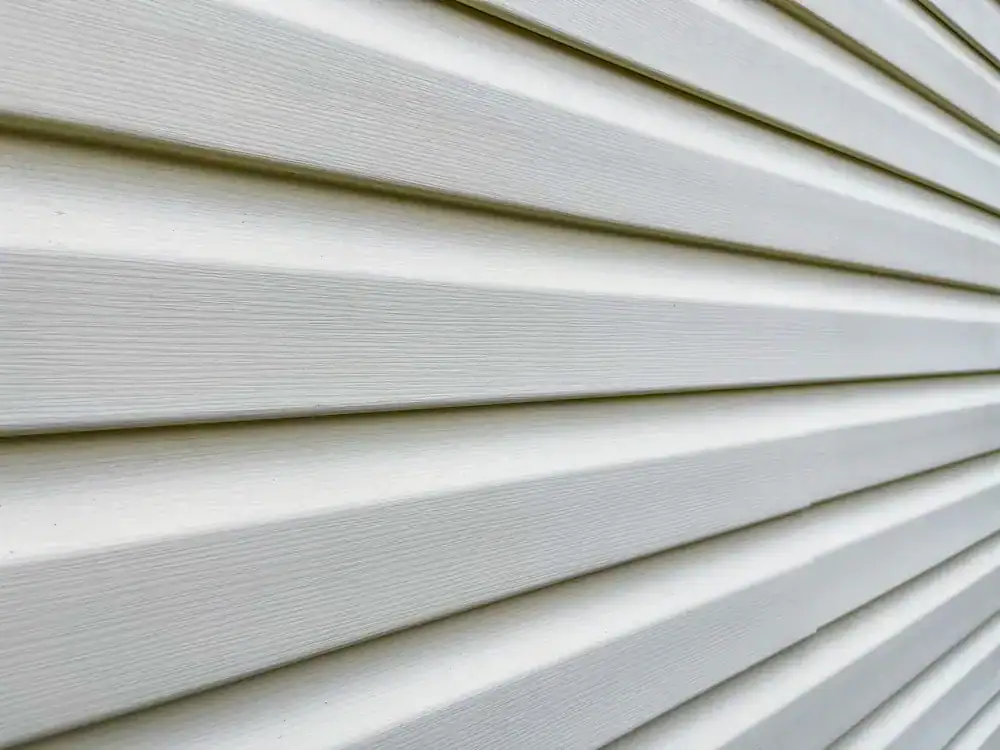
Vinyl siding is still the most common choice for River Edge homeowners, and for good reason — it holds up well, requires minimal maintenance, and comes in a range of profiles that work with the Colonial and Cape Cod styles that define so much of the borough’s residential character. But vinyl isn’t the only option, and it isn’t always the best one depending on your home’s specific situation. Fiber cement siding — most notably James Hardie — has grown significantly in this market because of its dimensional stability, resistance to moisture, and the fact that it doesn’t crack or warp through freeze-thaw cycles the way older vinyl can.
We have this material conversation with every homeowner before the project starts. What works on a 1960s ranch near Kinderkamack Road might not be the right call for a two-story Colonial closer to Route 4. Substrate condition, existing trim profiles, and the home’s exposure to moisture and sun all factor into what’s going to perform best over the next 20 to 30 years.
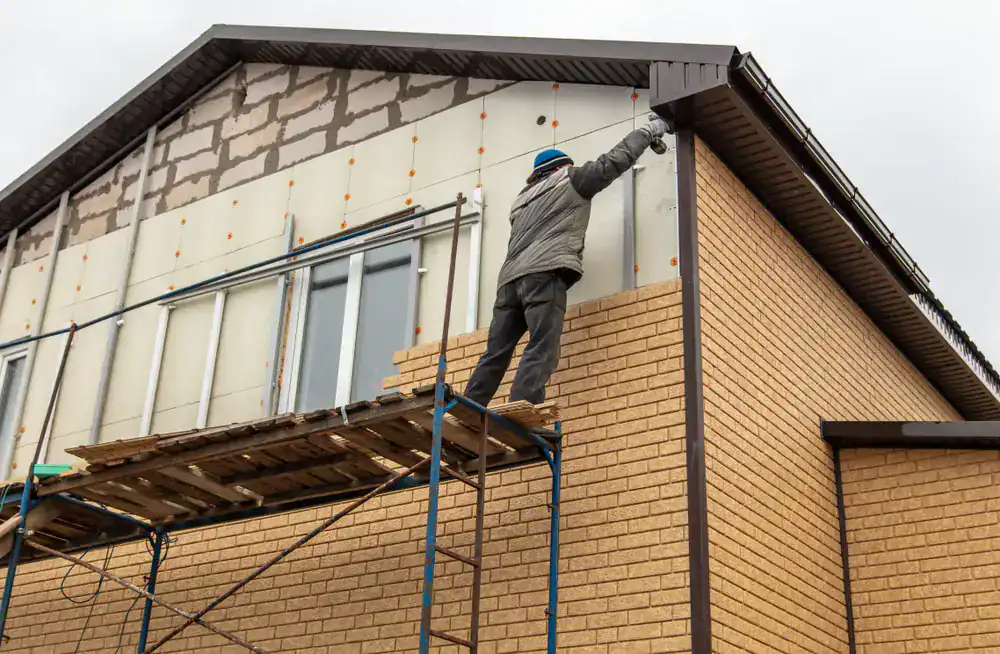
Every siding installation we complete includes proper housewrap installation, correct fastening with manufacturer-specified expansion gaps, and flashing at all penetrations and transitions. In a climate like Bergen County’s — where humidity off the Hackensack River valley combines with hard winters and wet springs — those details aren’t optional. They’re what separates a siding job that lasts from one that starts showing problems in five years.

Do I need a permit for siding installation in River Edge, NJ?
Yes — and the process in River Edge has a specific sequence that’s worth understanding before you hire anyone. The Borough Building Department explicitly lists siding as a permit-required activity, and zoning review must be completed and approved before a building permit can even be submitted. The borough’s own language states “no exceptions” on that requirement. That means any contractor who suggests skipping the permit or treating it as optional is either unfamiliar with River Edge’s specific process or is cutting corners that could create real problems for you later.
Unpermitted siding work can surface as a compliance issue when you sell your home, potentially delaying closing or requiring costly remediation. It can also affect your homeowner’s insurance coverage if a claim involves work that wasn’t properly permitted. We handle the permitting process as part of the project — correctly, in the right order, with no shortcuts.
How much does siding installation typically cost for a River Edge home?
The honest answer is that it depends on the size of your home, the material you choose, and what the inspection reveals about your current substrate and housewrap condition. For a typical single-family home in River Edge — a Colonial, Cape Cod, or ranch in the 1,500 to 2,500 square foot range — vinyl siding installation generally runs somewhere between $8,000 and $18,000 depending on material grade and project scope. Fiber cement siding runs higher, typically $15,000 to $30,000 or more for a full installation, reflecting the material cost and the additional labor involved.
What affects the number more than anything else is what’s found during the inspection. Post-war homes in River Edge sometimes have substrate damage or deteriorated housewrap that needs to be addressed before new siding goes on. That work adds to the cost, but it’s not optional — installing new siding over a compromised substrate is one of the most common reasons siding fails prematurely. A written estimate from us will break down exactly what’s included so you know what you’re getting before any work begins.
What type of siding holds up best in Bergen County's climate?
Bergen County’s climate puts real stress on exterior cladding. You’re dealing with cold winters, multiple freeze-thaw cycles per season, wet springs, and humid summers — especially in areas close to the Hackansack River like River Edge. The material that performs best depends on your priorities, but a few things are worth knowing.
Vinyl siding is durable and low-maintenance, but older or lower-grade vinyl can become brittle in cold temperatures and crack through repeated freeze-thaw cycling, particularly if it wasn’t installed with proper expansion gaps the first time. Higher-grade insulated vinyl performs significantly better in this climate. Fiber cement siding — James Hardie being the most established brand — is dimensionally stable through temperature swings, resistant to moisture absorption, and doesn’t crack or warp the way vinyl can under extreme conditions. It’s a higher upfront investment but tends to outperform in climates like Bergen County’s over a 20 to 30 year timeline. The right call for your home depends on your budget, your substrate condition, and how long you plan to stay — all things worth discussing during a free inspection before committing to a material.
How do I know if my siding needs to be replaced or just repaired in River Edge?
There are situations where targeted repairs make sense — a few cracked panels, minor impact damage, a section that’s pulling away from the wall. But there are clear signs that replacement is the better call, and on River Edge’s older housing stock, those signs come up more often than homeowners expect.
If your siding was installed in the 1980s or 1990s, it’s likely at or past the end of its useful life regardless of how it looks from the street. Vinyl siding typically lasts 20 to 40 years, and once it starts failing, repairs tend to be a short-term fix that delays the inevitable. More importantly, the real concern isn’t always the siding itself — it’s what’s happening behind it. Moisture damage to the housewrap or substrate, mold growth in the wall cavity, and wood rot at the base are common findings in homes this age, particularly in River Edge where humidity levels near the Hackensack River accelerate deterioration. A free inspection will tell you what you’re actually dealing with, so you’re not guessing or committing to a repair that doesn’t solve the underlying problem.
How long does a siding installation project take for a typical River Edge home?
For a standard single-family home in River Edge — a Colonial or Cape Cod in the 1,500 to 2,500 square foot range — most siding installations take between three and seven days of active work, depending on the size of the home, the material being installed, and whether any substrate or housewrap repairs are needed once the old siding comes off.
The part that adds time on the front end is the permitting process. Because River Edge requires both zoning review and a building permit before work can begin, there’s a municipal review period to account for. That timeline varies depending on the borough’s current volume, but it’s typically factored into the project schedule from the start. We coordinate the permitting process as part of the project, so you’re not managing that piece separately. If you work from home — and a significant number of River Edge residents do — our crew works efficiently and cleans up at the end of each day so the disruption to your workday stays minimal.
How do I find a legitimate, licensed siding contractor in River Edge, NJ?
New Jersey requires all home improvement contractors to register with the NJ Division of Consumer Affairs under the Home Improvement Contractor Registration program. This isn’t optional — it’s a legal requirement under the Consumer Fraud Act, and working with an unregistered contractor leaves you without legal recourse if something goes wrong. The simplest step you can take is to ask any contractor you’re considering for their NJ HIC registration number and verify it independently through the Division of Consumer Affairs website before signing anything.
Beyond registration, look for a contractor who carries general liability insurance and workers’ compensation coverage, pulls permits correctly for River Edge’s two-step process, provides a written and itemized estimate, and has a verifiable track record of completed work in Bergen County. Reviews matter here — not the number of stars, but the substance of what homeowners are actually saying about communication, follow-through, and how the job looked when it was finished. A contractor who’s been working in this market for close to a decade, holds manufacturer certifications, and builds their business on repeat referrals rather than advertising spend is a meaningfully different hire than one you found through a discount lead platform.