
Roof Repair in River Edge, NJ
River Edge Roofs Take a Beating — Here's What Actually Fixes Them
Hear from Our Customers
Roof Leak Repair in River Edge, NJ
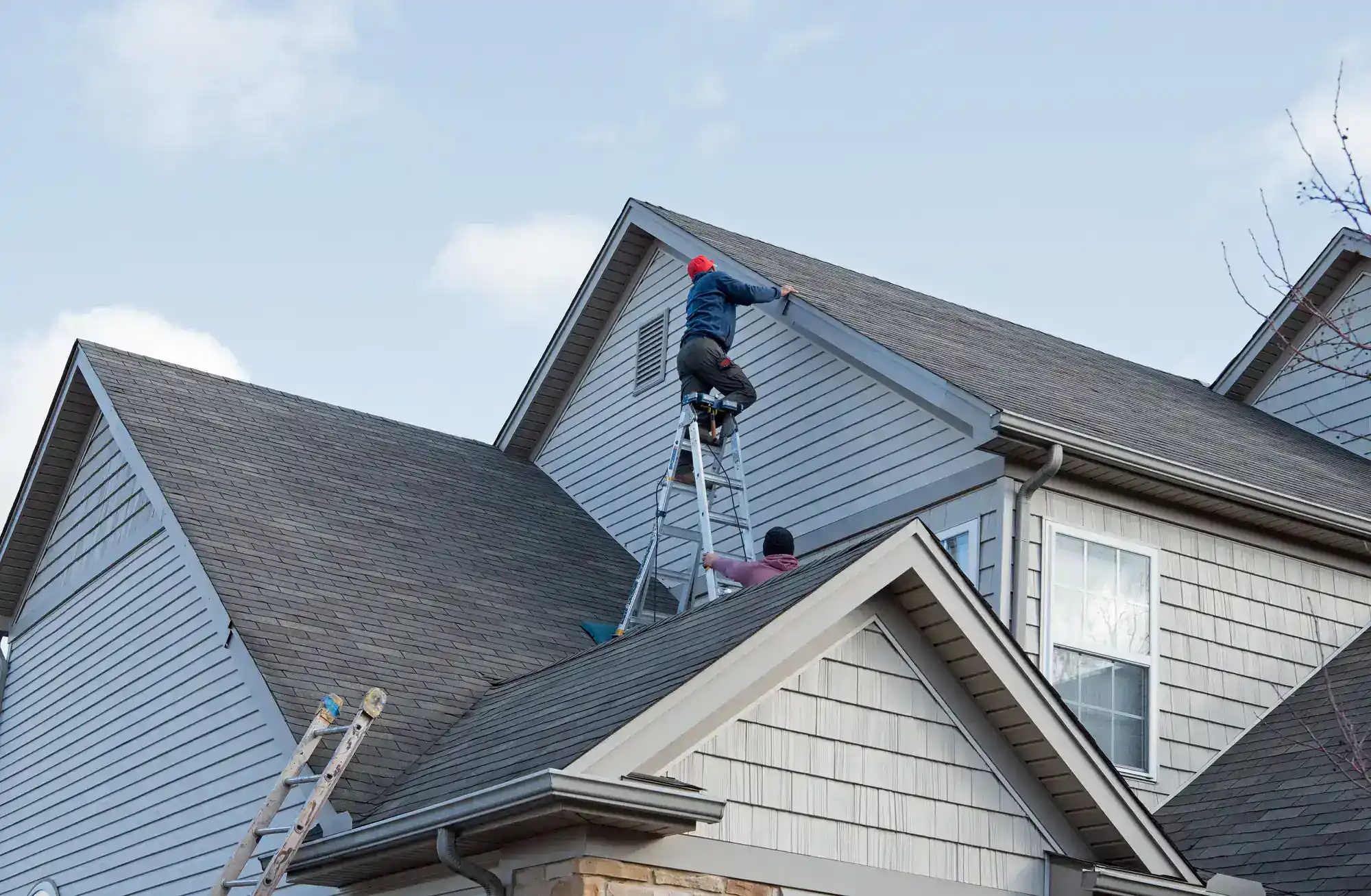
A small roof problem in River Edge rarely stays small. Water doesn’t wait — it works its way through aged underlayment, into the decking, and eventually into your walls and ceilings before you ever see a stain. By the time it’s visible inside, the damage outside has usually been building for months. A $400 repair ignored long enough can easily become a $5,000 structural problem.
River Edge’s housing stock is older than most people realize — the median home here is around 74 years old, nearly double the national average. That means a lot of these roofs have been patched, re-shingled, and weathered through decades of nor’easters, summer hail, and freeze-thaw winters that crack flashing and lift shingles year after year. Older homes need a roofer who knows what to look for beneath the surface, not just what’s visible from the driveway.
Getting the repair done right the first time means you’re not back on the phone six months later. It means your River Edge home stays dry through the next storm season. And it means you actually know what condition your roof is in — which matters whether you’re planning to stay for decades or thinking about what your home is worth when it’s time to sell.
Licensed Roof Repair Contractor in River Edge, NJ
We’ve been working on Bergen County roofs for over ten years, with River Edge and the surrounding Pascack Valley communities as core parts of our service area. That’s ten years of nor’easters, summer hail events, ice dam calls in January, and homeowners who needed a straight answer about whether their roof needed a repair or a full replacement. We’ve given that straight answer every time — even when it meant a smaller job.
We’re a family-operated company, which means the same people who talk to you about the project are accountable for how it turns out. No handoff to an unknown subcontracted crew. No disappearing after the deposit clears. We hold manufacturer certifications from major shingle producers — the kind that fewer than 5% of roofing contractors in the U.S. ever earn — which means we can back our work with warranty coverage that most contractors simply can’t offer.
River Edge is a tight-knit community. People talk — at Cherry Blossom Park, through the River Dell school network, on the Pascack Valley Line platform. We’ve built our reputation here one honest job at a time, and we intend to keep it that way.

Roof Repair Estimate in River Edge, NJ
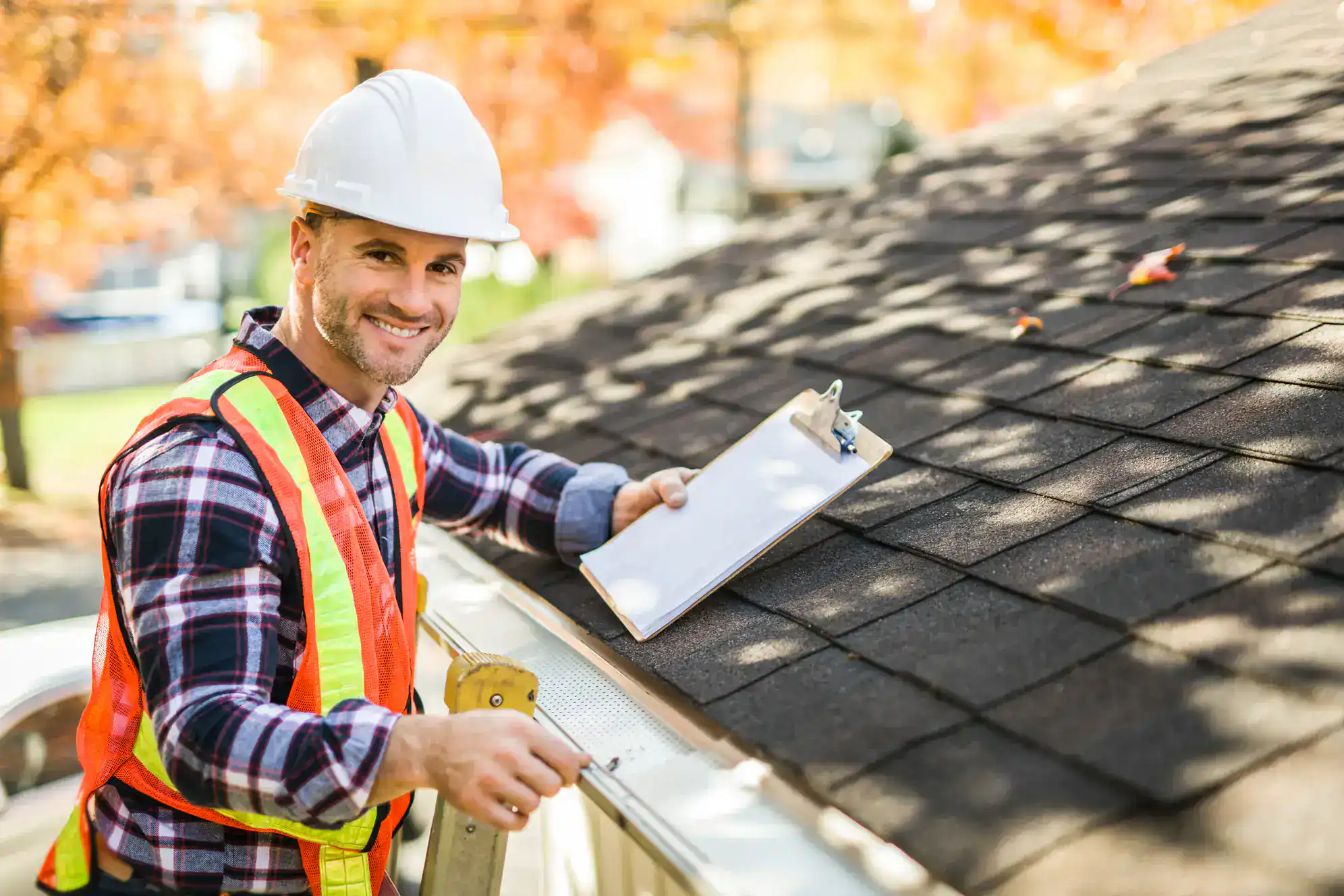
It starts with a free inspection. We come out, get on the roof, and actually look — not just at the shingles you can see from the ground, but at the flashing, the underlayment, the decking condition, and the ventilation. In older River Edge homes, the issues that cause leaks are often hidden: failed flashing around chimneys or dormers, cracked caulking around pipe boots, or shingles that look okay from the street but have lost enough granules to be functionally compromised. We document what we find and explain it in plain language.
From there, you get a written, itemized estimate. Every line is specific — what materials, what scope, what the total cost is. If the scope doesn’t change, the price doesn’t change. That’s not a slogan, it’s just how we operate.
Once you approve the work, we handle everything including permit requirements through the River Edge Building Department, which requires permits for roofing work under the New Jersey State Uniform Construction Code. You don’t have to chase paperwork. When the job is done, we do a full walkthrough with you and clean up completely before we leave. You’ll know exactly what was done and why.
Ready to get started?
Shingle and Flat Roof Repair in River Edge, NJ
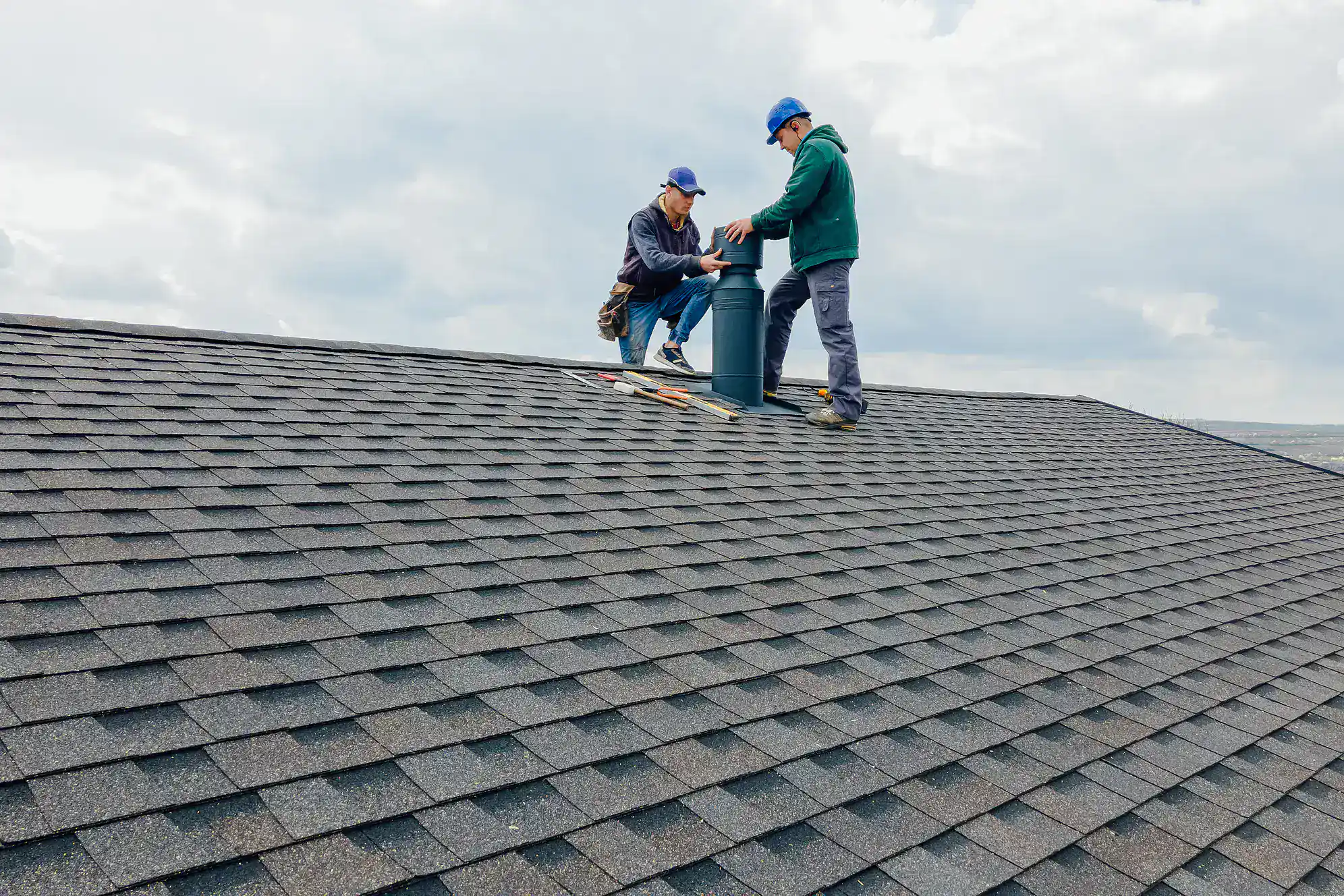
Most roofs in River Edge are asphalt shingle — Colonial Revival homes built between the 1940s and 1970s that have been re-roofed once or twice over the decades. Shingle roof repair in River Edge typically means addressing wind-lifted tabs, granule loss from hail, cracked or missing shingles, and flashing failures around chimneys, skylights, and dormers. We match replacement shingles carefully — color, texture, and profile — so the repair blends in rather than advertising itself on a home you’ve maintained for years.
Many River Edge properties also have flat or low-slope sections: attached garages, rear additions, enclosed porches. These systems — TPO, EPDM, modified bitumen — fail differently than pitched roofs, and they need a contractor who actually understands membrane repair, not someone applying shingle logic to a flat surface. We handle both.
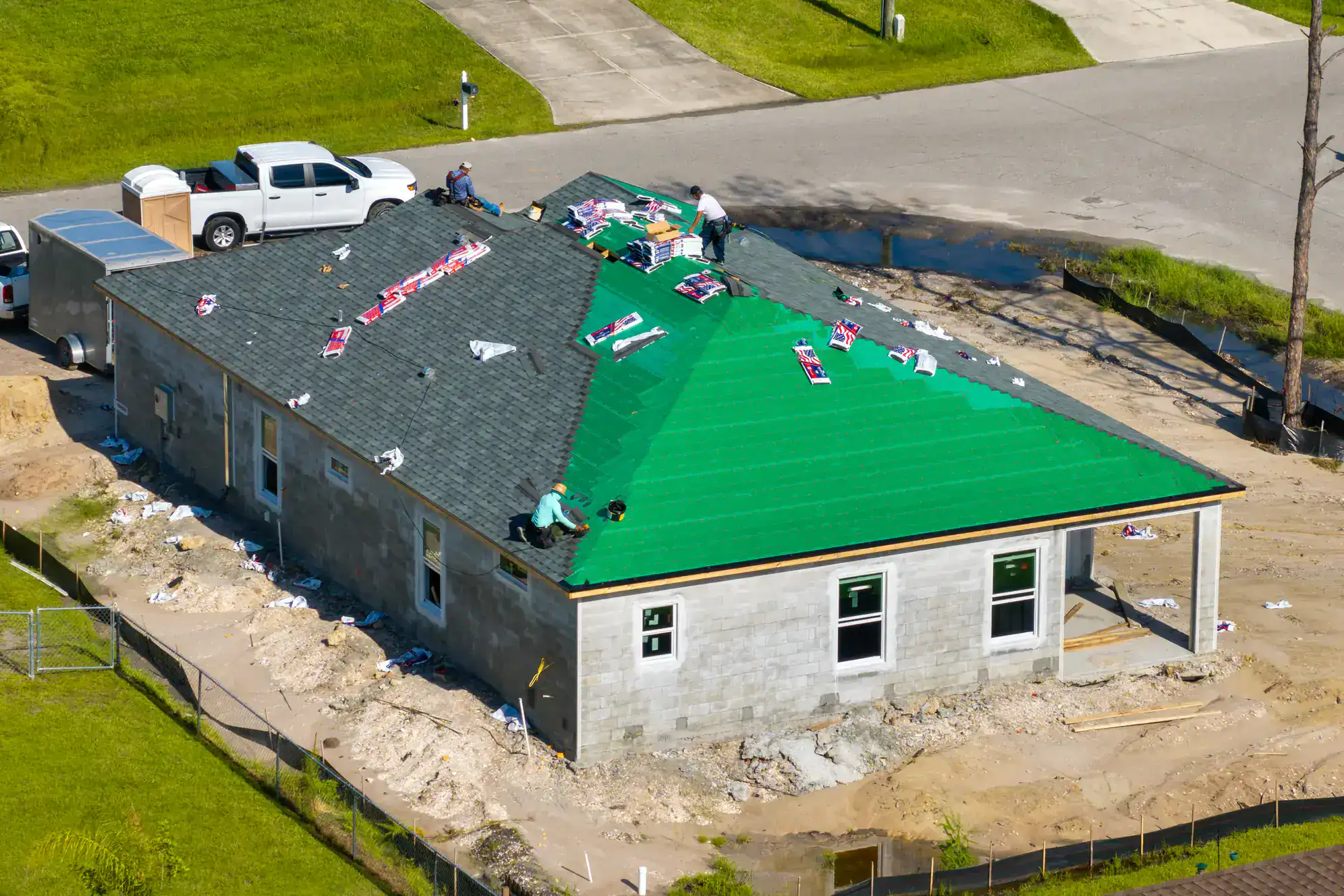
Emergency roof repair in River Edge, NJ is also part of what we do. When a nor’easter lifts flashing or a summer storm splits a section of decking, you need temporary protective measures fast and a permanent fix scheduled without a three-week delay. Roof storm damage repair in River Edge, NJ is one of the most common calls we get each spring and fall — and we’re equipped to respond to it. Every job, regardless of size, comes with a free inspection, a written estimate, and warranty-backed workmanship.
Do I need a permit for roof repair in River Edge, NJ?
It depends on the scope of the work. Minor repairs — patching a few shingles, resealing flashing — typically don’t require a permit in River Edge. But any work that involves replacing the roof deck, re-roofing over a significant area, or making structural changes does require a permit through the River Edge Building Department, which issues permits Monday through Friday, 9 AM to 3 PM, under the New Jersey State Uniform Construction Code.
This matters more than most homeowners realize. Work done without the required permits can complicate a future home sale, create issues with your homeowners insurance claim if damage is later discovered, and leave you with legal liability if the work is found to be non-compliant. When you hire us, permit procurement is part of the process — we handle it, not you. You don’t need to figure out what’s required or make trips to borough hall.
How do I know if my roof has hail damage after a storm in River Edge?
Hail damage to asphalt shingles is almost never visible from the ground, which is why so many River Edge homeowners don’t know they have it until months later when a leak shows up. What you’re looking for — and what we look for during an inspection — are bruised or dented shingle surfaces, accelerated granule loss (you might notice granules collecting in your gutters after a storm), cracked tabs, and impact marks on metal flashing, vents, or gutters.
Doppler radar has detected hail at or near River Edge on more than 20 occasions in a single recent 12-month period. Bergen County’s summer storm season is active, and the damage it leaves behind isn’t always dramatic — but it shortens roof lifespan significantly and can void manufacturer warranties if left unaddressed. If you had a noticeable storm come through your River Edge neighborhood and you’re not sure what it left behind, a free inspection is the only way to know for certain. We document everything in writing, which also helps if you end up filing an insurance claim.
What causes ice dams, and are they a problem for older homes in River Edge?
Ice dams form when heat escaping from your attic melts snow on the upper portion of your roof, and that water runs down and refreezes at the colder eaves. The ice backs up under your shingles and forces water into the roof deck, insulation, and eventually your interior walls and ceilings. It’s one of the most destructive and common roof damage mechanisms in northern New Jersey — and River Edge’s winters deliver exactly the freeze-thaw cycles that cause it.
Older homes in River Edge are especially vulnerable because many were built before modern attic insulation and ventilation standards existed. Inadequate attic ventilation is one of the leading causes of ice dam formation, and it’s something we assess during every inspection on older Bergen County properties. Addressing the underlying ventilation issue — not just repairing the water damage — is the only way to prevent it from happening again the following winter. If you had water intrusion along your eaves or ceiling staining near exterior walls this past winter, ice dam damage is a likely culprit worth having checked.
How much does roof repair cost in River Edge, NJ?
Repair costs in River Edge vary based on what’s actually wrong, how accessible the damaged area is, and what materials are needed to match your existing roof. As a general range: minor shingle repairs typically run $300 to $800, moderate repairs involving flashing, multiple shingles, or small sections fall between $800 and $2,500, and more extensive repairs — decking replacement, large damaged sections, or structural elements — can range from $2,500 to $7,000 or more.
What we don’t do is give you a number on the phone before we’ve seen the roof. A verbal estimate without an actual inspection isn’t an estimate — it’s a guess, and it’s how homeowners end up with invoices that don’t match what they were quoted. Every estimate from us is written, itemized, and based on what we actually find during the free inspection. If the scope doesn’t change, the price doesn’t change. In a community like River Edge where homes represent significant financial investments, you deserve to know exactly what you’re paying for before any work begins.
Can my homeowners insurance cover roof storm damage repair in River Edge, NJ?
In many cases, yes — but the outcome depends heavily on how the damage is documented and presented to your insurer. Most standard homeowners insurance policies in New Jersey cover sudden storm damage from wind, hail, and falling debris. What they typically don’t cover is damage caused by age, wear, or deferred maintenance — which is why the distinction between storm damage and pre-existing deterioration matters so much during the claims process.
When we inspect a River Edge roof after a storm event, we document the damage in writing with enough specificity that insurance adjusters can assess it accurately. We’ve helped Bergen County homeowners navigate this process from initial documentation through adjuster visits, and we understand what insurers need to see to approve a claim. If your roof sustained damage from a nor’easter or summer hail storm and you’re unsure whether it qualifies for a claim, the free inspection is a practical first step — you’ll have a documented professional assessment in hand before you call your insurance company, which puts you in a much stronger position.
How do I choose a trustworthy roofing contractor in River Edge, NJ?
The most important things to verify are licensing, insurance, and manufacturer certification — in that order. In New Jersey, roofing contractors are required to hold a Home Improvement Contractor (HIC) registration through the NJ Division of Consumer Affairs. Ask for the registration number and look it up. Confirm they carry general liability insurance and workers’ compensation — the latter protects you personally if a worker is injured on your property, which many homeowners don’t realize is their financial exposure when a contractor is uninsured.
Manufacturer certification is the next level up. Programs like GAF Master Elite or CertainTeed SELECT ShingleMaster require contractors to meet training, licensing, and insurance standards that fewer than 5% of U.S. roofing contractors ever complete. Certified contractors can offer enhanced manufacturer-backed warranties on both materials and workmanship — coverage that uncertified contractors simply cannot provide regardless of what they promise verbally. In River Edge, where homes are older and the weather is genuinely tough on roofing systems year-round, that warranty coverage is real protection, not a formality. Beyond credentials, check Google reviews for volume and recency, and pay attention to whether the contractor gives you a written estimate before asking for any commitment.