
Siding Installation in North Arlington, NJ
Old Siding on a River-Exposed Home Is a Problem That Only Gets Worse
Hear from Our Customers
Siding Contractors in North Arlington, NJ
New siding does more than improve how your home looks from the street. It closes the gaps that have been letting moisture work its way behind your walls — and in North Arlington, that matters more than it does in most places. Your home sits near the Passaic River. The Meadowlands are right next door. That ambient moisture doesn’t just affect how your siding looks; it affects what’s happening behind it.
When aging panels start to warp, crack, or pull away from the wall, water finds a way in. Over time, that means saturated sheathing, mold behind the walls, and in worse cases, structural damage that costs far more to fix than a siding replacement ever would have. Getting ahead of it protects the investment you’ve already made in this home.
Beyond the moisture protection, there’s real energy performance to consider. Over 80% of North Arlington’s homes were built before modern insulation standards existed. Insulated vinyl siding adds a foam backing that helps stabilize interior temperatures — which means your heating and cooling system isn’t working as hard every month. That’s a practical, ongoing benefit, not just a one-time upgrade.
Local Siding Company Serving North Arlington, NJ
We’ve been doing exterior work across North Arlington and the surrounding Bergen County region for close to ten years. That’s not a talking point — it’s the reason we’ve seen every version of what aging mid-century homes in this area actually look like once you start pulling things apart. We know what’s behind the aluminum that someone installed over the original 1950s clapboard on a Ridge Road colonial. We’ve dealt with the moisture conditions that homes along the western edge of North Arlington face because of their proximity to the Passaic River.
We’re a family-run operation, which means the people responsible for your job are the same people whose name is attached to it. No hand-offs to a subcontractor you’ve never met. We’re fully licensed and registered with the NJ Division of Consumer Affairs, carry general liability and workers’ compensation insurance, and hold manufacturer certifications that keep your product warranty intact. If something doesn’t look right during the job, you’ll hear about it before we continue — not after.

Residential Siding Installation Process in North Arlington
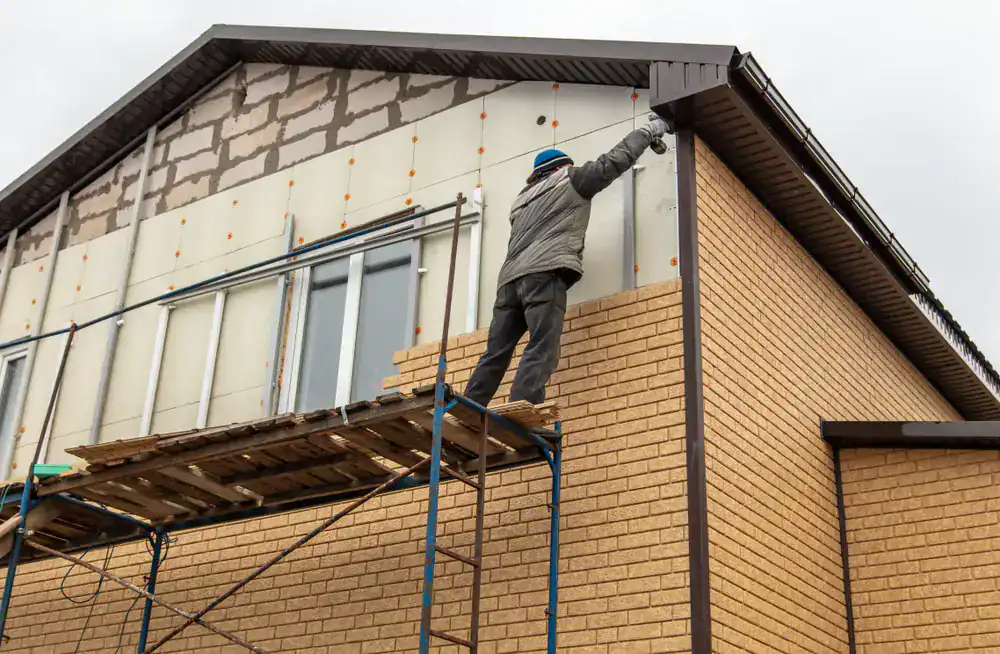
It starts with a free inspection. We come out, look at your current siding, check for moisture intrusion, assess the substrate condition, and give you an honest read on what your home actually needs. If targeted repair makes more sense than full replacement, we’ll say so. If the inspection turns up something that changes the scope — deteriorated sheathing, failed flashing, hidden rot — we tell you before work starts, not after.
Once you decide to move forward, you get a written estimate that breaks down exactly what’s included: material, removal of the existing siding, housewrap, trim, and labor. The number in that estimate is the number you pay. From there, we handle the permitting conversation. North Arlington’s Construction Department at Borough Hall requires permits for home improvement work, and we make sure that process is handled correctly so there are no issues if you ever sell the home down the line.
Installation timing matters in this climate. Vinyl becomes brittle in temperatures below 40°F, so we plan accordingly — especially heading into a Bergen County winter. Spring and early fall are typically the best windows, and we’ll give you a realistic project timeline based on your home’s size and material choice. When the job is done, the site is clean, the work is inspected, and you’re not left with a pile of old panels in the driveway.

Ready to get started?
Vinyl Siding Contractors in North Arlington, NJ
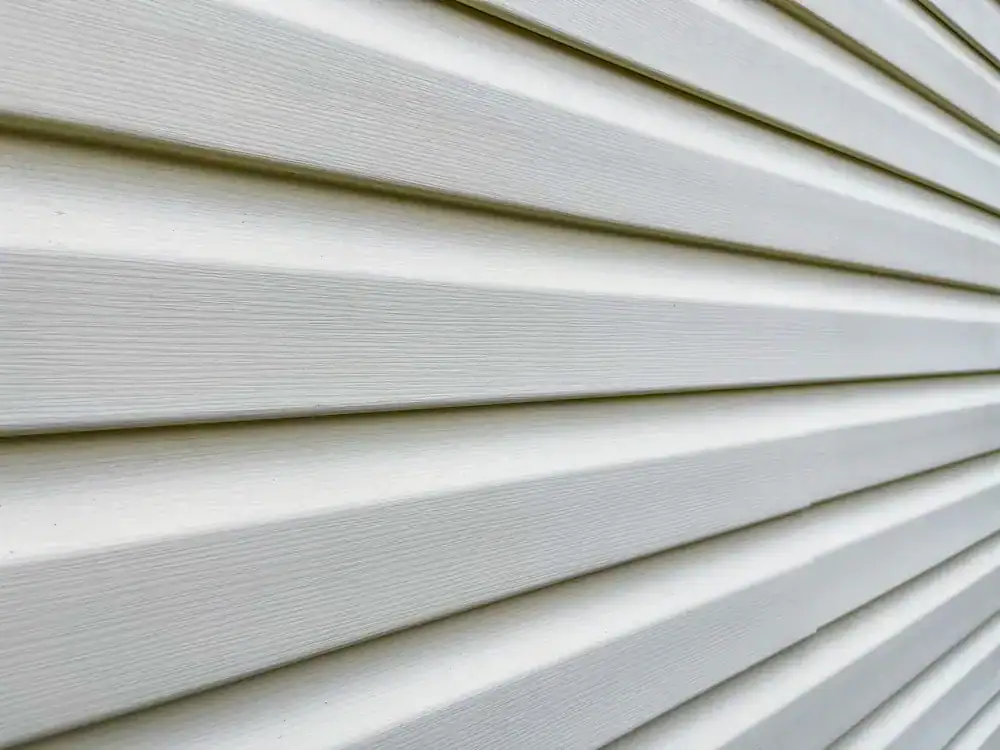
Vinyl siding is still the most common choice for North Arlington homes, and for good reason — it’s durable, low-maintenance, and holds up well against the freeze-thaw cycles that hit Bergen County every winter. For homes near the Passaic River or the Meadowlands-adjacent western sections of North Arlington, insulated vinyl is worth a serious look. The foam backing adds a layer of moisture resistance and thermal performance that standard vinyl doesn’t offer, and on a pre-1970 home with minimal wall insulation, the difference is noticeable.
For homeowners who want something with more dimensional character — or who are dealing with a home where the substrate damage is significant enough to warrant a longer-lasting solution — fiber cement and engineered wood are strong alternatives. James Hardie fiber cement, for example, is specifically engineered for the moisture and temperature swings common in the Northeast. It doesn’t warp, it doesn’t rot, and it carries a warranty that standard vinyl can’t match. LP SmartSide engineered wood offers similar performance with a look that works well on the colonial and cape cod styles common throughout North Arlington’s residential streets.
Every installation we complete includes proper housewrap, correct flashing at all window and door penetrations, and sealed transitions at the roofline — because siding that’s installed without attention to those details will fail early regardless of material quality. We work across the full exterior, so if we notice something at the roofline or gutters that’s going to undermine the siding work, we’ll flag it. That’s the advantage of working with a contractor who handles the whole building envelope, not just one piece of it.

Do I need a permit for siding installation in North Arlington, NJ?
In most cases, yes. North Arlington’s Construction Department requires permits for home improvement work, and full siding replacement typically falls under that requirement. It’s worth calling the borough directly at Borough Hall on Ridge Road to confirm the current requirements for your specific project before any work begins.
This matters more than most homeowners realize. If you sell your home, the borough requires a Certificate of Occupancy, and unpermitted work can surface during that inspection and complicate or delay the sale. We handle the permitting process correctly from the start, ensuring all work we do in North Arlington is completed in compliance with the New Jersey Uniform Construction Code.
How much does siding installation cost for a typical North Arlington home?
For a standard single-family home in North Arlington, full siding replacement typically runs somewhere in the range of $8,000 to $20,000 depending on the size of the home, the material you choose, and what the substrate looks like once the old siding comes off. Vinyl is generally on the lower end of that range; fiber cement and engineered wood run higher because the materials cost more and the installation is more involved.
The variable that catches most North Arlington homeowners off guard is substrate condition. On a home built in the 1950s or 1960s — which describes a large percentage of the borough’s housing stock — there’s a real chance that removing the existing siding reveals deteriorated sheathing or moisture damage that needs to be addressed before new siding goes on. A contractor who doesn’t mention this possibility upfront isn’t being transparent with you. We inspect for it before we quote, and if we find it during the job, we tell you immediately so you can make an informed decision before costs change.
What siding material holds up best on older homes near the Passaic River?
For homes on the western side of North Arlington — closer to the Passaic River and the Meadowlands corridor — moisture resistance is the first thing to think about when choosing a material. Standard vinyl siding performs reasonably well, but insulated vinyl adds a foam backing that provides an extra layer of protection against the elevated ambient humidity that comes with living near a river and adjacent wetlands. It also helps with thermal performance on older homes that weren’t built with modern insulation standards.
If you want maximum durability and you’re willing to invest more upfront, fiber cement is the strongest option for a moisture-exposed environment. It doesn’t absorb water, it doesn’t warp or rot, and it’s specifically engineered to handle the freeze-thaw cycles that define a Bergen County winter. The tradeoff is cost — fiber cement runs higher than vinyl — but on a home that’s already dealt with moisture issues, the longer lifespan and reduced maintenance make it a defensible choice. We’ll walk you through both options during the free inspection so you can make the call with real information.
How do I know if my siding needs to be replaced or just repaired?
The honest answer is that you often can’t tell just by looking at the exterior. Siding that looks intact from the street can be hiding moisture damage, mold, or deteriorated sheathing behind it — especially on North Arlington homes built in the mid-twentieth century where original materials have had decades to age. Visible signs like warping, cracking, fading, or panels that have pulled away from the wall are clear indicators, but they’re not the only ones.
A free inspection gets you past the guesswork. We look at the condition of the panels themselves, check for soft spots in the wall that suggest moisture has gotten behind the siding, and assess whether the damage is isolated enough to repair or widespread enough that replacement is the more economical long-term choice. In a lot of cases, targeted repair on a home with otherwise sound siding makes perfect sense. In others — particularly on homes where the existing siding is original or was last replaced in the 1980s or 1990s — the math on repair versus replacement shifts pretty quickly once you see what’s actually there.
How long does a siding installation project take in North Arlington?
For a typical single-family home in North Arlington, the installation itself usually takes anywhere from two to five days depending on the size of the home, the material being installed, and whether any substrate repairs are needed once the old siding comes off. Fiber cement takes longer to install than vinyl because it’s heavier and requires more precise cutting and fastening. Engineered wood falls somewhere in between.
Weather is always a factor in Bergen County. Vinyl installation in temperatures below 40°F creates real risk — the material becomes brittle and more prone to cracking during handling and fastening. That’s why spring and early fall are the most reliable windows for siding work in this area. If you’re planning ahead, booking before the spring rush gives you more scheduling flexibility and avoids the backlog that builds up after a rough winter when everyone is trying to get work done at the same time. We give every homeowner a realistic timeline before the job starts, not an optimistic one that changes once we’re on-site.
Does new siding actually increase home value in Bergen County's real estate market?
It does, and the data backs it up. Siding replacement consistently ranks among the highest-return exterior remodeling projects in Remodeling Magazine’s annual Cost vs. Value Report, with strong recoupment at resale — particularly in competitive Northeast markets like Bergen County where curb appeal directly influences buyer perception and offer prices.
For North Arlington specifically, the math is straightforward. Homes here are priced in the $300,000 to $650,000 range, and buyers in that range are paying close attention to exterior condition. A home with visibly aging, faded, or damaged siding signals deferred maintenance — and buyers either walk away or negotiate the price down. New siding removes that objection entirely and positions the home as move-in ready. If you’re planning to sell in the next few years, the return on a siding investment in North Arlington is real and measurable. If you’re staying put, you get the protection and energy performance benefits in the meantime. Either way, it’s not money spent — it’s money put back into the asset.