
Siding Installation in Dumont, NJ
70-Year-Old Siding Is Telling You Something
Hear from Our Customers
Residential Siding Contractors in Dumont, NJ
New siding does more than fix what looks worn. It closes the gaps that let cold air in during January freeze-thaw cycles, stops moisture from working its way behind panels, and brings your Dumont home’s exterior back to where it should be. For a house that’s been standing since the early 1950s, that’s not cosmetic — that’s structural protection.
There’s also the value side of it. Homes in Dumont are selling around $618,000 right now. When a buyer’s inspector walks around your property, new siding signals that the exterior has been maintained — and that matters more than most homeowners realize when it comes to negotiating a sale price or simply not losing one.
And if you’ve been putting it off because you weren’t sure whether you needed repair or full replacement, that’s exactly what a free inspection is for. You get a straight answer before any money changes hands. No pressure — just an honest look at what’s actually going on with your home.
Local Siding Company Serving Dumont, NJ
We’ve been doing exterior work in Bergen County for close to ten years, with deep roots in Dumont and the surrounding neighborhoods. From the streets near Dumont High School on New Milford Avenue to the properties running off Knickerbocker Road, we’ve handled siding, roofing, and gutter projects on homes just like yours. That kind of track record doesn’t come from advertising — it comes from jobs that hold up and homeowners who tell their neighbors.
We’re family-driven, which means there’s real accountability behind every estimate and every crew that shows up on your property. You’re not dealing with a rotating cast of project managers or a franchise call center. You’re working with a team that knows what’s at stake — because our name is on it.
We’re fully licensed, NJ Home Improvement Contractor registered, and insured. The credentials are there. But the reason most Dumont homeowners call us back — or send a neighbor — is simpler than that. The work gets done right, and the communication doesn’t disappear once the contract is signed.

Siding Installation Process in Dumont, NJ
It starts with a free inspection. We come out, look at what you have, and give you an honest assessment — repair or replace, what materials make sense, what the scope of work actually is. If you’ve got a 1950s Dumont home with original wood or aluminum siding, there’s often more going on underneath than what’s visible from the street, and that gets factored into the estimate upfront, not discovered mid-project.
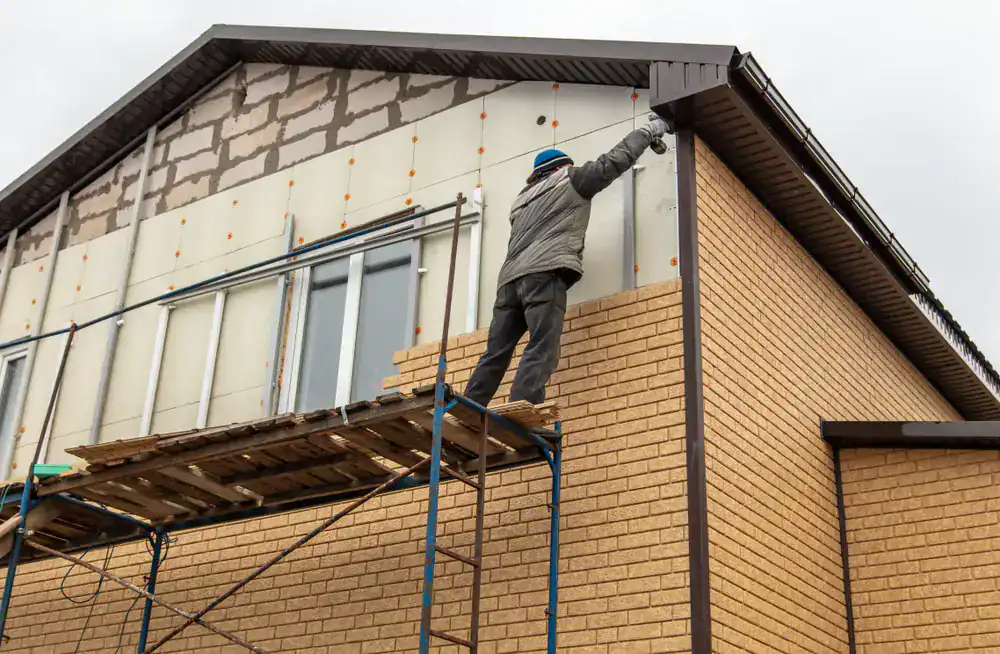
Once you approve the written estimate, we order materials and set a start date. During installation, our crew removes the existing siding, inspects the substrate for moisture damage or rot, installs a proper housewrap moisture barrier, and then installs your new siding with the correct fastening and expansion gaps for New Jersey’s climate. That last part matters — vinyl becomes brittle in cold weather, and improper fastening in Bergen County’s freeze-thaw conditions is one of the most common reasons siding fails early.
Because Dumont requires a building permit for siding installation, we handle that process for you. The permit gets filed, the inspection gets scheduled, and the project closes out clean — no open permits that come back to complicate a future home sale.

Ready to get started?
Vinyl Siding Contractors in Dumont, NJ
Our siding installation covers the full scope — removal and disposal of existing material, substrate inspection, housewrap installation, new siding installation, and trim work around windows, doors, and corners. Nothing gets handed off or skipped because it’s inconvenient. The job is done as a complete exterior system, not a panel-by-panel patch.
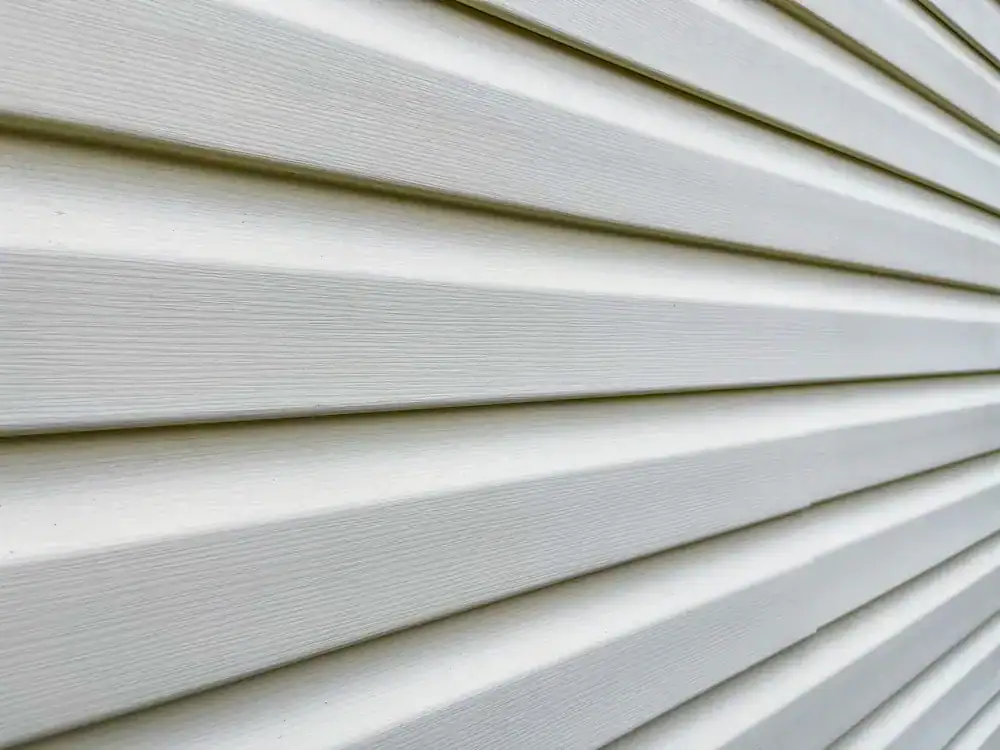
Material options include vinyl, fiber cement, and engineered wood, each with different performance profiles for Bergen County’s climate. Vinyl is the most common choice for Dumont homeowners — it holds color well, requires minimal maintenance, and handles humidity and temperature swings without warping. Fiber cement is a stronger option for homes with more complex profiles or where fire resistance matters. Whatever direction you go, we follow manufacturer specifications exactly — which is what keeps your warranty valid and your coverage intact.
Because we also handle roofing and gutters, we can identify when new siding reveals issues at the roof-wall intersection or along the fascia that need to be addressed at the same time. For a Dumont home where multiple exterior systems are aging together, that full-envelope perspective catches problems that a siding-only contractor would walk right past — and it saves you from scheduling a second contractor six months later to fix what the first one missed.

Does siding installation in Dumont, NJ require a building permit?
Yes — the Borough of Dumont requires a building permit for siding installation. It’s not one of the exempted categories like painting or same-size window replacement. The permit gets filed with the building department at Borough Hall on Washington Avenue, and an inspection is required before the job is considered closed.
This matters more than most homeowners realize. Unpermitted siding work can surface during a home sale, trigger code enforcement issues, or complicate an insurance claim after storm damage. We handle the permit process as part of the project — you don’t need to navigate that yourself. The job gets documented, inspected, and signed off the right way from the start.
How do I know if my Dumont home needs siding repair or full replacement?
The honest answer is that it depends on how far the damage has spread. Isolated cracked or warped panels, a small area of rot near a window frame, or a section that took storm damage — those are repair situations. But when you’re seeing fading across the whole exterior, soft spots in multiple locations, higher heating bills, or siding that was installed 25-plus years ago, you’re usually looking at replacement.
For Dumont homes built in the 1950s and 1960s — which is most of the housing stock here — the original cladding is often wood or early aluminum that’s well past its useful life. Even a previous vinyl installation from the 1990s is now 30 years old and approaching the end of its performance window. A free inspection will tell you exactly where things stand. You get a clear answer without committing to anything.
What siding material holds up best in Bergen County's climate?
Vinyl is the most practical choice for most Dumont homeowners, and it’s what we install most often in this area. It doesn’t absorb moisture, doesn’t require painting, and handles the temperature swings that come with Bergen County winters without warping or cracking — as long as it’s installed correctly with proper expansion gaps and fastening. Cheap installation on quality vinyl still fails. The material and the method both matter.
Fiber cement is worth considering if you want something more rigid, more fire-resistant, or if your home has architectural details that benefit from a material that can be painted and trimmed precisely. It’s heavier, it costs more, and it requires more care during installation — but it performs extremely well in freeze-thaw conditions. Engineered wood sits somewhere in between. The right answer depends on your home’s profile, your budget, and how long you plan to stay. That’s a conversation worth having during the inspection.
How much does siding installation cost for a home in Dumont, NJ?
For a typical single-family home in Dumont — most of which are three to four bedroom colonials, split-levels, or Cape Cods built between the 1940s and 1960s — full siding replacement generally runs between $12,000 and $25,000. Where you land in that range depends on the size of your home, the material you choose, how much of the existing substrate needs repair before new siding goes on, and the complexity of the trim work around windows and doors.
Homes with multiple dormers, bay windows, or irregular rooflines take longer and cost more than a straightforward two-story colonial. If the old siding is concealing moisture damage or rot — which is common in homes of this age — that adds to the scope. The estimate we provide will break all of that down in writing before any work begins. The number you approve is the number you pay. If something unexpected comes up once work starts, it gets discussed with you before anything additional is done.
How long does siding installation take for a typical Dumont home?
Most full siding replacements on a standard Dumont single-family home take between three and five days of active work. Larger homes, more complex rooflines, or significant substrate repairs can push that to a week or slightly beyond. Weather is the main variable — vinyl installation in temperatures below about 40 degrees requires extra care because the material becomes brittle, and Bergen County winters don’t always cooperate with scheduling.
Spring and early fall are the peak seasons for exterior work in this area, and quality contractors in Bergen County typically book four to eight weeks out during those windows. If you’re thinking about replacing siding before winter, the earlier you reach out, the better your chances of getting it done before the first hard freeze. Booking in late winter for a spring installation is actually a smart move — you lock in your spot before the rush and give yourself time to make material decisions without pressure.
Why do so many Dumont homeowners choose us over other local siding contractors?
A lot of it comes down to what happens after the estimate is signed. In a borough as close-knit as Dumont — where neighbors notice what’s happening to each other’s homes — a contractor’s reputation travels fast in both directions. Our growth has been almost entirely through referrals and reviews from homeowners in Dumont and the surrounding Bergen County communities. That’s not something you build with marketing. That’s something you build by showing up, doing the work correctly, and being reachable when questions come up.
The full-exterior capability also matters here. Dumont’s housing stock is old, and siding rarely ages in isolation. When you’re replacing 70-year-old cladding, there’s a real chance the gutters, trim, flashing, or fascia need attention at the same time. A contractor who only does siding will note those issues and leave them for someone else. We handle roofing, gutters, and siding as a connected system — which means fewer surprises, fewer separate contractors, and a finished exterior that actually works together the way it should.