
Roof Inspection in Summit, NJ
Catch Problems Before They Cost You Thousands
Hear from Our Customers
Professional Roof Inspection Services
You’re not looking for a sales pitch. You want to know if your roof has damage, how bad it is, and what it’ll take to fix it.
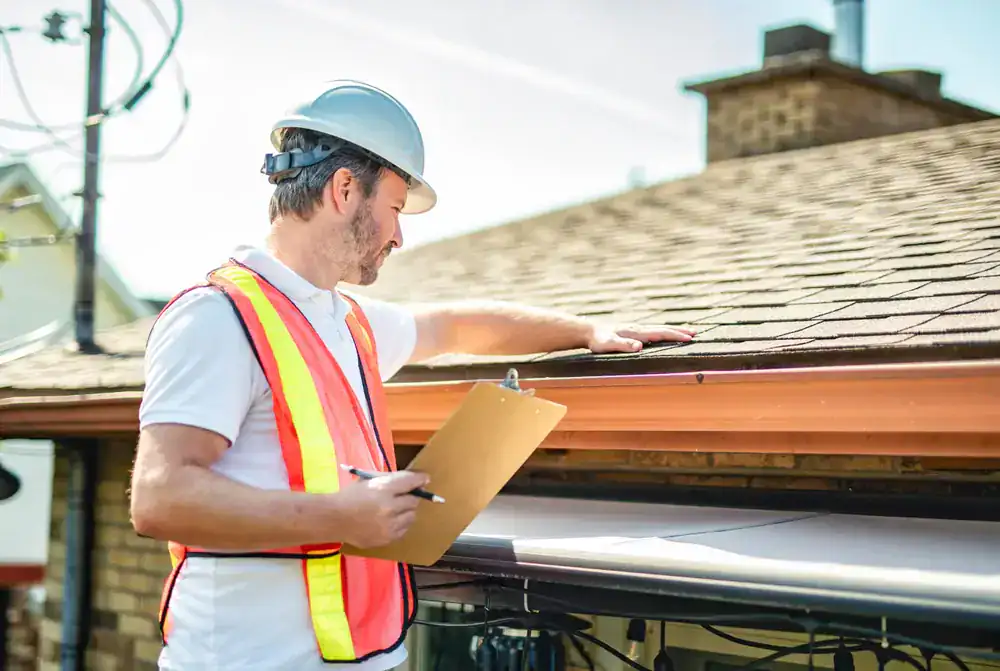
That’s what a professional roof inspection gives you. We check every vulnerable spot—flashing, shingles, valleys, penetrations—and document what we find with photos and a written report. If there’s storm damage, we’ll note it for your insurance claim. If something needs attention soon, we’ll tell you. If your roof’s fine, we’ll tell you that too.
Summit gets hit with heavy storms, freeze-thaw cycles, and humidity that accelerates wear. A lot of homeowners don’t realize they have a problem until water’s already inside. By then, you’re not just fixing shingles—you’re dealing with insulation, drywall, maybe mold. What could’ve been a few hundred dollars turns into thousands.
Trusted Roofing Contractor in Summit
USA Home Remodeling is a family-owned roofing company that’s been serving Summit and the surrounding area for over ten years. We’re licensed, manufacturer-certified, and we’ve built our reputation one roof at a time—mostly through referrals from homeowners who appreciated the straight talk.
We’re not storm chasers. We’re not here to pressure you into a replacement you don’t need. We live and work in this community, and we’re not going anywhere after the job’s done.
When you call us for a roof inspection, you’re getting someone who knows how New Jersey weather beats up a roof, what insurance adjusters look for, and how to explain your options in plain language.

Our Roof Inspection Process
First, we set up a time that works for you. Most inspections take about an hour, depending on the size and pitch of your roof.
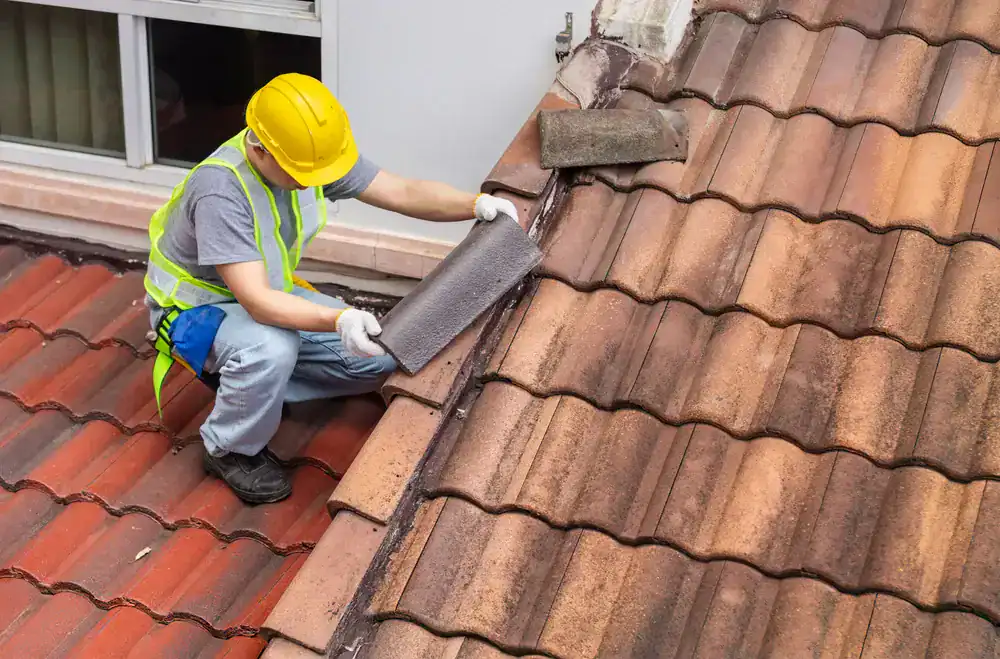
We start with a visual check from the ground, then get up on the roof to examine shingles, flashing, vents, chimneys, and valleys. We’re looking for missing granules, cracked or lifted shingles, damaged flashing, and any signs of water intrusion. We take photos of anything that needs attention.
After the inspection, we sit down with you and walk through what we found. You’ll get a written report with photos, a summary of the roof’s condition, and our recommendations—whether that’s a minor repair, a bigger fix, or just keeping an eye on things for now. If you’re filing an insurance claim for storm damage, we’ll make sure the documentation supports that.
No high-pressure close. No inflated urgency. Just the facts and your options.
Ready to get started?
What's Included in Our Inspection
Our roof inspection covers the entire system. We check shingles for wind damage, hail impact, and aging. We inspect flashing around chimneys, skylights, and vents—these are the most common leak points. We examine valleys where water concentrates, and we check for proper ventilation and signs of moisture damage in the attic if accessible.
In Summit, ice dams are a real issue. Freezing temperatures cause water to back up under shingles, and you won’t see the damage until spring. We know what to look for. We also check for storm damage that might not be obvious—bruising on shingles from hail, or lifted edges from high winds.
You’ll receive a detailed report with photos, a condition assessment, and prioritized recommendations. If repairs are needed, we’ll give you transparent pricing. If your roof’s in good shape, we’ll tell you when to schedule the next inspection. And if we find damage that qualifies for an insurance claim, we’ll help you document it properly so your claim has the best chance of approval.

How much does a roof inspection cost in Summit, NJ?
We offer free roof inspections for homeowners in Summit. There’s no cost, no obligation, and no pressure to move forward with repairs unless you decide it makes sense.
Some companies charge for inspections and then credit it toward the job if you hire them. We don’t do that. We’d rather earn your business by being straightforward and helpful from the start. If you just want to know the condition of your roof before you sell your home, or if you’re checking for storm damage after a recent weather event, we’re happy to come out and give you an honest assessment.
The inspection itself takes about an hour. You’ll get a written report with photos and recommendations, and we’ll answer any questions you have about what we found.
When should I get my roof inspected?
You should schedule a roof inspection at least once a year, ideally in the spring or fall. But the most important time to get an inspection is after a major storm—especially if there was hail, high winds, or heavy snow and ice.
A lot of storm damage isn’t visible from the ground. Hail can bruise shingles without breaking them, which shortens their lifespan. High winds can lift shingle edges or tear off flashing. Ice dams can force water under the shingles and into your attic. If you wait too long to document the damage, your insurance company may question whether it happened during the storm or over time.
You should also get an inspection if you’re buying or selling a home, if you’ve noticed leaks or stains inside, or if your roof is more than 15 years old. Catching small problems early saves you from expensive emergency repairs later.
What are you looking for during a roof inspection?
We’re checking for anything that could lead to a leak or shorten the life of your roof. That includes missing, cracked, or curling shingles. We look for granule loss, which means the shingles are wearing out. We inspect all the flashing—around chimneys, vents, skylights, and in the valleys—because that’s where most leaks start.
We also check for proper ventilation. Poor attic ventilation traps heat and moisture, which can cause shingles to age faster and lead to mold or rot in the decking. In the winter, it contributes to ice dams, which are a big problem in Summit.
If there’s been a recent storm, we’re looking for hail impact, wind damage, and any signs that water got under the shingles. We take photos of everything so you have documentation, especially if you’re filing an insurance claim. At the end, you’ll know exactly what’s going on with your roof and what, if anything, needs to be done.
Will you try to sell me a new roof if I don't need one?
No. If your roof’s in good shape, we’ll tell you. If it needs a minor repair, we’ll recommend that. If it’s near the end of its life and a replacement makes more sense than patching it, we’ll explain why—but the decision is yours.
We’ve been in business for over a decade, and most of our work comes from referrals. We’re not interested in overselling or creating problems that don’t exist. Our reputation depends on being honest, and that’s worth more to us than one job.
After the inspection, we’ll walk you through what we found, show you the photos, and give you our recommendation. If you want a second opinion, that’s fine. If you want to wait and think about it, that’s fine too. We’re here to give you the information you need to make the right call for your home and your budget.
Can you help with insurance claims for storm damage?
Yes. If we find storm damage during the inspection, we’ll document it thoroughly with photos and a detailed report that you can submit to your insurance company. We know what adjusters look for, and we’ll make sure the documentation is clear and complete.
Insurance claims are time-sensitive. Most policies require you to report damage within a reasonable timeframe after a storm, so it’s important to get the inspection done quickly. If you wait too long, the insurance company may argue that the damage is from normal wear and tear, not the storm.
We can also be present when the adjuster comes out, if that’s helpful. We’ll walk them through what we found and answer any technical questions. Our goal is to make sure you get a fair assessment and that any legitimate damage is covered. We’ve worked with most of the major insurance companies, and we understand the process.
How long does a roof typically last in Summit, NJ?
Most asphalt shingle roofs last 20 to 25 years in New Jersey, but that depends on the quality of the shingles, how well the roof was installed, and how much weather it’s been through. Summit’s climate—with freeze-thaw cycles, high humidity, and frequent storms—can shorten that lifespan if the roof isn’t properly maintained.
Hailstorms and high winds cause damage that might not be obvious right away, but it adds up. Poor ventilation can also age a roof faster by trapping heat and moisture in the attic. If your roof is over 15 years old, it’s worth getting it inspected regularly so you’re not caught off guard by a sudden failure.
During the inspection, we’ll give you an honest assessment of how much life is left in your roof. If it’s near the end, we’ll help you plan for a replacement on your timeline—not during an emergency in the middle of winter when a leak forces your hand.