
Roof Inspection in Piscataway, NJ
Piscataway Roofs Don't Lie — But They Do Hide
Hear from Our Customers
Roof Damage Inspection in Piscataway, NJ
There’s a big difference between “it looks fine from the driveway” and actually knowing your roof is sound. A professional roof damage inspection in Piscataway, NJ gives you a clear picture of what’s happening at every layer — shingles, flashing, decking, gutters — before a small issue turns into a costly interior repair.
Piscataway’s winters are the kind that work against older roofs quietly. The freeze-thaw cycling that Middlesex County gets through January and February — temperatures crossing 32°F repeatedly — creates the exact conditions for ice dams to form. That’s water being forced under shingles and into decking, and it rarely shows up as an obvious leak right away. By the time you see a ceiling stain, the damage has usually been building for a season or two.
The same goes for summer. Severe thunderstorms in this area have produced documented wind gusts over 60 mph, with enough force to pull shingles loose, stress gutter attachments, and compromise flashing at every roofline junction. If your home was built in the 1970s, 1980s, or early 1990s — which describes a large share of the housing stock in neighborhoods like Randolphville, Newtown, and New Market — your roof may already be at or past the end of its designed lifespan. An inspection tells you whether you’re managing a repair or planning a replacement, and that’s information worth having before the next storm season.
Licensed Roof Inspector in Piscataway, NJ
USA Home Remodeling has been working across Piscataway and the New Jersey market for over ten years — not chasing storm seasons, not moving on after a big job. We’re a family-run exterior renovation company, and the reputation we’ve built comes from referrals and reviews, not ad spend. When something goes wrong, there’s no corporate layer to hide behind. That accountability is built into how we operate.
We hold contractor licensing required under New Jersey’s Home Improvement Contractor registration program, and we carry certifications from major shingle manufacturers — credentials that a small fraction of roofing contractors in this state actually earn. Those certifications aren’t just a credential on paper. They’re what unlock enhanced manufacturer warranty coverage for homeowners that uncertified contractors simply cannot offer.
We’ve inspected and repaired roofs throughout Middlesex County, including homes along the older residential corridors near Route 18 and the established neighborhoods closer to the Busch Campus area in Piscataway. We know what Central New Jersey weather does to a roof over 30 or 40 years, and we know how to explain what we find without turning it into a sales pitch.

Roof Inspection Company in Piscataway, NJ
It starts with a call or a form submission. You tell us what you’re seeing — or not seeing — and we schedule a time that works for you. There’s no cost to get started, and no obligation attached to the inspection itself.
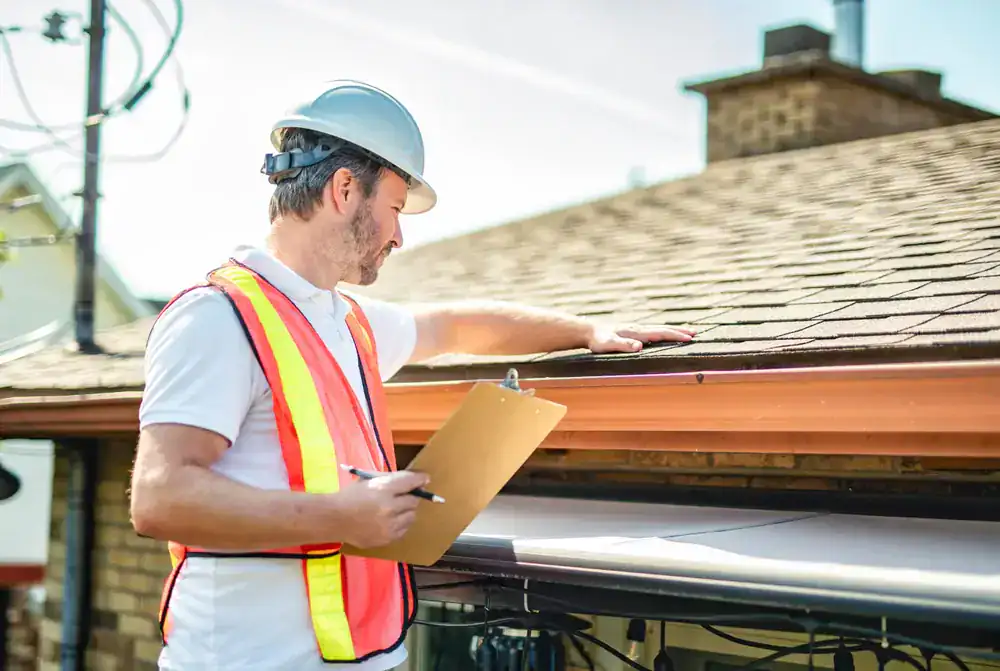
When we arrive, we do a full exterior assessment. That means the shingles, the flashing at every roof penetration and wall junction, the ridge, the valleys, the gutters, and the soffit and fascia. We’re looking for granule loss, cracking, lifting, water infiltration points, and anything that Piscataway’s freeze-thaw winters or summer storm activity may have stressed or compromised. If your home was permitted and built under Middlesex County’s construction standards from the 1970s through the 1990s, we know what to expect from that era of materials and how they typically age in this climate.
After the inspection, we walk you through what we found — clearly, in plain language. If the roof is in good shape, we’ll tell you that. If there are repairs needed, we’ll show you exactly what and why. If replacement is the right call, we’ll explain the evidence rather than just handing you a quote. Any work that moves forward is handled with the proper permits pulled through Piscataway Township’s Building Division — because roofing repairs and replacements on one- and two-family homes in this township require them, and skipping that step creates a real liability for you as the homeowner.
Ready to get started?
Certified Roof Inspector in Piscataway, NJ
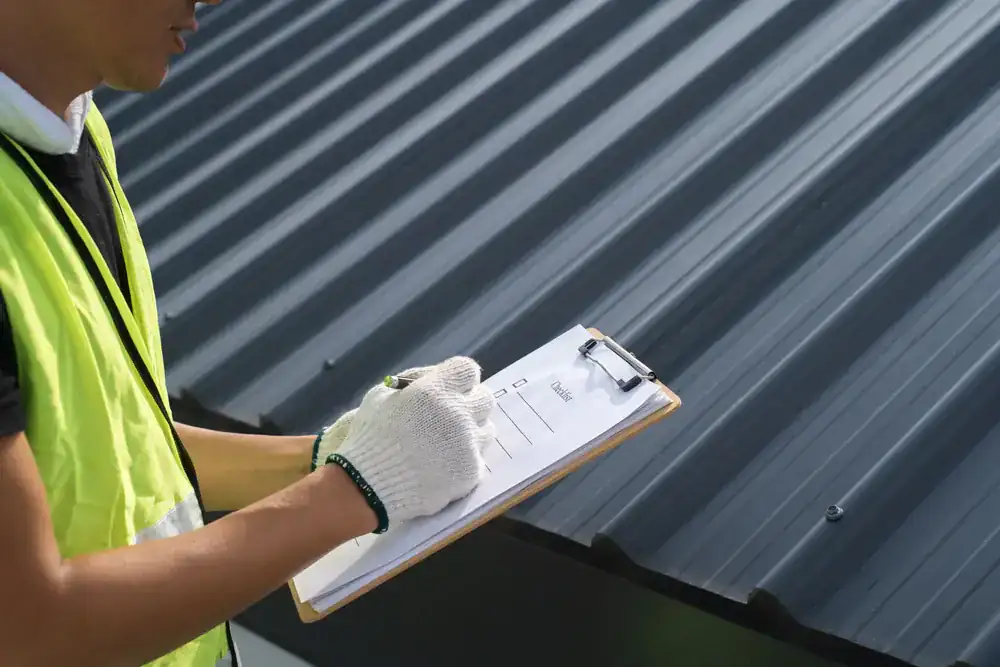
A roof inspection from USA Home Remodeling isn’t a quick visual scan from the ground. It’s a thorough, hands-on assessment of your entire roofing system — the kind that gives you real information, not a vague recommendation to “keep an eye on it.”
We check the condition of your shingles for granule loss, cracking, curling, and storm damage. We assess every flashing point — chimneys, skylights, vents, and wall-to-roof transitions — because that’s where water most commonly finds its way in on the colonial and ranch-style homes that make up most of the housing stock in Piscataway’s residential neighborhoods. We inspect the ridge line, the valleys, the gutters, and the fascia. If there’s evidence of ice dam damage from a recent winter, we document it. If a summer storm left impact marks or lifted edges that aren’t visible from the street, we find them.
Because we also handle gutters and siding, we can assess your full exterior in a single visit. Storm damage in Piscataway rarely stops at the shingles — it stresses gutter attachments, drives water behind siding at the roofline, and creates multiple points of entry that a roofing-only contractor might miss entirely. The inspection is free. The documentation we provide is the kind that holds up when you’re navigating a repair estimate, an insurance claim, or a pre-listing disclosure — all situations that come up regularly in Piscataway’s active real estate market.

Does roof repair or replacement in Piscataway, NJ require a permit?
Yes — and this is one of the most important things to confirm before hiring any contractor for roofing work in Piscataway. The township’s Building Division explicitly lists the repair or replacement of existing roof covering on detached one- and two-family dwellings as work that requires a permit. This isn’t a technicality that gets overlooked — Piscataway has a fully staffed code enforcement operation with Sub-code Officials across building, electrical, plumbing, and fire protection.
What this means for you practically: if a contractor skips the permit to save time or money, you’re the one left holding the liability. Unpermitted work can complicate a home sale, void your homeowner’s insurance coverage for related claims, and leave you with no legal recourse if the work fails. We handle the permit process as part of every job — it’s not an add-on, it’s just how the work is supposed to be done.
How do I know if my roof actually needs replacing or just a repair?
This is the question most homeowners are really asking when they call for an inspection — and it’s a fair one, because the answer isn’t always obvious from the outside. A few missing shingles after a storm might be a straightforward repair. But if your home was built in the 1970s or 1980s, which covers a large share of the housing stock in neighborhoods like Randolphville and New Market in Piscataway, the more relevant question is how much useful life is left in the overall system.
During the inspection, we look at the full picture — not just visible damage, but the condition of the underlying materials, the state of the flashing, and signs of cumulative wear from years of Middlesex County winters and summer storm activity. Granule loss, widespread cracking, and compromised flashing at multiple points typically indicate a roof that’s approaching the end of its life, not one that a patch will fix. We’ll tell you honestly which category you’re in, and we’ll show you the evidence behind that assessment.
What does a roof inspection look for after a storm in Piscataway?
Piscataway has a documented history of severe thunderstorm activity, with recorded wind gusts exceeding 60 mph — enough force to lift shingle edges, pull gutters from fascia boards, and stress flashing at every roofline transition. After a significant storm, the damage isn’t always visible from the ground, and that’s exactly where a professional inspection earns its value.
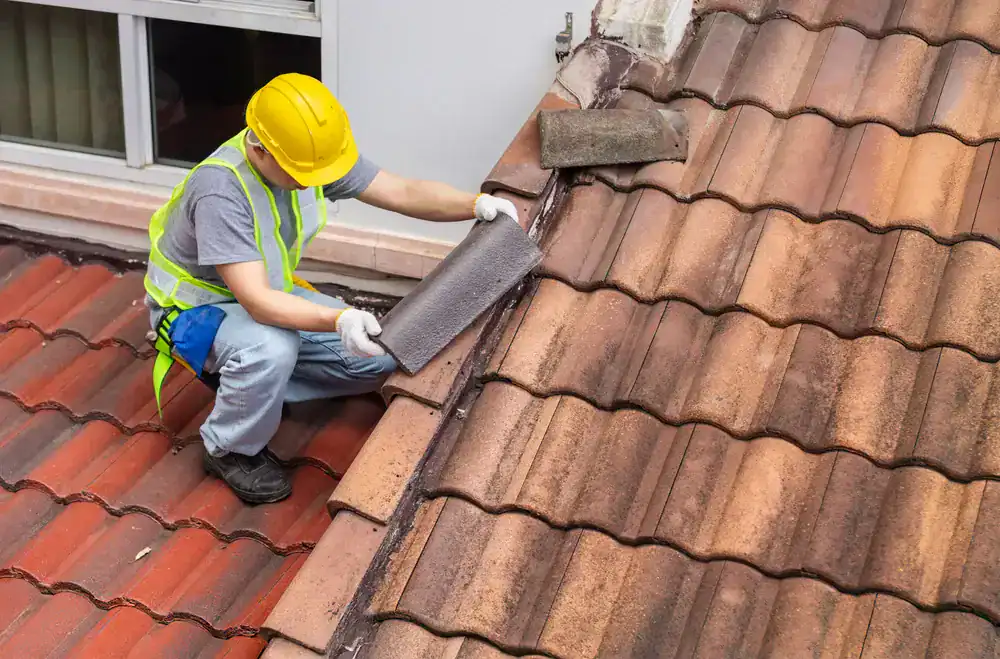
We look for impact marks from hail on shingles and metal components, lifted or displaced shingles that may have reseated but are no longer properly sealed, and any separation at flashing points that could allow water infiltration under normal rain conditions. We also check gutter attachment and the soffit and fascia for wind-driven moisture intrusion. If you’re planning to file an insurance claim, having a documented inspection report from a licensed, certified contractor gives you a professional assessment that carries weight with adjusters — and makes sure nothing gets missed before the claim window closes.
How often should Piscataway homeowners schedule a professional roof inspection?
The standard recommendation from industry organizations is twice a year — once in the spring after winter is fully behind you, and once in the fall before freeze season begins. For Piscataway homeowners, those windows are particularly relevant. Spring inspections catch whatever the winter left behind: ice dam damage, freeze-thaw stress at flashing points, and shingle loss from nor’easters. Fall inspections give you the chance to address any vulnerabilities before Middlesex County’s freeze-thaw cycling starts again in November and December.
Beyond the twice-yearly rhythm, there are situations that should trigger an inspection regardless of timing — a severe thunderstorm, a hail event, a ceiling stain that appeared after heavy rain, or a home sale. If your home is in the 30-to-50-year age range that describes much of Piscataway’s housing stock, and you’ve never had a professional inspection, that’s reason enough to schedule one now rather than waiting for the calendar.
What's the difference between a licensed and an unlicensed roofer in New Jersey?
In New Jersey, roofing contractors are required to register as Home Improvement Contractors through the Division of Consumer Affairs. This registration requires proof of liability insurance, valid business registration, and compliance with the Consumer Fraud Act. It also gives homeowners a legal avenue for recourse if something goes wrong. An unlicensed contractor operates outside that framework entirely — and if the work fails or a dispute arises, your options are limited.
This matters more than most homeowners realize at the time of hire. An unlicensed contractor may offer a lower price, but they typically skip permits, carry inadequate insurance, and have no accountability structure if the job goes sideways. In a township like Piscataway, where code enforcement is active and permit requirements for roofing work are clearly established, hiring an unlicensed operator puts you at direct risk of a code violation on your own property. We are fully licensed, insured, and registered — and we pull the required permits on every job.
Why is our roof inspection in Piscataway, NJ free?
Because the inspection is how we earn the conversation, not how we charge for it. A professional roof inspection in New Jersey typically runs $150 to $400 depending on the contractor and the scope. We absorb that cost because we’d rather show you what we find and let the work speak for itself than create a financial barrier to getting accurate information about your home.
Piscataway homeowners tend to be thorough researchers — this is a community with a high concentration of professionals who read reviews carefully, compare contractors, and don’t respond well to pressure. The free inspection fits that dynamic. You get a complete, documented assessment with no obligation attached. If the roof is fine, we’ll tell you. If there’s work to be done, you’ll have a clear explanation of what it is and why — and you can make your decision from there. That’s the kind of relationship that leads to referrals in a tight-knit community, and that’s what we’re building here.