
Gutter Repair in Mountainside, NJ
Stop Water Damage Before It Costs You Thousands
Hear from Our Customers
Gutter Repair Services Mountainside Homeowners Trust
You already know what happens when gutters fail. Water pools near your foundation. Ice dams form in winter. Your basement gets damp, and suddenly you’re looking at repair bills that make gutter work seem cheap.
Most gutter problems don’t announce themselves until the damage is done. A small crack becomes a stream during the next storm. Loose hangers let sections sag, and now water’s pouring behind your siding instead of away from your house.
Here’s what actually matters: catching problems early and fixing them right. That means inspecting the full system, not just patching the obvious leak. It means understanding how Mountainside’s heavy autumn leaf fall and winter ice cycles stress your gutters differently than they would two states south.
When your gutters are doing their job, you don’t think about them. Water goes where it should. Your foundation stays dry. You’re not dealing with ceiling stains or worrying every time it rains. That’s the outcome worth paying for.
Licensed Gutter Contractor Serving Mountainside, NJ
We’ve spent ten years working on homes across Union County. We’re licensed, insured, and certified by major manufacturers because we do roofing, siding, and gutter work that holds up to what New Jersey throws at it.
We’re not a gutter-only company trying to upsell you on full replacement when a repair will do. We’re exterior specialists who know when a section needs replacing and when it just needs proper reattachment. That difference matters to your wallet.
Mountainside homes deal with mature tree coverage, elevation changes, and nor’easters that other areas don’t see as hard. We’ve worked on enough properties here to know what fails first and why. Free estimates mean we can look at your specific situation without you committing to anything.

Our Gutter Repair Process in Mountainside
You call or submit a request. We schedule a free inspection at a time that works for you. No pressure, no sales pitch while we’re on your property.
During the inspection, we check the entire gutter system. That includes downspouts, hangers, seams, end caps, and how water’s actually flowing when it rains. We’re looking for current damage and what’s likely to fail next based on wear patterns.
You get a clear estimate that breaks down what needs repair, what needs replacement, and what can wait. We explain why each item matters and what happens if you skip it. Some companies make everything sound urgent. We tell you what’s actually urgent.
Once you approve the work, we schedule it based on weather and your availability. Most gutter repairs in Mountainside take a few hours to a full day depending on scope. We clean up completely, test water flow, and walk you through what we did before we leave.

Ready to get started?
What's Included in Mountainside Gutter Repair
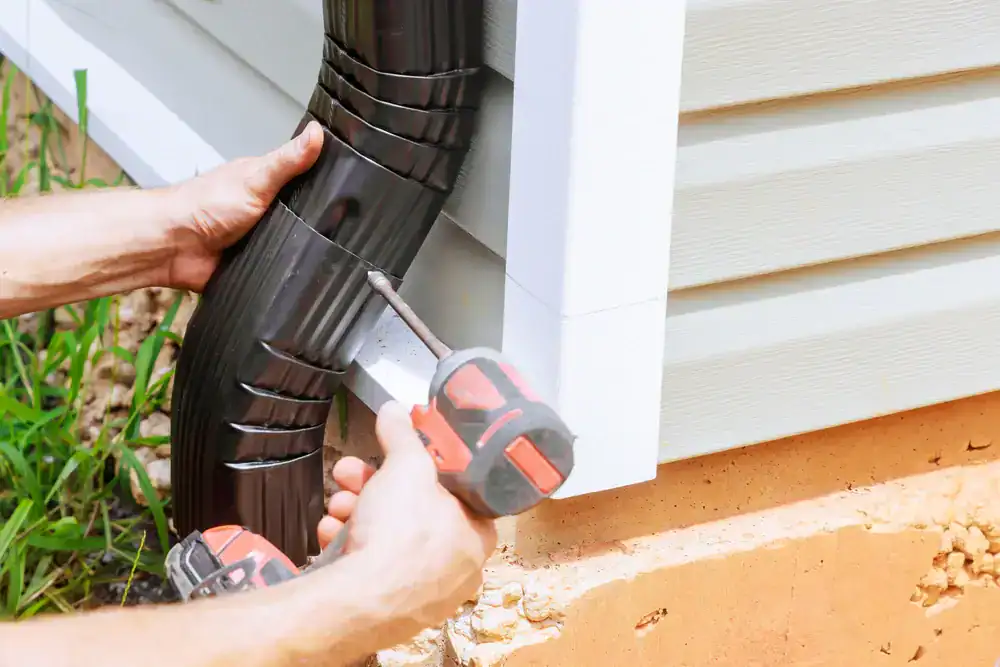
Gutter repair covers the problems that let water damage your home. Leaking seams get resealed with commercial-grade sealant that handles temperature swings. Sagging sections get rehung with proper fasteners into solid wood, not just back into old holes. Damaged sections get cut out and replaced with matching material.
Downspouts that dump water too close to your foundation get extended. Loose end caps get secured. Hangers that pulled away during ice loading get replaced with hardware that won’t fail the same way next winter.
In Mountainside, we see specific patterns. The heavy leaf fall from oak and maple trees clogs valleys and corners first. Winter ice accumulation stresses the hangers on north-facing rooflines harder. Homes near wooded areas deal with more debris and faster deterioration from constant moisture.
Your repair should address what’s broken and why it broke. A patch job gets you through one season. Proper repair considers what caused the failure and prevents it from happening again. That’s the difference between spending $300 now or $3,000 later when water gets inside your walls.

How much does gutter repair cost in Mountainside, NJ?
Most gutter repairs in Mountainside run between $150 and $450 depending on what’s damaged and how much of the system needs work. Simple fixes like resealing a leaking seam or reattaching a loose section cost less. Replacing damaged sections or rehinging sagging gutters costs more.
The actual price depends on your specific situation. A single corner that’s leaking is different from an entire side of the house pulling away from the fascia. Material matters too—aluminum repairs cost less than copper or steel.
We give you a free estimate that breaks down exactly what you’re paying for. No hidden fees, no surprise charges when the work’s done. You know the cost before we start, and that number doesn’t change unless you approve additional work we find once we’re up there.
Should I repair or replace my gutters?
If the damage is isolated to one or two sections and the rest of the system is solid, repair makes sense. If you’re looking at multiple problem areas, rust throughout, or gutters that are 20+ years old, replacement is probably smarter long-term.
Here’s how to think about it: repairs buy you time and cost less upfront. Replacement costs more now but solves everything at once and gives you another 15-20 years without worrying about it. Neither answer is wrong—it depends on your situation and budget.
We’ll tell you honestly what we’d do if it was our house. Some contractors push replacement because it’s more profitable. We’ve been doing this for a decade in Union County, and our reputation matters more than one sale. If repair makes sense, that’s what we’ll recommend.
How long does gutter repair take?
Most gutter repairs take between two and six hours depending on the scope of work. Simple fixes like sealing leaks or reattaching loose sections can be done in a couple of hours. More involved repairs that require replacing damaged sections or rehinging multiple areas take longer.
Weather affects timing. We can’t seal seams properly in rain, and we won’t work on your roof in unsafe conditions. If we need to order matching materials for section replacement, that adds a few days to the timeline, but the actual work still happens in one visit.
We schedule repairs at times that work for you, and we show up when we say we will. You don’t need to be home for the work, but we’ll walk you through everything we did before we leave. Most homeowners are surprised how quick it is once we’re on site.
What causes gutters to fail in Mountainside?
New Jersey weather is the main culprit. Winter ice accumulation adds weight that stresses hangers and pulls gutters away from fascia boards. Ice dams form when heat escapes through your roof, melting snow that refreezes in gutters and expands, cracking seams and bending metal.
Mountainside’s heavy autumn leaf fall from mature trees clogs gutters fast. When debris blocks water flow, it overflows and pools where it shouldn’t. That constant moisture accelerates rust and deterioration, especially at seams and corners.
Poor installation causes problems too. Gutters need proper pitch to drain correctly. Hangers spaced too far apart sag under load. Seams that weren’t sealed right leak from day one. We see all of this regularly, and most of it is preventable with quality installation and seasonal maintenance.
Do you offer emergency gutter repair?
Yes. Storm damage doesn’t wait for business hours, and neither do we. If a nor’easter rips your gutters off or ice buildup causes sudden failure, we can get someone out to assess the damage and provide temporary solutions to prevent water from damaging your home further.
Emergency repairs focus on stopping active water intrusion first. That might mean temporary downspout routing, tarping, or quick reattachment to get you through the immediate crisis. Then we schedule proper repairs once conditions allow for quality work.
We also help with insurance claims for storm damage. That means documenting what happened, providing detailed estimates, and working with your adjuster to make sure you get appropriate coverage. Most homeowners don’t deal with insurance claims often—we do, and we know what documentation they need.
How do I know if my gutters need repair?
Water overflowing during rain is the obvious sign. If you see water spilling over the edge instead of flowing through downspouts, something’s wrong—usually a clog, sag, or pitch problem.
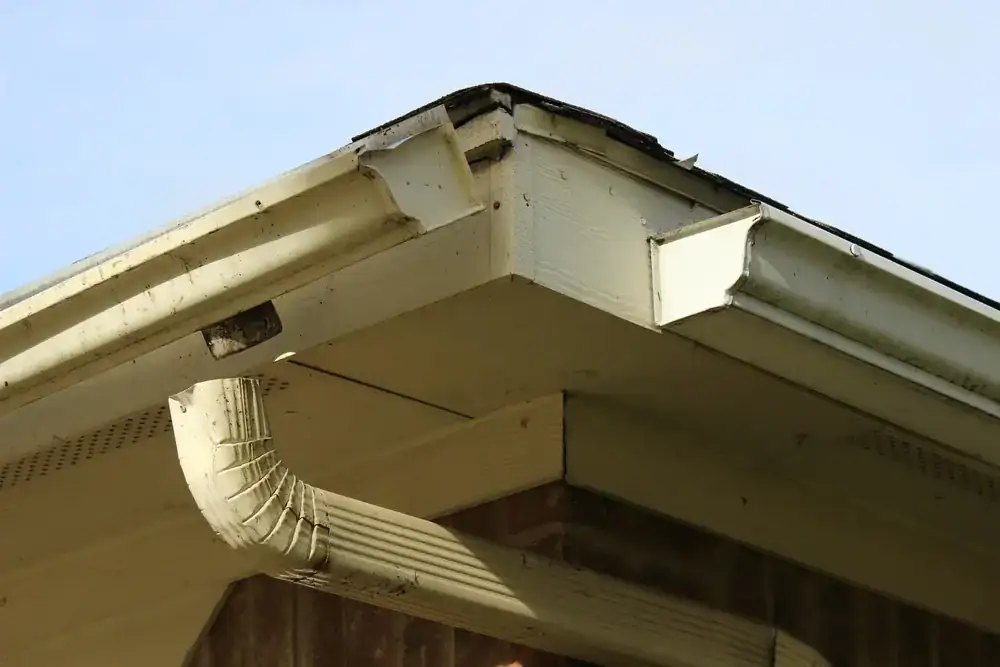
Look for visible damage too. Gutters pulling away from the house, sagging sections, rust spots, or separated seams all need attention. Water stains on siding below the gutter line mean water’s escaping where it shouldn’t. Pooling water near your foundation after rain suggests downspouts aren’t directing water far enough away.
Inside your home, ceiling stains near exterior walls or damp basement walls can trace back to gutter failure. If you’re seeing these signs, the problem’s already causing damage. The best approach is annual inspection before you see obvious problems—catching small issues before they become expensive ones.
Other Services we provide in Mountainside