
Gutter Installation in Paramus, NJ
Bergen County Winters Don't Forgive Gutters That Are Overdue
Hear from Our Customers
Rain Gutter Installation in Paramus, NJ
When gutters fail quietly, the damage isn’t quiet at all. Water backs up behind your fascia, seeps into your foundation, and shows up as basement moisture weeks later — long after the storm that caused it. For a home worth close to $1 million in Paramus, that chain of events is a far more expensive problem than the gutter replacement that could have stopped it.
Bergen County gets close to 50 inches of rain annually. That’s well above the national average, and it doesn’t include the nor’easters, ice storms, and summer microbursts that push an inch or more of rain through your drainage system in under an hour. If your gutters are undersized, partially clogged, or pulling away from the fascia, they’re not handling that load — they’re redirecting it somewhere you don’t want it to go.
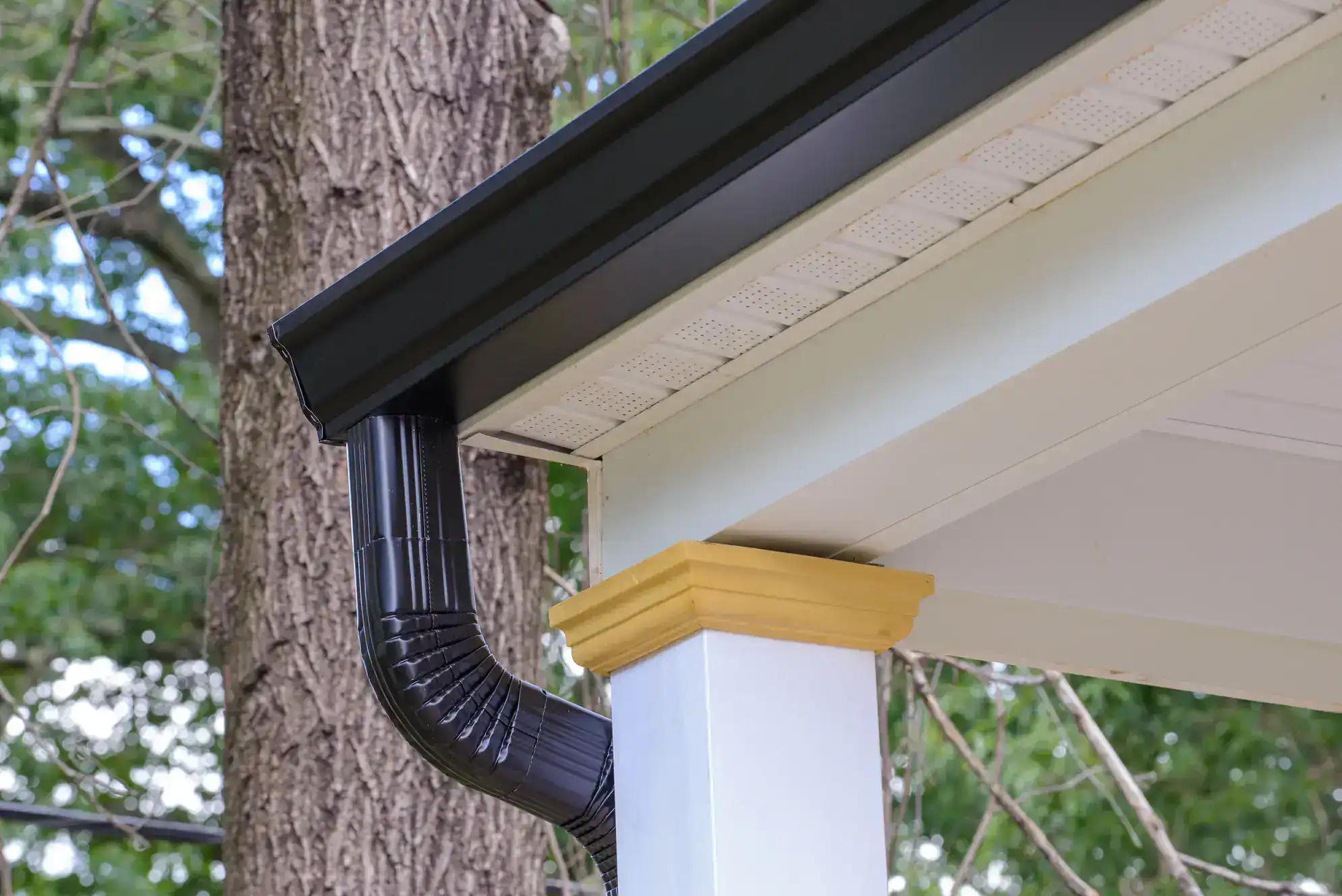
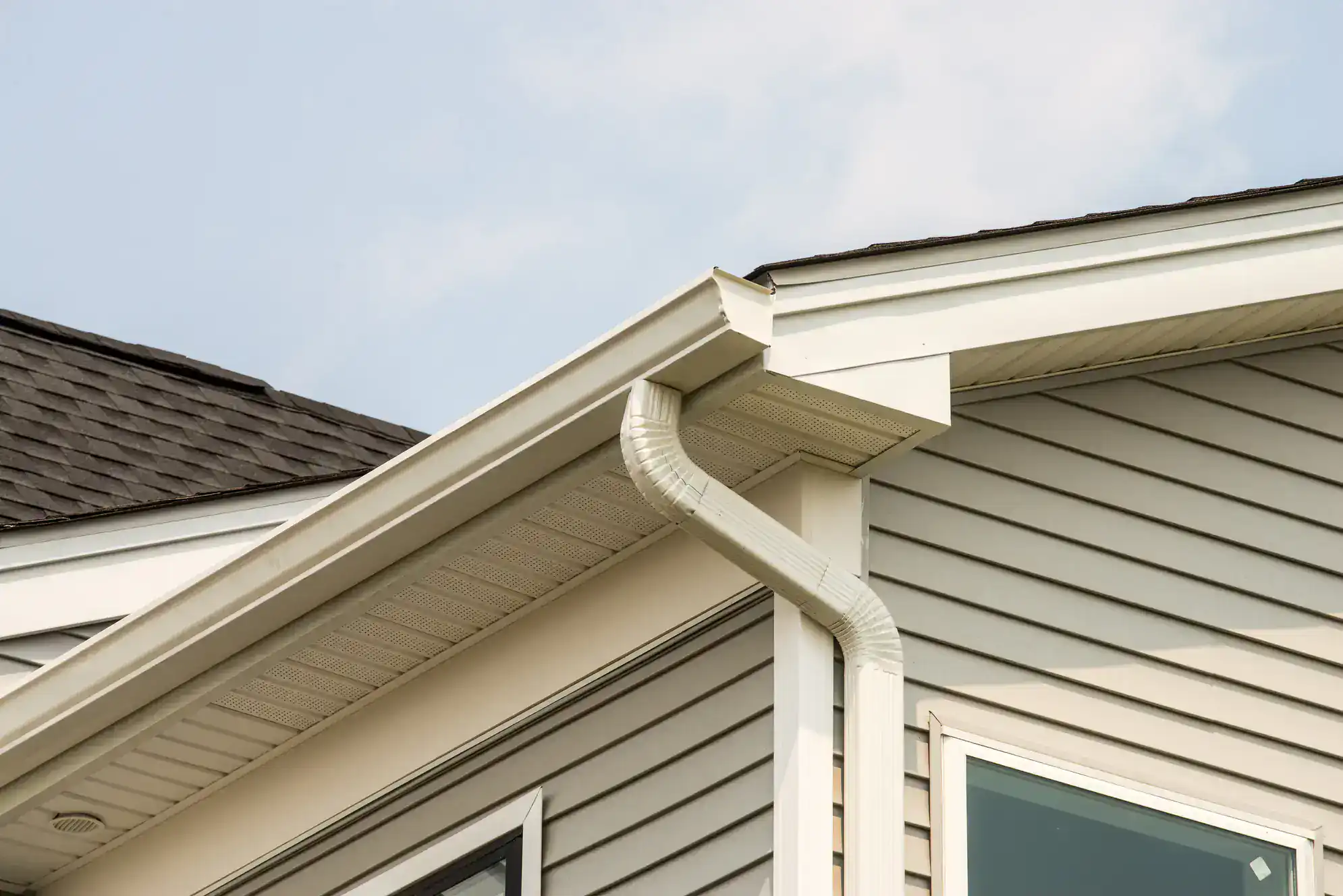
The mature oaks and maples lining streets in neighborhoods like Spring Valley and Fairway Oaks don’t help. Those trees are 50 to 70 years old now, and every fall they drop enough leaves to clog a downspout in a single storm. Properly installed, correctly sized seamless gutters — with downspouts placed and angled to move water away from your foundation — change what your home looks like after every hard rain. No overflow. No pooling. No wondering whether this is the storm that finally causes a problem.
Gutter Contractors in Paramus, NJ
USA Home Remodeling is a licensed New Jersey home improvement contractor (License #13VH10605800, NJ Division of Consumer Affairs) with over ten years of exterior renovation experience serving Bergen County homeowners in Paramus and surrounding communities. We grew through referrals — not advertising — which means every job in Paramus reflects directly on the next one.
Our primary focus is roofing, but gutters and siding have always been part of the picture because they’re part of the same system. A roof problem can make even a brand-new gutter fail. Rotted fascia from a 1963 ranch in the Arcola neighborhood will cause new gutters to pull away within a season. That whole-exterior perspective is what separates a proper installation from one that looks fine until the next nor’easter.
Manufacturer certifications back our work. Free inspections and written estimates start every conversation. And the NJ HIC license is public record — you can verify it before you ever pick up the phone.
Home Gutter Installation in Paramus, NJ
It starts with a free inspection. Before any quote is written, we evaluate your existing gutters, the condition of your fascia boards, your roof edge, and where your downspouts are currently discharging relative to your foundation. On a home built in the early 1960s — which describes the majority of Paramus’s housing stock — this step isn’t optional. Fascia rot is common, and mounting new gutters to compromised wood is one of the most avoidable mistakes in the business.
Once the inspection is done, you get a written estimate that breaks down exactly what’s included and what it costs. No line items that appear later. No pressure to decide on the spot. If the honest answer is that you need a repair rather than a full replacement, that’s what you’ll hear.
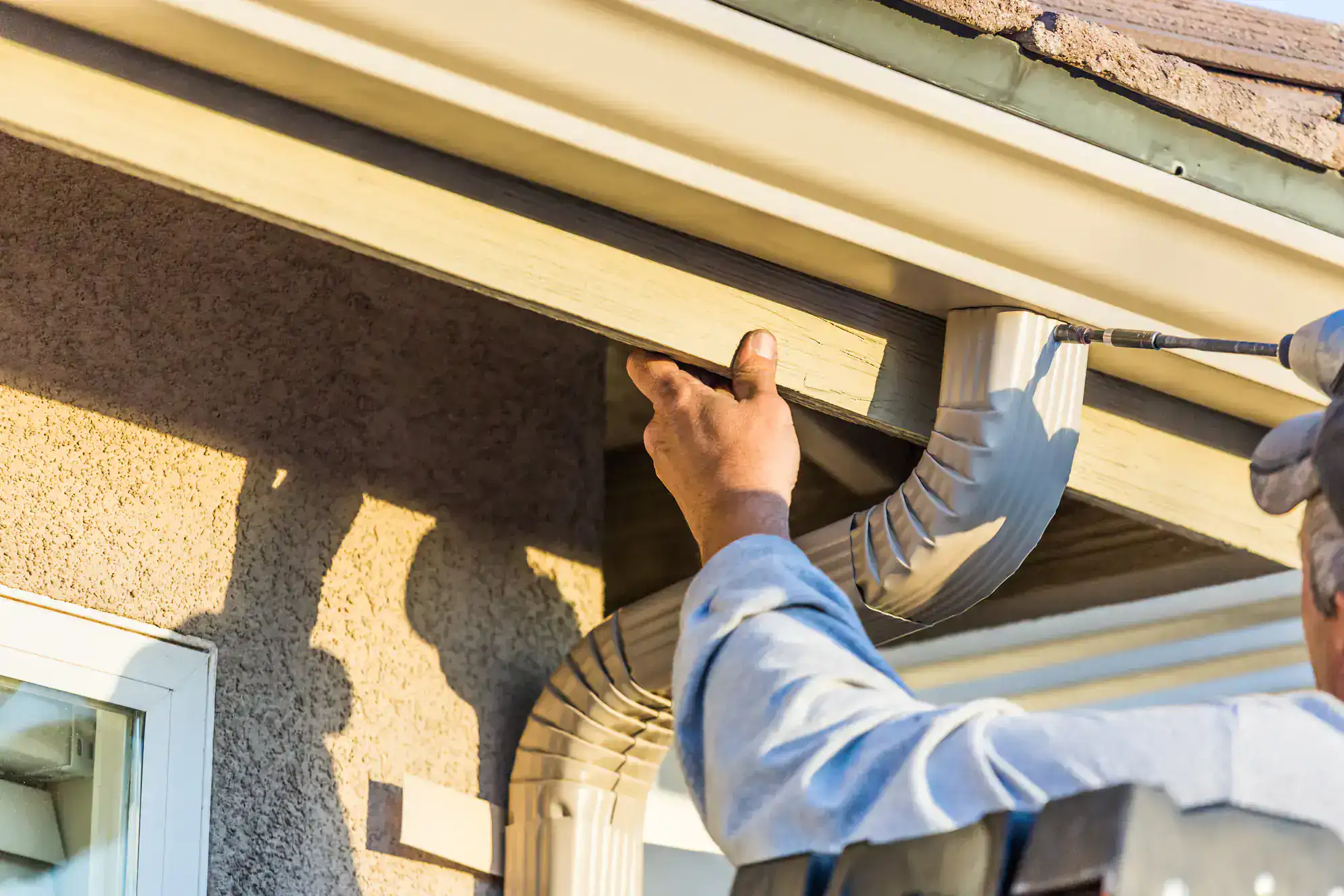
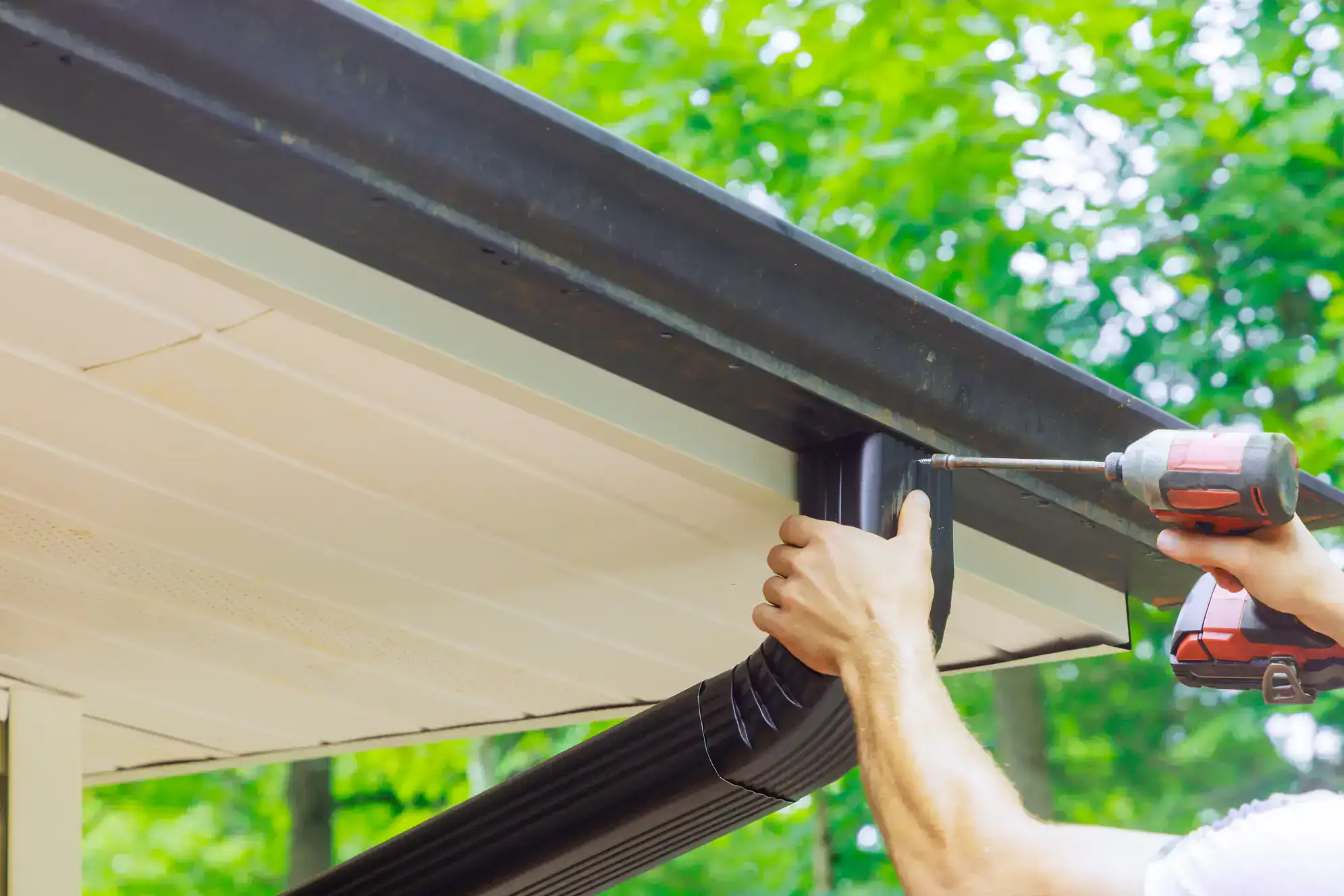
When the work begins, gutters are custom-fabricated on-site to your home’s exact roofline measurements using seamless aluminum — no pre-cut sections, no seams along the run where leaks typically start. Slope is calculated before the first bracket goes in, because gutters without proper pitch pool water and overflow in the kind of summer storms that already flood the Route 17 corridor. Downspouts are positioned and extended to move water well away from your foundation. When the job is done, the site is cleaned and the system is checked before our crew leaves.
Ready to get started?
Roof Gutter Installation in Paramus, NJ
Gutter installation in Paramus isn’t a one-size-fits-all job. The larger four- and five-bedroom homes that make up most of the borough’s housing stock have more linear footage, more complex rooflines, and more downspout demand than a smaller home would. Every installation is scoped to your specific home — not a standard package applied to every job on the schedule.
What that looks like in practice: seamless aluminum gutters fabricated on-site, fascia evaluation and replacement where needed, downspout sizing calculated for your roof’s actual square footage and Bergen County’s rainfall intensity, and discharge extensions placed to protect your foundation. If your home sustained storm damage — from a nor’easter, a summer microburst, or ice dam formation over a Bergen County winter — we can help document that damage for an insurance claim and work through the adjuster process with you. That’s a service a gutter-only specialist typically doesn’t offer.
Like-for-like gutter replacement on an existing home generally doesn’t require a separate construction permit in Paramus, but any structural work to fascia or changes to downspout discharge may trigger a review with the borough. We’re familiar with Bergen County municipal requirements and will advise you on what applies to your specific project before work begins.
How do I know if my Paramus home's gutters need replacement or just repair?
The honest answer is that it depends on what’s actually failing. Gutters that are sagging, pulling away from the fascia, or showing visible rust and seam separation are typically past the point where repair makes financial sense — especially on a home built in the 1960s, where the fascia boards themselves may be contributing to the problem. A gutter that keeps separating at the seams isn’t a seam problem; it’s a sign the underlying attachment system is compromised.
On the other hand, a single cracked section, a loose bracket, or a downspout that’s come disconnected at the elbow — those are legitimate repair scenarios. The only way to know for certain is a proper inspection that looks at the full run, not just the obvious damage point. That’s exactly what our free inspection covers. You’ll get a straight answer on whether repair or replacement makes more sense for your specific situation, with no pressure attached to the recommendation.
What size gutters does a larger Paramus home typically need?
Most residential homes use either 5-inch or 6-inch gutters, and the right choice depends on your roof’s square footage and pitch — not just the size of the house. In Bergen County, where rainfall intensity during summer storms regularly exceeds what a standard 5-inch gutter can handle on a larger roof, undersizing is one of the most common reasons gutters overflow even when they’re clean and properly attached.
Paramus has a high proportion of four- and five-bedroom single-family homes — larger footprints, more roof surface, more drainage demand. For those homes, 6-inch seamless gutters paired with properly sized downspouts are often the right call. Downspout count matters too: a long gutter run with a single downspout creates a bottleneck that no gutter width can fully compensate for. During the estimate, we calculate sizing based on your actual roof measurements and local rainfall data — not a default recommendation applied to every job.
How does Bergen County's freeze-thaw cycle affect gutters on older Paramus homes?
It’s one of the most damaging and least visible problems for mid-century homes in Paramus. When temperatures swing above and below freezing repeatedly between November and March — which happens regularly in Bergen County — the expansion and contraction cycle works on every bracket, every hanger, and every seam in a sectional gutter system. Over time, brackets loosen, seams open up, and gutters begin to pull away from the fascia at the attachment points.
On a home built in the 1960s, those attachment points are often original fascia boards that have been absorbing moisture for decades. When the wood is soft, screws don’t hold, and no amount of reattachment fixes the underlying problem. Ice dam formation compounds this — when heat escaping through the attic melts snow that then refreezes in the gutter trough, the weight and expansion can physically tear sections away from the roof edge. A proper installation on a Paramus home accounts for all of this: correct bracket spacing, sealed seams, and a fascia evaluation before anything is mounted.
Does homeowner's insurance cover gutter damage from storms in New Jersey?
It can, and more homeowners qualify than realize it. In New Jersey, homeowner’s insurance policies typically cover sudden and accidental damage caused by qualifying storm events — which can include wind damage, hail impact, and ice dam damage to gutters and fascia. The key word is “sudden.” Damage that results from years of deferred maintenance generally isn’t covered, but damage from a specific nor’easter, a microburst, or a significant ice event often is.
The challenge is documentation. Insurance adjusters are looking for evidence that ties the damage to a specific event, and a vague description of “gutters are falling off” doesn’t get a claim approved. We have experience documenting storm damage to gutters and roofs in Bergen County — photographing the damage, noting the failure points, and communicating with adjusters in a way that supports your claim. If you’ve had a storm event recently and your gutters are showing new damage, it’s worth having an inspection before you assume the repair is entirely out of pocket.
Are gutter guards worth installing on homes with heavy tree coverage in Paramus?
For homes under a mature tree canopy — which describes a significant number of streets in neighborhoods like Arcola, Spring Valley, and Fairway Oaks — gutter guards are worth a serious conversation. The oaks and maples in those neighborhoods are 50 to 70 years old, and they drop a volume of leaves, seeds, and debris that can clog a downspout faster than most homeowners expect. When downspouts back up, water has nowhere to go except over the edge of the gutter or behind it — neither of which is good for your foundation or your fascia.
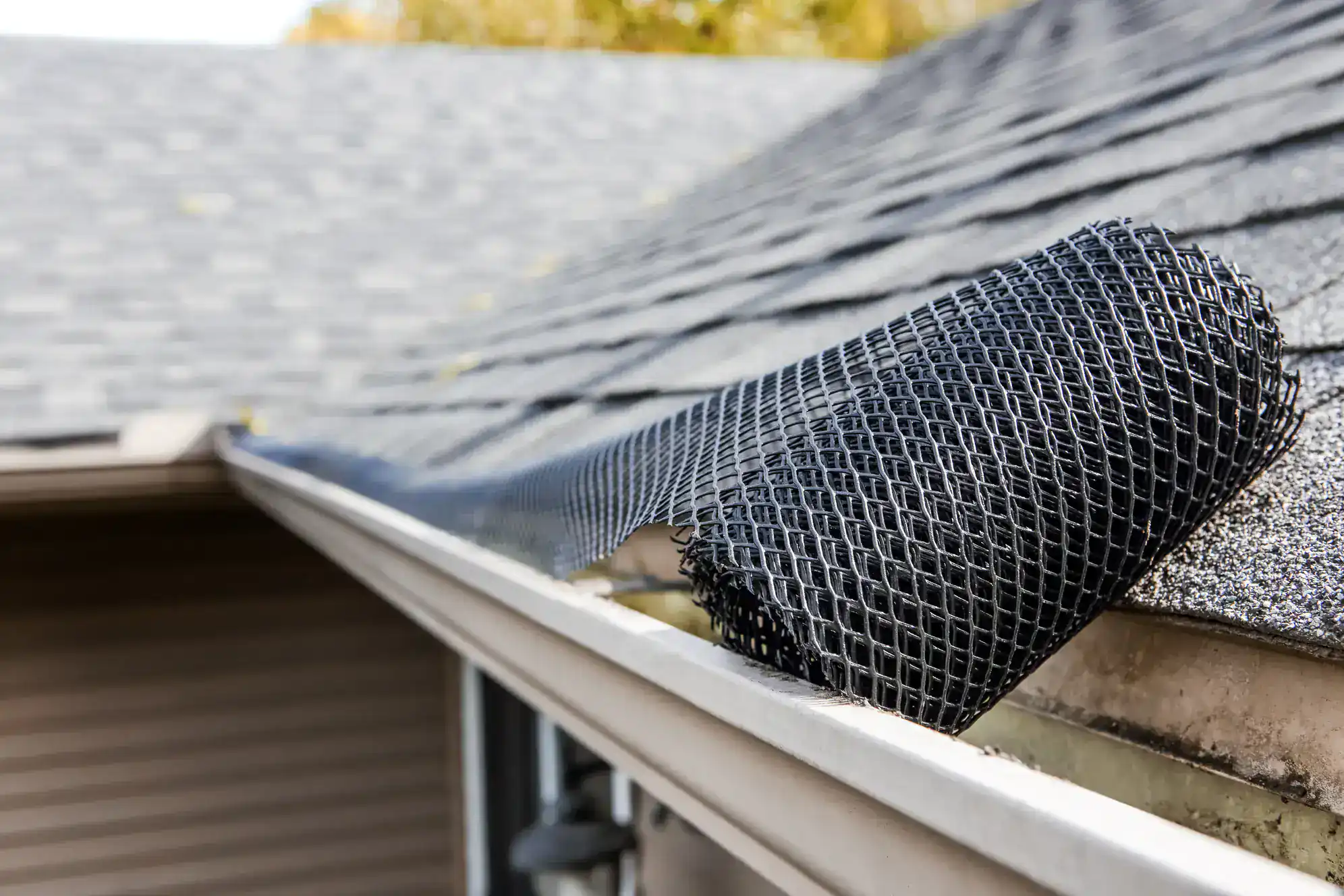
That said, gutter guards aren’t a maintenance-free solution, and the quality varies significantly. Cheap foam or plastic inserts can create their own debris problems. Micro-mesh systems from reputable manufacturers perform better over time and require far less seasonal cleaning. Whether guards make sense for your specific home depends on the tree coverage, the gutter configuration, and what you’re currently spending on cleaning each year. It’s a conversation worth having during the inspection, not a default add-on to every job.
What should I look for when hiring a gutter installation company in Paramus, NJ?
Start with the basics: a valid NJ Home Improvement Contractor license, verifiable through the NJ Division of Consumer Affairs. In Paramus, where home values approach $1 million, this isn’t a formality — it’s the minimum standard that separates contractors who carry real accountability from those who don’t. An unlicensed contractor can’t offer manufacturer-backed warranty coverage, and they won’t be easy to reach if something fails six months after the install.
Beyond licensing, look for a contractor who evaluates the full system — not just the gutters. A company that measures linear footage and hands you a quote without looking at your fascia condition, your roof edge, or your downspout discharge points is skipping the steps that determine whether the installation actually holds up. Ask whether they fabricate seamless gutters on-site or use pre-cut sections. Ask how they calculate downspout sizing. Ask whether they’ve worked on homes from the 1960s in Bergen County — because those homes have specific structural considerations that a contractor without local experience may not anticipate. The answers will tell you a lot about whether they actually know what they’re doing.