
Siding Installation in Union Village, NJ
Union Village Homes Deserve More Than a Quick Fix
Hear from Our Customers
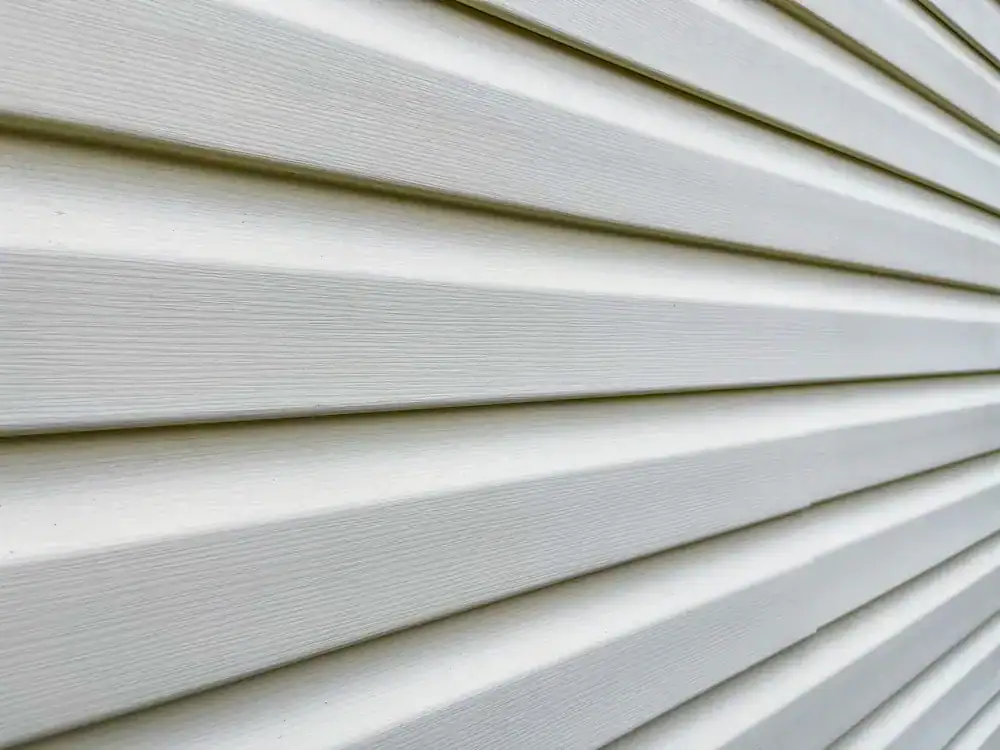
Vinyl Siding Contractors in Union Village
Old siding doesn’t just look rough — it stops doing its job. When panels crack, warp, or pull away from the wall, water finds its way in. In Union Village, where a lot of the housing stock goes back to the 1940s and 50s, that’s not a hypothetical. It’s what happens when deferred maintenance finally catches up.
New siding changes the equation fast. Your walls are sealed again. Moisture stays out. The insulation behind your cladding actually does what it’s supposed to do, which means lower energy bills and fewer drafts in the rooms that always seemed a little too cold in January. For the older Colonials and split-levels throughout Connecticut Farms and Battle Hill, that difference is immediate and real.
There’s also the curb appeal side of it — and in a neighborhood where homes sit close to the street and close to each other, the exterior of your home is always visible. Fresh siding brings the whole front of the house together. It’s not about impressing anyone. It’s about protecting what you’ve put into this property and making sure it holds its value in a market where Union Township homes have appreciated significantly over the past several years.
Local Siding Company in Union Village, NJ
We’ve been working on exterior renovations across Union County for close to ten years. Our business started with roofing — and that foundation matters more than it might seem. Roofing contractors understand how an exterior envelope actually works: how water moves, where it enters, how flashing and moisture barriers interact with siding. That depth of knowledge doesn’t come from hanging panels alone.
We’re family-operated, which means the people accountable for your project are the same people who built this business from the ground up. There’s no franchise model, no rotating crews, no call center between you and the person making decisions. When you’re getting siding replaced on a home near Putnam Manor or anywhere else in Union Village, you want to know who’s showing up — and that you can actually reach them.
Licensing, insurance, and manufacturer certifications are all in place. We provide free estimates and free inspections as standard. If repair is the honest answer, that’s what you’ll hear.

Residential Siding Contractors in Union Village, NJ
It starts with a free inspection. Before any numbers are discussed, we take a real look at what’s there — the existing siding, the substrate underneath, any signs of moisture infiltration or damage behind the cladding. On older homes in Union Village, that step matters. A lot of pre-1960 construction has had multiple layers of siding added over the years, and what’s underneath isn’t always what you’d expect. Knowing the full picture upfront prevents surprises mid-project.
From there, you get a written estimate that spells out exactly what’s included — material, labor, removal of existing siding, disposal, and any substrate work that needs to happen before installation begins. The number on that estimate is the number you pay. If something unexpected comes up during the job, it gets discussed with you before any additional work moves forward.
Once the scope is agreed on, Union Township requires a building permit for full siding replacement under the New Jersey Uniform Construction Code. We handle that process as part of the project — you don’t have to navigate the township’s permit system on your own. Installation follows, and the job doesn’t wrap until a final walkthrough confirms everything is done right. Spring and early fall tend to book out fastest in this area, so reaching out early gives you the most scheduling flexibility.

Ready to get started?
Siding Contractors in Union Village, NJ
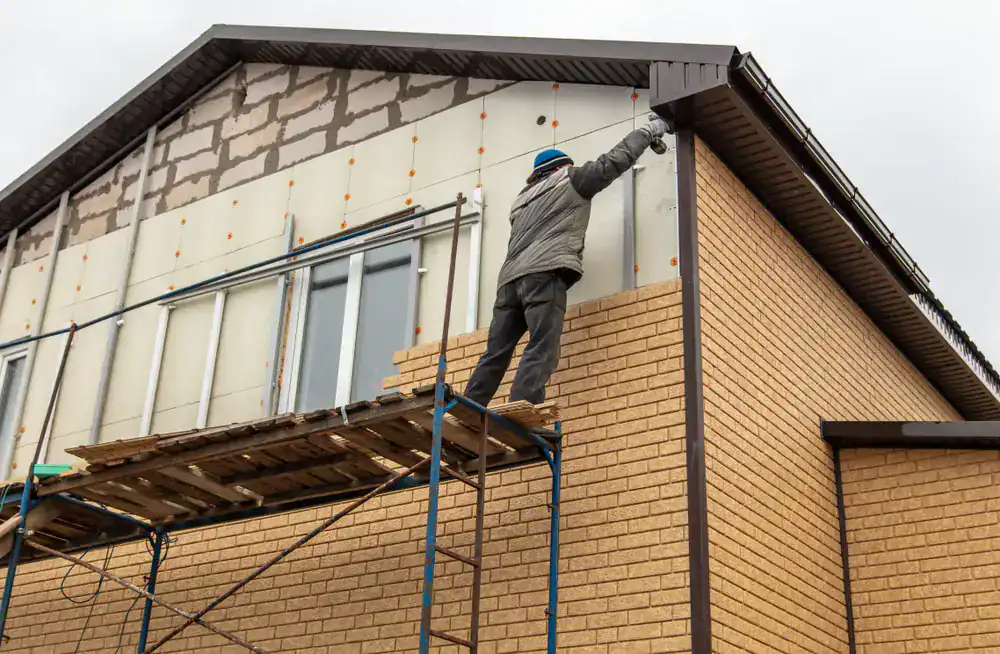
Siding installation with us isn’t just about what goes on the wall — it’s about what happens before the first panel is hung. Proper housewrap and moisture barrier installation, correct flashing at windows and roofline transitions, and full removal of existing siding when needed are all part of how the job gets done. These aren’t upsells. They’re what separates an installation that holds up for 25 years from one that starts showing problems in five.
Vinyl siding is the most common choice for Union Village homeowners — it handles the freeze-thaw cycles of a New Jersey winter well, requires minimal maintenance, and holds its appearance over time. For homeowners who want added performance, insulated vinyl siding improves thermal efficiency noticeably, which matters in older homes where wall insulation is often minimal or degraded. Fiber cement is available for homeowners who want a different look or are dealing with specific substrate conditions that make it the better long-term fit.
Because our primary expertise is roofing and full exterior renovation, we approach every siding project with an eye on the whole envelope. That means we’ll catch the flashing gap at the roofline, the gutter overflow point directing water behind your siding, or the deteriorated housewrap that a siding-only crew might not flag. In Union Village’s aging housing stock, that integrated view of the exterior isn’t a bonus — it’s what makes the installation actually work.

Does siding installation in Union Village, NJ require a building permit?
Yes — in Union Township, a building permit is required for full siding replacement under the New Jersey Uniform Construction Code. The Building Department administers permits for exterior work, and inspections must be requested through the township’s system once the work is underway. This isn’t something to skip. Homeowners who have siding replaced without a permit can run into complications when they go to sell, and in some cases, the work may need to be redone to satisfy a buyer’s inspection or a title company’s requirements.
The good news is that a reputable contractor handles this for you. We manage the permit application as part of the project scope — you don’t have to figure out Union Township’s process on your own. It’s also worth noting that New Jersey requires all home improvement contractors to be registered with the NJ Division of Consumer Affairs under the Home Improvement Contractor program. Hiring an unregistered contractor leaves you without legal recourse under the NJ Consumer Fraud Act if something goes wrong. Always verify registration before signing anything.
How do I know if my siding needs to be fully replaced or just repaired?
The honest answer is that it depends on what’s actually going on behind the visible surface — and that’s not something you can fully assess from the outside. Cracked or missing panels might be isolated damage that’s worth repairing. But if the siding is original to a Union Village home built in the 1940s or 50s, or if it was last updated in the 1980s, the more likely scenario is that the overall system has reached the end of its useful life. Patching panels on failing cladding is a short-term fix that often leads to a full replacement conversation a year or two later anyway.
The signs that lean toward full replacement include widespread fading or chalking, panels that are warping or buckling along multiple walls, visible gaps at seams or around windows, and — most importantly — any evidence of moisture infiltration on interior walls or in the attic. A free inspection from us gives you a clear answer based on what’s actually there, not a sales pitch. If repair is the right call, that’s what you’ll hear. If replacement makes more sense given the age and condition of your home, the inspection will show you exactly why.
What siding material holds up best against New Jersey winters?
For most Union Village homeowners, vinyl siding is the practical answer — and for good reason. It handles freeze-thaw cycles well, doesn’t rot or corrode, and requires almost no maintenance beyond an occasional rinse. Modern vinyl has come a long way from what was installed in the 1980s and 90s. Thicker profiles, improved UV stabilizers, and better locking systems mean it holds its appearance and structural integrity through years of Northeast weather without the issues that plagued older generations of the material.
Insulated vinyl is worth considering if your home has minimal wall insulation — which is common in Union Village’s pre-1960 housing stock. The foam backing reduces thermal bridging and noticeably improves comfort in rooms that tend to run cold in winter. Fiber cement is another solid option for homeowners who want a different aesthetic or are dealing with specific substrate conditions. It’s heavier, more labor-intensive to install, and costs more upfront — but it’s extremely durable and holds paint well over time. The right choice depends on your home’s specific conditions, your budget, and your long-term goals for the property. A consultation will help you figure out which direction makes the most sense.
How long does a full siding installation take on a typical Union Village home?
For a standard single-family home in Union Village — a Colonial, split-level, or Cape Cod of average size — full siding installation typically takes between three and five days once the project is underway. That estimate assumes the existing siding is being removed, which it should be in most cases on older homes. Installing new siding over old cladding without removing it first can trap moisture, add unnecessary weight to the wall assembly, and mask substrate problems that will eventually demand attention.
A few factors can extend that timeline. If the inspection reveals deteriorated sheathing or framing that needs to be addressed before siding goes up, that work adds time. Permitting through Union Township adds a few days on the front end before installation can begin. Weather is always a factor in the Northeast — a nor’easter mid-project is unlikely but possible, and the schedule gets adjusted accordingly. The clearest way to get an accurate timeline for your specific home is to start with an inspection, which gives our team a complete picture of what the project actually involves before any commitments are made.
How much does siding installation cost in Union Village, NJ?
For a typical single-family home in Union Village, full siding installation generally runs somewhere between $8,000 and $20,000 depending on the size of the home, the material selected, and the condition of the substrate underneath. Vinyl siding on a mid-sized Colonial or split-level tends to fall in the lower-to-middle part of that range. Insulated vinyl and fiber cement push the number higher, as does any substrate repair work that needs to happen before installation begins.
What matters more than the total number is what’s included in it. A written estimate from us covers material, labor, removal and disposal of existing siding, housewrap, and any substrate work identified during the inspection. There are no change orders invented after the job starts. If something unexpected comes up during the project, it gets discussed with you before any additional work proceeds — and you decide how to move forward. Getting a free estimate is the only way to get a number that actually reflects your home’s specific conditions, so that’s always the right starting point.
Why does it matter that my siding contractor also does roofing work?
Because siding and roofing aren’t separate systems — they’re connected parts of the same exterior envelope. The point where your siding meets your roofline, your soffits, and your fascia is one of the most common places water finds its way into a home. If the flashing at that transition isn’t installed correctly, or if the contractor replacing your siding doesn’t recognize a roofline issue that’s been directing water behind your cladding for years, you can end up with new siding on top of an ongoing moisture problem.
This is especially relevant in Union Village, where a lot of the housing stock is 60 to 70 years old and has been through multiple rounds of exterior updates by different contractors over the decades. The conditions you find behind old siding on a home in Connecticut Farms or Battle Hill aren’t always what you’d expect — and a contractor who only understands siding may not know what to do when the substrate reveals something that involves the roofline or gutter system. Our background in full exterior renovation means we see the whole picture. That’s not a marketing angle — it’s just what happens when the same crew that understands roofing systems is the one installing your siding.
Other Services we provide in Union Village