
Siding Installation in Roselle Park, NJ
Old Homes, Tight Lots, and Siding That Actually Lasts
Hear from Our Customers
Siding Contractors in Roselle Park, NJ
When siding starts to fail on a Roselle Park home, it rarely announces itself loudly. It shows up as a draft near a window frame. A soft spot behind a panel. A utility bill that keeps creeping up. By the time it’s visible from the street, the damage underneath has usually been building for years. New siding stops that process cold — and on a block where homes sit shoulder to shoulder, it changes how your entire property reads from the curb.
Roselle Park’s climate is not gentle. Winters regularly push below 20°F, summers bring humidity and heat, and the area has logged severe weather warnings a dozen times in the past year alone. That freeze-thaw cycle is the real enemy of aging siding — water gets into small gaps, freezes, expands, and widens those gaps season after season. Quality siding installed correctly creates a sealed, weather-resistant envelope that breaks that cycle entirely.
There’s a financial side to this too. Median home values in Roselle Park have climbed sharply — hitting a median sale price near $583K as of mid-2025. A home with deteriorating siding leaves money on the table at sale, plain and simple. Protecting that investment with a properly installed exterior is one of the more straightforward decisions a homeowner in Roselle Park can make.
Residential Siding Contractors in Roselle Park, NJ
We’ve been working on homes across Union County for close to ten years, with a strong track record right here in Roselle Park. That’s not a corporate tagline — it’s the kind of track record that only holds up if the work actually delivers. We’re family-run, which means the people making decisions about your project are the same people accountable for how it turns out.
What sets us apart in a market like Roselle Park is the combination of roofing and siding expertise under one roof. Most of the borough’s housing stock dates back to the 1920s through 1960s — bungalows, cape cods, and modest colonials that were built long before modern moisture barriers existed. A contractor who only does siding will install panels and move on. Our team understands rooflines, flashing, and exterior envelope performance, so we catch what others miss.
Contractor licenses, manufacturer certifications, general liability insurance, and workers’ compensation coverage are all in place. You can ask for documentation before anything starts — and you should.

Vinyl Siding Contractors in Roselle Park, NJ
It starts with a free inspection. Not a sales pitch disguised as an inspection — an actual assessment of what your home’s exterior is doing, where it’s failing, and what it genuinely needs. For homes along the Westfield Avenue corridor or the older residential streets near the Promenade, that inspection often turns up substrate issues you had no idea existed: soft sheathing, compromised moisture barriers, or legacy materials that need to be addressed before anything new goes on.
Once the scope is clear, you get a written estimate that breaks down exactly what’s included — material, removal, disposal, permit costs, and labor. That number doesn’t change unless something genuinely unexpected comes up mid-project, and if it does, you hear about it before any additional work proceeds. Roselle Park requires both a Building Permit and a Zoning Permit for siding replacement. We handle that process as part of the job.
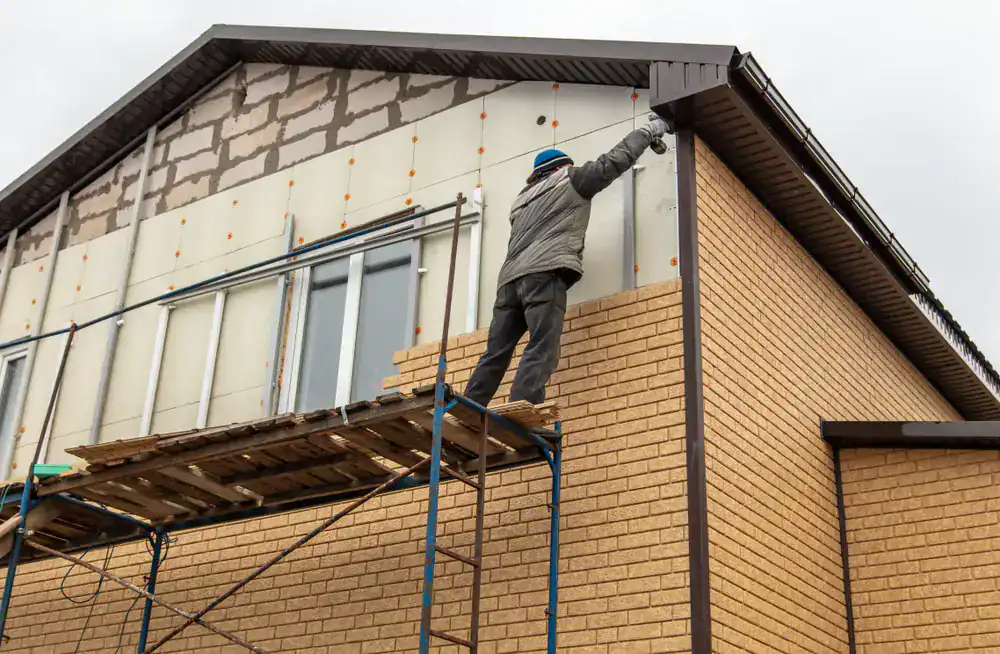
Installation follows a defined sequence: old siding comes off, the substrate gets inspected and repaired where needed, a proper moisture barrier goes in, and new panels are installed with the thermal expansion tolerances that New Jersey winters demand. When we leave, the site is clean — which matters on the compact lots that define Roselle Park.

Ready to get started?
Local Siding Company Serving Roselle Park, NJ
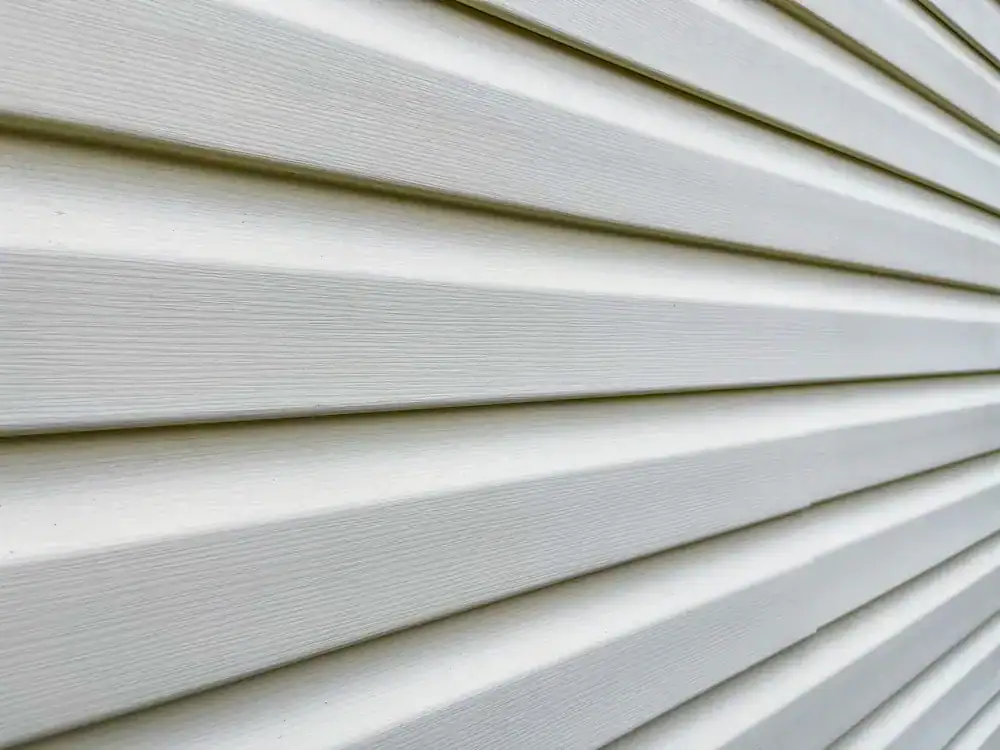
Vinyl siding remains the most common choice in Union County, and for good reason — it’s durable, low-maintenance, and holds up well through the kind of winters Roselle Park gets. Insulated vinyl, which adds a foam backer behind the panel, goes a step further by improving thermal performance and reducing the hollow sound older vinyl is known for. On a home where heating costs are already a concern, that added insulation layer is worth considering seriously.
Fiber cement — James Hardie being the most recognized name in the category — is the other option that comes up frequently for Roselle Park’s older homes. It handles moisture better than wood, resists impact, and holds paint significantly longer than traditional materials. For a 1940s cape cod or a 1950s colonial where the architectural character matters, fiber cement profiles can be matched to the original look of the home in a way that vinyl sometimes can’t replicate as cleanly.
What you won’t get from us is a one-material pitch. The right choice depends on your home’s age, its current substrate condition, your budget, and what you’re trying to accomplish — whether that’s a clean, low-maintenance update or a longer-term investment in the property. That’s exactly what the free inspection and estimate conversation is designed to work through with you.

Do I need a permit for siding replacement in Roselle Park, NJ?
Yes — and this is one of the details that catches Roselle Park homeowners off guard. The borough requires both a Building Permit and a Zoning Permit for siding replacement, which is confirmed directly on the Borough of Roselle Park’s Construction Permit FAQ page. Not every municipality in New Jersey requires both, but Roselle Park does, and skipping either one creates real problems down the road.
Unpermitted work can surface during the resale process — New Jersey’s residential resale requirements can flag improvements that were done without proper permits, which can delay or complicate a sale. Beyond the paperwork, the permit process means your project is reviewed by the borough’s Construction Code Official, which is actually a layer of protection for you as the homeowner. We handle the permit applications as part of the project, so you’re not navigating borough hall on your own.
How do I know if my Roselle Park home needs full siding replacement or just repairs?
The honest answer is that it depends on what’s actually happening behind the panels — and you often can’t tell from the outside alone. Visible cracking, warping, or fading is one signal, but the more important question is whether moisture has gotten behind the siding and into the sheathing underneath. On homes built in the 1930s through 1960s, which make up a large portion of Roselle Park’s housing stock, the original wood sheathing can absorb decades of moisture exposure without showing obvious exterior signs.
A proper inspection will check for soft spots, signs of rot, compromised flashing around windows and doors, and whether the existing moisture barrier — if there is one — is still doing its job. In some cases, targeted repairs extend the life of the current siding by several years. In others, a full replacement is the more cost-effective path because layering new material over a failing substrate just delays the inevitable and adds cost later. The free inspection is specifically designed to answer this question honestly for your home.
What siding material holds up best in New Jersey's climate?
New Jersey’s climate is genuinely hard on exterior cladding. The combination of cold winters, humid summers, and the freeze-thaw cycles that hit Union County every year creates conditions where material quality and installation technique both matter more than they would in a milder region. Roselle Park has been under severe weather advisories a dozen times in the past year alone, and historical radar data shows documented hail exposure in the area.
Vinyl siding, when properly installed with correct expansion allowances, handles this climate well and requires minimal maintenance. Insulated vinyl adds a layer of thermal protection that’s worth considering given New Jersey heating costs. Fiber cement — particularly James Hardie products — performs exceptionally well in freeze-thaw conditions because it doesn’t absorb moisture the way wood does and doesn’t become brittle in cold weather the way standard vinyl can. The right answer for your home specifically depends on your budget, the current condition of your substrate, and what you’re prioritizing — which is a conversation worth having before you commit to a material.
Does my old Roselle Park home have asbestos siding, and what happens if it does?
It’s a legitimate question for any home in Roselle Park built before roughly 1980. Asbestos cement siding — sometimes called transite — was commonly used on New Jersey homes from the 1940s through the 1970s. It looks similar to fiber cement and was considered a durable, fire-resistant material at the time. If your home was built during that era and hasn’t had its siding replaced, there’s a real possibility the existing material contains asbestos.
The presence of asbestos-containing siding doesn’t automatically mean it’s dangerous — if it’s intact and not being disturbed, it generally poses minimal risk. The issue arises during removal. Disturbing asbestos-containing material without proper protocols releases fibers that are a serious health hazard. We identify potentially suspect material during the inspection phase and, if testing confirms asbestos content, follow the proper handling and disposal procedures required under New Jersey environmental regulations. This is not something to cut corners on, and it’s one of the reasons hiring a contractor with genuine experience on older Union County homes matters.
How long does a siding installation project typically take in Roselle Park?
For a standard single-family home in Roselle Park, a full siding replacement typically runs between two and five days of active installation work, depending on the size of the home, the material being installed, and what the substrate inspection reveals. Fiber cement installation generally takes slightly longer than vinyl because of the weight of the material and the precision required during cutting and fastening.
What adds time in Roselle Park specifically is the compact lot situation. Most homes in the borough sit on tight lots with minimal setbacks — which means staging materials, managing debris, and moving equipment around the job site requires more careful coordination than it would on a larger suburban property. Factor in the permit timeline as well: the borough’s Building and Zoning Permit applications need to be submitted and approved before installation begins, which typically adds a week or two to the overall project timeline depending on the borough’s current workload. We submit permits as early in the process as possible to avoid unnecessary delays.
How do I find a trustworthy siding contractor in Roselle Park, NJ without getting burned?
Start with the basics that too many homeowners skip. Any contractor doing home improvement work in New Jersey is legally required to be registered with the NJ Division of Consumer Affairs under the Home Improvement Contractor program. Ask for their HIC registration number and verify it at the state’s online lookup before you sign anything. Also ask for a certificate of general liability insurance and workers’ compensation coverage — without workers’ comp, you can be held liable for an injury that happens on your property.
Beyond the legal minimums, look for contractors who are specific rather than vague. A contractor who gives you a detailed written estimate that breaks down material, labor, removal, disposal, and permit fees is showing you they understand the scope of the work. One who gives you a round number over the phone and asks for a large deposit upfront is showing you something else. In a borough as tight-knit as Roselle Park, local reviews from Union County homeowners carry real weight. Ask who they’ve worked with. Check Google reviews for specific project details, not just star ratings. A company that has been working in this market for close to a decade will have a verifiable track record you can actually look into.
Other Services we provide in Roselle Park