
Roof Repair in Roselle Park, NJ
When a Nor'easter Hits Roselle Park, Your Roof Doesn't Get a Second Chance
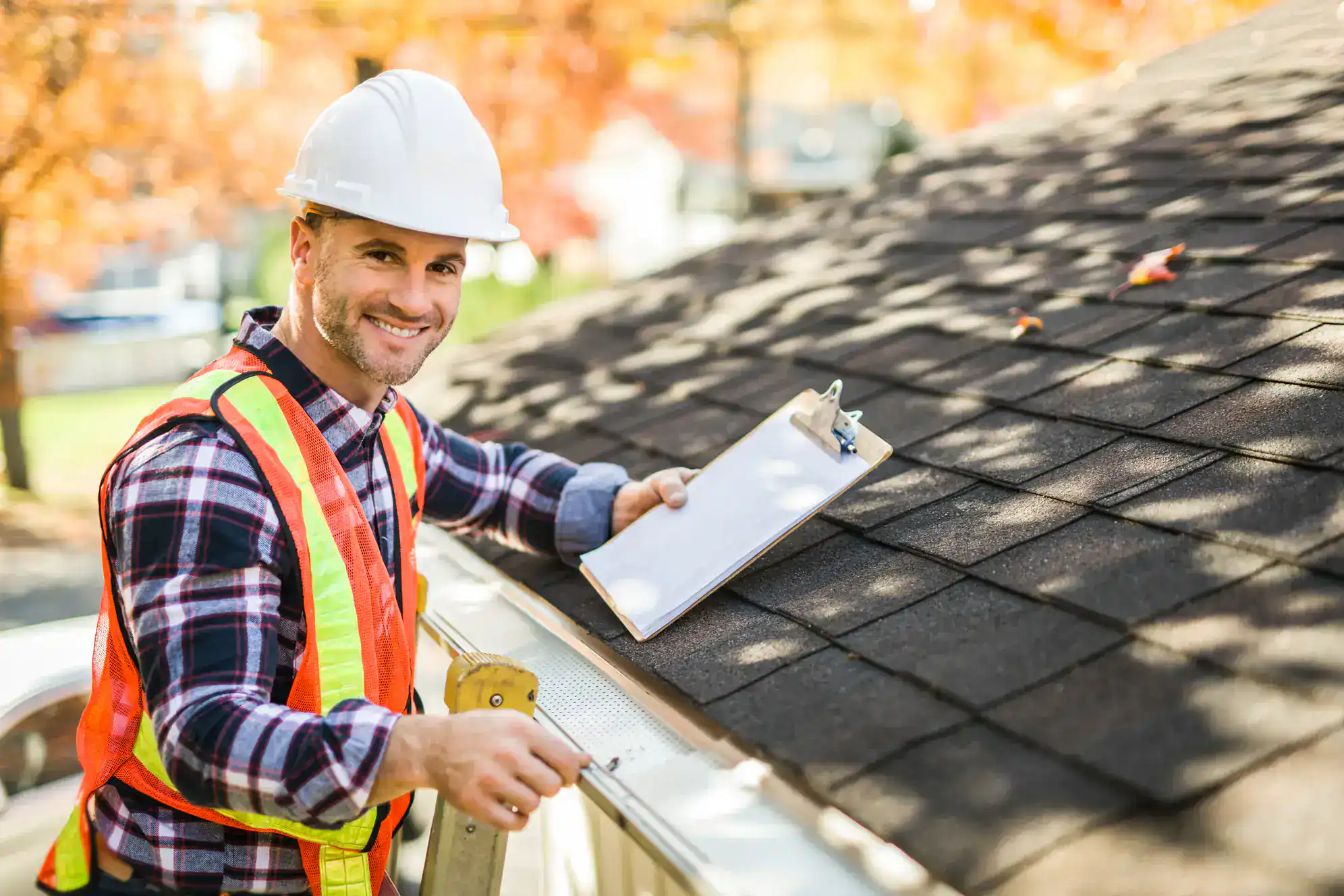
Hear from Our Customers
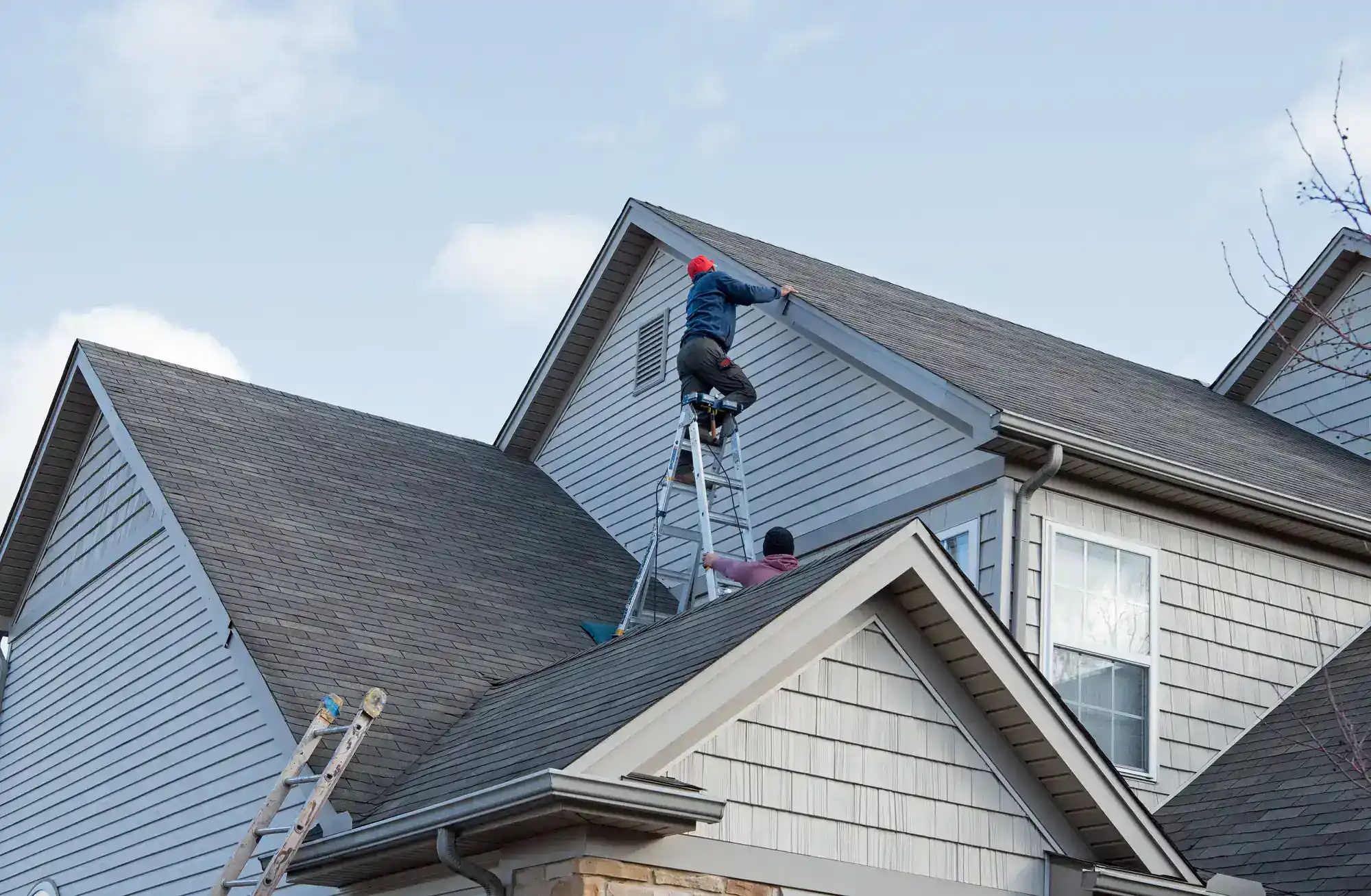
Roof Leak Repair in Roselle Park, NJ
A small roof leak in a pre-war Cape Cod or colonial doesn’t stay small for long. Water finds its way through aging decking, works into insulation, and starts doing the kind of damage that turns a $500 shingle repair into a $5,000 structural problem. Getting ahead of it — even just getting an honest look at what’s actually going on up there — is the difference between a manageable fix and a major project.
Roselle Park’s housing stock is one of the oldest in Union County. A significant share of homes were built before 1939, and most of the rest went up between the 1940s and 1960s. That means a lot of roofs in this borough are at or past the end of their expected lifespan — and the weather here doesn’t go easy on them. Doppler radar has detected hail at or near Roselle Park on 27 documented occasions, and the area has been under severe weather warnings 12 times in a recent 12-month period. That’s a pattern specific to this region.
When the repair is done right, you get more than a dry ceiling. You get a roof that’s properly sealed against the freeze-thaw cycles that hit every winter, flashing that won’t fail the next time a nor’easter rolls through, and the peace of mind that comes from knowing the job was done by a licensed contractor who pulled the right permits and didn’t cut corners to save an afternoon.
Licensed Roof Repair Contractor Roselle Park, NJ
We’ve been repairing roofs for homeowners across Roselle Park and Union County for over ten years. That kind of track record doesn’t happen by accident — it comes from doing the work correctly, communicating clearly, and not disappearing after the deposit clears.
We’re family-operated, which means the people who assess your roof and write your estimate are the same people accountable for the finished repair. There’s no commissioned sales team handing your project off to a subcontracted crew you’ve never met. In a borough as tight-knit as Roselle Park — where 1.2 square miles and roughly 14,000 residents means word travels fast — that accountability matters.
We hold contractor licenses and certifications from major shingle manufacturers, carry full liability insurance and workers’ compensation coverage, and handle Roselle Park’s required building and zoning permits as a standard part of every roofing project. You don’t have to figure out what the borough’s construction office needs. That’s already covered.
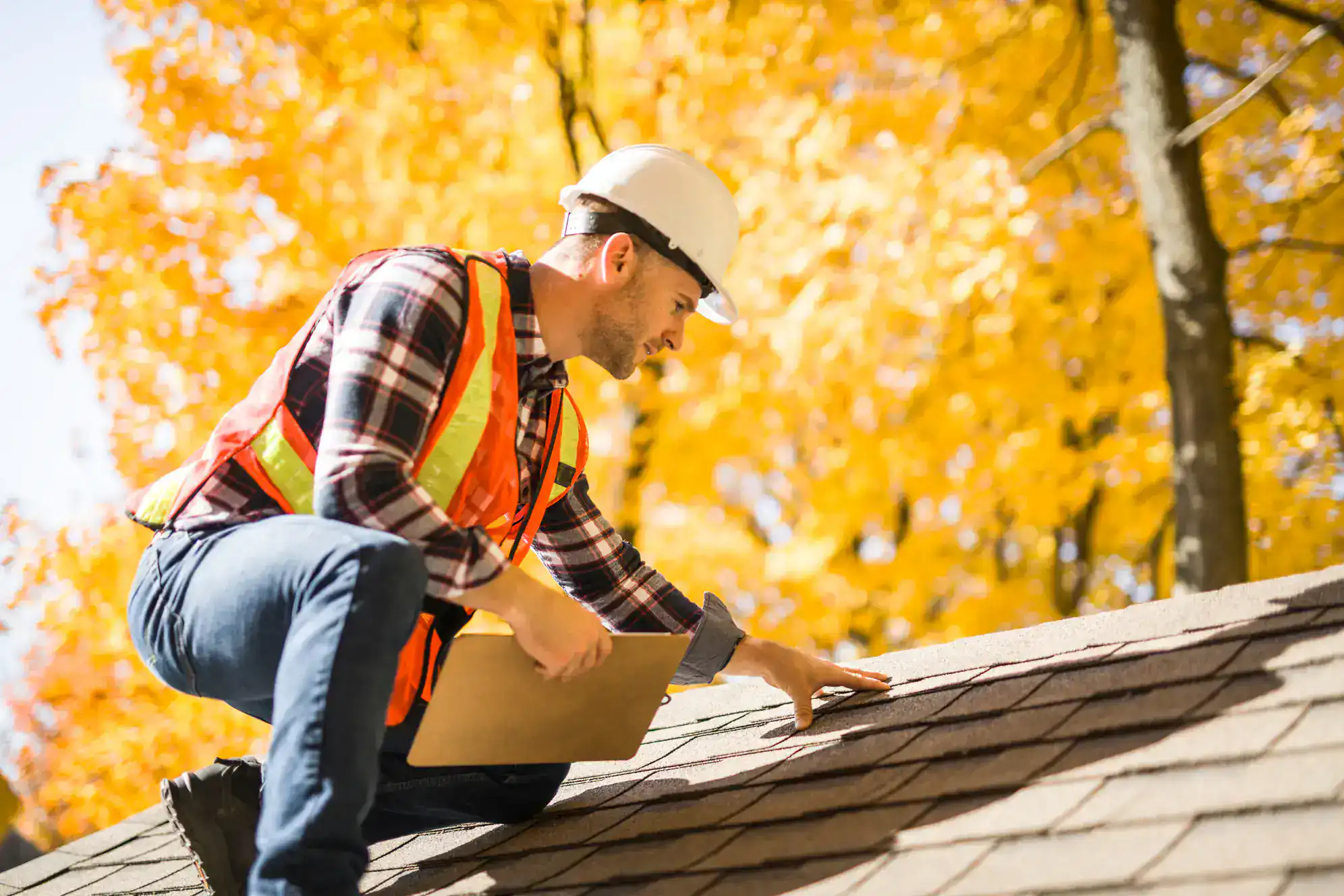
Roof Repair Estimate in Roselle Park, NJ
It starts with a free inspection. Our trained technician comes out, gets on the roof, and actually looks — at the shingles, the flashing, the valleys, the penetrations, and anywhere water might be finding its way in. You get a straight answer about what’s damaged, what’s holding up fine, and what actually needs to be repaired. If the honest answer is a minor fix, that’s what you’ll hear.
From there, you receive a written, itemized estimate. Not a ballpark. Not a range with a footnote. A clear scope of work that tells you exactly what’s being done, what materials are going in, and what the total cost is. In Roselle Park, roofing work requires both a building permit and a zoning permit through the borough — fees run $200 for projects under $6,000 and $300 for projects at $6,000 or more. We handle that process on your behalf, so you’re not making trips to the construction office or tracking down inspection schedules.
Once the work starts, our crew shows up, does the job, and cleans up completely before they leave. If your repair involves storm damage and an insurance claim, we help document everything in the format adjusters actually need — so you’re not left navigating that process on your own.
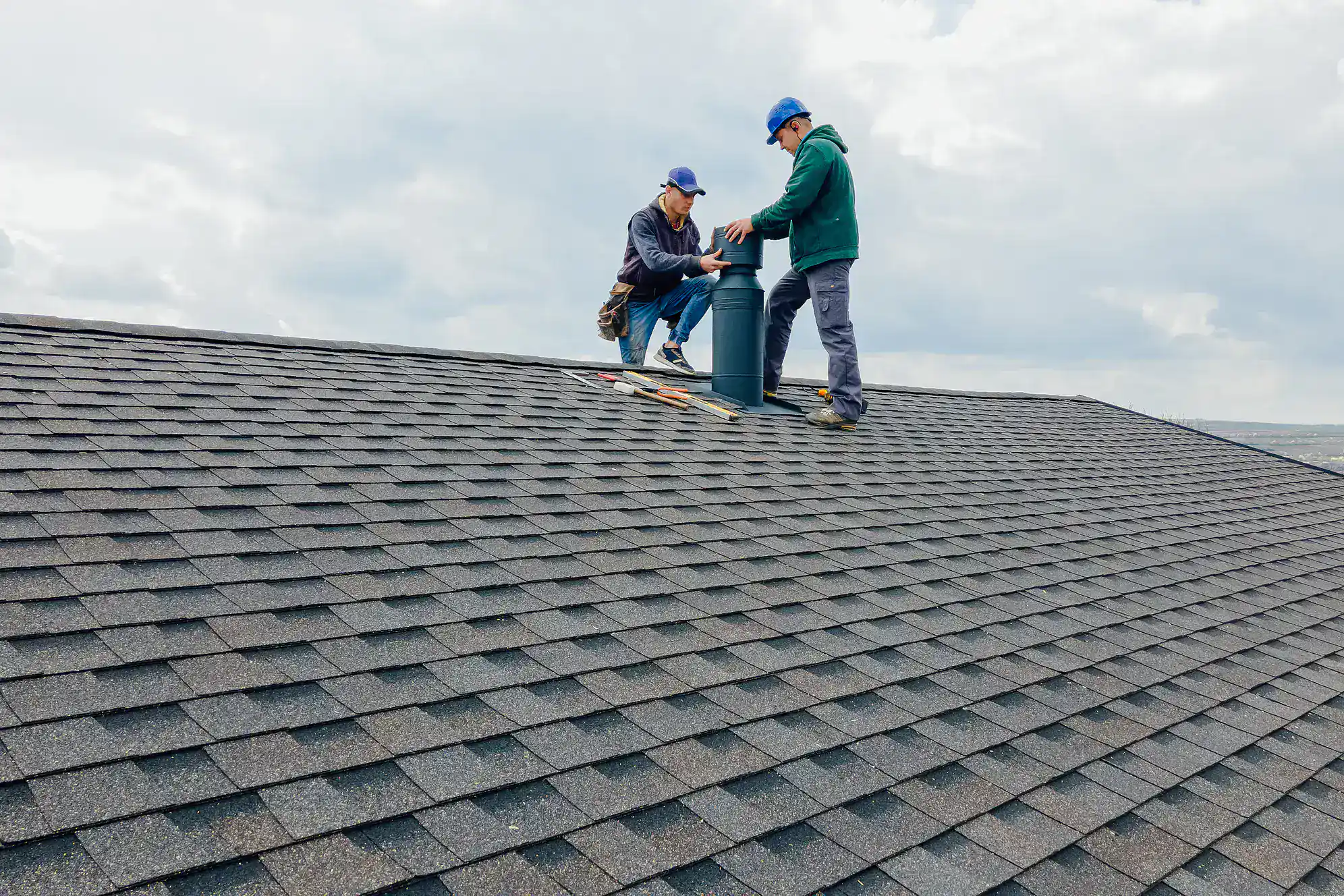
Ready to get started?
Shingle and Flat Roof Repair Roselle Park, NJ
The pre-war and mid-century homes that define Roselle Park’s streets — the Cape Cods, colonials, and Tudor-style houses built from the 1930s through the 1960s — each come with their own roofing vulnerabilities. Cape Cod dormers create valley intersections where water concentrates and shingles wear faster. Tudor rooflines with steep pitches and decorative transitions need precise flashing work at every change in plane. Older homes often have original roof decking underneath that needs to be assessed before anything new goes down. These aren’t generic roofing problems — they’re specific to the housing stock on these streets, and they require a contractor who’s actually worked on them before.
We handle the full range of residential roof repair in Roselle Park: emergency roof repair in Roselle Park, NJ when active damage needs to be stopped fast; roof leak repair in Roselle Park, NJ for slow or hidden water intrusion; roof storm damage repair in Roselle Park, NJ including hail, wind, and fallen debris; shingle roof repair in Roselle Park, NJ for missing, cracked, or deteriorating asphalt shingles; and flat roof repair in Roselle Park, NJ for low-slope sections on additions, garages, and some commercial properties along the Route 28 corridor.
Because we hold certifications from major shingle manufacturers, repairs that involve new material installation can qualify for enhanced warranty coverage that unlocks only through certified contractors — coverage that a non-certified roofer simply cannot offer you. That’s a real difference, not a marketing line.
Does roof repair in Roselle Park, NJ require a permit from the borough?
Yes — and it’s actually two permits, not one. Roselle Park requires both a building permit and a zoning permit for roofing and siding work. A lot of homeowners don’t realize both are required until they’re already mid-project with a contractor who skipped the step entirely.
The permit fees are straightforward: $200 for roofing work where the total cost is under $6,000, and $300 when the project hits $6,000 or more. The bigger issue isn’t the fee — it’s what happens when work is done without the proper permits. Unpermitted roofing can void your homeowners insurance claim, create complications when you go to sell the home, and expose you to code enforcement action from the borough. We handle permit procurement as a standard part of every roofing project in Roselle Park. You don’t have to manage that process yourself.
How do I know if I need roof repair or a full replacement?
The honest answer is that it depends on the age of the roof, the extent of the damage, and the condition of the underlying decking — and you can’t fully assess any of those from the ground. A contractor who tells you that you need a full replacement before getting on the roof and actually looking isn’t giving you a diagnosis. They’re giving you a guess, or worse, a sales pitch.
In general, if your roof is under 15–20 years old and the damage is isolated — a few missing shingles, a failed flashing seal, a localized leak — repair is almost always the right call. If the roof is pushing 30 years or more, which describes a significant share of Roselle Park homes given the borough’s pre-war and mid-century housing stock, the calculus changes. Widespread granule loss, multiple failing areas, or compromised decking may mean that repair is a short-term fix on a system that’s near end-of-life. A free inspection gives you that honest picture without any financial commitment upfront.
What types of storm damage should Roselle Park homeowners watch for after a severe weather event?
Hail and high winds are the two biggest culprits in this area. Doppler radar has tracked hail at or near Roselle Park on 27 documented occasions, and the borough sits close enough to Newark Bay that coastal storm systems bring consistent wind loading. After any significant storm, the damage you can see from the ground — missing shingles, visible debris on the roof — is only part of the picture.
Hail impact on asphalt shingles often doesn’t look dramatic from street level, but it bruises the shingle mat, accelerates granule loss, and shortens the remaining lifespan of the roof significantly. Wind damage frequently shows up at the roof edges, ridge caps, and around penetrations like vents and chimneys — areas where the seal is already under stress. Ice dams are another issue specific to older homes in Roselle Park: when attic ventilation is inadequate, heat escapes through the roof, melts snow at the ridge, and refreezes at the cold eaves, forcing water under shingles and into the home. If you’ve had a significant storm, a post-storm inspection is worth scheduling before the damage compounds.
Will my homeowners insurance cover roof storm damage repair in Roselle Park, NJ?
Most standard homeowners insurance policies cover storm damage — hail, wind, falling debris — as a covered peril. What they typically don’t cover is damage caused by age, neglect, or lack of maintenance. The line between “storm damage” and “wear and tear” is exactly where insurance companies push back on claims, so documentation matters enormously.
When you file a claim, the adjuster is going to assess the damage and come up with their own estimate for the repair cost. That number isn’t always accurate, and it isn’t always in your favor. Having a licensed contractor document the damage thoroughly — photos, written scope, material specifications — before the adjuster visits gives you a much stronger position in that conversation. We’ve helped homeowners in the Union County area navigate this process, from initial damage documentation through adjuster review, to make sure the approved claim actually covers what needs to be done. You don’t have to figure out the insurance side of this alone.
How much does roof repair typically cost in Roselle Park, NJ?
The range is wide because the scope of repairs varies significantly. Minor repairs — replacing a handful of damaged shingles, resealing a flashing joint around a chimney or vent, patching a small area of lifted material — typically fall somewhere between $300 and $800. More involved repairs, like replacing a larger section of shingles, addressing valley damage, or repairing decking that’s been compromised by water intrusion, can run anywhere from $1,500 to $4,000 or more depending on the extent of the damage.
What drives cost up most often in Roselle Park’s older homes is what’s found underneath. A roof that looks like a straightforward shingle repair from the outside sometimes reveals deteriorated decking or damaged underlayment once the work begins — and that changes the scope. This is exactly why a thorough inspection upfront matters. A written, itemized estimate before work starts means you know what you’re agreeing to, and if the scope doesn’t change, neither does the price.
How do I find a trustworthy roof repair contractor in Roselle Park, NJ?
Start with the basics: a valid New Jersey Home Improvement Contractor registration, current general liability insurance, and workers’ compensation coverage. Workers’ comp is the one most homeowners overlook — if a contractor without it gets injured on your property, you can be held liable. These aren’t difficult things to verify, and any legitimate contractor will provide documentation without hesitation.
Beyond licensing and insurance, manufacturer certifications are worth asking about. Programs like GAF’s Master Elite designation — held by roughly the top 3% of roofing contractors in the country — require demonstrated installation quality and unlock enhanced warranty coverage that non-certified contractors can’t offer. In a community like Roselle Park, where homes have appreciated significantly and a well-maintained roof directly affects resale value in a market where homes sell in under 25 days on average, that warranty difference is a real financial consideration. Finally, look at Google reviews — not just the star rating, but what people actually say. Volume, recency, and whether the reviews reflect the kind of communication and follow-through you’re looking for tell you far more than any contractor’s self-description.
Other Services we provide in Roselle Park