
Siding Installation in Garwood, NJ
Garwood Homes Deserve Siding That Actually Holds Up
Hear from Our Customers
Residential Siding Contractors in Garwood, NJ
When your siding is failing, it’s rarely just a cosmetic problem. Cracked panels, gaps at the seams, or siding that’s pulling away from the wall are all signs that water is finding its way in — and in a Garwood winter, that’s not a slow process. The freeze-thaw cycles that hit this area every year are relentless. Water gets into small openings, freezes, expands, and widens those gaps a little more each season. By the time it’s visible from the street, the damage behind the wall has usually been building for years.
A proper siding installation stops that cycle. You get a sealed, weather-resistant exterior that handles what New Jersey winters actually deliver — not just light rain, but wind-driven storms, ice, and the kind of sustained cold that exposes every weakness in an older installation. For a home built in the 1950s or 1960s — which describes a significant portion of Garwood’s housing stock — that protection isn’t optional. It’s the difference between maintaining your home and slowly losing ground to it.
Beyond weather protection, new siding changes how your home holds heat. Older cladding, especially aluminum siding from the 1970s and 1980s that’s common throughout Garwood, does almost nothing for insulation. Insulated vinyl siding adds a layer of thermal resistance that older materials simply can’t match — and for homeowners who’ve been watching their energy bills climb, that’s a real, measurable difference. It’s not a luxury upgrade. For a home this age in this climate, it’s the practical choice.
Local Siding Company Serving Garwood, NJ
We’ve been doing exterior work in Garwood and throughout Union County long enough to know exactly what these homes are up against. The older neighborhoods throughout Garwood — homes that have been through decades of New Jersey winters, owned by people who take care of what they have — are the kind of projects we were built for. Not quick flips. Not staging for resale. Real maintenance on real homes that people plan to live in for years.
What sets us apart isn’t a slogan. It’s the combination of roofing expertise and siding work under one roof. Because we understand how the entire exterior system functions together — how water moves from the roof edge down through the wall cladding, where flashing failures happen, how siding and gutters interact — we catch things a siding-only contractor would miss. That’s not a small thing when you’re investing in your home’s exterior.
Every estimate is written, every price is locked, and every project is backed by manufacturer certifications that protect your warranty from day one. If you want to know what that looks like in practice, the reviews are public.

Siding Installation Process in Garwood, NJ
It starts with a free inspection. Before anything is quoted or scheduled, someone from our team walks your property and takes a real look at what’s there — not just the surface, but the condition of the substrate underneath, the state of the trim and flashing, and whether there are any moisture issues already developing behind the existing cladding. For homes in Garwood that are 60 to 80 years old, this step matters more than most homeowners realize. What’s behind the panels often tells a different story than what’s visible from the driveway.
From there, you get a written estimate that details exactly what work will be done, what materials will be used, and what the total cost is. That number doesn’t change unless you change the scope. Once you’re ready to move forward, we handle the permit process with Garwood’s construction department — because in New Jersey, a full siding replacement requires a building permit, and pulling that permit correctly is part of doing the job right. You shouldn’t have to chase that down yourself.
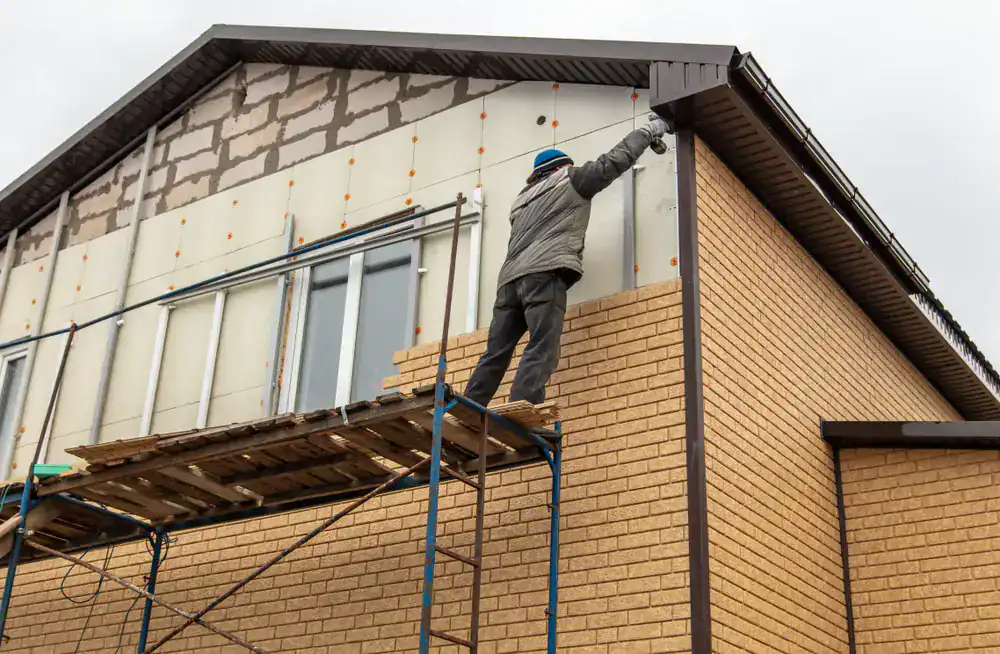
Installation is sequenced to protect the home at every stage — old material removed, substrate inspected and addressed if needed, moisture barrier installed, then panels set and fastened to manufacturer specifications. When the job is done, the site is clean, the work is documented, and your manufacturer warranty is fully intact because the installation met the certification standards required to activate it.

Ready to get started?
Vinyl Siding Contractors in Garwood, NJ
Siding installation with us covers the full scope — not just the panels. That means removal and disposal of the existing material, inspection of the wall assembly underneath, moisture barrier installation, proper flashing at every window, door, and penetration point, and panel installation that follows manufacturer specifications from start to finish. In Garwood, where a large portion of the housing stock still has original wood sheathing or aging aluminum cladding underneath, that substrate inspection step is not a formality. It’s where problems get caught before they become expensive.
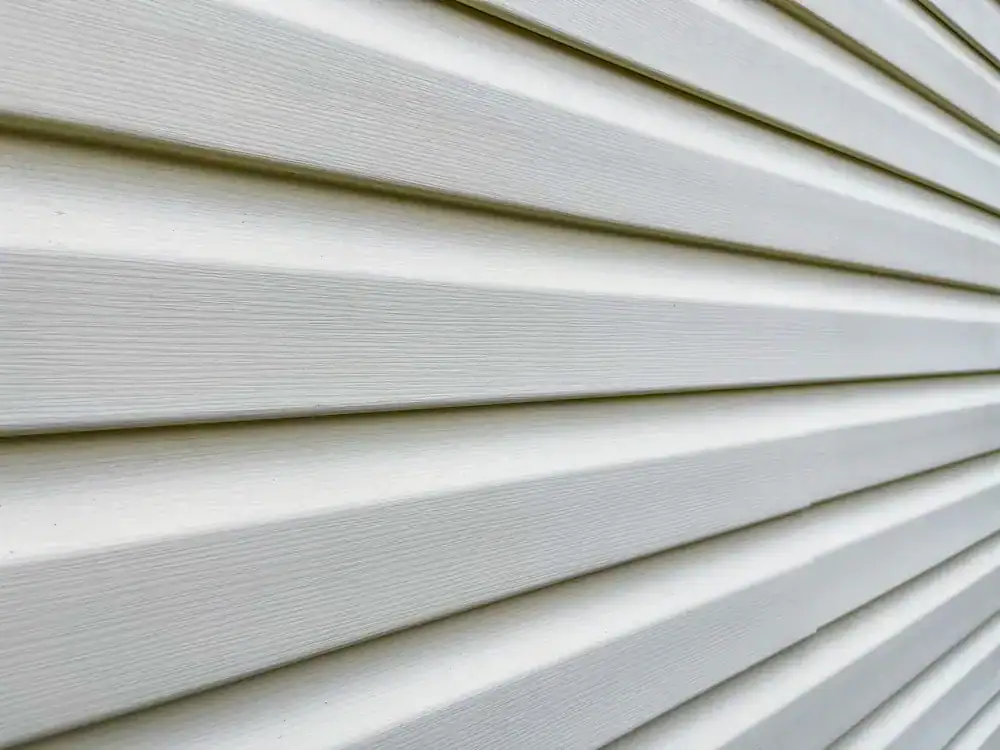
For most Garwood homeowners, vinyl siding is the right call — and specifically, insulated vinyl. It handles the freeze-thaw cycling that Union County delivers every winter, it doesn’t dent or oxidize the way older aluminum does, and the insulated version adds thermal performance that makes a genuine difference in a home that wasn’t built with modern energy standards in mind. Fiber cement is also available for homeowners who want a different look or are working with a specific architectural style — we’ll walk you through the trade-offs honestly so you can make the right call for your home, not just the most expensive one.
Every installation is backed by a manufacturer warranty that’s fully valid because the work meets certified installation standards. That warranty is part of what you’re paying for — and it’s only as good as the installer who activates it.

Do I need a permit for siding installation in Garwood, NJ?
Yes, in most cases you do. New Jersey operates under the Uniform Construction Code statewide, and a full siding replacement — which affects the building envelope and energy performance of the home — typically requires a building permit through Garwood’s local construction department. This isn’t something to skip or work around. A permit creates an official record of the work, ensures it’s inspected to code, and protects you if you ever sell the home and a buyer’s inspector asks about exterior renovations.
The permit also has to be pulled by a licensed Home Improvement Contractor registered with the NJ Division of Consumer Affairs. That’s a state requirement, not just a formality — and it’s one of the reasons hiring an unregistered contractor puts you at real legal and financial risk. We handle the permit process as part of the project, so you’re not left navigating Garwood Borough Hall on your own.
How do I know if my siding needs to be fully replaced or just repaired?
This is one of the most common questions homeowners ask, and the honest answer is that it depends on what’s actually happening behind the panels — not just what you can see from the yard. Cracked or missing panels can sometimes be addressed with targeted repair. But if the damage is widespread, if there’s moisture getting into the wall assembly, or if the siding is simply at the end of its functional life, repair becomes a temporary fix on a problem that’s going to keep growing.
For homes in Garwood built in the 1940s through 1960s, a lot of the original or early-replacement siding is now 30 to 60 years old. Aluminum siding from the 1970s and 1980s — which is common in this area — oxidizes, loses its coating, and dents in ways that repair can’t fully address. A free inspection gives you a clear, honest picture of what you’re actually dealing with before you commit to anything. If repair is the right call, that’s what you’ll hear.
What siding material holds up best in New Jersey's climate?
For most homeowners in Garwood and the surrounding Union County area, insulated vinyl siding is the most practical choice. It handles freeze-thaw cycling without cracking the way older materials do, it doesn’t corrode or oxidize, and the insulated version adds thermal resistance that matters in a home that’s been losing heat through aging cladding for years. It’s also lower maintenance than wood and significantly more durable than the aluminum siding it often replaces in homes from this era.
Fiber cement is worth considering if you want a different aesthetic or if your home’s architecture calls for something that holds paint and has a more textured appearance. It’s more durable than vinyl in some respects but requires more maintenance over time and costs more upfront. The right answer depends on your home, your budget, and your long-term plans — and a good contractor will lay out those trade-offs honestly rather than defaulting to whatever has the highest margin.
How long does siding installation typically take for a home in Garwood?
For a standard single-family home — which covers most of what you’ll find on Garwood’s residential streets — a full siding installation typically takes two to four days once the crew is on site. That timeline can shift depending on the size of the home, what’s found underneath the existing cladding during removal, and whether any substrate repair is needed before new panels go up. Homes with original wood sheathing that has moisture damage, for example, may need additional work before installation can proceed.
Scheduling also depends on the time of year. Spring and early fall are the busiest windows for exterior contractors in Union County — crews can book out four to six weeks during peak season. If you’re planning a project for spring, the best move is to get your inspection and estimate done in late winter so you’re not waiting at the back of the line when the weather breaks. Reaching out early is the simplest way to protect your timeline.
What should I look for when hiring siding contractors in Garwood, NJ?
Start with licensing. In New Jersey, any contractor doing home improvement work valued at $500 or more must be registered with the NJ Division of Consumer Affairs under the Home Improvement Contractor program. This isn’t optional — it’s state law — and hiring someone who isn’t registered leaves you without legal protection if something goes wrong. Ask for the registration number before you sign anything.
Beyond licensing, look for proof of general liability insurance and workers’ compensation coverage. If a worker is injured on your property and the contractor doesn’t carry workers’ comp, you could be held liable. Ask for a certificate of insurance and verify it’s current. After that, look at reviews — not just the star rating, but the specifics. Did the price match the estimate? Did the crew show up when they said they would? Did they leave the job site clean? In a small, connected community like Garwood, that kind of detail travels fast, and contractors who cut corners tend to have a visible trail.
Does new siding actually improve energy efficiency in an older Garwood home?
It can make a meaningful difference, especially in homes built before modern insulation standards were common. Most of Garwood’s housing stock dates to the 1940s through 1960s, and the wall assemblies in homes from that era weren’t designed with energy performance in mind. If your existing siding is aluminum from the 1970s or early vinyl from the 1990s, there’s likely very little thermal resistance between your interior walls and the outside air.
Insulated vinyl siding adds a continuous layer of rigid foam backing directly behind the panel, which reduces thermal bridging through the wall studs and helps the home hold temperature more consistently. It won’t replace proper wall insulation, but for a home that’s already losing heat through aging cladding, it’s a practical upgrade that shows up in energy bills over time — not just in curb appeal. For Garwood homeowners who plan to stay in their homes long-term, that ongoing efficiency benefit is part of the real return on the investment.