
Roof Inspection in Winfield, NJ
80-Year-Old Roofs in Winfield Park Deserve an Honest Look
Hear from Our Customers
Roof Damage Inspection in Winfield, NJ
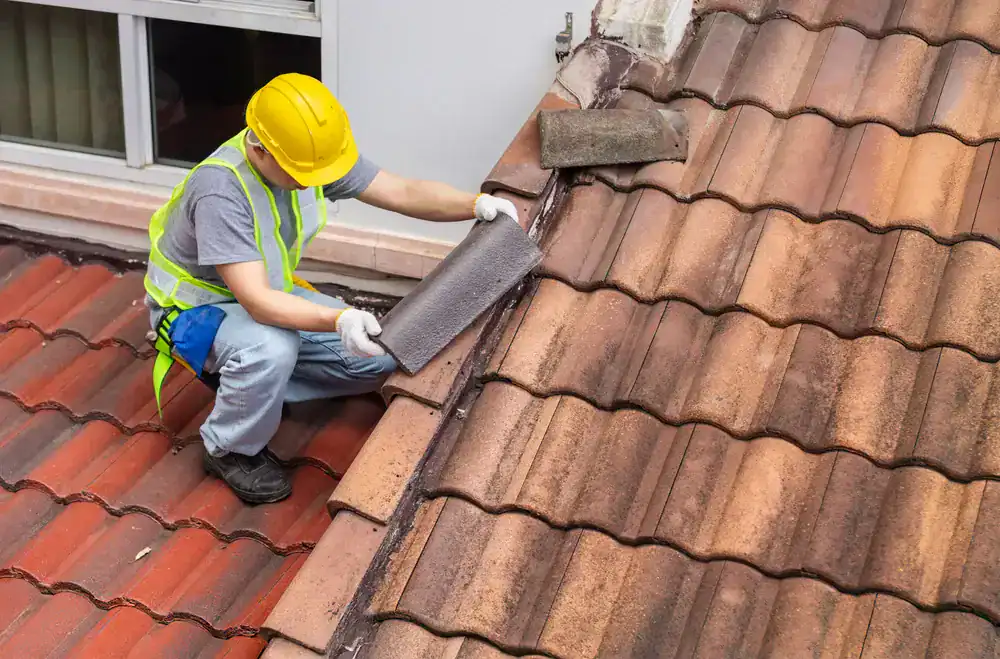
Most roof problems don’t announce themselves until they’ve already done real damage. A water stain on the ceiling, a soft spot in the decking, a gutter pulling away from the fascia — by the time you notice any of that, the issue has usually been building for months. A professional roof damage inspection in Winfield, NJ catches those problems early, when the fix is still manageable and the cost is still reasonable.
Winfield Park’s attached frame buildings add a layer of complexity that most neighborhoods don’t have. The flashing at party walls — where your unit meets the one next to it — is one of the most common sources of slow leaks in this community. As adjacent structures settle over decades, that flashing can shift, crack, or separate without any visible sign from inside. An inspector who understands how these homes are built will check those transition points specifically, not just the obvious surface damage.
The Rahway River borders Winfield on three sides. That’s not just a scenic detail — it means your roof is dealing with elevated moisture year-round, not just during storms. Algae growth, granule loss, and wood rot in the decking all move faster in a river-adjacent environment. Getting ahead of that with a certified roof inspector in Winfield, NJ means you’re making decisions based on real information, not guesswork.
Licensed Roof Inspector in Winfield, NJ
We’ve been serving Union County homeowners for over ten years, operating out of Elizabeth — just a few miles from Winfield Township. We’re not a national chain passing through. We’re a local, family-run exterior contractor that has worked on older frame homes throughout this region, and we know what 80-year-old construction looks like from the ridge down.
Our team holds New Jersey Home Improvement Contractor licensing and manufacturer certifications from major shingle brands — credentials that a small fraction of contractors in this state actually carry. Those certifications aren’t just for show. They unlock enhanced warranty coverage for you that an uncertified contractor simply can’t offer.
What keeps us busy in communities like Winfield Park isn’t advertising. It’s reviews from real customers and referrals from neighbors on Wavecrest Avenue, Gulfstream Avenue, and Atlantic Drive who’ve seen the work firsthand. In a township this tight-knit, that’s the only reputation that matters.

Roof Inspection Company in Winfield, NJ
It starts with a call or a quick online request. We’ll schedule your free roof inspection in Winfield, NJ at a time that works for you — no pressure, no commitment required just to get an appointment on the calendar.
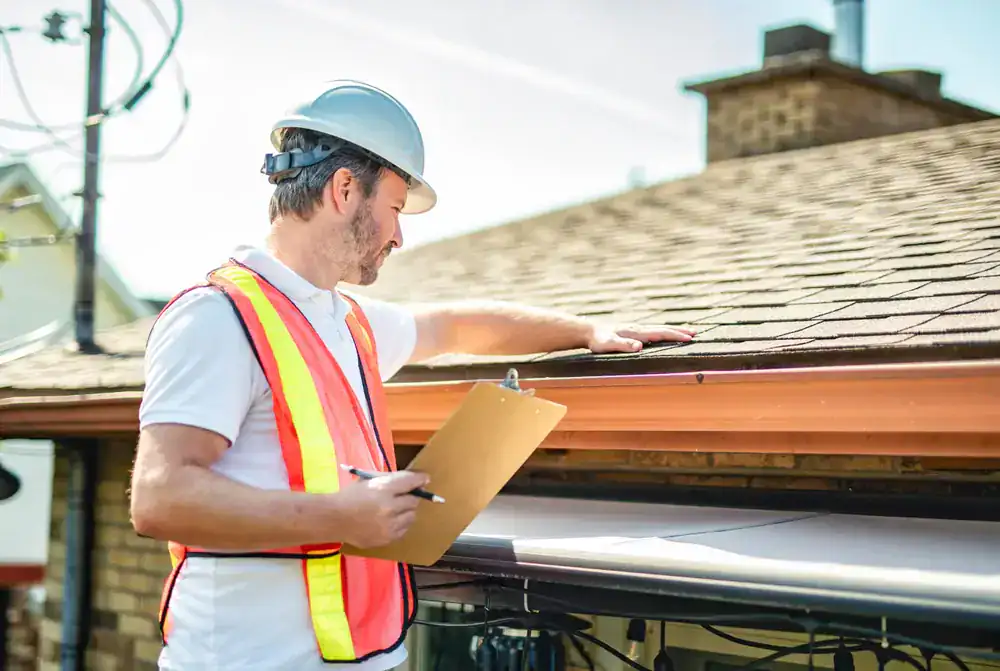
When we arrive, we do a full assessment of your roofing system from top to bottom. That means shingles, flashing, ridge cap, soffit, fascia, gutters, and every penetration point on the roof. For Winfield’s attached frame homes, we pay particular attention to party wall flashing and the transition points between adjacent units — because that’s where leaks most often originate in this housing type, and it’s where a surface-only look will miss the problem entirely. We also check for moisture-related deterioration, granule loss, and any structural concerns in the decking that are common in homes of this age.
After the inspection, you get a clear, honest summary of what we found. If your roof is in good shape, we’ll tell you. If there are repairs needed, we’ll explain exactly what, why, and what it will cost — no vague estimates, no inflated recommendations. If the work requires a permit through the Winfield Township Building Department at 12 Gulfstream Avenue, we handle that process correctly from the start. You don’t move forward until you have the full picture.
Ready to get started?
Certified Roof Inspector in Winfield, NJ
The inspection covers every component of your exterior roofing system — not just a quick glance at the shingles from the driveway. We assess the condition of your shingles, check all flashing points including the party wall transitions specific to Winfield Park’s attached construction, inspect ridge caps and valleys, evaluate gutters and drainage, and look for any signs of moisture intrusion in the decking or soffit. If there’s a problem developing, this is where it gets found.
For homes in Winfield Township, the age of the housing stock is a real factor in what we look for. Original 1941 frame construction has specific wear patterns — particularly around penetrations, eave edges, and anywhere water can sit or pool. We know what to look for because we’ve inspected and repaired roofs on similar housing throughout Union County for over a decade.
If repairs or a full replacement are recommended after your roof leak inspection in Winfield, NJ, we provide transparent, itemized pricing with no hidden costs. We pull the correct permits through the Winfield Township Building Department — not through Linden, even though you share the 07036 ZIP code — and we don’t consider a job finished until the work has been properly documented and approved. As a manufacturer-certified contractor, any replacement work we complete also qualifies you for enhanced warranty coverage that goes beyond what a standard installation provides.

Do all homes in Winfield Park actually need a professional roof inspection?
Given that every home in Winfield was built in 1941, yes — professional inspection is genuinely warranted here in a way that isn’t true for newer communities. Asphalt shingle roofs are designed to last 20 to 30 years. Even if your roof has been replaced once since the home was originally built, any roof that hasn’t been touched in the last two to three decades is operating at or past its expected lifespan. The original MacEvoy Company construction of Winfield Park was documented as substandard in quality, which means the underlying structural framework these roofs sit on has its own history worth accounting for.
Add in the moisture environment created by the Rahway River bordering Winfield Township on three sides, and you have conditions that accelerate wear faster than in a typical inland suburb. A professional inspection doesn’t mean you need a new roof. It means you’ll know exactly what you’re dealing with — and in a community where every home is the same age, that information is worth having sooner rather than later.
How does roof inspection work for Winfield's attached frame buildings specifically?
Winfield Park’s attached and bi-level frame buildings create inspection considerations that don’t apply to detached single-family homes. The biggest one is party wall flashing — the metal sealing system at the shared wall between adjacent units. Over decades, neighboring structures settle at slightly different rates, and that movement puts stress on the flashing at the shared boundary. When that flashing cracks or separates, water gets in at the joint and travels along the decking before it shows up as a leak inside either unit. By the time you see a stain, the entry point is usually somewhere else entirely.
A roof inspection in Winfield, NJ needs to account for this construction type specifically. That means checking every flashing transition — party walls, valleys, penetrations, vent pipes, and any point where two roof planes meet. A general inspection that only looks at shingle condition on an attached frame home will miss the most common failure points in this housing stock. We know how these homes are built, and we inspect them accordingly.
What happens if roof damage is found during my inspection in Winfield, NJ?
If we find damage during your roof inspection in Winfield, NJ, you’ll get a straightforward explanation of what it is, where it is, and what it will take to fix it. We don’t hand you a vague report and a pressure pitch. We walk you through what we found, what the realistic options are, and what each option costs — clearly, with no hidden line items added later.
From there, the decision is entirely yours. If the damage is minor and a targeted repair makes sense, we’ll tell you that. If the roof has reached the end of its useful life and replacement is the more cost-effective path, we’ll explain why. What we won’t do is recommend replacement when a repair will genuinely solve the problem, or downplay a serious issue to avoid an uncomfortable conversation. Our business in communities like Winfield Park runs on referrals — and that only works if the people we serve actually trust what we tell them.
Do I need a permit for roof work in Winfield, NJ, and who handles that?
Yes, roofing work in Winfield Township requires a permit, and there’s an important detail that trips up contractors who aren’t familiar with the area. Despite sharing ZIP code 07036 with Linden, Winfield has its own Building Department located at 12 Gulfstream Avenue. Permits must be obtained through the Winfield Township Building Department — not through Linden’s municipal offices. A contractor who doesn’t know this distinction may pull the wrong permit or skip the process entirely, which carries a $2,000 penalty under township rules — and that liability falls on the homeowner.
We handle the permit process correctly from the start. We know which office to go through, what documentation is required, and what the township expects at each stage of the project. The township also requires that a yellow Construction Permit Notice be displayed in the window of the property during authorized work, and that final payment to the contractor not be made until a Certificate of Approval is obtained from the Construction Official. We follow that process on every job — because protecting you from compliance issues is part of doing the work right.
When is the best time of year to schedule a roof inspection in Winfield, NJ?
Twice a year is the professional recommendation — once in spring after the freeze-thaw season, and once in fall before winter sets in. For Winfield specifically, the spring inspection is especially important. New Jersey’s winters put real stress on roofing systems through repeated freeze-thaw cycles, and the river-adjacent location means Winfield homes deal with elevated moisture throughout the cold months. Ice dam formation is a known risk for older frame homes with less-than-ideal attic ventilation, and the damage it causes often isn’t visible until spring when temperatures rise.
The fall window matters just as much. Any damage from summer storms — and the Northeast sees its share of severe thunderstorms and remnant tropical systems in August and September — needs to be identified and addressed before the first hard freeze. A roof that enters winter with compromised flashing, lifted shingles, or clogged gutters is a roof that will likely have a bigger problem by March. Scheduling a roof damage inspection in Winfield, NJ in both spring and fall is the most cost-effective way to stay ahead of the repair cycle.
Why does USA Home Remodeling offer a free roof inspection in Winfield, NJ?
Because the biggest reason people put off a roof inspection isn’t that they don’t care about their roof — it’s that they don’t want to pay for an assessment that might lead to a sales pitch for work they’re not sure they need. The free inspection removes that barrier. You find out what’s actually going on with your roof without spending anything, and without any obligation to move forward with repairs or replacement.
For a community like Winfield Park — where the homes are all the same age, incomes are moderate, and neighbors talk — this approach makes practical sense on both sides. Residents get honest information with no financial risk attached to the first step. And for us, the only way to build a reputation in a township this small and this connected is to give every homeowner a genuinely useful experience, whether or not it turns into a job. If your roof is fine, we’ll tell you it’s fine. If it needs attention, you’ll know exactly what and why — and you can decide from there.
Other Services we provide in Winfield