
Roof Installation in Summit, NJ
Your Roof Protects Everything That Matters
Hear from Our Customers
Residential Roofing Services in Summit
You’re not just getting shingles nailed to your house. You’re getting protection from Summit’s weather extremes—the nor’easters that dump two feet of snow overnight, the summer storms that bring 60+ mph winds, and the freeze-thaw cycles that crack inferior installations within five years.
A quality roof installation means your insurance company stops sending adjustment letters. It means your energy bills drop because your attic isn’t bleeding conditioned air. It means you’re not calling emergency contractors at 11 PM because water is dripping into your living room.
Most importantly, it means you’re done thinking about your roof. You’ve got 20-25 years of protection locked in, and you can focus on literally anything else. That’s what proper residential roofing does—it removes a major stressor from your life and gives you one less thing to worry about.
Trusted Roofing Contractors Summit Residents Know
We’ve been installing roofs in Summit and the surrounding area for a decade. We’re licensed, insured, and certified by major shingle manufacturers—not because we like paperwork, but because those certifications give you better warranty coverage and prove we know what we’re doing.
We’re a family-owned roofing company, which means you’re not getting a different crew every day or dealing with a call center when you have questions. You get the same team from estimate to cleanup, and we’re still here when you need us five years down the road.
Summit homeowners deal with specific challenges—older homes with complex rooflines, historic district requirements, and weather that tests every roof twice a year. We’ve handled hundreds of installations here, so we know what works and what fails. That experience matters when your roof is the only thing standing between your family and a New Jersey winter.
Our Roof Installation Process Explained
First, we come out for a free inspection. We’re looking at your current roof’s condition, checking for hidden damage, measuring everything, and figuring out what you actually need—not what we can upsell you on. You get a written estimate with transparent pricing before we touch anything.
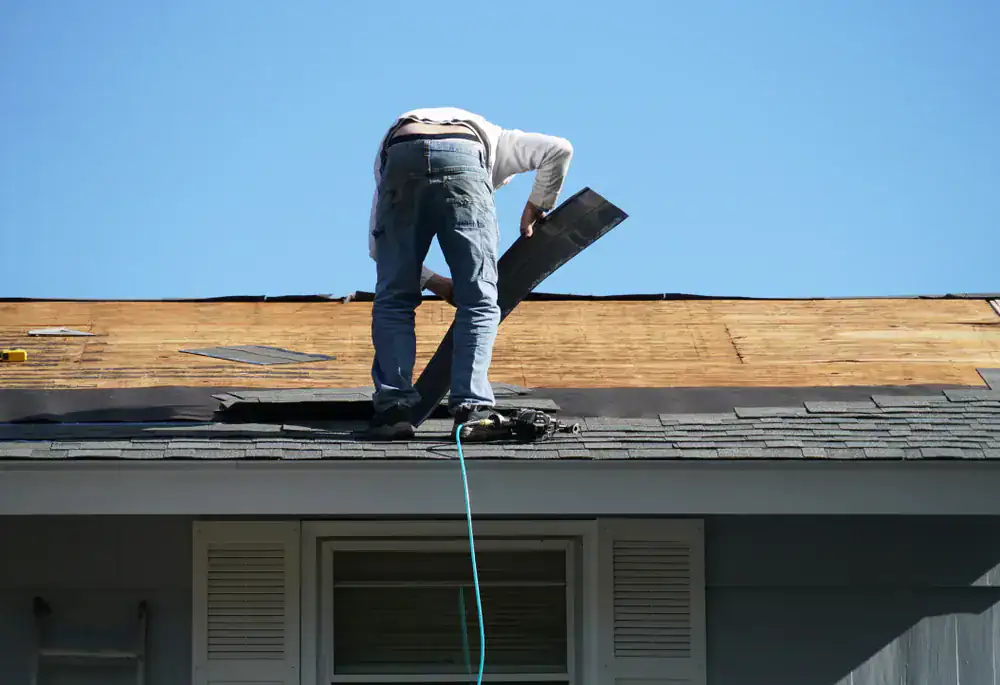
Once you approve, we handle the permits and schedule the work around your life, not ours. Most residential roofing installations take 1-3 days depending on size and complexity. We tear off the old roof, inspect and repair the decking if needed, install new underlayment and ice barriers, then put down your new shingles. Every step follows manufacturer specifications because that’s what keeps your warranty valid.
If you’re dealing with insurance, we document everything they need and walk you through the claim process. We’ve done this hundreds of times, so we know exactly what adjusters look for and how to make sure you get proper coverage.
When we’re done, we do a final walkthrough with you, clean up every nail and scrap, and make sure you understand your warranty coverage. Then we leave you alone unless you need us. That’s it—no drama, no surprises, just a roof that works.

Ready to get started?
What's Included in Summit Roof Installation
Every new roof installation includes complete tear-off of your existing roof, inspection and repair of roof decking, high-quality underlayment, proper ventilation assessment, ice and water barrier installation in vulnerable areas, and manufacturer-certified shingles with warranty coverage. We also handle all permits, debris removal, and job site cleanup.
Summit’s climate demands specific attention to ventilation and ice dam prevention. Your attic needs to breathe properly or you’ll have moisture problems within two years. We check your intake and exhaust ventilation during every installation and fix deficiencies before they become expensive problems. This isn’t an upsell—it’s basic building science that protects your investment.
We also coordinate with your insurance company if storm damage is involved. New Jersey homeowners insurance typically covers sudden roof damage from wind, hail, or falling objects, but getting that coverage approved requires proper documentation and persistence. We handle the paperwork, meet with adjusters, and make sure your claim reflects the actual scope of work needed.
You’re also getting access to manufacturer warranties that most homeowners never see. Our certifications mean you qualify for extended coverage that isn’t available through uncertified contractors. That difference matters when you need a repair ten years from now.

How long does a typical roof installation take in Summit, NJ?
Most residential roofing installations take between one and three days from start to finish. A standard single-family home with straightforward rooflines usually gets done in a day and a half. Larger homes, complex roof designs, or properties requiring extensive decking repair take longer.
Weather affects the timeline more than anything else. We don’t install roofs in rain or when temperatures drop below manufacturer minimums because the shingles won’t seal properly. Summit’s weather can be unpredictable, especially during spring and fall, so we build flexibility into our schedule.
You’ll have full access to your home during the work, but it’s loud. If you work from home or have young kids who nap, plan accordingly. We start early to maximize daylight hours and finish as quickly as possible without cutting corners. Most homeowners are surprised how fast it goes once we start.
Will my homeowners insurance cover roof replacement in Summit?
New Jersey homeowners insurance typically covers sudden and accidental roof damage from storms, wind, hail, or falling trees. What it doesn’t cover is gradual wear and tear, poor maintenance, or roofs that have simply reached the end of their lifespan. The difference matters, and insurance companies scrutinize claims carefully.
If you’ve had storm damage, document everything immediately with photos and contact your insurance company right away. Most policies require prompt notification. We can meet with your adjuster, provide detailed damage assessments, and help you understand what should be covered versus what you’ll pay out of pocket.
Here’s the reality: initial claim offers often come in lower than actual replacement costs. Insurance companies sometimes try to pay for repairs when replacement is needed, or they depreciate materials more than they should. We’ve worked with dozens of Summit homeowners through this process, and we know how to document claims properly so you get fair coverage. We can’t guarantee your claim will be approved, but we can make sure it’s presented correctly.
What type of roofing material lasts longest in New Jersey's climate?
Asphalt shingles are the most common choice in Summit, lasting 20-25 years when properly installed. They handle New Jersey’s temperature swings well, come in styles that match both historic and modern homes, and offer the best value for most homeowners. Architectural shingles outlast basic three-tab shingles and look better too.
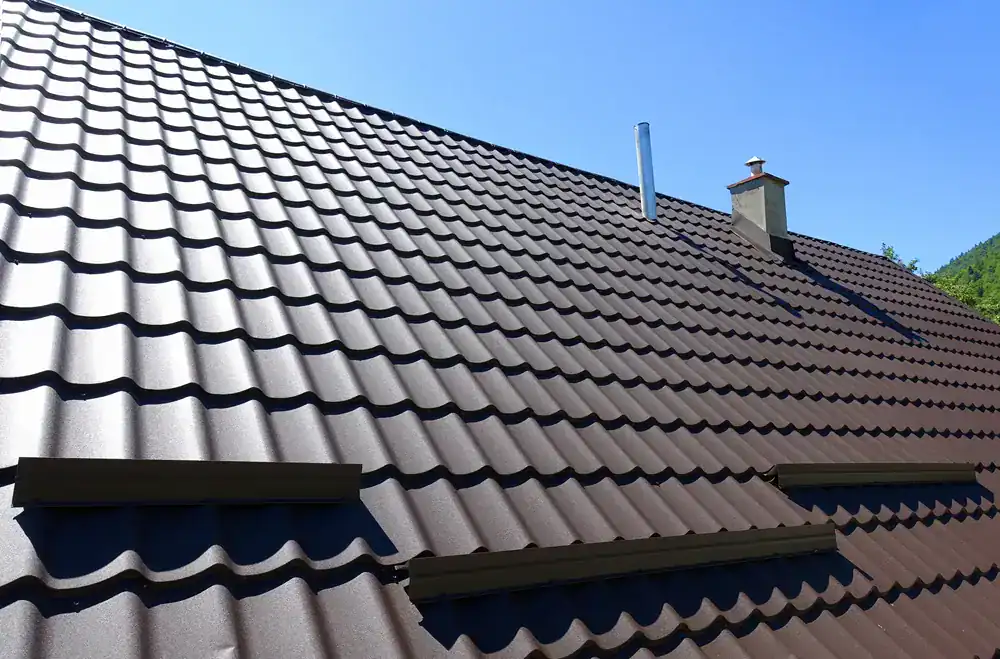
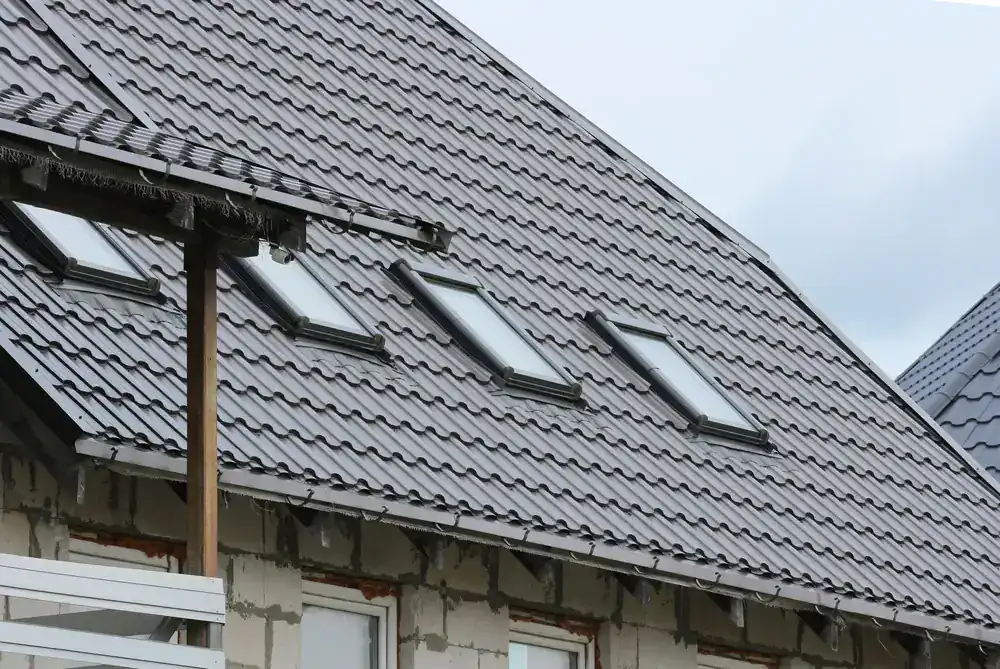
Metal roofing lasts 40-70 years and handles snow and ice extremely well, but costs significantly more upfront. It makes sense for homeowners planning to stay long-term or for properties where frequent replacement is difficult. Some Summit neighborhoods have aesthetic restrictions, so check before committing to metal.
Slate and tile last 50-100 years but require structural support most homes don’t have. If you’ve got an older Summit home with existing slate, replacement is expensive but sometimes worth it for historic authenticity. For most residential roofing projects, high-quality architectural asphalt shingles offer the best combination of durability, cost, and performance in our climate. They’re proven, reliable, and they work.
How much does roof installation cost in Summit, NJ?
Residential roof installation in Summit typically runs between $8,000 and $25,000 depending on size, pitch, complexity, and material choice. A standard 2,000 square foot home with architectural shingles usually falls in the $12,000-$16,000 range including tear-off, disposal, and all materials.
Costs increase if your roof decking needs repair, if you’ve got multiple valleys and dormers, or if your pitch is steep enough to require additional safety equipment. Premium shingles, upgraded underlayment, or enhanced warranty coverage also add to the total. We give you itemized estimates so you can see exactly what you’re paying for.
The cheapest bid isn’t always the best value. Roofing contractors who come in significantly lower than competitors are usually cutting corners somewhere—thinner underlayment, fewer ice barriers, rushed installation, or unlicensed crews. Those shortcuts cost you more in the long run through shorter lifespan, failed inspections, or voided warranties. We price our work to include everything done right the first time, which means fewer callbacks and a roof that actually lasts its expected lifespan.
What are the signs I need roof replacement versus just repairs?
If your roof is over 20 years old, you’re probably looking at replacement rather than repair. Asphalt shingles have a finite lifespan, and patching an old roof is like putting bandaids on a bigger problem. You’ll spend money on repairs now and still need replacement within a few years.
Multiple leaks in different areas, widespread shingle damage, or significant granule loss in your gutters all point toward replacement. Curling, cracking, or missing shingles across large sections mean the roof is failing systematically, not just in one spot. Sagging areas indicate structural issues that require immediate attention and usually full replacement.
Inside your home, water stains on ceilings, mold growth in the attic, or daylight visible through the roof boards are red flags. If your energy bills have jumped without explanation, your roof might be compromised enough that it’s affecting your home’s insulation performance. We offer free inspections specifically to help Summit homeowners make this call without pressure. Sometimes you need repairs, sometimes you need replacement—we’ll tell you which and explain why so you can make an informed decision.
Do you handle emergency roof repairs in Summit after storms?
Yes, we respond to storm damage and emergency situations. Summit gets hit with severe weather regularly—nor’easters, summer thunderstorms with high winds, heavy snow loads, and occasional hail. When your roof is compromised, waiting makes everything worse. Water damage spreads fast, and a small leak becomes a major problem within hours.
If you’ve got active leaking or obvious damage after a storm, call us immediately. We’ll get someone out to assess the damage, provide temporary protection if needed, and start the documentation process for your insurance claim. Emergency repairs might include tarping damaged areas, securing loose shingles, or temporarily sealing leaks until we can do permanent repairs or full replacement.
Keep in mind that after major storms, every roofing contractor in the area gets slammed with calls. Response times stretch out, and material availability can become an issue. The best protection is proactive—get your roof inspected before storm season so you know its condition and can address weak points before they fail. But when emergencies happen, we prioritize active leaks and structural hazards to protect your home from further damage.