
Gutter Installation in Summit, NJ
Summit's Hills and Heavy Rain Demand More Than Standard Gutters
Hear from Our Customers
Rain Gutter Installation in Summit, NJ
When gutters fail in Summit, the consequences move fast. Water overflows against your fascia, soaks into siding, and finds its way toward your foundation — and on a sloped lot in the Watchung hills, that water doesn’t just sit there. It moves downhill with force. The difference between a properly installed gutter system and a neglected one isn’t just cosmetic. It’s the difference between dry basement walls and a water damage restoration call.
Summit receives about 51 inches of rain per year — well above the national average — and that’s spread across roughly 164 rain days. July alone averages more than 17 rain days, and summer thunderstorms here don’t ease in gently. They dump. A gutter system that isn’t sized correctly for your roof’s square footage and Summit’s actual rainfall load will overflow before the storm is even halfway through.
Then there’s the tree canopy. Summit sits in the hills of the Watchung Reservation, and that canopy is one of the densest in the region. Leaves, seed pods, and organic debris fill gutters here faster than in most surrounding towns. That debris traps moisture, accelerates corrosion, and turns a clog into a structural problem if it goes ignored long enough. A well-installed system — properly sloped, correctly sized, and matched to your home’s exterior — handles all of it without constant intervention.
Gutter Contractors in Summit, NJ
We’re based in Elizabeth — the county seat of Union County, the same county Summit calls home. That’s not a technicality. It means we know this area, have worked on homes like yours, and have a local reputation that depends on doing the job right every single time.
Over the past decade, our work has been built almost entirely on referrals. That’s not a marketing line — it’s just what happens when a contractor works on older Colonials and Victorians in Summit and does it honestly. NJ Division of Consumer Affairs License #13VH10605800 is on file, manufacturer certifications are current, and every estimate we provide is free, written, and comes with zero pressure.
Summit’s historic homes — especially in neighborhoods like Brayton Hill — require a contractor who understands aging fascia, complex rooflines, and what happens when you ignore the full exterior picture. That’s exactly the kind of work we were built for.
Home Gutter Installation in Summit, NJ
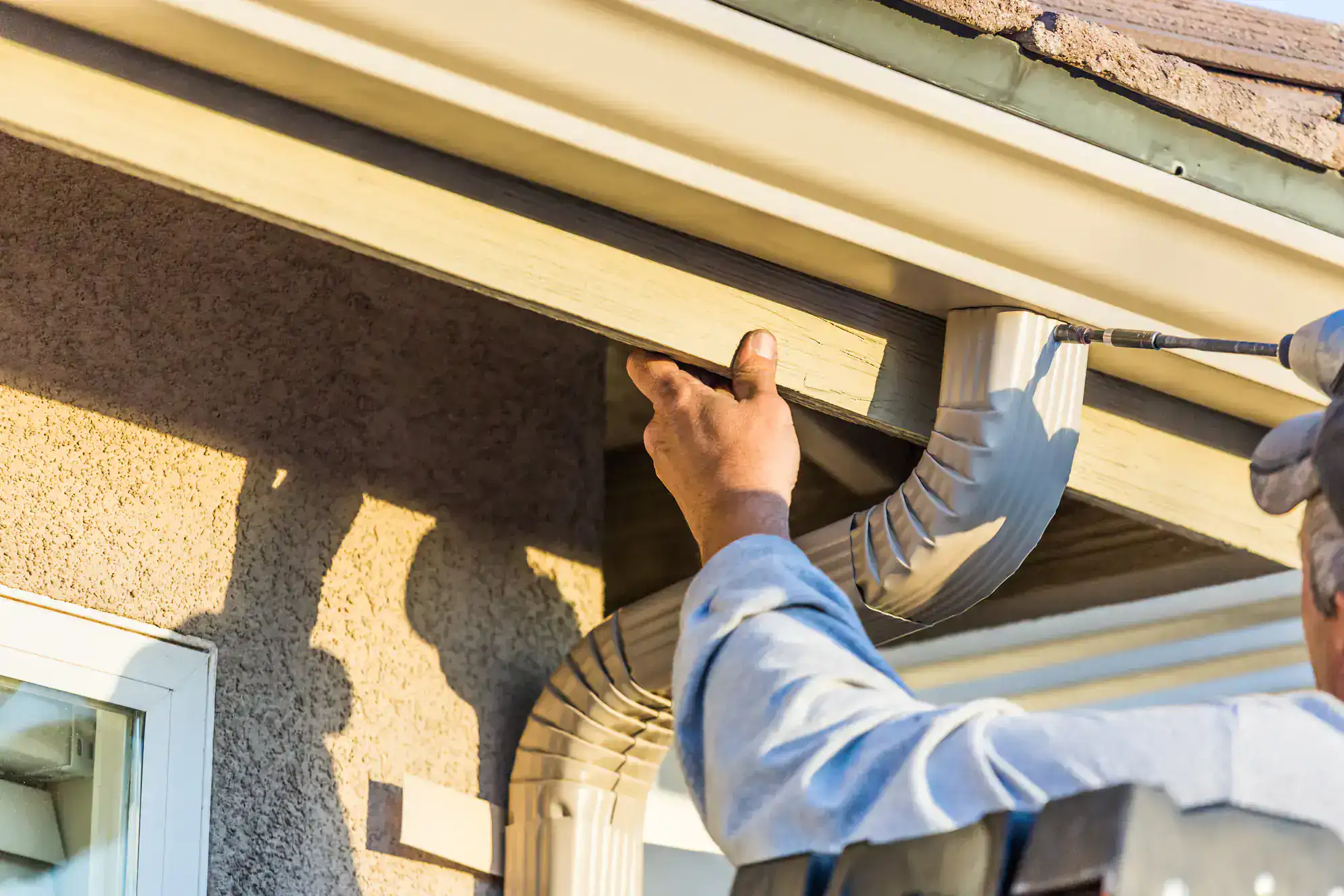
It starts with a free inspection. Before we write any quote, we evaluate your full exterior — not just the gutters. On Summit’s older homes, that means checking fascia condition, assessing the roofline geometry, and looking at how water is currently moving off your roof and where it’s going when it hits the ground. If the fascia boards are soft or deteriorated, that gets flagged before a single bracket goes up. Installing new gutters on compromised fascia is a short-term fix that becomes a long-term problem.
Once the scope is clear, you get a written estimate with no hidden line items. If the job involves more than a straightforward replacement — say, fascia repair on a 1920s Colonial or a downspout reconfiguration on a graded lot — that’s explained plainly before work begins. Summit’s hilly terrain means downspout placement isn’t just a preference. It directly affects whether water drains away from your foundation or toward it, and that decision gets made deliberately, not by default.
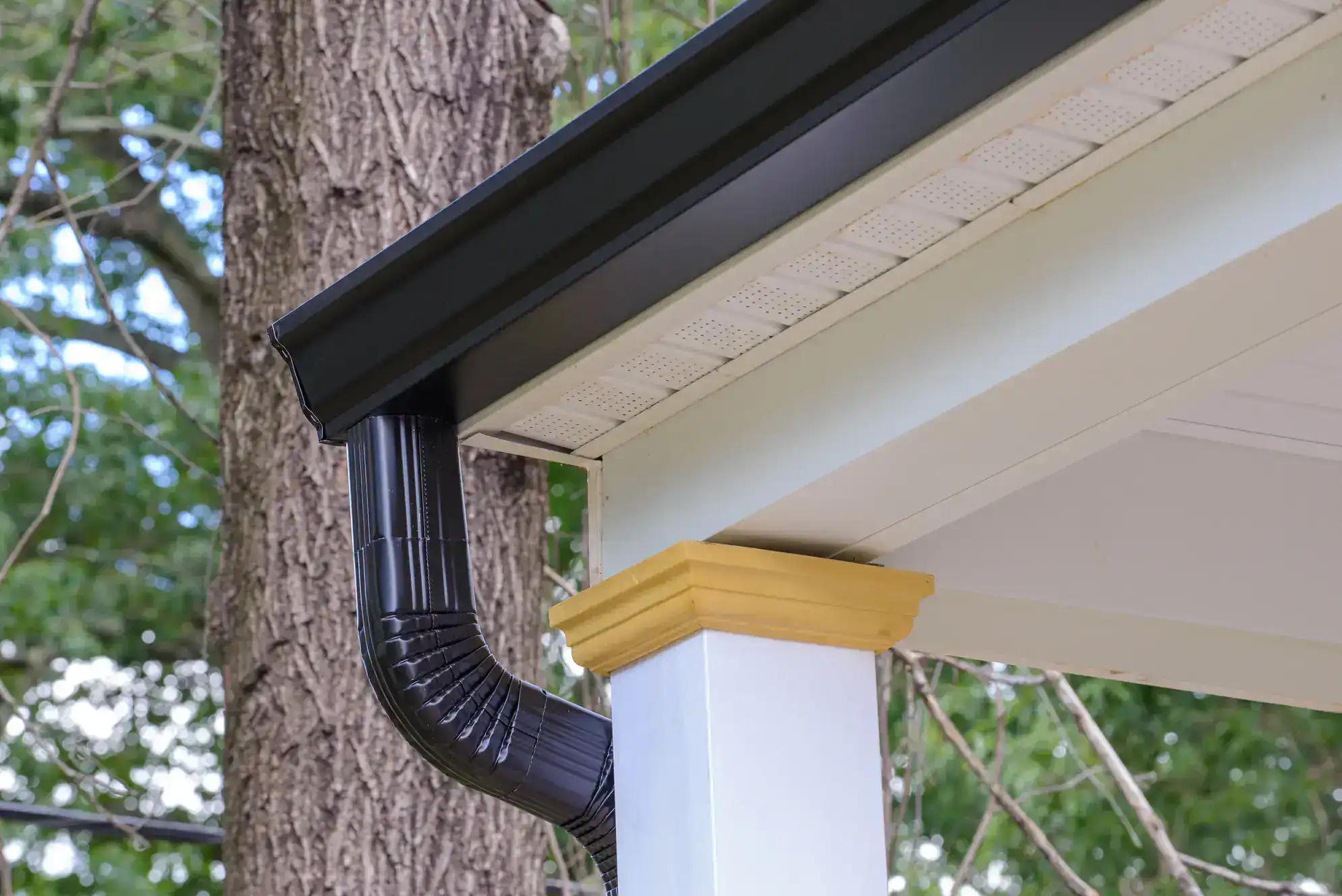
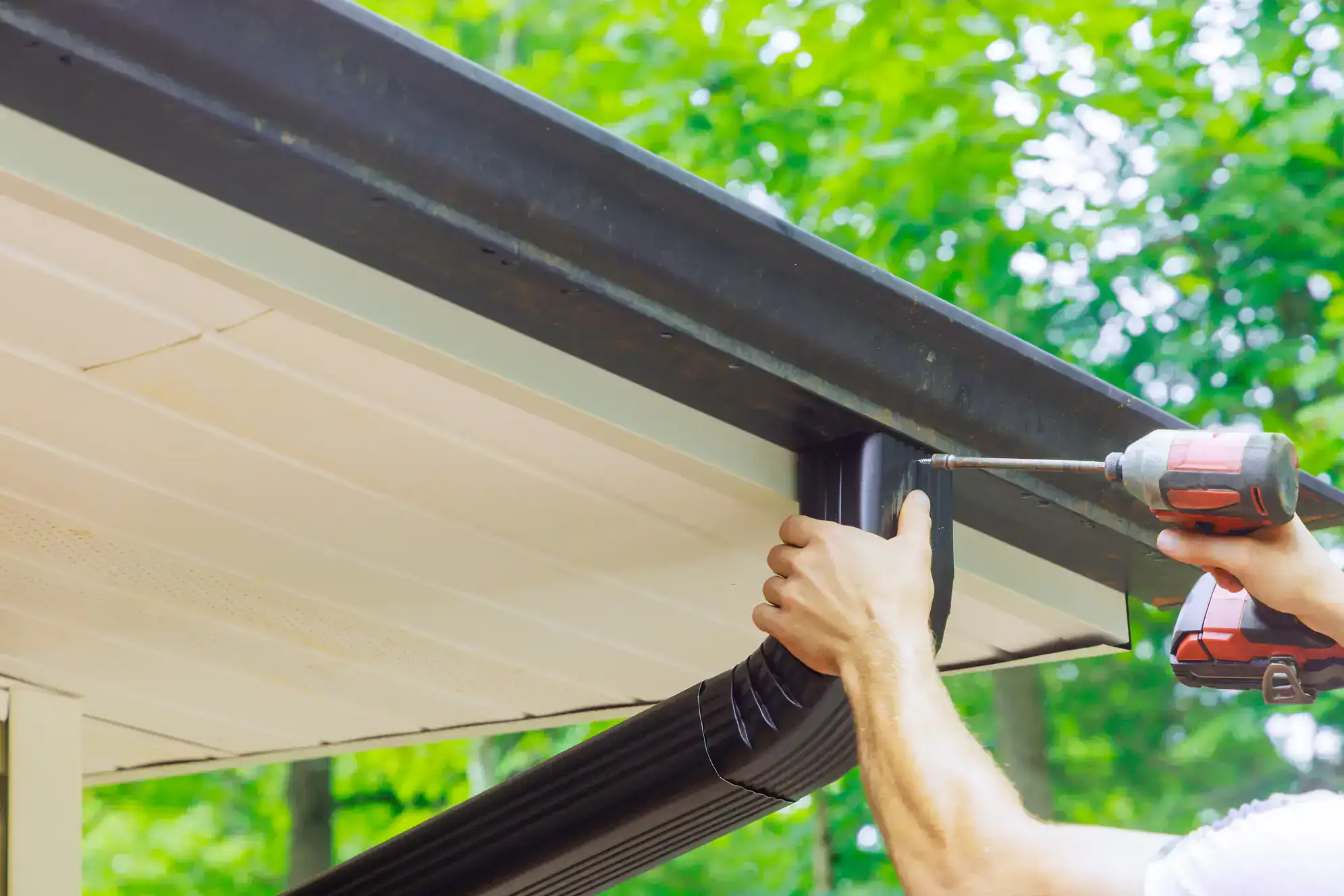
Installation uses custom-fabricated seamless aluminum gutters, sized for your specific roof load and Summit’s rainfall patterns. When the job is done, the site is cleaned, the drainage path is confirmed, and you know exactly what warranty coverage you have — contractor and manufacturer both.
Ready to get started?
Roof Gutter Installation Company in Summit, NJ
Summit’s housing stock is not standard. The Victorians, Tudors, and early-20th-century Colonials that line streets in Brayton Hill and throughout the city have rooflines that don’t follow a simple template — and they have exterior systems that age together. When one component starts failing, others usually aren’t far behind. That’s why every gutter installation we perform includes a full exterior assessment, not just a look at the gutters themselves.
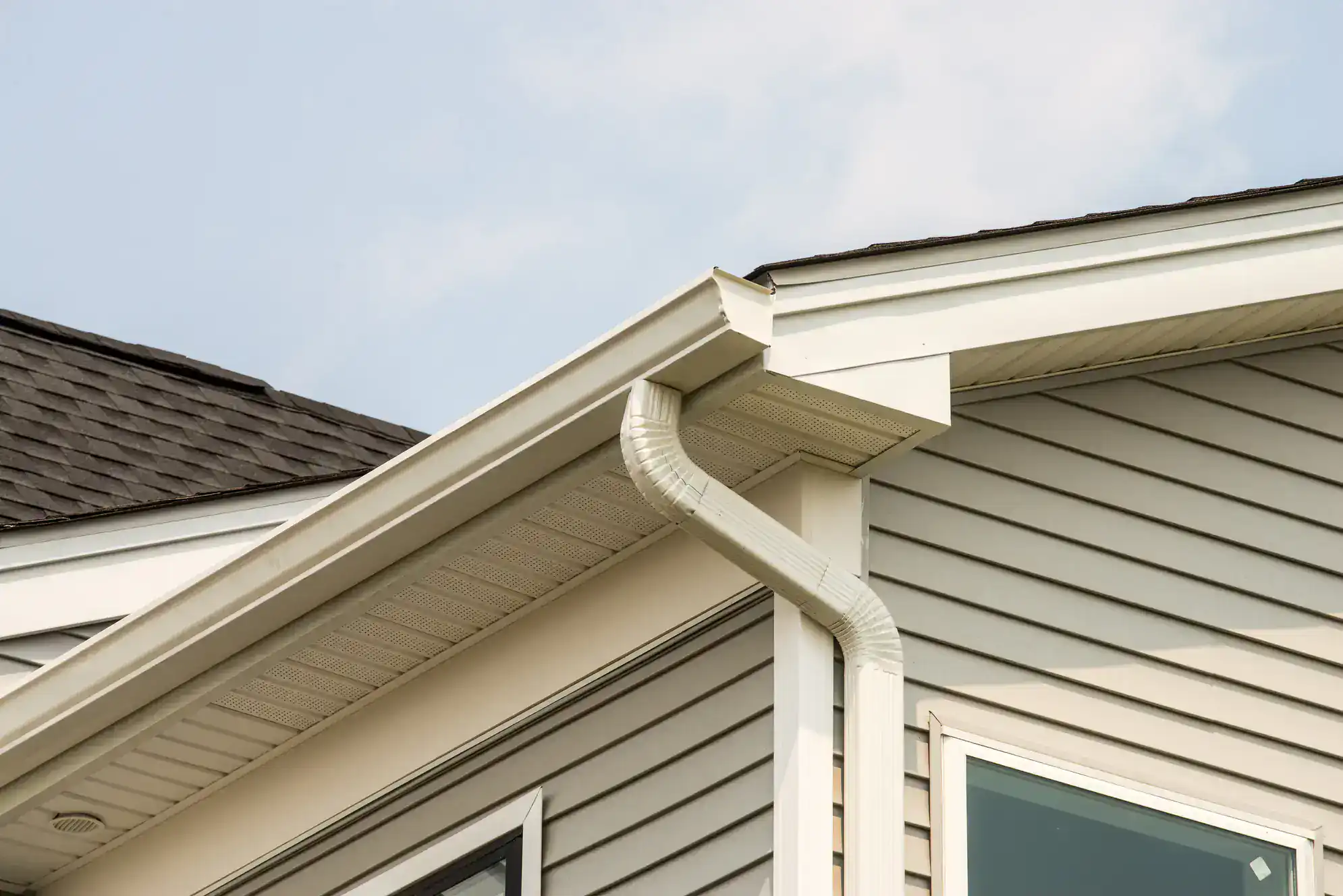
We install seamless aluminum gutters, custom-fabricated on-site to fit your home’s exact dimensions. Seamless construction eliminates the joints where sectional gutters commonly leak, and aluminum holds up well through New Jersey’s freeze-thaw winters without cracking or warping. Downspout sizing and placement are calculated based on your roof’s actual square footage and Summit’s above-average rainfall load — not a national average that undersells what your system needs to handle.
For Summit homeowners dealing with storm damage, we also assist with the insurance claim process — documenting the damage, communicating with adjusters, and helping you understand what your policy covers before any work begins. And if your home sits in one of Summit’s historic districts, we’re familiar with working on period-appropriate exteriors where material selection and visual integration with the existing architecture actually matter.
How much does gutter installation cost for a Summit, NJ home?
For most Summit homes, full gutter replacement runs somewhere between $2,800 and $5,200 — though that range can shift depending on your home’s size, how many stories it has, what condition the fascia is in, and what material you choose. Summit’s older multi-story Colonials and Victorians tend to run toward the higher end of that range, partly because of roofline complexity and partly because fascia repair is often part of the scope on homes built in the 1910s through 1940s.
The best way to get an accurate number is a free on-site estimate. Gutter quotes that come in over the phone or based on square footage alone tend to miss the details that actually drive cost — and in Summit, those details matter. We provide written estimates with no hidden fees and no obligation, so you can compare it against other quotes with a clear picture of what’s actually included.
Do I need a permit to replace gutters on my Summit, NJ home?
In most cases, a straightforward gutter replacement in Summit doesn’t require a separate building permit — it’s considered routine maintenance under New Jersey’s Uniform Construction Code. That said, if the work involves structural elements like fascia replacement, changes to how your roof drainage is configured, or new downspout penetrations through masonry, permit requirements can come into play depending on the scope.
Summit enforces NJ UCC standards through its own building and code enforcement department, and all contractors performing home improvement work in New Jersey are required to hold a valid NJ Home Improvement Contractor registration. We hold NJ HIC License #13VH10605800 and handle all licensing and code compliance requirements as part of the job — you don’t have to navigate that separately. If your project requires a permit, that gets identified during the estimate phase, not after work has already started.
How often should I clean my gutters given Summit's heavy tree coverage?
For most Summit homeowners, twice a year is the minimum — once in late spring after seed and pollen season, and again in late fall after the deciduous trees have dropped their leaves. But Summit’s tree canopy is genuinely dense. The city sits in the hills of the Watchung Reservation, and some properties — especially those near wooded lots or on streets like those running through Brayton Hill — accumulate debris fast enough that a third cleaning mid-season is worth considering.
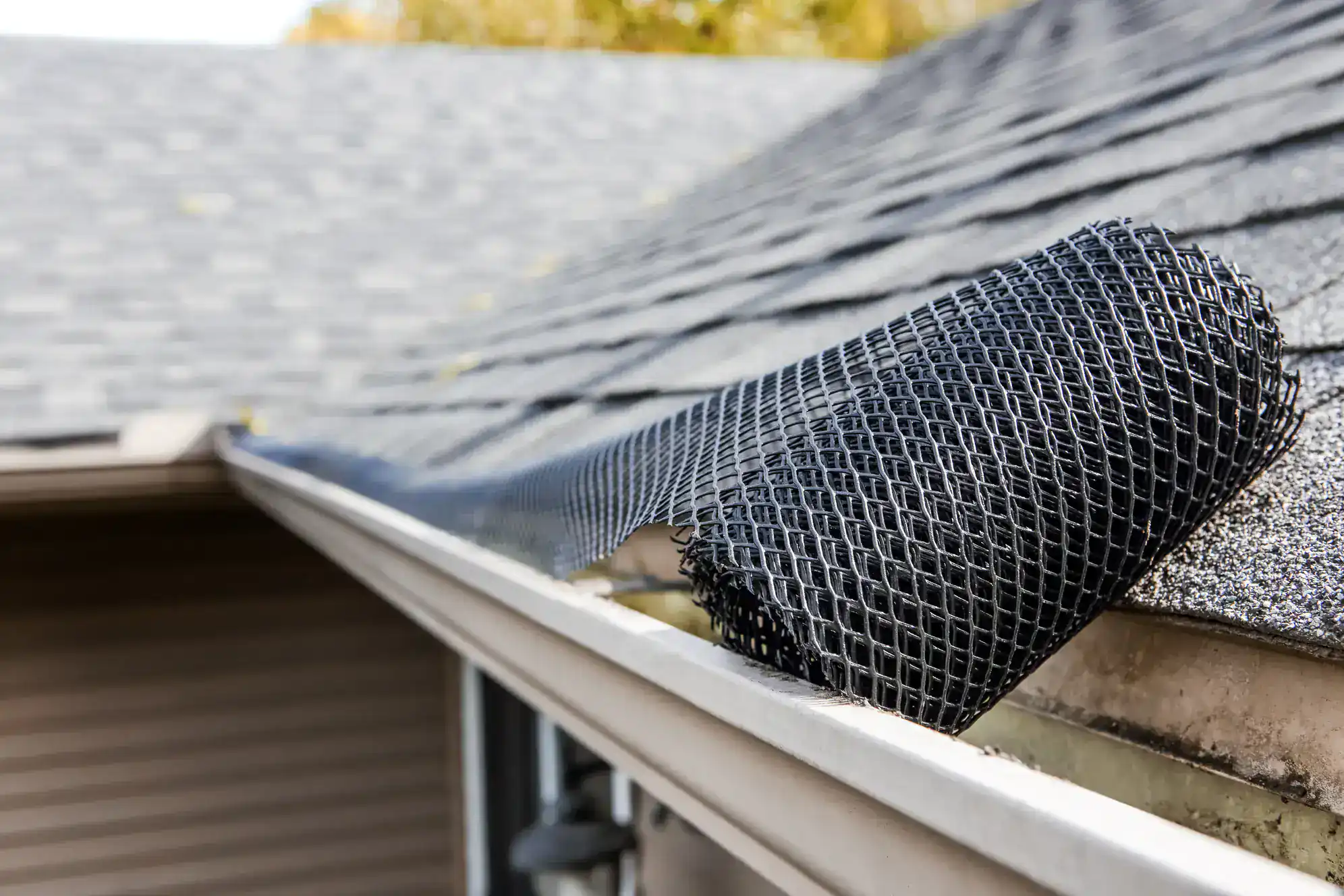
The real risk with neglected gutters in Summit isn’t just overflow during a rainstorm. Organic debris holds moisture against the gutter surface and accelerates corrosion from the inside out. On an older home where the gutters may already be past their useful life, that process moves quickly. Gutter guards can reduce cleaning frequency significantly, but the quality and style of the guard matters — especially in New Jersey winters, where certain guard designs accumulate ice and create new blockage problems. That’s worth discussing during your estimate so you get a recommendation that actually fits your property.
Can failing gutters really cause basement flooding in an older Summit home?
Yes — and it’s more common in Summit than homeowners often expect. Water damage restoration companies serving Summit specifically identify the city’s historic homes as having aging infrastructure that leads to drainage problems and basement water intrusion. The connection is direct: when gutters overflow or downspouts discharge too close to the foundation, water saturates the soil along the foundation wall and finds its way in through cracks, mortar joints, or window wells.
On Summit’s hilly terrain, the problem compounds. A sloped lot amplifies the force of water moving toward the foundation — it doesn’t just pool, it flows. Homes on graded lots in Summit need downspouts that extend far enough from the foundation and discharge in a direction that works with the lot’s grade, not against it. That’s a placement decision, not just an installation detail, and it’s one of the first things we evaluate during a free estimate. Fixing a gutter system is significantly less expensive than addressing the basement water damage that follows when you don’t.
What's the difference between seamless and sectional gutters — which is better for my home?
Sectional gutters come in pre-cut pieces that are joined together on-site. Every joint is a potential leak point, and over time — especially through New Jersey’s freeze-thaw cycles — those joints expand, contract, and separate. Seamless gutters are fabricated in one continuous run to fit your home’s exact dimensions, which eliminates most of those failure points by design.
For Summit’s older homes, seamless aluminum is almost always the better choice. The complex rooflines on Victorians and Colonials mean more corners, more angles, and more opportunities for sectional joints to cause problems. Seamless construction handles those transitions cleanly. Aluminum is also the right material for Summit’s climate — it doesn’t rust, holds up through winter without cracking, and is available in a wide range of colors so it can be matched to your home’s exterior without looking like an afterthought. On a historic property where curb appeal and architectural character matter, that visual integration is worth paying attention to.
Does homeowner's insurance cover storm damage to gutters in Summit, NJ?
It depends on the cause. Most standard homeowner’s insurance policies in New Jersey cover gutter damage that results from a sudden, accidental event — a severe thunderstorm, high winds, a falling tree limb, or hail impact. Summit’s summer storm season is real, and July’s average of more than 17 rain days includes events that regularly cause wind and debris damage to gutters and downspouts. If the damage happened during a storm, there’s a reasonable chance your policy covers at least part of the replacement cost.
What insurance typically doesn’t cover is damage from deferred maintenance — gutters that failed gradually because they were clogged, improperly installed, or simply old. That distinction matters, because adjusters will look for evidence of pre-existing neglect when evaluating a claim. We assist Summit homeowners through the insurance process: documenting storm damage accurately, communicating with adjusters, and making sure the claim reflects the actual scope of what needs to be repaired or replaced. If you’re not sure whether your damage qualifies, a free inspection is the right starting point — it gives you the documentation you need before you call your insurer.