
Roofer in Summit, NJ
Summit's Hilltop Homes Need More Than a Standard Roofer
Hear from Our Customers
Local Roofing Company in Summit, NJ
A roof that’s been properly installed and maintained doesn’t just keep water out — it protects everything underneath it. No ceiling stains creeping across your living room. No insurance headaches because unpermitted work voided your coverage. No surprise rot discovered during a sale inspection on a home that’s worth well over a million dollars. That’s what a properly done roof actually gives you.
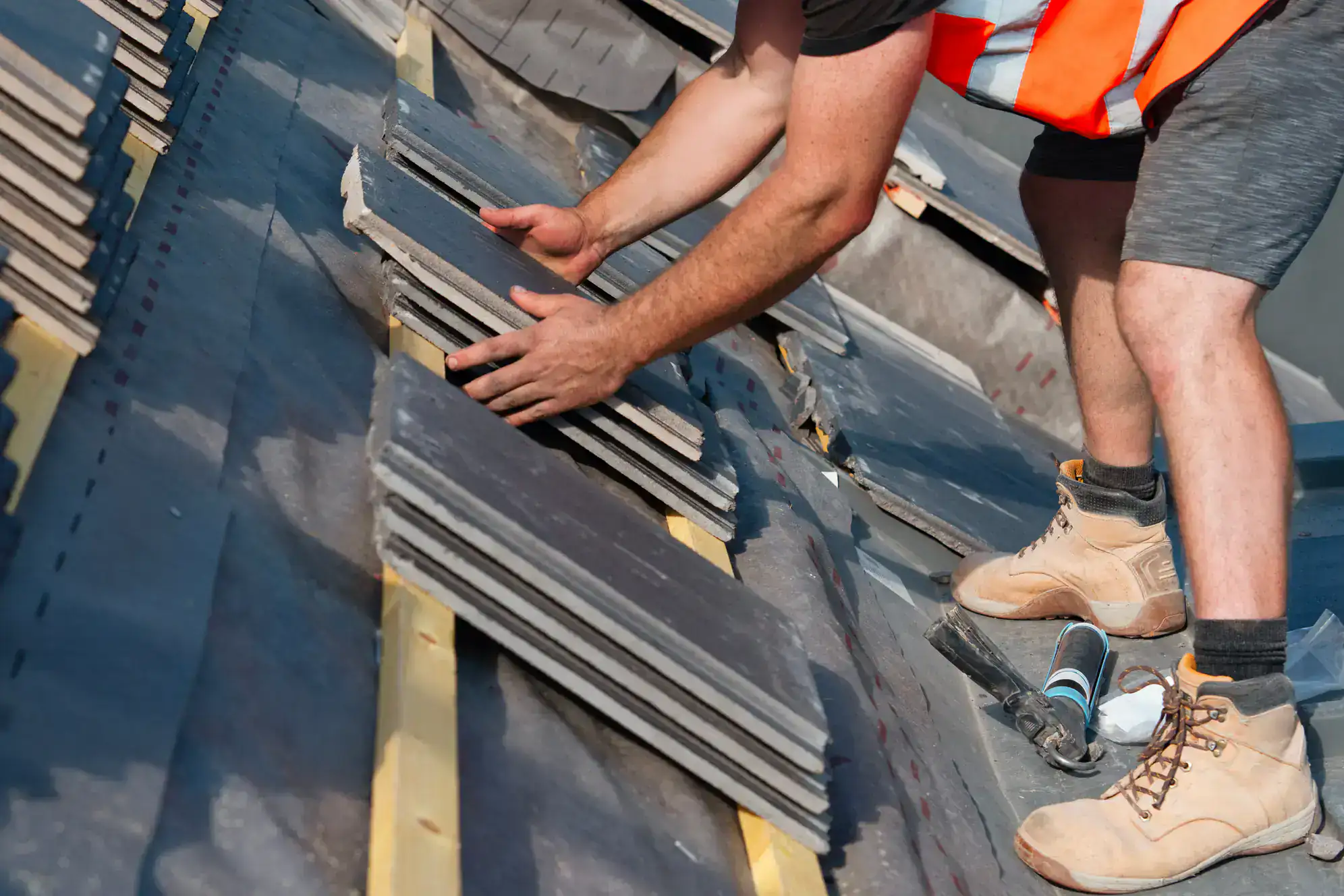
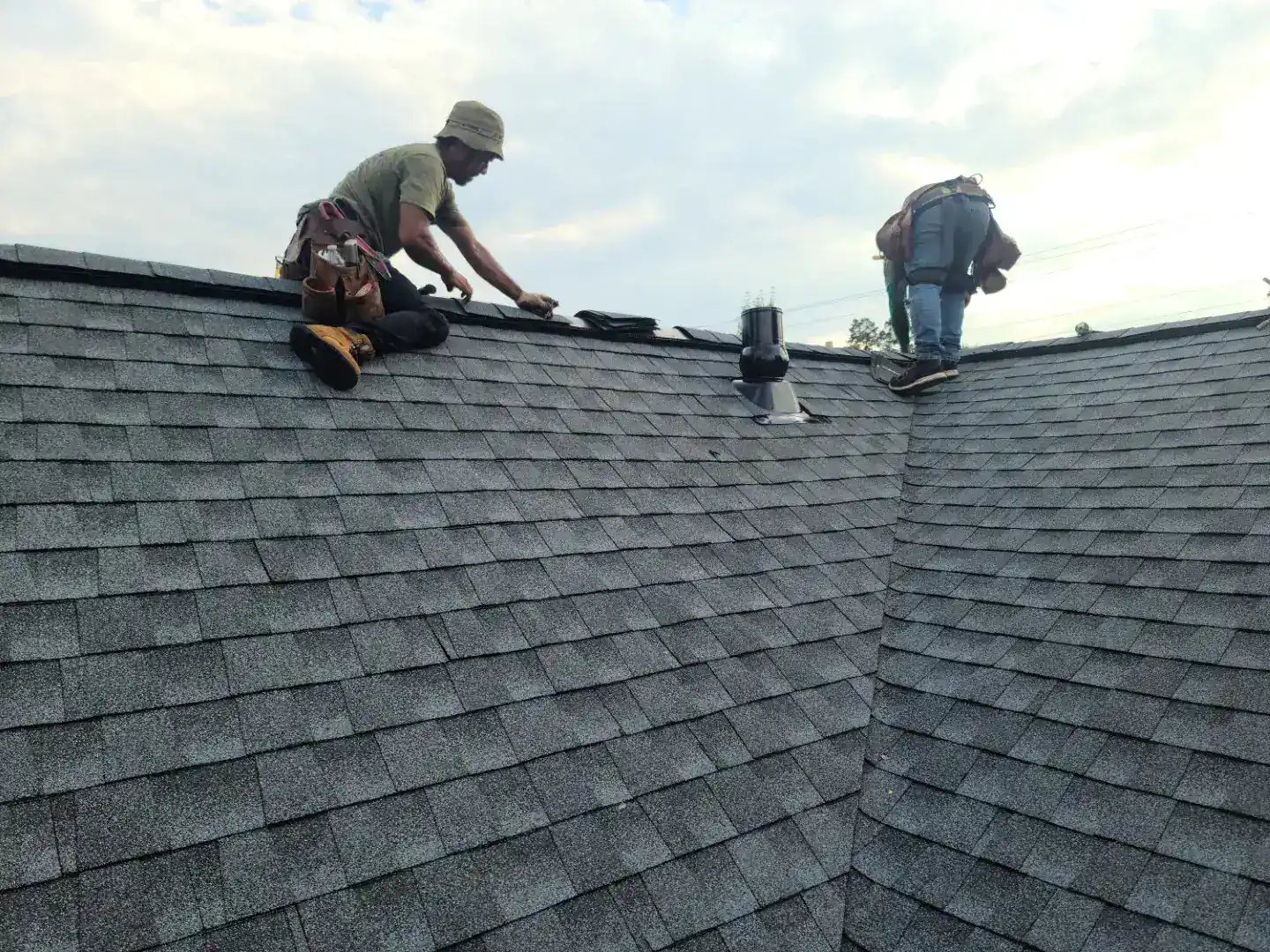
Summit’s housing stock is not simple. Victorian-era homes, Tudor estates, 1920s colonials with multiple dormers and masonry chimneys — these rooflines have more entry points for water than a standard gable roof, and they need a contractor who’s actually worked on them. When flashing is done right around every valley, every chimney, and every dormer, you stop the slow leaks that cause the expensive damage.
And because Summit sits elevated on the Watchung ridgeline, wind loading here is genuinely higher than in the valley towns nearby. That matters during installation — nail patterns, starter strips, hip and ridge detailing — all of it has to account for the exposure your property actually has. When it does, your roof performs the way it’s supposed to, storm after storm.
Roofing Company in Summit, NJ
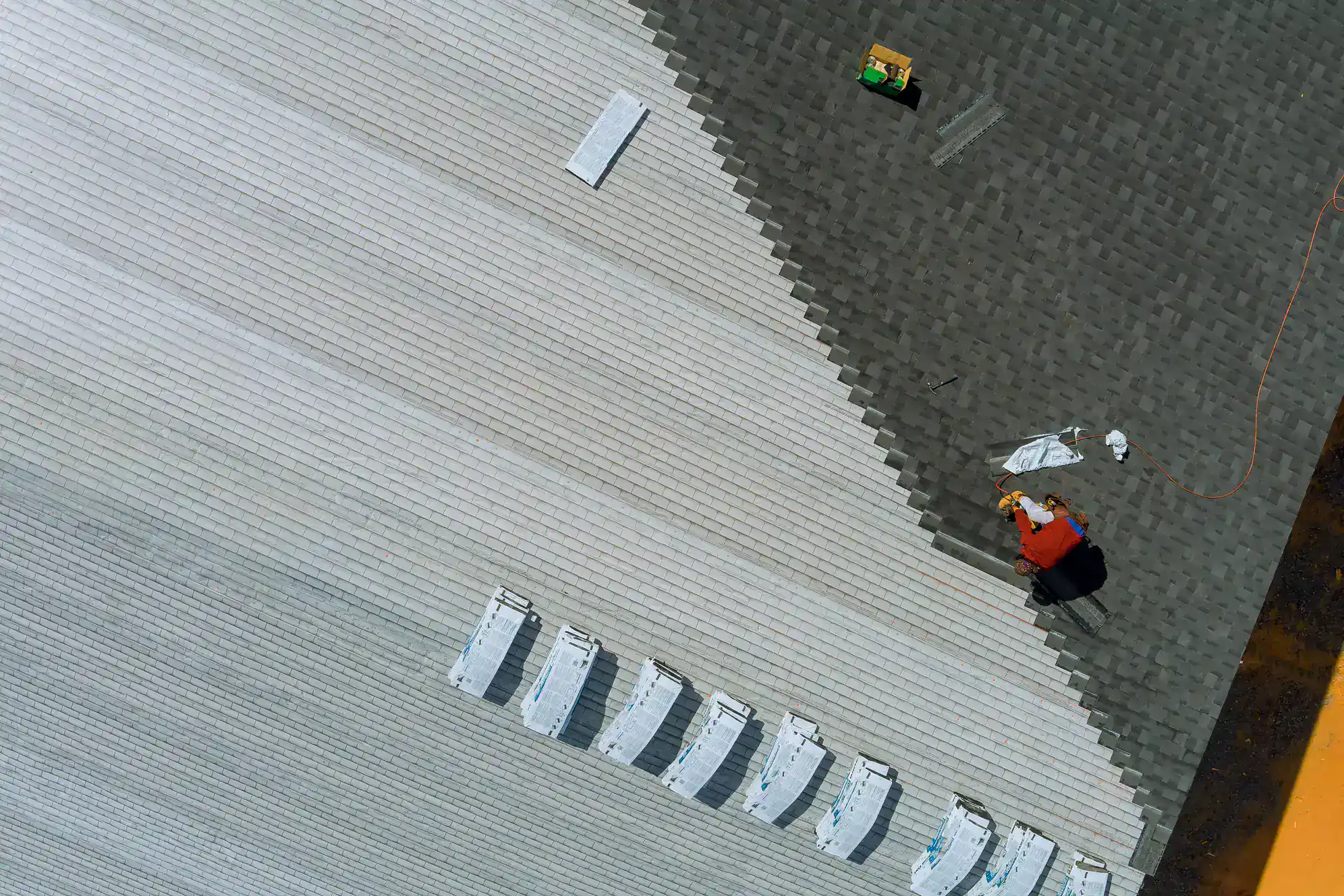
We are a family-owned exterior renovation company based in Elizabeth, NJ — Union County, same as Summit. That’s not a technicality. It means the same building codes, the same permit offices, the same weather patterns, and a local reputation that actually travels through Summit and the surrounding area.
We’ve been serving Union County homeowners for over a decade, hold NJ Home Improvement Contractor License #13VH10605800 — publicly verifiable through the NJ Division of Consumer Affairs — and carry certifications from major shingle manufacturers that most contractors in this market simply don’t have. Those certifications aren’t just credentials on a wall. They’re what unlock the kind of long-term manufacturer-backed warranties that protect a Summit home the way it deserves to be protected.
Every project starts with a free inspection and a photo report you keep, no strings attached. From there, pricing is itemized and approved before any work begins. No surprises on the invoice, no disappearing act after the job.
Affordable Roofers in Summit, NJ
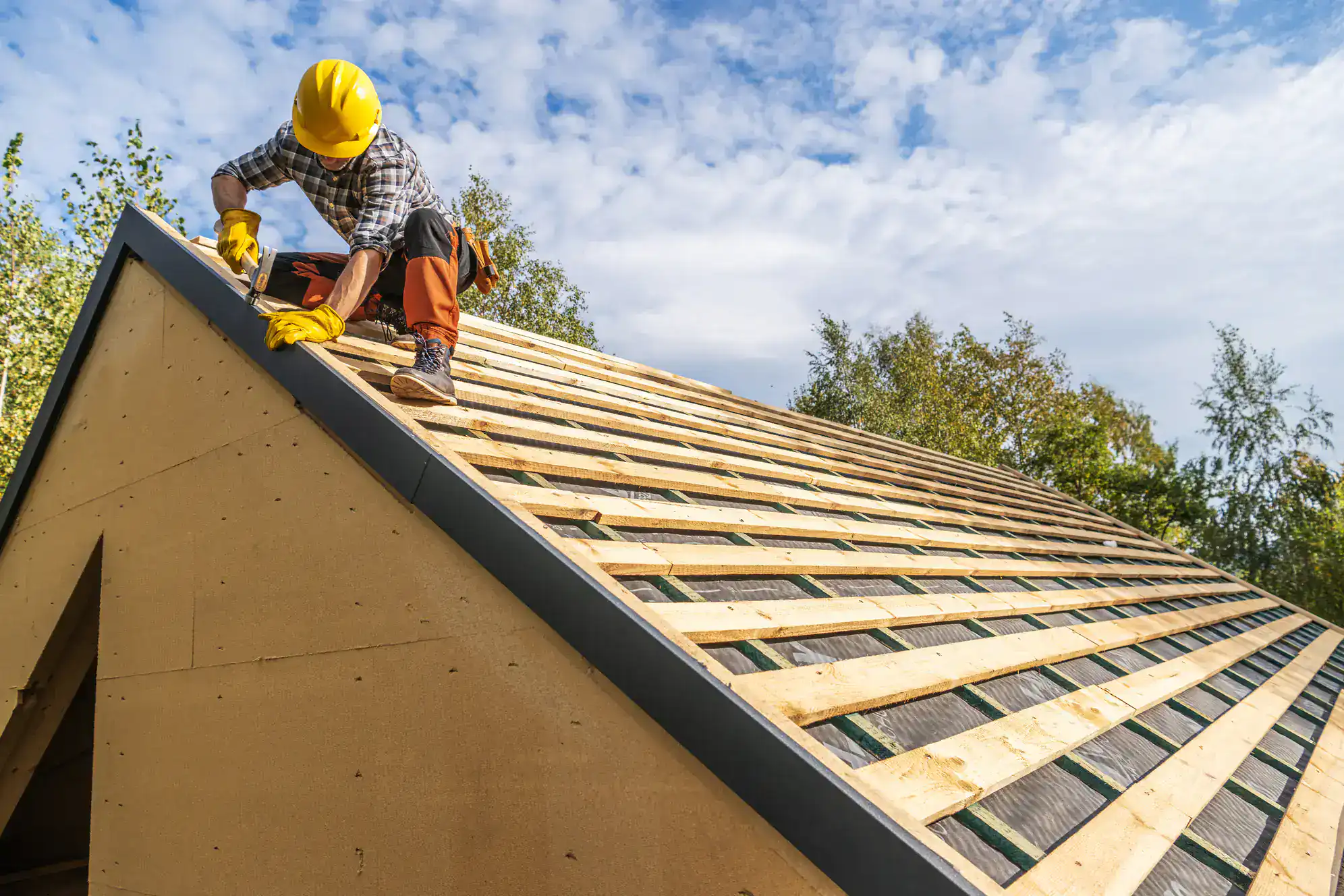
It starts with a free roof inspection. A technician walks the full exterior, checks the attic for ventilation and moisture issues, examines every flashing point, and documents everything with photos. You get that report whether you hire us or not. For a homeowner in Summit with a complex Victorian roofline or a steep-pitched colonial near the Kent Place area, that report alone tells you more than most contractors will share in three conversations.
From there, you receive a clear, itemized estimate. Every material, every labor line, every detail — written out before anyone picks up a nail gun. The City of Summit requires a building permit for roofing work, and we handle that process as standard. Your job is to approve the scope. The compliance piece is handled.
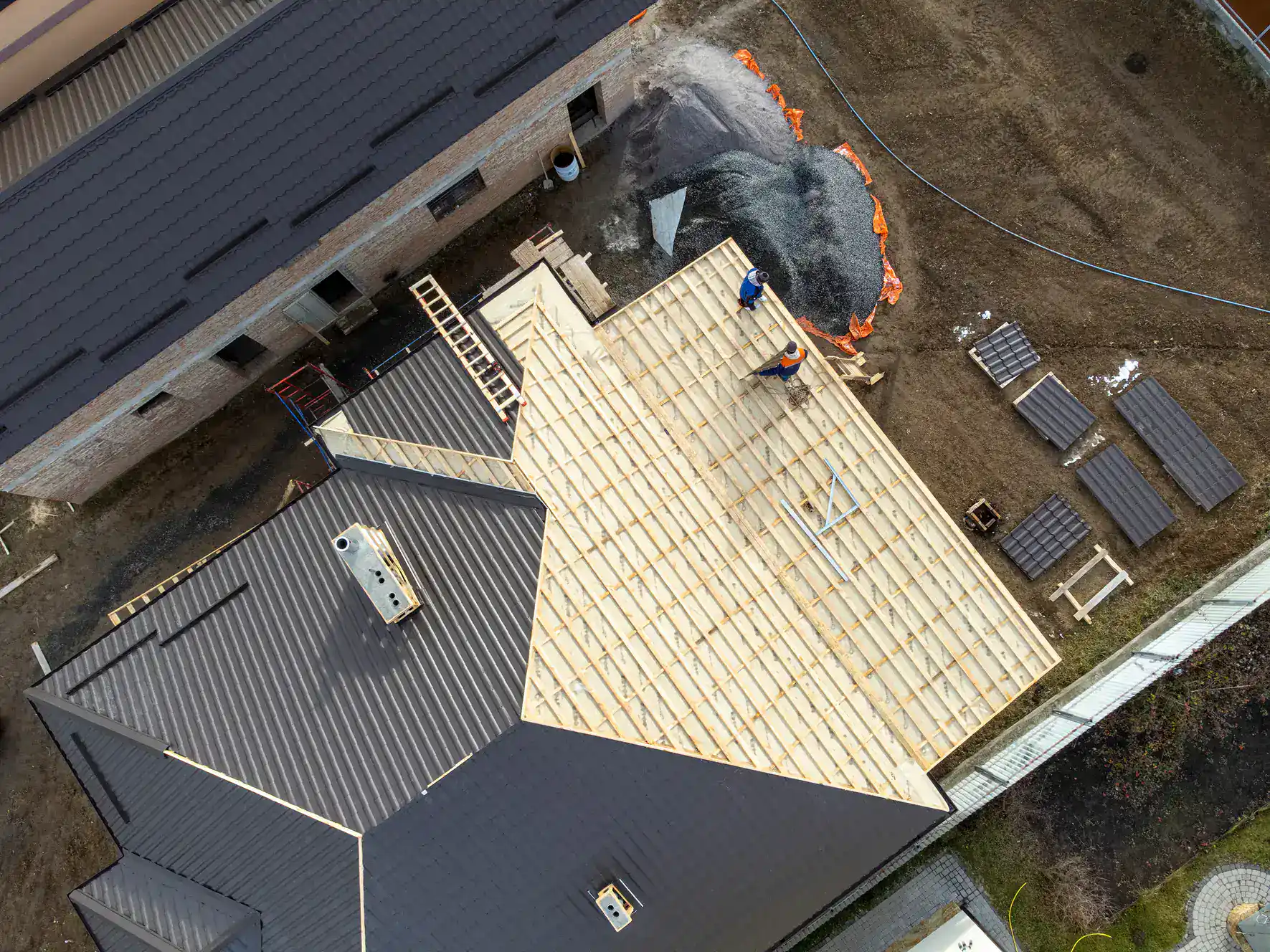
Once the project is underway, communication stays consistent. You know what’s happening each day, and you’re not chasing anyone for updates. When the job wraps, there’s a walkthrough to confirm everything meets the standard you agreed to — including manufacturer installation requirements that keep your warranty valid. That’s the whole process. No drama, no gaps.
Ready to get started?
Emergency Roof Repair in Summit, NJ
We handle the full range of roofing work Summit homeowners actually need — inspections, repairs, full replacements, flat roofing systems including TPO and EPDM, and 24/7 emergency response. That last one matters more here than in most Union County towns. When a nor’easter rolls through and Summit’s dense tree canopy sends a branch through a dormer at 10pm, you need someone who answers. Emergency tarping, damage assessment, and insurance documentation support are all part of what’s available around the clock.
For full replacements on Summit’s older, architecturally complex homes, manufacturer-certified installation means you’re not just getting new shingles — you’re getting access to enhanced system warranties that non-certified contractors can’t offer. On a home valued at over a million dollars, that distinction is worth understanding before you sign anything.
Flat roofing, siding, and gutters are also part of our service lineup, which matters because Summit’s older housing stock tends to have aging systems across the board. Getting a full exterior assessment in one visit — roof, gutters, siding — means you’re not coordinating three separate contractors or receiving three separate estimates. It also means nothing gets missed. Note that torch-applied flat roofing in Summit requires a Fire Safety Permit in addition to the standard building permit — we handle both.
Does Summit, NJ require a permit to replace or repair a roof?
Yes — the City of Summit requires a building permit for roofing work, and that’s not optional. The Construction Office is located at City Hall, 512 Springfield Avenue, and can be reached at (908) 273-6408. If you’re having flat roofing work done that involves torch application — TPO or EPDM systems, for example — a Fire Safety Permit is also required on top of the standard building permit.
This matters more than most homeowners realize. Unpermitted roofing work can create serious problems when you go to sell. Buyers’ inspectors will flag it, title companies will ask questions, and you may be forced to either redo the work or accept a price reduction. A licensed contractor who pulls permits as standard practice protects you from all of that. We’re NJ HIC licensed (#13VH10605800) and handle the Summit permitting process on every project — it’s built into how the job gets done, not an add-on.
How much does a roof replacement typically cost in Summit, NJ?
Roof replacement costs in Summit vary more than in most Union County towns, and the reason is the housing stock. A straightforward gable roof on a modest home is a very different project than a steep-pitched Victorian with multiple dormers, valleys, a masonry chimney, and complex flashing work throughout. In Summit, where homes routinely fall into the latter category — and where typical home values exceed $1.1 million — it’s not unusual for a full replacement to run $15,000 to $25,000 or more depending on size, pitch, material selection, and complexity.
The best way to get an accurate number is through a free inspection and itemized estimate. That process gives you a real scope of work, not a ballpark that expands after the job starts. We provide free estimates with no obligation — you see the full breakdown before committing to anything. And because we’re manufacturer-certified, the materials and warranty options available to you are broader than what most local contractors can offer.
What roofing problems are most common on older Summit homes?
The most common issues on Summit’s older housing stock come down to three things: failing flashing, ice dam damage, and deferred maintenance on aging shingles. Flashing — the metal work around chimneys, dormers, valleys, and skylights — is where most roofs actually fail, and Summit’s Victorian-era and 1920s colonial homes have a lot of it. When flashing lifts, corrodes, or was installed incorrectly to begin with, water finds its way in slowly and quietly until the damage is significant.
Ice dams are a specific problem at Summit’s elevation. Older homes often have inadequate attic insulation and ventilation by current standards, which means heat escapes through the roof deck, melts snow on the upper roof, and that water refreezes at the cold eaves. The backup forces moisture under shingles and into the structure. The fix isn’t just removing the ice — it’s addressing the ventilation conditions that caused it. A thorough inspection will identify both the damage and the underlying issue, which is exactly what our free inspection covers.
What makes a manufacturer-certified roofer different from a standard contractor?
Manufacturer certification means the contractor has been trained and vetted by the shingle manufacturer to install their products to a specific standard. It’s not something every contractor has — it requires demonstrated competency, adherence to installation protocols, and ongoing training. The practical difference for you as a homeowner is warranty access. A non-certified contractor can install the same shingles, but they cannot unlock the manufacturer’s enhanced system warranty. You’re left with whatever the contractor offers on their own — often one to five years.
A manufacturer-certified installation, by contrast, can come with a system warranty covering 30 to 50 years, and in many cases that warranty is transferable to a future buyer. In Summit’s real estate market, where homes are high-value and buyers are thorough, a documented, transferable manufacturer warranty is a tangible asset — not just a piece of paper. It tells the next buyer that the roof was installed correctly, by a certified contractor, and that the manufacturer stands behind it. That distinction can affect both your negotiating position and your sale timeline.
What should I do if a storm damages my roof in Summit, NJ?
The first thing to do is document what you can safely see from the ground — photos of any visible damage, debris, or water intrusion inside the home. Don’t go on the roof yourself, especially on a steep-pitched Summit property after a storm. Then call a licensed roofing contractor as soon as possible to assess the damage and, if there’s active water intrusion, apply emergency tarping to stop it from getting worse while a full repair is scheduled.
From there, contact your homeowner’s insurance carrier to open a claim. A professional contractor can provide a written damage assessment and photo documentation that supports your claim — we do this as part of our emergency response process. Summit’s elevated position on the Watchung ridgeline means nor’easters and summer thunderstorms hit harder here than in lower-elevation towns nearby, and storm-related roof damage is a recurring reality for local homeowners. Having a contractor who responds 24/7 and understands the insurance documentation process makes a real difference in how quickly and cleanly a claim gets resolved.
How do I know if my Summit roof needs repair or a full replacement?
The honest answer is that you usually can’t tell from the ground — and neither can most contractors without a proper inspection. Shingles that look fine from the street can be hiding granule loss, lifted edges, compromised flashing, or moisture damage in the decking underneath. On Summit’s older homes, where roofs may be 20 to 30 years old or more, the gap between “looks okay” and “needs replacement” can be smaller than homeowners expect.
A free inspection with a photo report is the only way to get a clear answer. The inspection covers the full exterior, the attic for ventilation and moisture, all flashing points, and the drainage system. If repair is the right call, you’ll know exactly what needs to be addressed and why. If replacement makes more financial sense — because the system is at end of life or because repair costs are stacking up — that case will be laid out clearly with documentation you can review. No pressure in either direction. The goal is to give you accurate information about a significant component of a home you’ve invested heavily in, and let you make the right call from there.