
Roof Replacement in Summit, NJ
Summit's Hilltop Homes Demand More From a Roof
Hear from Our Customers
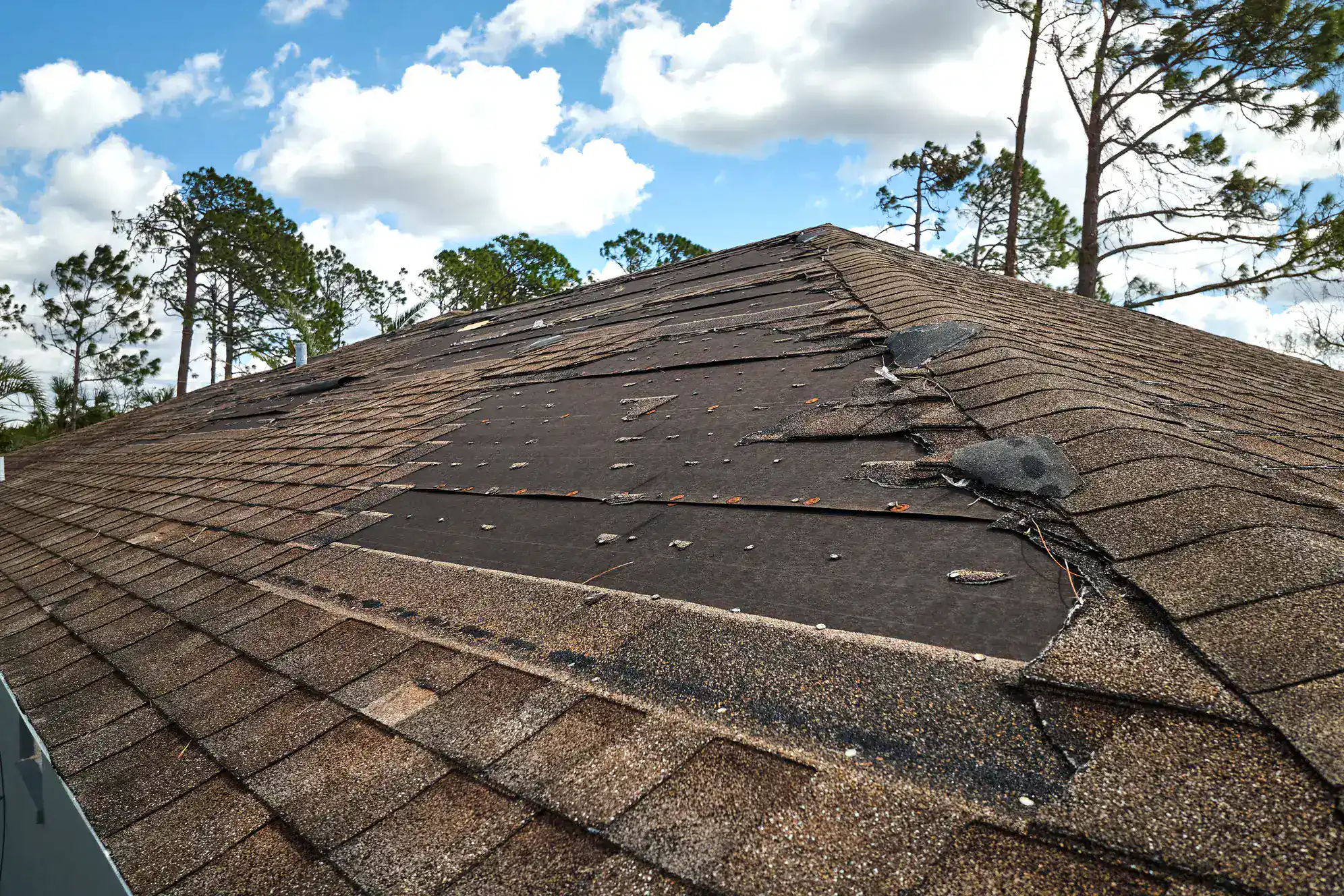
Residential Roof Replacement Summit, NJ
A properly replaced roof stops being something you think about. No more water stains creeping across your ceiling after a nor’easter. No more wondering whether that last wind event cracked something loose on your ridge. You just live in your house without that low-level anxiety running in the background.
For Summit homeowners specifically, that peace of mind carries real weight. Your home sits at roughly 450 feet of elevation on the Watchung ridge — which means wind events that barely register in Westfield or Springfield hit your roofline with noticeably more force. The homes in Summit weren’t built for low-maintenance roofing. Victorians, Tudors, Colonial Revivals — steep pitches, multiple dormers, complex valleys. When a replacement is done correctly, those architectural details stop being vulnerabilities and start being what they were always meant to be: character.
There’s also the financial side of it. With median home values in Summit pushing $1.2 million, a roof replacement isn’t just a maintenance call — it’s an asset decision. A documented GAF warranty, clean permit history, and a properly installed system all contribute to what your home is worth when it’s time to sell. Buyers in this market ask questions. Having the right answers already on file matters.
GAF Certified Roofer in Summit, NJ
We’ve been doing roofing work across Union County for over 17 years, with deep roots in Summit and the surrounding communities. That means we were here before the last major nor’easter, and we’ll be here after the next one — which is more than you can say for the contractors who show up with door hangers after every storm season and disappear before the first warranty issue surfaces.
We hold a valid NJ Home Improvement Contractor license, carry full insurance, and are GAF certified — meaning we can offer enhanced system warranties that unlicensed or non-certified contractors simply can’t provide. That’s not a minor footnote when you’re talking about a home in one of Summit’s 12 historic districts where the original slate or cedar shake is finally giving out, or a property near Overlook Medical Center’s hilltop corridor.
What you get here is a contractor who knows Summit, knows the permit environment at 512 Springfield Avenue, and builds a reputation through reviews and referrals — not advertising spend.
Roof Installation Process in Summit, NJ
It starts with a free inspection — a real one, not a sales pitch with a ladder. We evaluate your current system, identify what’s failing and why, and give you a written assessment of whether a full residential roof replacement in Summit is actually warranted or whether a targeted repair will do the job. If repair is the honest answer, that’s what you’ll hear.
From there, you get a fully itemized written estimate before anything is scheduled. Every cost variable is on paper — tear-off, decking inspection, ice-and-water shield, ventilation, flashing, material tier, cleanup. Summit’s Code Administration office requires permits for most full replacement projects, and we handle that process directly. If your home falls within one of Summit’s historic districts, there may be Historic Preservation Commission considerations before permits are issued — particularly if you’re moving away from an original slate or shake system. We navigate that upfront, not during the project.
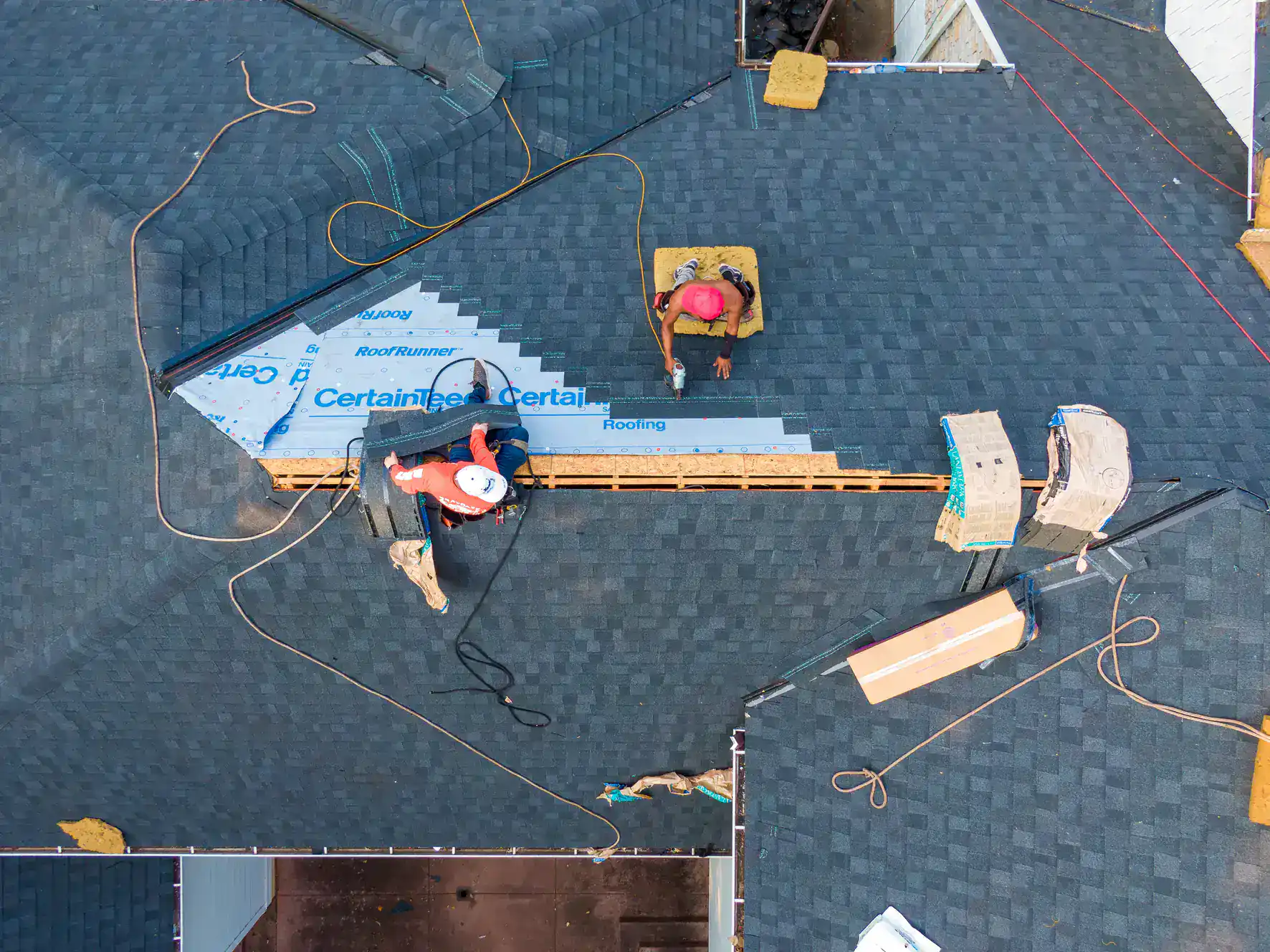
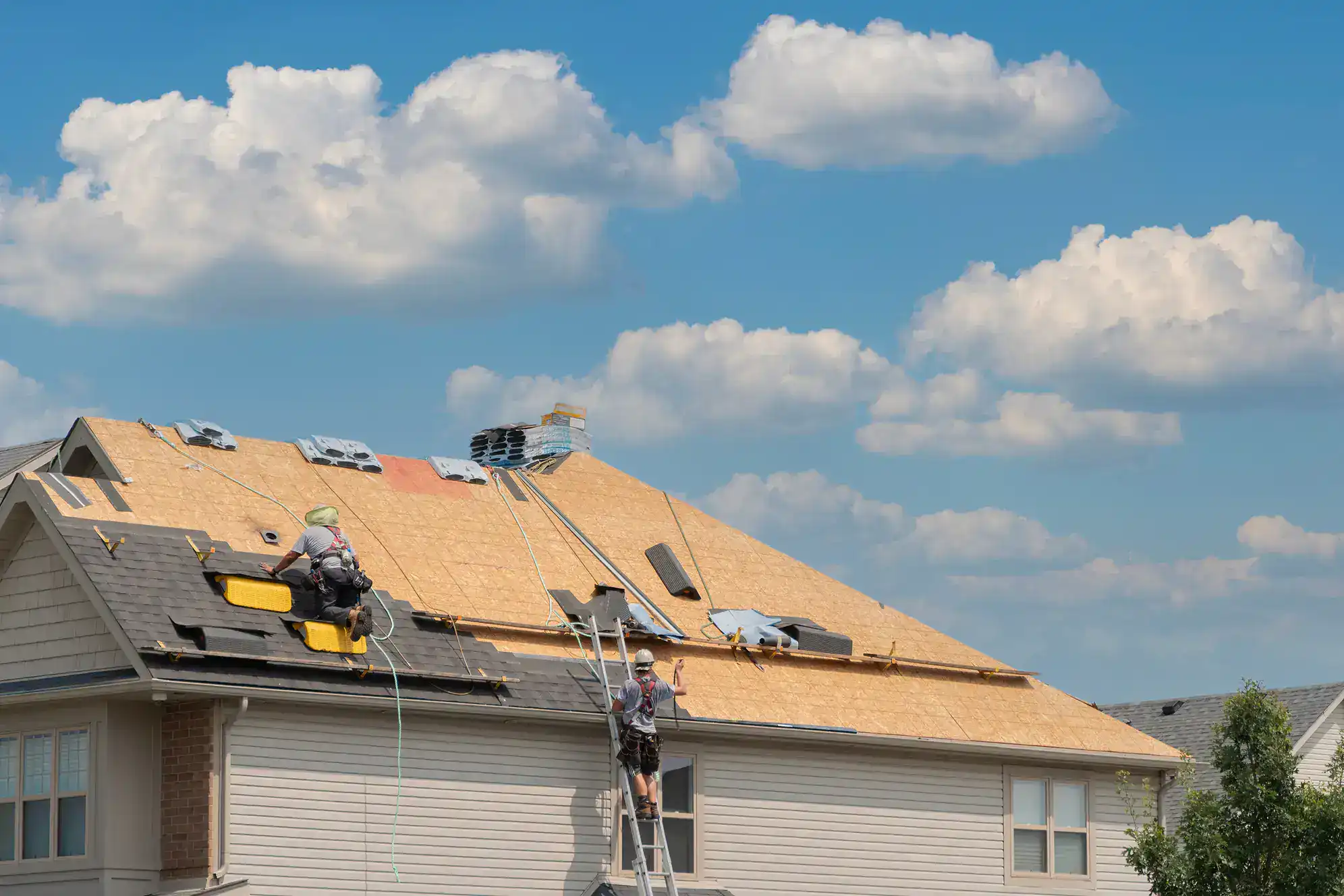
On installation day, the work follows a defined sequence: full tear-off, decking inspection and repair where needed, underlayment and ice-and-water shield installation at the eaves and valleys, then the new system laid to manufacturer spec. When our crew leaves, a magnetic nail sweep is done, plantings are protected, and the site is left clean. You’ll hear from us if anything unexpected comes up — not after the fact.
Ready to get started?
Storm Damage Roof Replacement Summit, NJ
Residential roof replacement in Summit, NJ covers the full range of what this town’s housing stock actually looks like — steep-pitched Victorians in the historic districts, post-war Colonials in the Canoe Brook Parkway neighborhood, expanded ranches in Woodland Park, and everything in between. The material options include architectural asphalt shingles, which are the most common choice for Summit’s climate, as well as specialty systems for homes with unique pitch or historic character requirements.
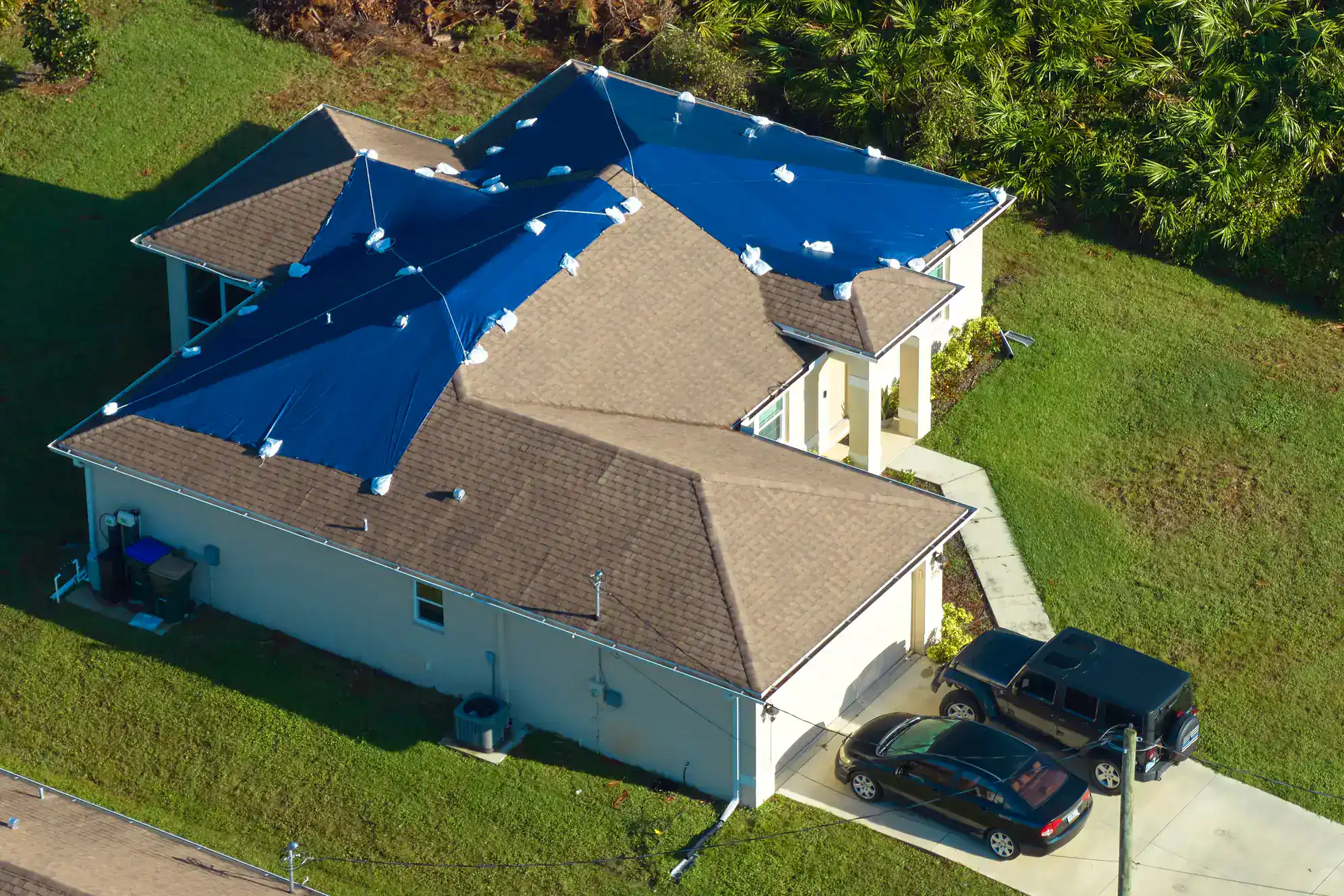
For storm damage roof replacement in Summit, NJ, we include full damage documentation — photos, written assessment, and direct coordination with your insurance adjuster if a claim is involved. Summit’s elevation on the Watchung ridge means the area sees hail on radar roughly 27 times a year and sits under severe weather warnings more than 40 times annually. Insurance claims in this town are not rare events, and having a contractor who knows how to document damage correctly can be the difference between a full replacement covered and a partial settlement that leaves you short.
We also handle commercial roof replacement in Summit, NJ for flat and low-slope systems — TPO, EPDM, and modified bitumen — serving the business and institutional properties along the Springfield Avenue corridor and near the Overlook Medical Center area. The same licensed crew, the same written estimates, and the same GAF certified roofer standards apply regardless of whether the building is residential or commercial.
Does my Summit, NJ home need a permit for a full roof replacement?
In most cases, yes. Summit’s Division of Code Administration at 512 Springfield Avenue oversees construction permitting, and a full roof replacement — particularly one involving structural decking work — typically requires a permit before work begins. We pull that permit on your behalf as a licensed contractor, so you’re not navigating the SDL Portal or the application process yourself.
There’s an additional layer worth knowing about if your home is in one of Summit’s 12 historic districts. If the replacement involves a material change — for example, moving from original slate or cedar shake to asphalt shingles — the Historic Preservation Commission may need to review and approve the project before a building permit is issued. This isn’t a dealbreaker, but it does affect your timeline, and it’s something we identify and address at the estimate stage, not discovered after the crew is scheduled.
How much does a residential roof replacement in Summit, NJ typically cost?
For most Summit homes, a full residential roof replacement falls somewhere in the $12,000 to $20,000 range — and in some cases higher, depending on the complexity of the roofline, the pitch, the material selection, and what’s found underneath once the old system comes off. Summit’s housing stock skews toward architecturally complex homes with steep pitches, multiple dormers, and detailed valleys, which adds labor time and material requirements compared to a simpler roofline in a neighboring town.
The Northeast corridor consistently runs 15 to 25 percent above national average for roofing costs, driven by labor rates and material logistics. That said, the right question isn’t just what it costs — it’s what you’re getting for it. A GAF certified installation with a documented system warranty on a home worth $1.2 million is a different calculation than the lowest bid from a contractor you can’t verify. Our written estimates break every cost variable out clearly so you know exactly what you’re paying for before anything starts.
What roofing material works best for Summit's weather and older homes?
For most Summit homeowners, architectural asphalt shingles are the practical answer — they handle the area’s four-season stress cycle well, are compatible with the steep pitches common on Summit’s Victorian and Colonial Revival homes, and come in profiles that complement historic architecture without requiring HPC approval in most cases. GAF’s higher-tier shingle lines also qualify for enhanced system warranties, which matters on a high-value property.
That said, Summit’s elevation on the Second Watchung Mountain means wind uplift is a real factor. Not all shingles are rated the same for wind resistance, and the installation method — particularly at the eaves and ridgeline — affects how the system performs in a nor’easter. Ice-and-water shield at the eaves is non-negotiable here given the town’s winter snow loads and the freeze-thaw cycle that drives ice dam formation on homes with older attic ventilation. The right material choice depends on your specific home, but those are the baseline considerations for any Summit roof.
How does the insurance claim process work for storm damage roof replacement in Summit?
When a storm causes damage to your roof, the insurance process starts with documentation — and that’s where most homeowners either get a fair settlement or get shortchanged. The damage needs to be photographed systematically, described accurately, and presented in a format that an adjuster can evaluate against your policy’s coverage language. If that documentation is incomplete or vague, the insurer has room to minimize the payout.
We walk through this process with Summit homeowners directly. That means helping document the damage before the adjuster visits, being available to meet with the adjuster on-site if needed, and making sure the scope of work in the claim reflects what actually needs to be replaced — not just what’s visually obvious from the ground. Given that Summit sits at elevated exposure on the Watchung ridge and sees hail and high-wind events regularly, storm damage claims here aren’t unusual. Having a contractor who knows how to handle the insurance side of it is a practical advantage, not a bonus feature.
What's the difference between a GAF certified roofer and a standard roofing contractor?
The practical difference comes down to what warranty you can actually receive. Any contractor can install GAF shingles, but only GAF certified contractors can offer the enhanced system warranties — specifically the System Plus and Golden Pledge warranties — that cover both materials and the installation itself. A standard shingle warranty from a non-certified installer only covers the product. If something goes wrong with the installation, that’s on you.
For Summit homeowners, this matters more than it might in a lower-stakes market. When your home is worth $1.2 million and you’re putting a new roof on it, the warranty documentation becomes part of the property’s value — it’s something a buyer’s agent will ask about, and it’s something your insurance company will want on file. GAF certification also requires that we maintain proper licensing and insurance, which filters out the unlicensed operators who flood Union County after every major storm. It’s a credentialing system that does real work, not just a logo.
How long does a full roof replacement in Summit, NJ typically take to complete?
For most single-family homes in Summit, the physical installation takes one to two days once the project is scheduled and materials are staged. That timeline can extend for larger homes — the sprawling Colonials and multi-gable Victorians common in Summit’s Northside and historic districts take longer than a simpler roofline — or if the decking inspection reveals rot or structural damage that needs to be addressed before the new system goes on.
What affects the overall timeline more than the installation itself is the front-end process: permitting through Summit’s Code Administration, any required Historic Preservation Commission review for homes in designated historic districts, material lead times, and weather windows. We give you a realistic schedule at the estimate stage and communicate proactively if anything shifts. The goal is that by the time our crew arrives, everything is already in order — permits pulled, materials staged, and the scope of work clearly defined — so the installation itself goes cleanly from start to finish.