
Roof Replacement in New Milford, NJ
New Milford Roofs Built for What the Hackensack Delivers
Hear from Our Customers
Bergen County Roof Replacement Results
New Milford isn’t a town that gets to ignore its weather. The Hackensack River has a NOAA flood gauge right here in the borough — and it’s hit nearly 12 feet during storms like Irene. When rain is coming from the ground up and the sky down at the same time, a roof that’s even halfway compromised stops being a maintenance issue and starts being a structural one.
A proper roof replacement changes that math. You stop worrying about what’s happening in your attic every time a nor’easter rolls through. You stop patching and re-patching and wondering how much longer it’ll hold. You get a system — shingles, underlayment, flashing, ventilation — that was installed correctly the first time, built to handle the freeze-thaw cycles, wind events, and heavy rain that Bergen County gets year after year.
For homeowners in New Milford, where the median property value is pushing $580,000, that’s not a luxury. It’s protecting an investment that took years to build. A quality roof replacement done right is one of the few home improvements that pays you back in reduced risk, lower insurance exposure, and the peace of mind that comes from knowing your home is actually protected.
GAF Certified Roofer in New Milford, NJ
We’ve been doing roofing work in New Milford and Bergen County for over 17 years. Not as a franchise. Not as a storm-chasing crew that showed up after Ida and moved on. As a family-run operation that built our reputation one job at a time, through referrals and reviews — the kind of growth that only happens when the work actually holds up.
We hold GAF manufacturer certification, which isn’t just a logo on a website. It’s what allows us to offer GAF’s enhanced system warranties — covering both materials and workmanship in a single written document. That’s the warranty that means something when you’re sitting on a $580,000 home along the Hackensack River corridor in New Milford and you need to know your roof is backed by more than a handshake.
New Milford homeowners also benefit from something specific to this borough: residential roof replacement on one- and two-family homes here doesn’t require a permit. That means no waiting on municipal approvals, no scheduling delays — just a clean, efficient process from inspection to completion.
Residential Roof Installation in New Milford, NJ
It starts with a free inspection. Someone comes out, gets on the roof, and gives you an honest read — granule loss, flashing condition, decking integrity, ventilation. If repair is the right answer, you’ll hear that. If replacement is what’s needed, you’ll see exactly why, with documentation you can use for your own records or your insurance claim.
From there, you get a written, itemized estimate. Every material is specified. Every line item is explained. If there’s a chance the crew finds rotted decking once the old shingles are off — which happens frequently in mid-century homes like most of New Milford’s housing stock — that contingency is addressed in advance, not sprung on you mid-job.
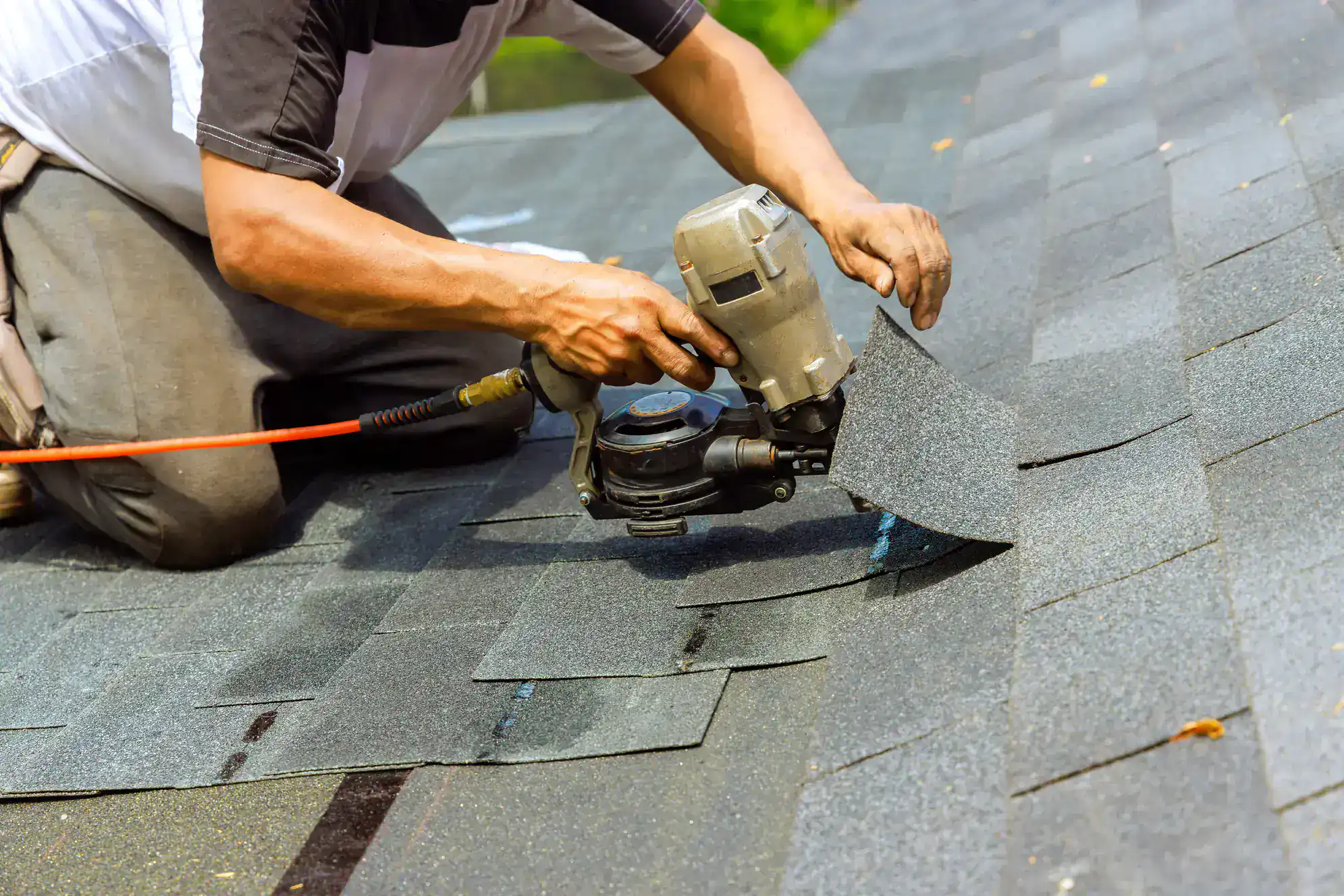
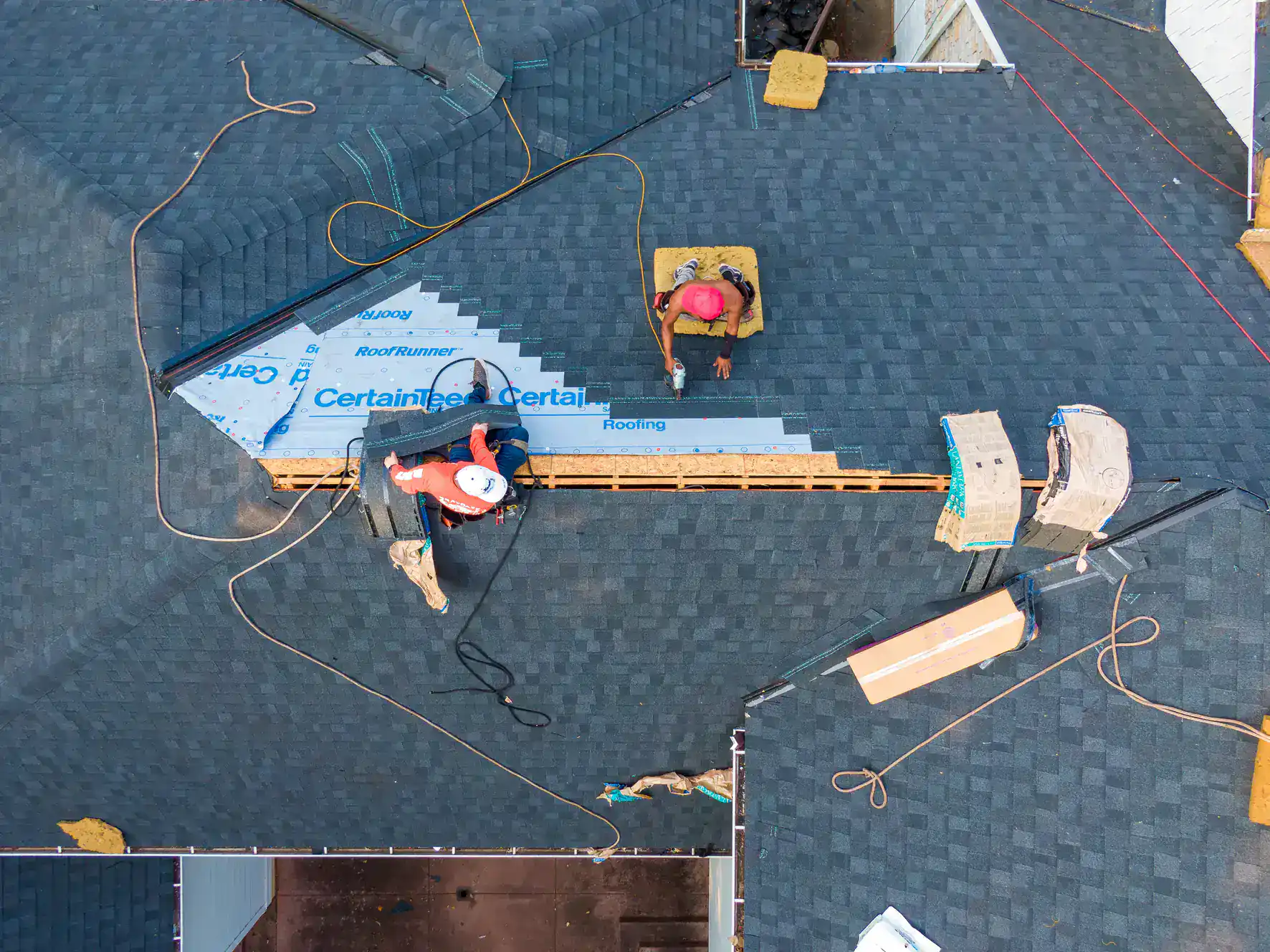
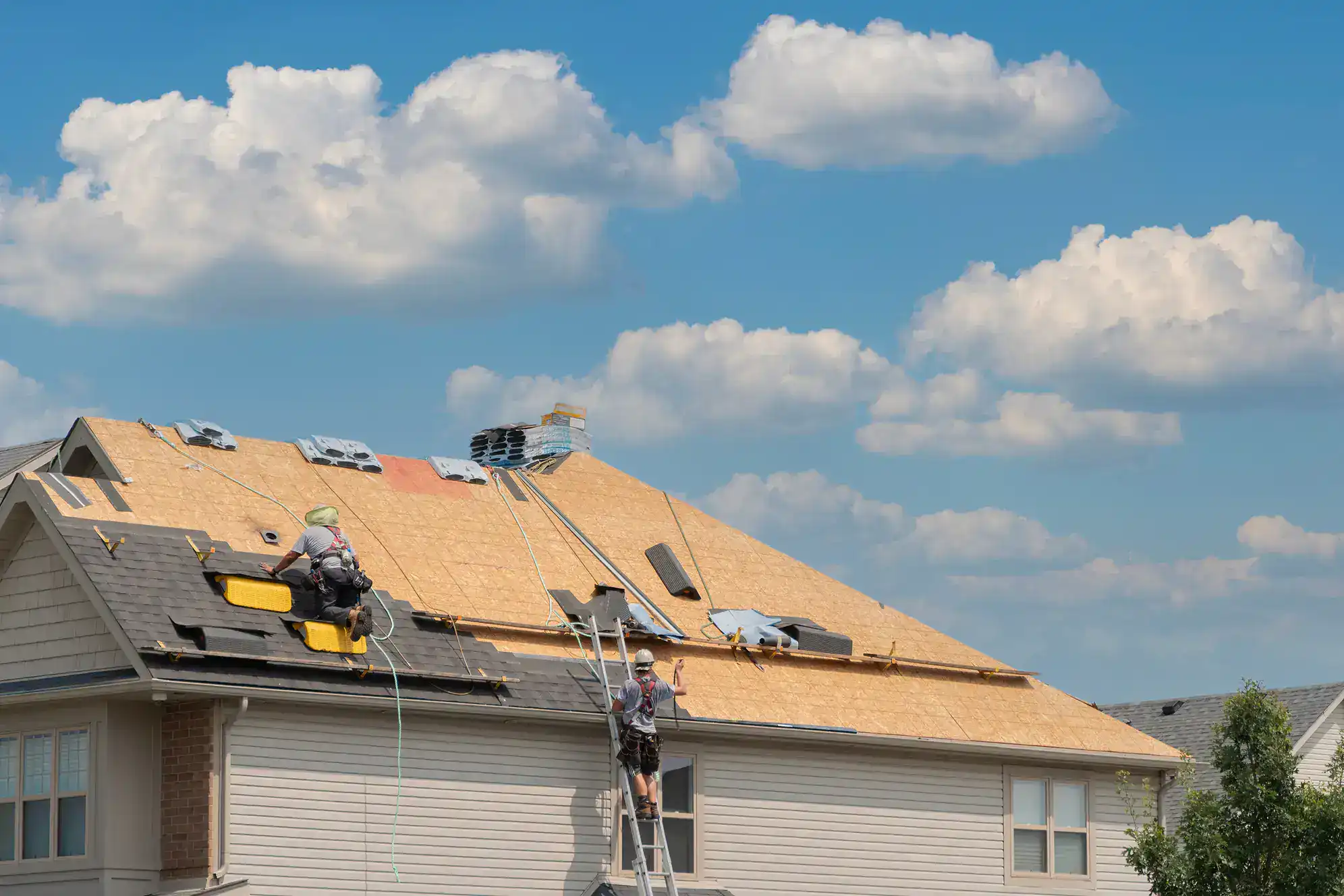
When the work starts, it’s a full tear-off. The old roofing comes down completely, the decking gets inspected and repaired where needed, and the new system goes on clean — ice and water shield, underlayment, drip edge, shingles, and properly sealed flashing at every valley and penetration. When the crew leaves, we run a magnetic sweep for nails. The job site gets cleaned up. And you get a roof that’s actually built to last through whatever the Hackensack River corridor throws at it next.
Ready to get started?
Storm Damage Roof Replacement in New Milford, NJ
Most of New Milford’s residential neighborhoods are made up of single-family homes built in the mid-20th century — which means a significant portion of the borough’s roofs are at or well past their replacement threshold. Architectural asphalt shingles are the standard for these homes, and when installed correctly with proper ice and water shield and ridge ventilation, they’re built to handle Bergen County’s seasonal range. We handle residential roof replacement and residential roof installation across New Milford’s established neighborhoods, from the streets near New Bridge Landing along the river to the denser blocks closer to the Main Street corridor.
For commercial and mixed-use properties along River Road and Main Street in New Milford, flat and low-slope roofing is a different conversation entirely. TPO and EPDM membrane systems are the standard for these applications, and they require a contractor who actually knows flat roofing — not one who dabbles in it. Commercial roof replacement in New Milford does require standard NJ permitting and code compliance, and we handle that process as part of the job.
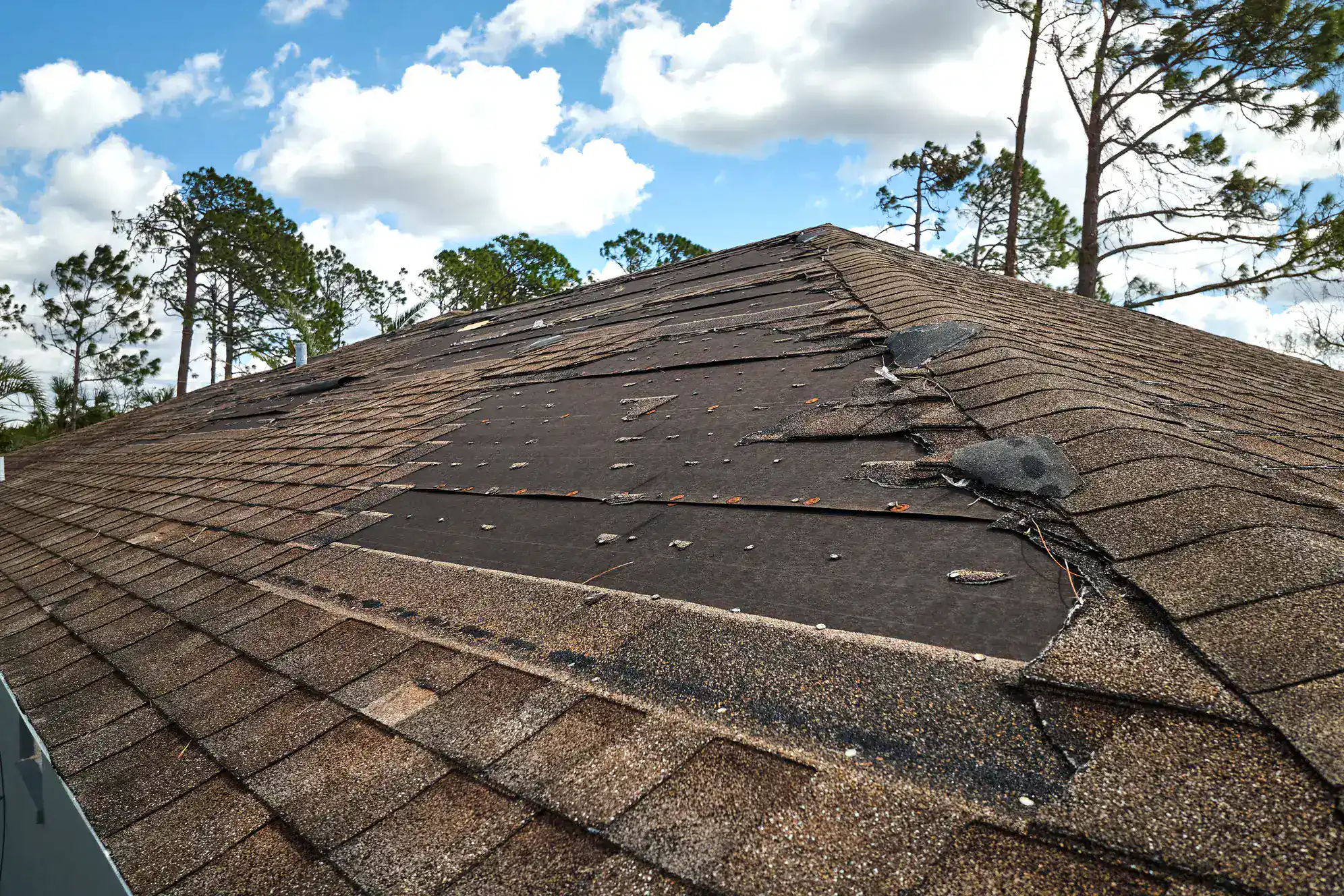
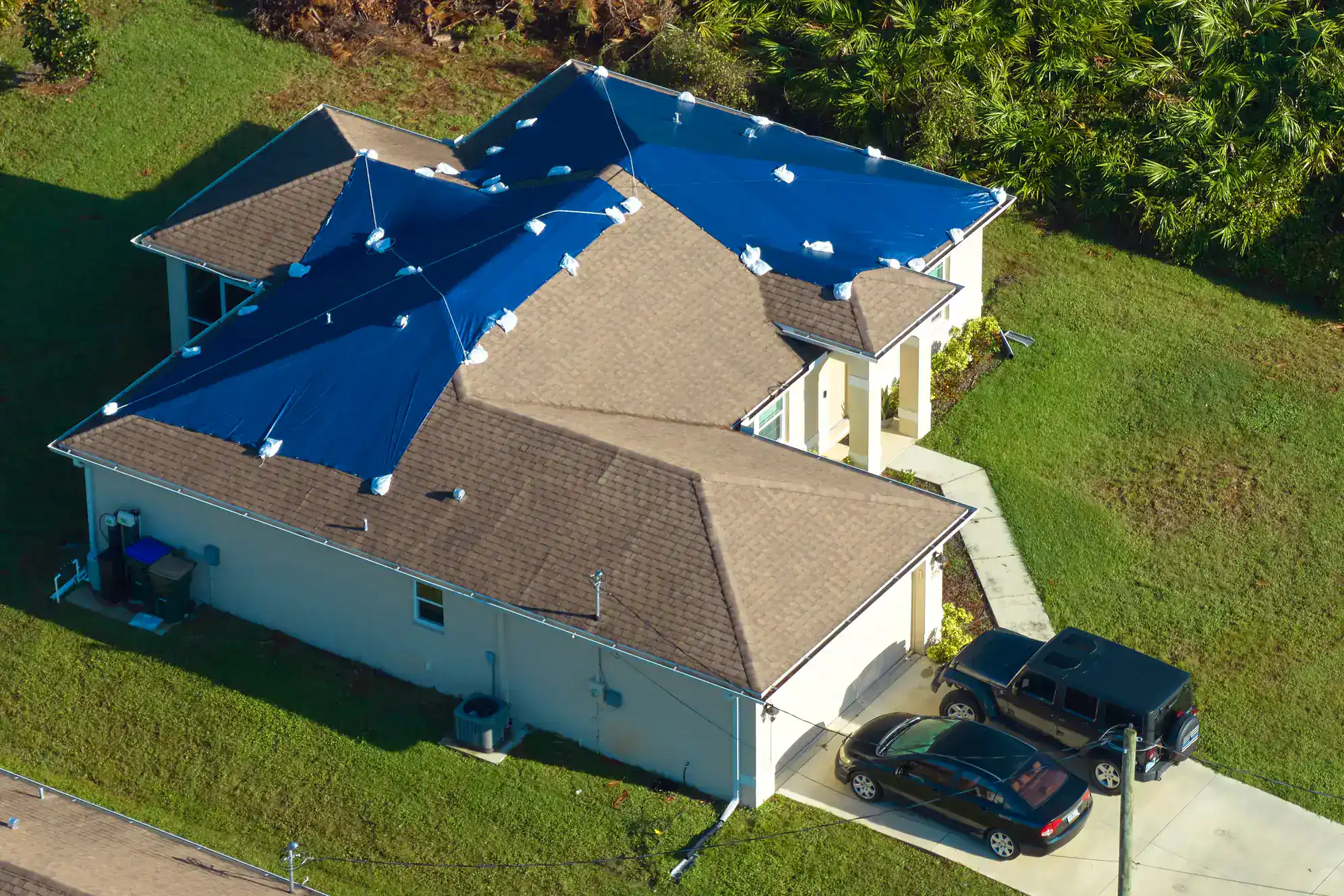
Storm damage roof replacement is its own category. If your roof took a hit from wind, hail, or a nor’easter and you’re dealing with an insurance claim, the documentation process matters as much as the installation itself. We help New Milford homeowners navigate that — proper damage assessment, adjuster communication, and making sure you’re getting the replacement your policy actually covers.
Do I need a permit for roof replacement in New Milford, NJ?
For residential properties — specifically one- and two-family homes — New Milford does not require a permit for roof replacement. That’s a borough-specific rule that sets New Milford apart from several surrounding municipalities in Bergen County where permits are required before work can begin. What it means practically is that there’s no waiting on municipal approval, no inspection scheduling delay, and no administrative back-and-forth holding up your project.
For commercial properties in New Milford, the standard NJ Uniform Construction Code requirements do apply, and permits are required. Construction fees for commercial work are computed at $20 per $1,000 of estimated cost. If you’re unsure which category your property falls into, we can clarify that during the free inspection — before anything is scheduled or signed.
How do I know if my roof actually needs full replacement versus a repair?
This is the right question to ask, and the honest answer is that it depends on what’s happening beneath the surface — not just what you can see from the ground. Curling shingles, missing granules, and visible damage after a storm are obvious signs. But the more telling indicators are what’s happening at the flashing, in the valleys, and on the decking underneath. In older homes — and most of New Milford’s housing stock dates back to the mid-20th century — it’s common to find decking that has absorbed water over years of small leaks, even when the roof looks passable from street level.
A repair makes sense when the damage is isolated and the rest of the roof has meaningful life left. Replacement makes sense when the damage is widespread, when the shingles are past their performance window, or when repeated repairs are costing more than a new roof would over the next five years. Our free inspection is designed to give you that honest assessment — not to push you toward replacement if repair is the smarter call.
What does a GAF certified roofer actually mean for my warranty in New Milford?
GAF certification means the contractor has met GAF’s requirements for licensing, insurance, and installation training — and has been verified, not just self-reported. But the reason it matters for you as a homeowner is what it unlocks on the warranty side. A GAF certified contractor can offer enhanced system warranties that cover both the materials and the workmanship under a single written document. A non-certified contractor can only offer GAF’s standard material warranty, which covers the shingles — but not the installation itself.
That distinction is significant. Most roof failures don’t happen because the shingles were defective. They happen because of installation errors — improper flashing, inadequate underlayment, missed sealing at penetrations. A workmanship warranty is what actually protects you against those outcomes. In New Milford, where homes face real storm exposure from the Hackensack River corridor and nor’easters that test every detail of an installation, having that warranty in writing is worth understanding before you sign any contract.
How does storm damage roof replacement work with my homeowner's insurance in New Milford?
The process starts with documentation. Before your insurance company will approve a replacement claim, they need evidence of storm-caused damage — not just general wear. That means photos, inspection reports, and in many cases a contractor’s written assessment that ties specific damage to a specific weather event. New Milford’s storm history is well-documented — the borough’s Hackensack River flood gauge has recorded major crests during events like Hurricane Irene and the April 2007 storm — which can support the timeline of damage when you’re working through a claim.
Once documentation is in order, an adjuster will come out to assess. Having a contractor who understands the claims process — and who can communicate directly with the adjuster about what they’re seeing — makes a real difference in the outcome. We’ve worked through this process with Bergen County homeowners repeatedly and know how to make sure the assessment reflects the actual scope of damage, not a minimized version of it. You shouldn’t have to fight that process alone.
How long does a roof replacement take for a typical New Milford home?
For a standard single-family home in New Milford — the kind of mid-century colonial or cape that makes up most of the borough’s residential neighborhoods — a full roof replacement typically takes one to two days once the crew is on site. That includes the full tear-off, decking inspection and any necessary repairs, and complete installation of the new roofing system. Larger or more complex rooflines can extend that timeline, and if significant decking damage is found during tear-off, that adds time as well.
Because New Milford doesn’t require a permit for residential roof replacement on one- and two-family homes, there’s no waiting period between signing a contract and scheduling the work. The process moves from free estimate to scheduled installation without the administrative delays that homeowners in some neighboring municipalities deal with. Weather is the main variable — roofing crews don’t work in rain or high wind — so scheduling around Bergen County’s weather patterns is part of how we plan projects, particularly in the spring and fall windows when demand is highest.
What roofing materials hold up best against Bergen County's weather conditions?
For New Milford specifically, the material question comes down to what the roof actually has to survive: freeze-thaw cycles through the winter, heavy snow loads from nor’easters, summer hail events that strip granules, and the kind of sustained wind and rain that comes with tropical storm remnants moving up the coast. Architectural asphalt shingles — particularly higher-grade impact-resistant options — are the practical standard for most of New Milford’s residential homes. They’re designed for the Northeast’s seasonal range, they carry strong manufacturer warranties when installed by a certified contractor, and they perform reliably on the pitched rooflines common throughout the borough.
Ice and water shield underlayment is not optional in this climate — it’s what protects the decking at the eaves and valleys where ice dams form during freeze-thaw cycles. Proper ridge and soffit ventilation matters equally, because an attic that can’t breathe creates the temperature differentials that cause ice dams in the first place. For flat or low-slope commercial roofs in New Milford, TPO membrane systems are the current standard — they handle standing water better than older materials and hold up well under the UV exposure and temperature swings Bergen County sees across a full year.