
Roof Repair in Hackensack, NJ
Bergen County Winters Don't Wait — Neither Should Your Roof
Hear from Our Customers
Roof Leak Repair in Hackensack, NJ
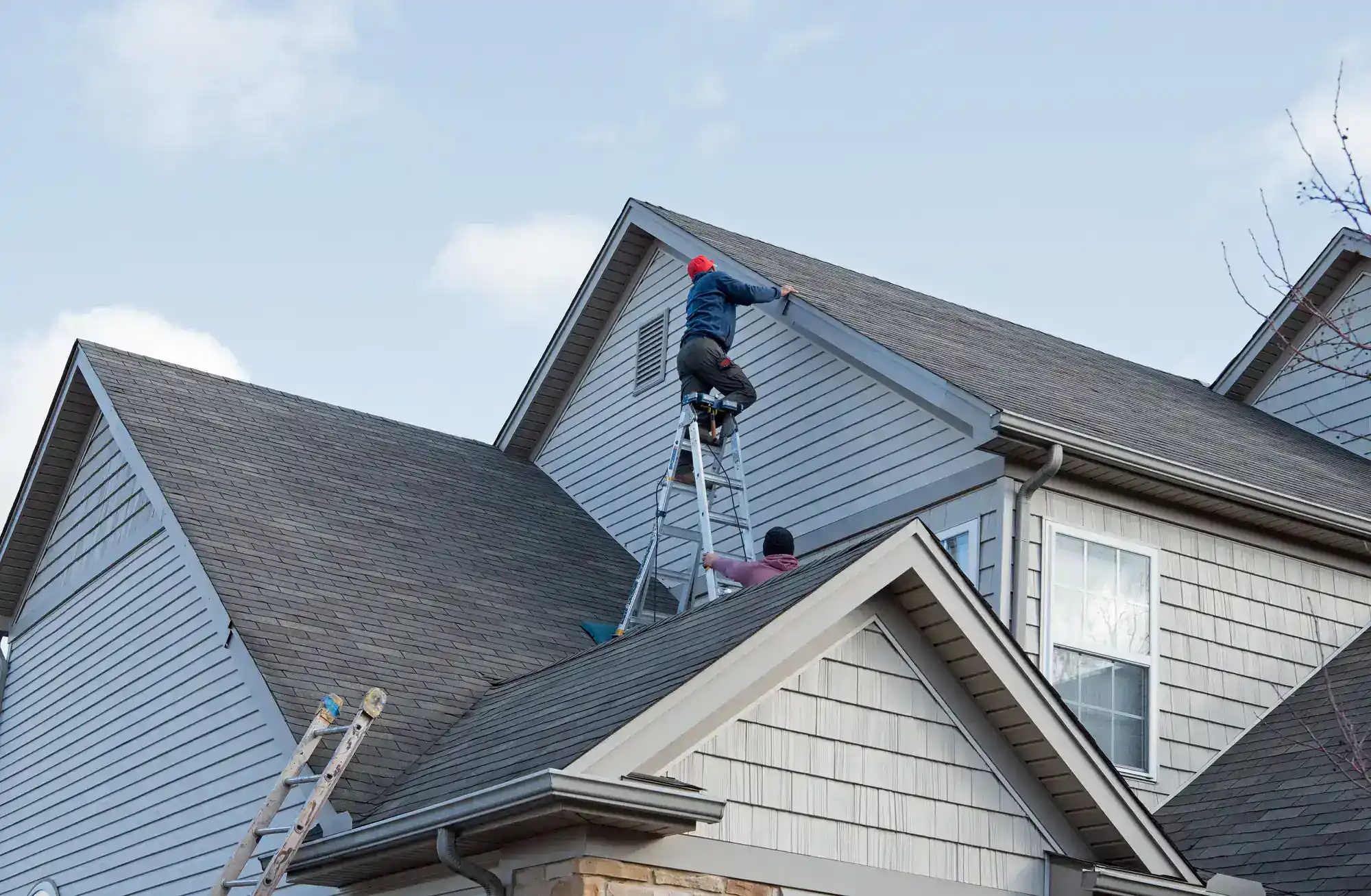
Hackensack takes a beating every season. Nor’easters load ice at your eaves. Summer storms strip shingles and lift flashing. Then fall arrives and the whole cycle starts over. Most homeowners don’t realize how much quiet damage has built up until water is already coming through the ceiling.
A properly repaired roof isn’t just dry — it’s stable. You stop worrying every time the forecast calls for rain. You’re not watching a ceiling stain to see if it grows. That peace of mind is real, and it starts with knowing exactly what’s wrong and what it actually takes to fix it.
Hackensack’s older residential neighborhoods — including the two-family homes throughout the city and the stately properties along Summit Avenue — carry a lot of aging roofing stock. Many of those roofs have been patched over the years without ever being fully assessed. If yours is one of them, a free inspection is the fastest way to find out where you actually stand before the next storm makes the decision for you.
Roof Repair Contractor in Hackensack, NJ
We’ve been doing exterior work across Bergen County for over ten years. That includes homes near Hackensack University Medical Center, older two-families in Hackensack’s established neighborhoods, and properties along the corridors that see the worst of what New Jersey weather delivers. This isn’t a team that showed up after the last big storm and will be gone before the next one.
We’re family-operated, which means the people responsible for your estimate are the same people accountable for the finished job. No commissioned sales rep handing you off to a subcontracted crew. No vague timelines and unreturned calls. You get licensed, insured contractors with manufacturer certifications from major shingle brands — credentials that fewer than 3% of U.S. roofing contractors earn — and a written estimate that means what it says.
Roof Repair Estimate in Hackensack, NJ
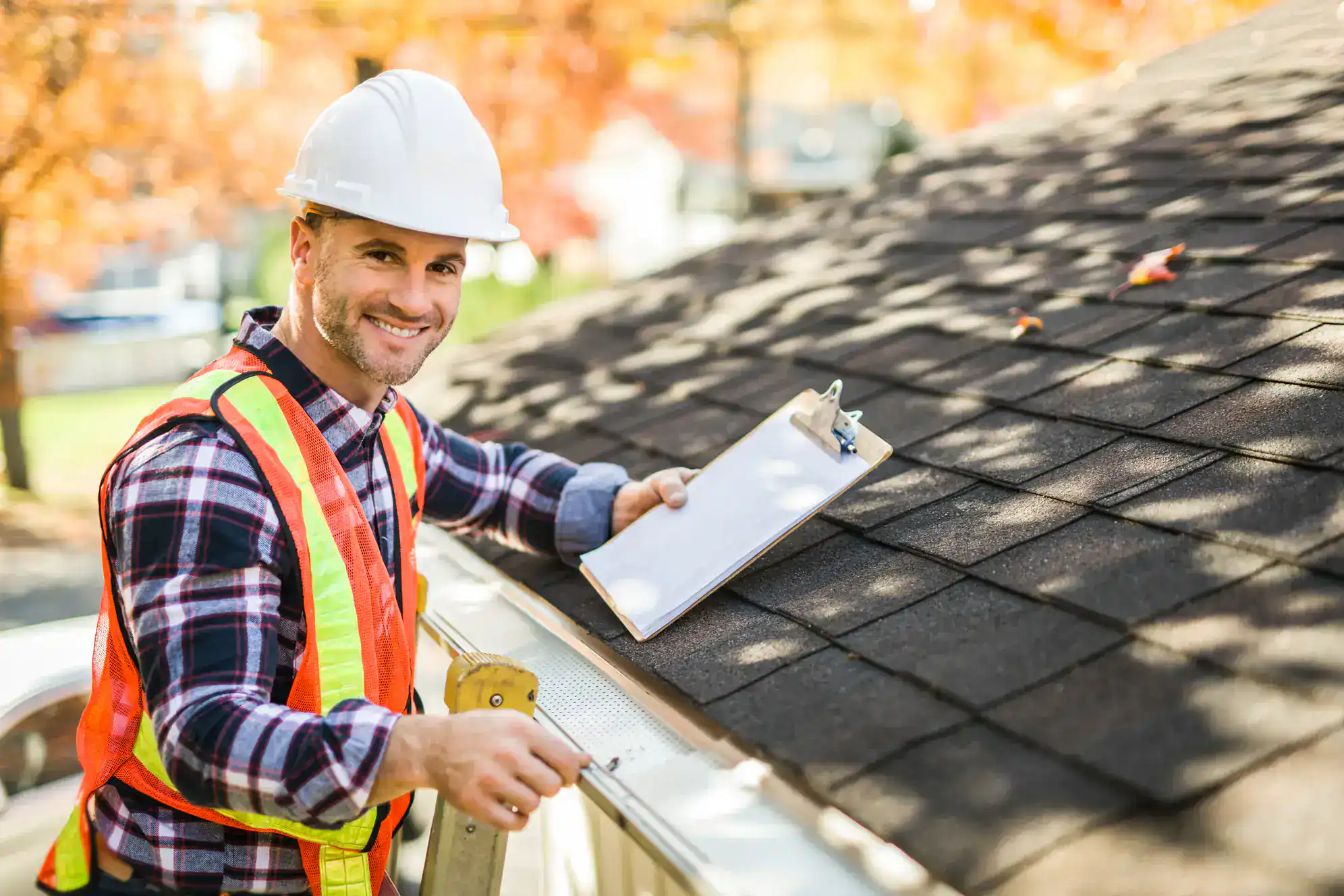
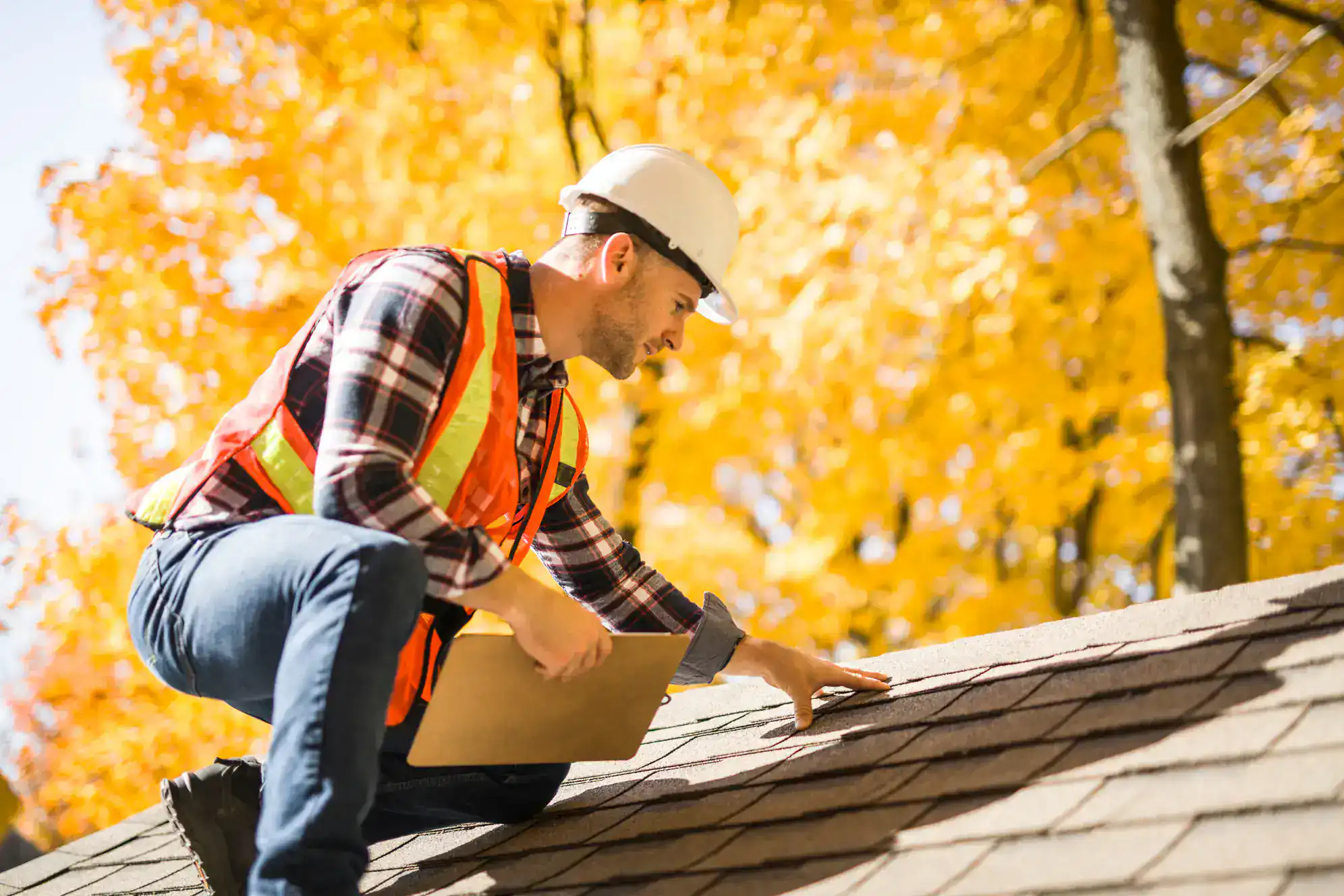
It starts with a free roof inspection. A licensed contractor comes out, gets on the roof, and gives you a real assessment — not a sales pitch. We’re looking at shingles, flashing, decking, gutters, and any areas where water could be getting in or building up. For homes near the Hackensack River or in lower-lying parts of the city, that also means checking for signs of moisture stress that flat or low-slope roof sections tend to accumulate over time.
After the inspection, you get a written estimate with a clear scope of work and a fixed price. If the job requires a permit through Hackensack’s Department of Building, Housing, and Land Use — which roof replacements typically do under New Jersey’s Uniform Construction Code — we handle that process without putting the administrative burden on you.
Once the work is approved and scheduled, our crew shows up, completes the repair, and cleans up completely before leaving. In Hackensack’s tightly-spaced neighborhoods, that means a magnetic nail sweep, full debris removal, and a final walkthrough. No nails in the driveway. No shingle scraps left along the fence line. Just a repaired roof and a clean property.
Ready to get started?
Shingle and Flat Roof Repair in Hackensack, NJ
Hackensack’s housing mix is different from most Bergen County towns. You’ve got pitched shingle roofs on single-family homes, flat or low-slope sections on older two-family buildings, and everything in between. Each one has its own failure points, and each one needs a contractor who actually knows the difference — not someone who handles flat roofs the same way they handle pitched ones and wonders why the repair fails by spring.
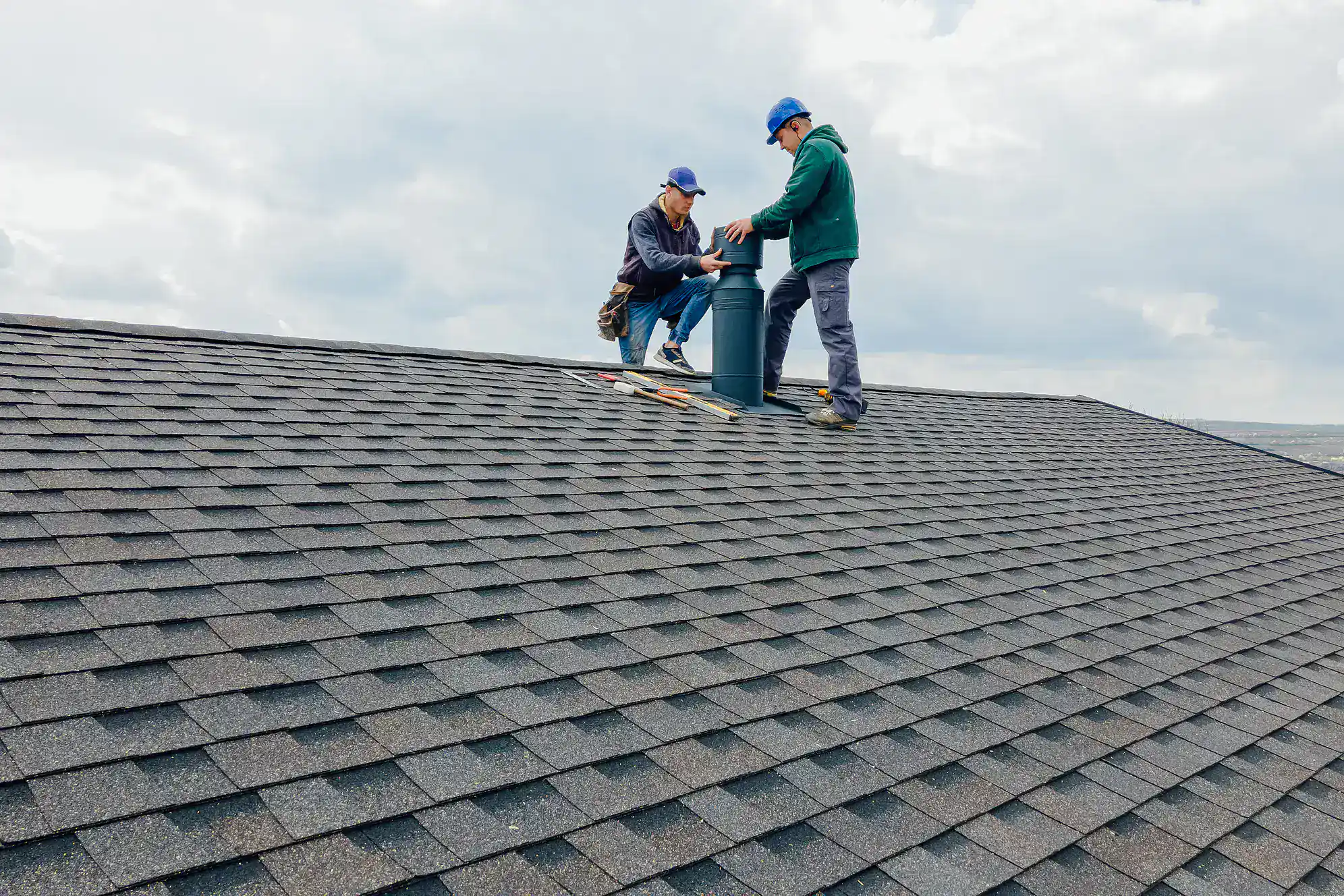
For shingle roofs, our work covers missing or damaged shingles, cracked flashing around chimneys and vents, granule loss from hail or age, and ice dam damage along the eaves — all common in Hackensack after a hard Bergen County winter. For flat or low-slope roofs, the focus shifts to membrane integrity, ponding water, and seam failures that let moisture work its way into the structure over time. We also offer emergency roof repair when you’re dealing with an active leak and can’t wait for a scheduled appointment.
Every repair comes with a written scope, manufacturer-certified materials where applicable, and the same standard of workmanship whether it’s a two-shingle patch or a full section replacement. Storm damage repair includes documentation support if you’re filing a homeowners insurance claim — because navigating that process on your own, especially after a significant weather event, is a lot harder than it should be.
Does roof repair in Hackensack, NJ require a permit from the city?
It depends on the scope of work. Minor repairs — replacing a handful of shingles, resealing flashing, patching a small section — typically don’t require a permit in New Jersey. But if the repair crosses into a significant portion of the roof or involves structural decking, Hackensack’s Department of Building, Housing, and Land Use at 410 Railroad Avenue will likely require one under the New Jersey Uniform Construction Code.
This matters more than most homeowners realize. Unpermitted work can complicate a home sale, create issues with your insurance company, and leave you personally liable if something goes wrong down the road. When a permit is required, we handle the submission process — you don’t have to figure out what forms to file or which division to contact. It gets done as part of the job.
How do I know if I need a repair or a full roof replacement?
The honest answer is that it depends on the age of your roof, how widespread the damage is, and what’s underneath the shingles. A repair makes sense when the damage is localized — a few missing shingles after a storm, a flashing failure around a chimney, a section that took a hit from a fallen branch. Replacement becomes the smarter financial decision when the roof is 20 or more years old, when granule loss is widespread, or when a repair would only be addressing the visible symptom of a deeper problem.
In Hackensack, a lot of the older residential housing stock — particularly the two-family homes and pre-war single-family neighborhoods — is sitting on roofs that have been patched multiple times. At some point, another patch doesn’t solve the problem; it just delays the inevitable and can actually cost more in the long run. The free inspection is specifically designed to give you a straight answer on which situation you’re actually in, without any pressure to go bigger than what’s warranted.
What does emergency roof repair in Hackensack, NJ actually cover?
Emergency roof repair is for situations where water is actively getting in and you can’t wait for a standard appointment. That means an active leak during or after a storm, a section of roof that’s been visibly damaged by wind or a fallen tree limb, or any condition where the structure is exposed to the elements right now.
The first priority in an emergency is stopping the damage from spreading. That typically starts with tarping the affected area to create a waterproof barrier while a permanent repair is planned. From there, the scope gets assessed and the actual repair is scheduled as quickly as possible. In Hackensack — where many homes sit close together and older two-family structures can have shared roof sections — an active leak isn’t just your problem. It can affect tenants or neighboring units fast, which is why response time matters more here than in a quieter suburban town.
Will my homeowners insurance cover roof storm damage repair costs?
Most standard homeowners insurance policies cover roof damage caused by a sudden weather event — wind, hail, a falling tree. What they typically don’t cover is damage from deferred maintenance or gradual deterioration. The line between the two isn’t always obvious, and insurance adjusters are trained to identify pre-existing conditions that shift the cost back to the homeowner.
This is where having detailed documentation matters. A written damage assessment with photos taken before any repair work begins gives your claim the strongest possible foundation. We provide that documentation as part of the storm damage repair process — not as a favor, but because it’s the right way to handle the job. Bergen County has seen significant storm events in recent years, and homeowners who went through the claims process after Superstorm Sandy know firsthand how much easier it is when the paperwork is done correctly from the start.
How much does roof repair typically cost in Hackensack, NJ?
Roof repair costs in Hackensack vary depending on what’s actually wrong. A minor shingle repair or flashing fix can run anywhere from $300 to $600. More involved repairs — replacing a larger section of shingles, addressing ice dam damage along the eaves, or repairing a flat roof membrane — typically fall in the $800 to $2,500 range depending on materials and scope. Full section replacements on older two-family homes with flat roof portions can run higher.
What drives cost up in Hackensack specifically is the mix of roof types. Flat and low-slope roofs require different materials than standard pitched shingle roofs, and the labor involved is different too. The best way to get a real number is through the free inspection — because a quote given over the phone without seeing the roof is rarely accurate, and an inaccurate quote just means a surprise on invoice day. Our written estimates are fixed: the price in the estimate is the price you pay.
How do I find a licensed, certified roof repair contractor in Bergen County?
Start by verifying that the contractor is registered with the New Jersey Division of Consumer Affairs under the Home Improvement Contractor program — this is a legal requirement in NJ, and any contractor who can’t provide their registration number is a red flag. Beyond that, look for manufacturer certifications from major shingle brands. These aren’t easy to get: they require demonstrated installation quality, maintained insurance, and ongoing compliance. A certified contractor can offer manufacturer-backed warranty coverage on materials that an uncertified one simply cannot.
In Bergen County, the volume of roofing contractors advertising after a storm makes this harder than it should be. Out-of-area operators flood the market, offer low estimates, and often disappear once the check clears. A contractor with ten or more years of documented local history, verifiable credentials, and real customer reviews from Hackensack and surrounding areas is a much safer bet than whoever knocked on your door the week after the last nor’easter.