
Gutter Installation in Tenafly, NJ
Tenafly's Hills Don't Forgive a Failing Gutter System
Hear from Our Customers
Rain Gutter Installation in Tenafly, NJ
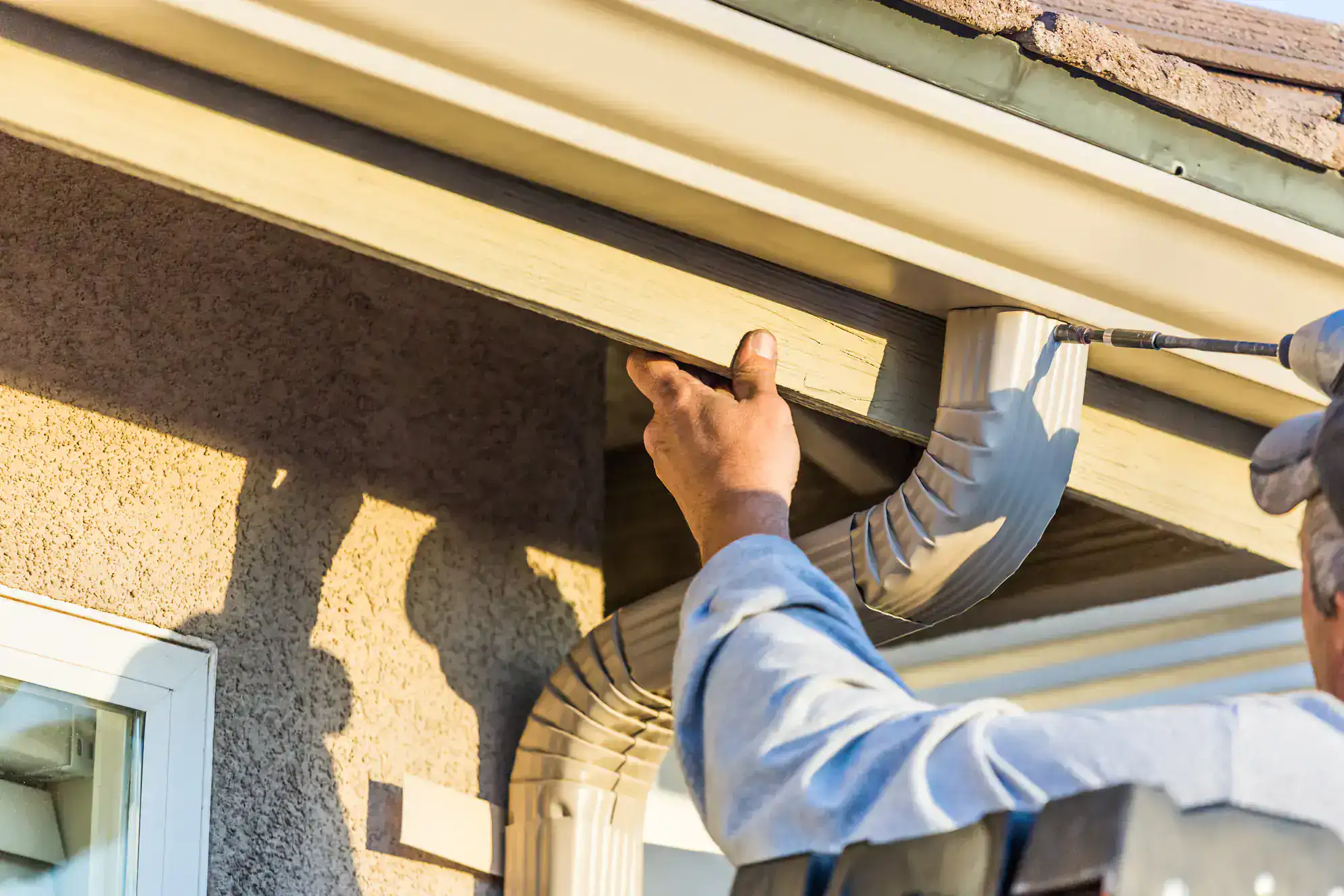
A properly installed gutter system is one of the most protective investments you can make on a Tenafly home. It’s not a cosmetic upgrade — it’s the difference between water moving safely away from your structure and water finding its way into your basement, behind your siding, or underneath your roof edge. When the system works, you don’t notice it. When it doesn’t, the repair bills remind you fast.
Tenafly’s terrain makes this more urgent than most towns. The neighborhoods that rise toward the Palisades — especially the East Hill — sit on slopes where stormwater accelerates before it even reaches your roofline. That means your gutters are handling more volume, more force, and more stress than a standard flat-lot installation is designed for. Getting the sizing right, the slope right, and the downspout placement right isn’t optional here. It’s the whole job.
The mature oak and maple canopy throughout Tenafly — fed by the nearly 400 acres of wooded preserve at the Tenafly Nature Center — means leaf load is relentless from September through November. Gutters that aren’t sized and guarded for that reality will clog, back up, and set the stage for ice dam formation the moment temperatures drop. A gutter system that’s actually built for this property, on this street, in Tenafly, protects everything downstream — and that includes a home that’s likely worth close to a million dollars or more.
Gutter Contractors in Tenafly, NJ
We’ve been working on exterior systems across Bergen County and northern New Jersey for over ten years. That’s not a number we throw out casually — it means we’ve seen what NJ winters do to fascia boards, what Bergen County summers do to undersized downspouts, and what happens when a gutter contractor installs a system without ever looking at the roof above it or the foundation below it.
We’re a licensed NJ home improvement contractor (License #13VH10605800) with manufacturer certifications that back the warranties we offer — not just verbal promises. When we come to your Tenafly home for a free inspection, we’re not just looking at the gutters. We’re checking the fascia condition, the roof edge, the downspout discharge points, and whether the whole exterior system is set up to protect the structure the way it should be.
That’s a different conversation than most gutter contractors will have with you. And for homeowners in Tenafly — where the stakes are high and the tolerance for contractors who cut corners is zero — it tends to matter.
Home Gutter Installation in Tenafly, NJ
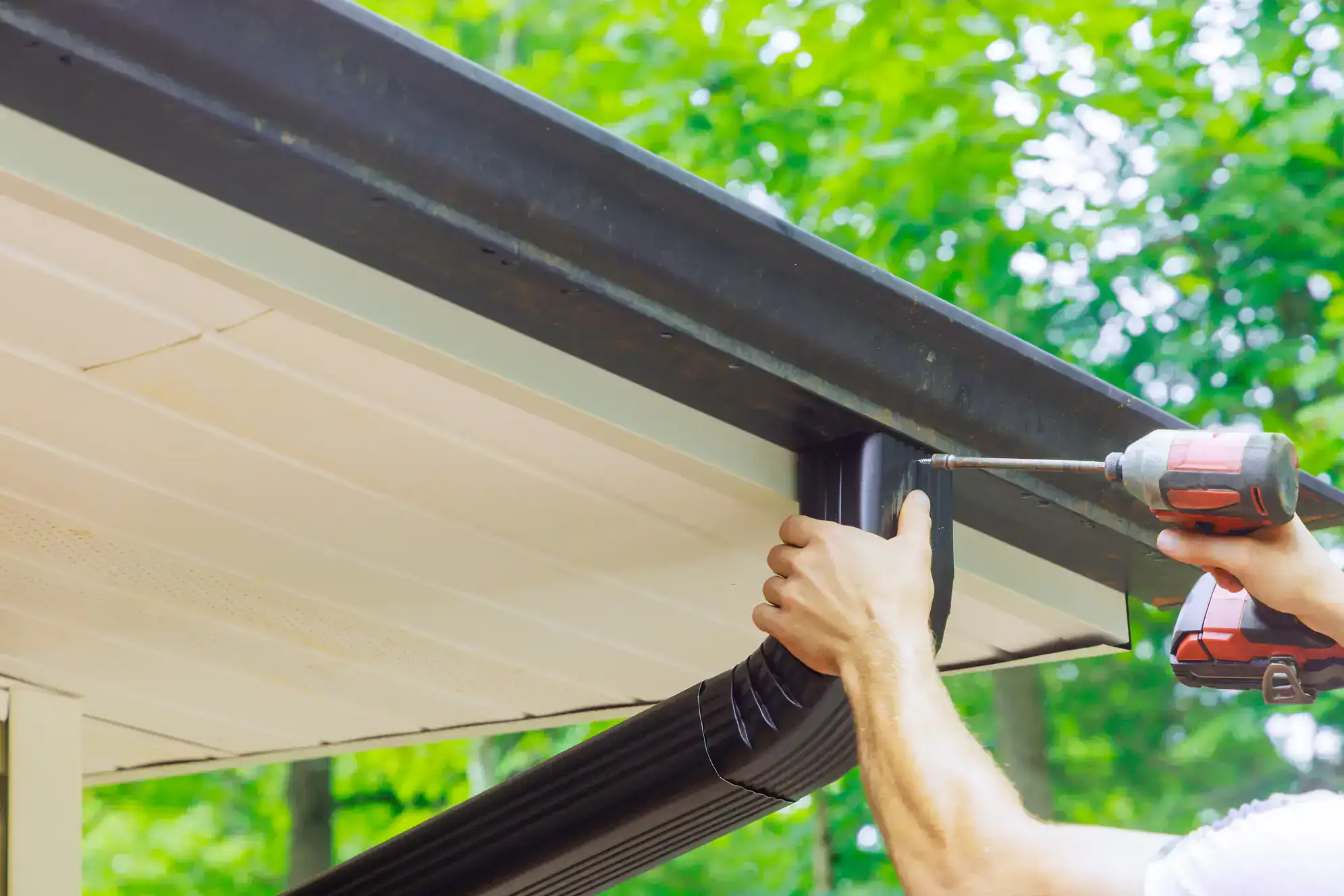
It starts with a free inspection. We come to your property, walk the roofline, and evaluate the full picture — not just the gutters you can see from the driveway. We’re checking fascia condition, existing gutter slope, downspout sizing relative to your roof’s square footage, and how water is currently discharging at ground level. If we find rotted fascia behind the gutters — which is common on Tenafly homes built in the mid-20th century — we tell you before we start, not after.
Once the scope is clear, you get a written estimate with a specific number. No ranges, no “it depends” invoices at the end. If anything changes during the job, we call you first. From there, we fabricate your seamless aluminum gutters on-site using a mobile machine, cut to the exact length of each run on your specific roofline. No pre-cut sections pieced together with seams that will separate in three winters.
For most standard gutter replacements in Tenafly, a building permit isn’t required under the NJ Uniform Construction Code — it’s classified as ordinary maintenance and repair. If your project involves structural fascia work that changes the scope, we’ll walk you through what the Tenafly Building Department requires before anything gets started. The goal is a clean, fully documented job with no surprises on either end.
Ready to get started?
Roof Gutter Installation in Tenafly, NJ
Every gutter installation we do in Tenafly is built around the specific demands of that property. We calculate the correct gutter profile and downspout size based on actual roof square footage and pitch — not defaulting to a 2×3 downspout because that’s what fits in the truck. For homes on the East Hill or in the hillside neighborhoods near the Palisades, we account for the accelerated runoff that comes with sloped terrain. For homes under heavy tree canopy near the Lost Brook Preserve or along the wooded residential streets throughout Tenafly, we have a direct conversation about gutter guard options and what maintenance interval is realistic given your specific leaf load.
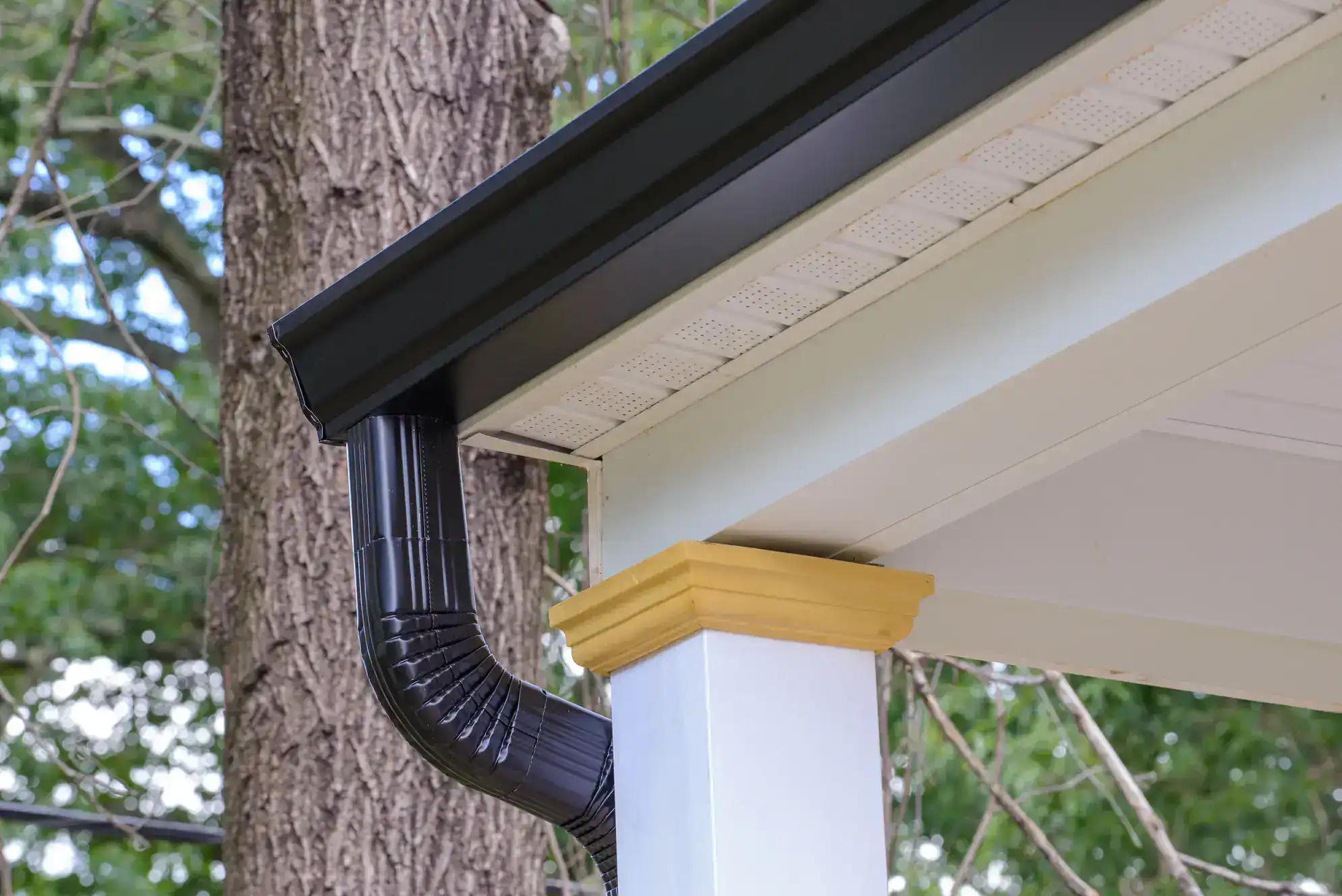
The material is seamless aluminum — the right call for NJ’s freeze-thaw cycles, the right call for a roofline that needs to shed water efficiently for the next twenty years. We also inspect and replace fascia boards where needed, so the system is mounted on sound structure from day one. Downspout extensions are positioned to discharge water well away from your foundation — particularly important for Tenafly homes where the combination of hillside runoff and high property values makes foundation protection a non-negotiable.
If your gutters were damaged in a storm event — like the flash flooding Tenafly saw in July 2025 — we work directly with insurance companies to document the damage and help you get the coverage you’ve been paying for. You shouldn’t have to fight that process alone.
Do I need a permit for gutter installation in Tenafly, NJ?
In most cases, no. Standard gutter replacement on an existing residential structure falls under ordinary maintenance and repair under the New Jersey Uniform Construction Code, which means a building permit typically isn’t required. That applies to the majority of full gutter replacements we do in Tenafly — swapping out an old sectional or failing seamless system for a new one, including downspout replacement and minor fascia work.
Where it gets more nuanced is if the project involves significant structural changes to the fascia, soffit, or roof edge. If that’s the case, the Tenafly Building Department may require a permit depending on scope. We review this during the inspection phase so there are no surprises mid-project. Also worth knowing: all contractors performing home improvement work in Tenafly are required to hold a current NJ Home Improvement Contractor registration from the NJ Division of Consumer Affairs — that’s a statewide requirement, and it’s the first thing you should verify before hiring anyone.
How much does gutter installation cost for a home in Tenafly?
Seamless aluminum gutter installation in NJ typically runs in the range of $8 to $28 per linear foot installed, and a full replacement on a typical Tenafly single-family home generally falls somewhere between $1,500 and $4,500 depending on size and complexity.
Tenafly’s housing stock skews toward larger colonials, Tudors, and custom homes with more complex rooflines than you’d find in a denser suburban borough — which can affect both linear footage and the number of downspouts needed. Our free inspection isn’t a soft estimate with wiggle room built in. It’s a written number based on your specific home. What’s on that paper is what you pay. If something changes during the job, you hear about it before we act on it.
Why do my gutters overflow during heavy rain even though they look fine?
This is one of the most common calls we get from homeowners in hillside neighborhoods throughout Bergen County, and Tenafly is no exception. The most frequent cause isn’t damage — it’s undersizing. If your gutters were installed with a standard residential profile without accounting for your roof’s actual square footage and pitch, they may simply not have the capacity to handle the volume of water coming off the roof during an intense storm. In Tenafly, where the July 2025 flash flood dropped over two inches of rain in a single event, that gap between capacity and demand shows up fast.
The second most common cause is slope. Gutters need a quarter inch of pitch per ten feet of run toward the downspout to drain properly. If that slope is off — even slightly — water pools in the gutter and overflows at the low point rather than draining through the downspout. We check both during every inspection: the profile size relative to your roof load, and the actual slope across each run. If either is wrong, we correct it before the system goes in.
How does Tenafly's tree canopy affect what kind of gutters I should install?
It’s one of the most important factors we consider on any Tenafly property. The borough sits adjacent to nearly 400 acres of wooded preserve at the Tenafly Nature Center and another 330 acres at Lost Brook Preserve — and the residential streets throughout Tenafly are heavily canopied with mature oaks, maples, and other deciduous species. Upland oak in particular drops dense, wet leaves that compact quickly inside gutters. If you’re on a street with significant tree coverage, your gutters can go from clear to fully blocked within days of a fall windstorm.
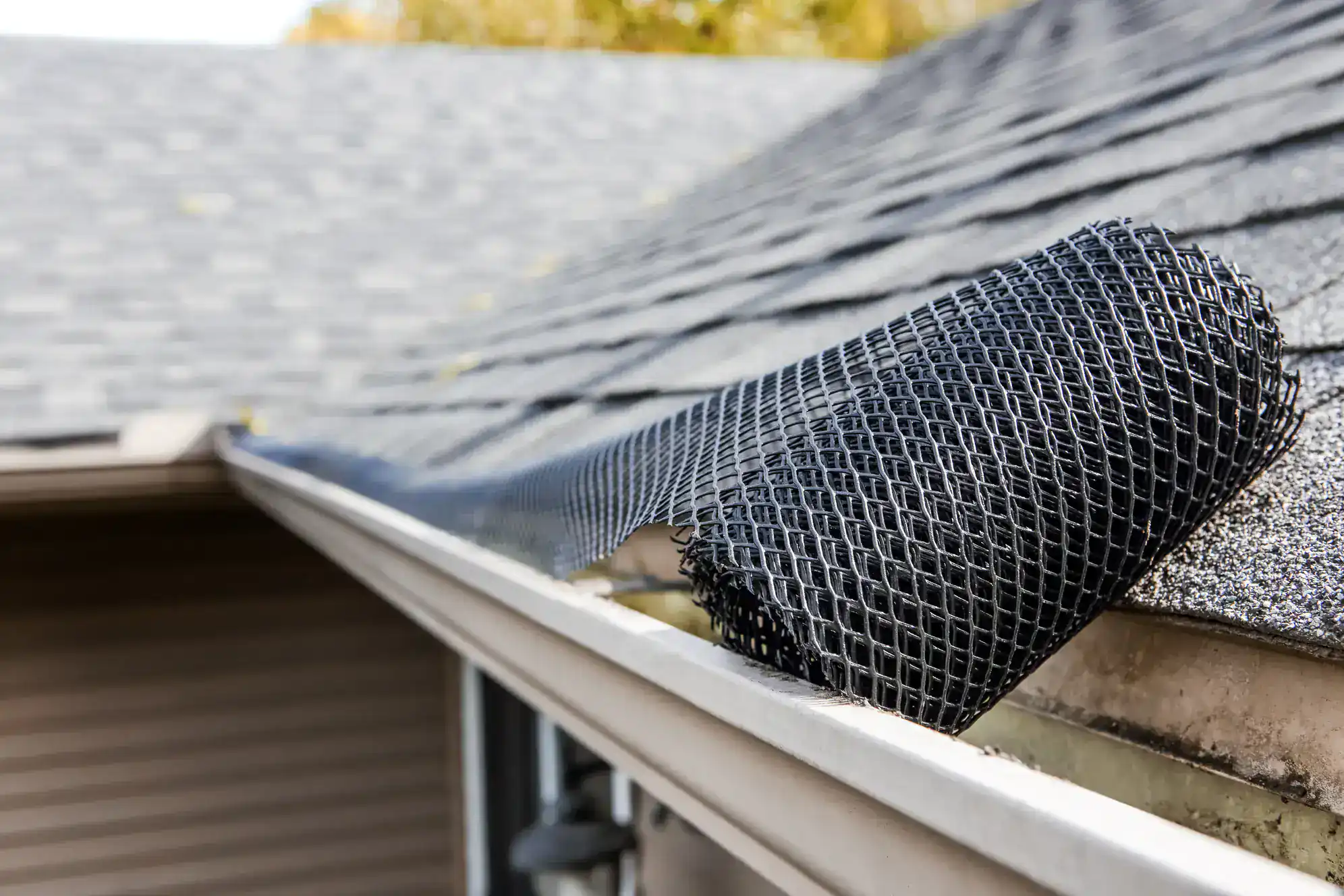
That matters for installation because it affects both sizing and whether gutter guards make sense for your property. Larger gutter profiles handle leaf load better than standard 4-inch systems before clogging. Gutter guards — when selected correctly for the specific debris type on your property — can reduce cleaning frequency significantly. We walk through the options during the inspection and give you a straight answer on what’s worth the investment for your specific situation, not a blanket recommendation that ignores what’s actually hanging over your roofline.
What's the difference between seamless and sectional gutters, and which is better for NJ homes?
Sectional gutters are pre-cut lengths joined together with seams and sealed with caulk. They’re faster to manufacture and cheaper upfront, but every seam is a future leak point — and in New Jersey’s climate, where freeze-thaw cycles stress every joint from December through March, those seams tend to separate faster than they do in milder climates. Once a seam starts leaking, water runs directly down behind the fascia, which accelerates rot and eventually compromises the mounting structure.
Seamless gutters are fabricated in a single continuous run from a mobile machine, cut to the exact length of each section of your roofline. There are no seams along the run — only at the corners and downspout connections, which are mechanically fastened and sealed. For a Tenafly home that’s going to face NJ winters, heavy leaf loads, and the occasional intense summer storm, seamless aluminum is simply the more durable and lower-maintenance choice. The upfront cost difference is real but modest compared to the cost of repairing fascia rot from a leaking sectional system two or three years down the road.
Can storm damage to my gutters be covered by homeowner's insurance in New Jersey?
Yes — in many cases it can, and it’s worth understanding before you assume you’re paying out of pocket. If your gutters were damaged by a specific storm event — wind, hail, falling branches, or the kind of flash flooding that Tenafly experienced in the summer of 2025 — that damage may qualify as a covered loss under your homeowner’s insurance policy. The key word is “sudden and accidental.” Gradual deterioration from age and deferred maintenance typically isn’t covered, but storm-caused damage to an otherwise functional system often is.
Where homeowners run into trouble is documentation. Insurance adjusters don’t always volunteer the full scope of what’s covered, and an undocumented claim is an easy claim to minimize. When we inspect storm-damaged gutters on a Tenafly home, we photograph and document the damage in a way that supports the insurance process — not just the installation quote. We work directly with insurance companies and can walk you through what to expect from the claims process. Bergen County homeowners who’ve been paying premiums for years deserve to actually use that coverage when a storm gives them a legitimate reason to.