
Gutter Installation in Mahwah, NJ
Mahwah's Trees Are Beautiful. What They Do to Your Gutters Isn't.
Hear from Our Customers
Rain Gutter Installation in Mahwah
When gutters fail in Mahwah, the damage doesn’t announce itself. It shows up quietly — in a damp basement corner, in fascia boards that have been rotting behind aging gutters for two seasons, in soil that’s been saturating against your foundation every time it rains. By the time you notice it, the repair bill is usually a lot bigger than the gutter job would have been.
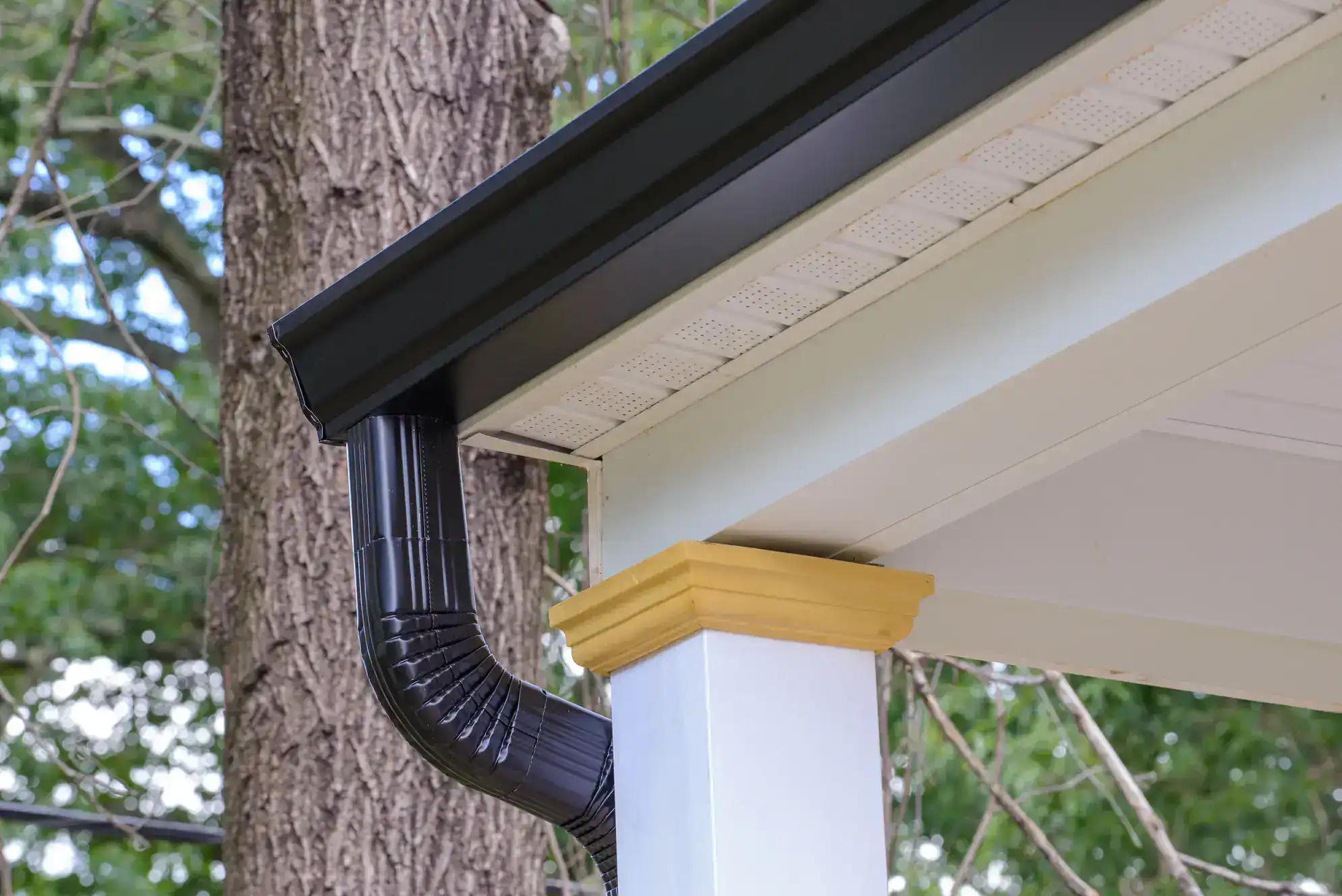
Properly installed seamless gutters change that equation. Water moves off your roof, through the system, and away from your foundation — the way it’s supposed to. For homes in Fardale, Darlington, and the Ramapo Valley sections of Mahwah, that matters more than it does in most towns. The canopy cover here is dense. Maples and oaks drop heavily, and a single fall season can pack an unprotected gutter tight enough to send water straight over the edge and down your exterior wall.
Mahwah also sits at a higher elevation than most of Bergen County, and that means more snow, harder freeze-thaw cycles, and more pressure on a gutter system that wasn’t installed with those conditions in mind. A seamless aluminum system — custom-fabricated to your roofline, correctly sloped, and properly anchored — handles all of it without the seam failures that make sectional gutters a recurring problem in this climate.
Gutter Contractors in Mahwah, NJ
We’ve been serving homeowners across Bergen County for over ten years. We’re a licensed NJ home improvement contractor — License #13VH10605800 — with manufacturer certifications, BBB registration, and a track record built almost entirely on referrals and repeat customers. That’s not a marketing angle. It’s just how the business has grown.
We work across Mahwah and the surrounding area regularly. The homes here — whether it’s a colonial off Ramapo Valley Road, a wooded property near Campgaw Mountain, or a larger lot in the Fardale section — tend to have the same story: mature trees, aging gutter systems, and an exterior that hasn’t been looked at as a whole in years. That’s exactly the kind of job we’re built for.
Our approach isn’t to sell you a gutter and move on. We look at the full picture — roof condition, fascia integrity, downspout placement, drainage grade — because gutters don’t work in isolation. If something else is going to cause a problem, we’d rather tell you now than have you call us back in six months.
Home Gutter Installation in Mahwah, NJ
It starts with a free inspection. We come out, look at your current gutter system, check the fascia boards behind it, assess how water is moving off your roof, and identify anything that would affect the installation or cause problems down the line. You get a written estimate with no hidden fees before anything is scheduled. If you don’t need new gutters, we’ll tell you that.
Once the project is confirmed, we fabricate your seamless aluminum gutters on-site — custom-cut to the exact dimensions of your roofline. There are no pre-made sections, no gaps at joints, and no seams where debris packs in and water backs up. For Mahwah homes with complex rooflines or steep pitches common in mountain-adjacent terrain, that precision matters. We calculate the correct slope — typically a quarter inch of drop per ten feet of run — so water flows consistently to the downspout rather than pooling and overflowing.
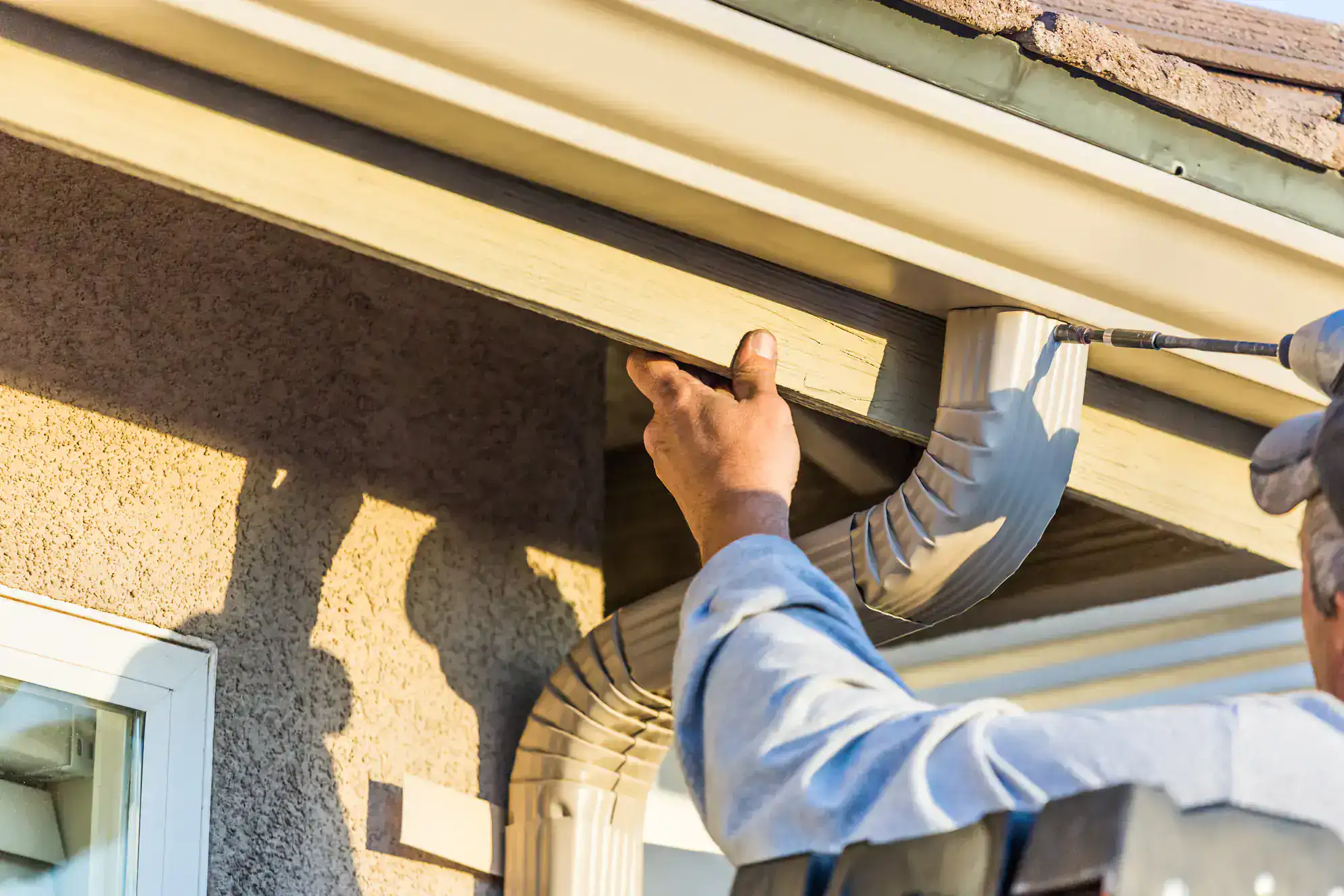
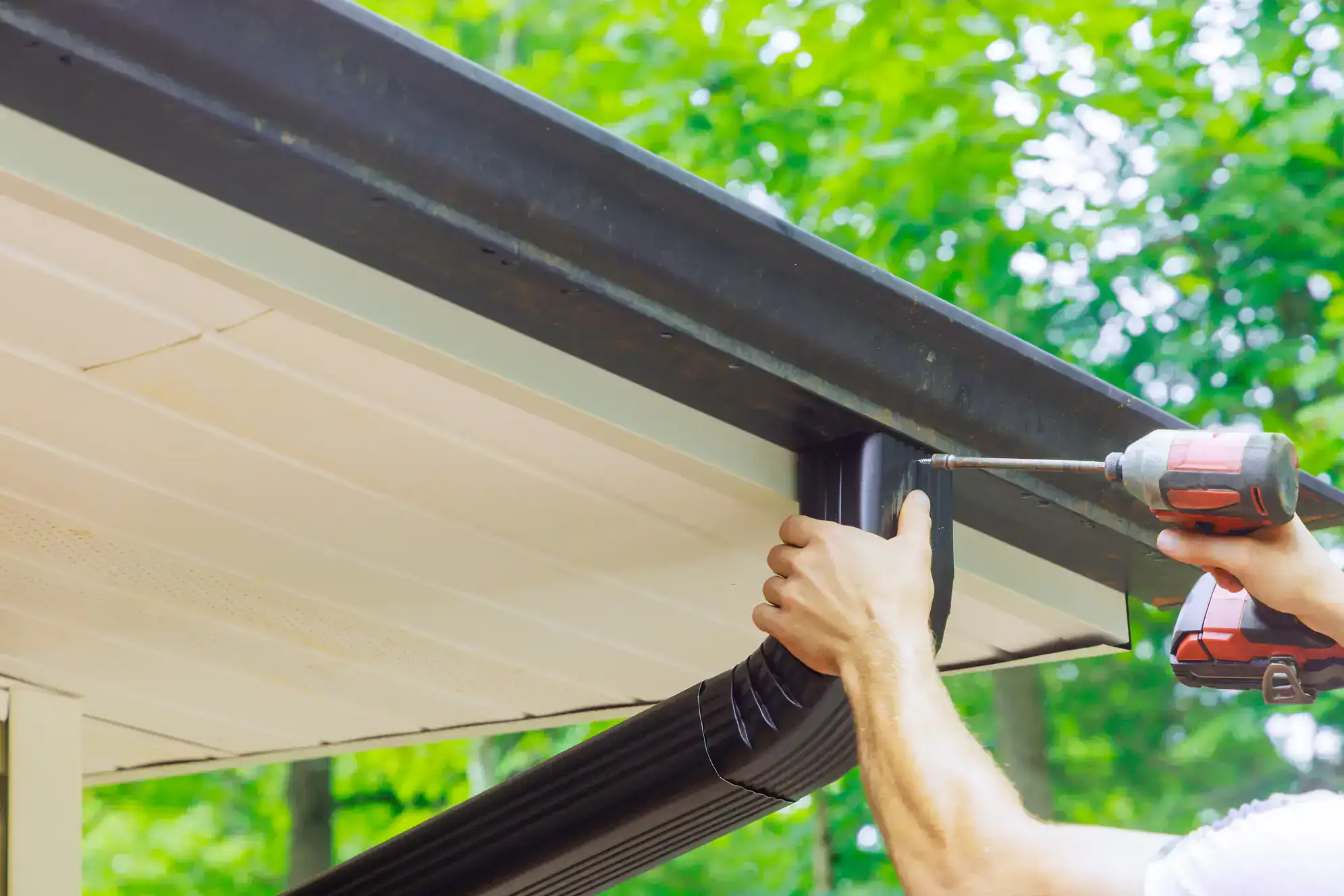
Installation day is straightforward. Brackets are secured into the fascia at the right intervals, downspouts are positioned to discharge water well away from your foundation, and the system is tested before we leave. If your project involves any structural fascia repair or is connected to a broader roofing scope, we’ll let you know upfront whether a permit is needed through Mahwah Township’s Construction Code Office — and we handle that process for you.
Ready to get started?
Roof Gutter Installation in Mahwah, NJ
Every gutter installation starts with a full exterior assessment — not just the gutters. We look at your fascia boards before a single bracket goes up, because new gutters mounted on rotted wood will fail fast, and that’s a problem we’d rather catch during the inspection than after the job is done. In Mahwah’s moisture-heavy environment — river valley humidity, heavy canopy shade, and consistent seasonal rainfall — fascia deterioration is more common than most homeowners expect, especially on homes that haven’t had their gutters replaced in fifteen or more years.
The gutters themselves are seamless aluminum, fabricated on-site to your exact roofline measurements. We size the system based on your actual roof surface area and pitch — not a one-size standard — so the capacity matches the water volume your roof generates during a real storm. Downspout placement is deliberate: we position them to move water away from the foundation, which is especially important for homes near the Ramapo River corridor where soil saturation during heavy rain events is a real and recurring concern.
We also carry manufacturer certifications that back the warranty on materials — meaning your coverage doesn’t disappear if anything changes on our end. And if storm damage is involved, we can help you document it and work through the insurance process. Most homeowners don’t think to ask about that, but in a town that’s seen its share of Ramapo Valley weather events, it’s worth knowing that option exists.
How do I know if my gutters actually need to be replaced in Mahwah?
There are a few things to look for, and most of them don’t require getting on a ladder. If you’re seeing water overflow at the edges during a rainstorm — not just a trickle, but a sheet coming over the side — that’s usually a sign of blockage, improper slope, or a system that’s too small for your roof’s water output. Gutters that are visibly pulling away from the fascia, sagging in the middle, or showing rust streaks down the exterior wall are telling you the same thing.
For Mahwah homes specifically, there’s an additional factor: the tree canopy. If you have mature maples or oaks within range of your roofline — which describes a large portion of properties in Fardale, Masonicus, and the Darlington area — your gutters are dealing with a heavy debris load every fall. Sectional gutters with interior seams trap that debris and hold it, which accelerates deterioration faster than most homeowners realize. If your system is more than fifteen to twenty years old and you haven’t had it inspected recently, a free assessment will tell you quickly whether you’re looking at a repair, a cleaning, or a full replacement.
What's the difference between seamless gutters and regular sectional gutters?
Sectional gutters are pre-cut in standard lengths and joined together with connectors on-site. Every one of those joints is a potential failure point — a place where debris accumulates, where caulk eventually cracks, and where water finds a way through. Over time, those seams are almost always where leaks start.
Seamless gutters are fabricated in one continuous piece, custom-cut on-site to fit your exact roofline with no interior joints. The only connections are at the corners and at the downspout outlets — and those are minimal compared to a sectional system. For a home in Mahwah where the gutter is dealing with heavy leaf load, hard freeze-thaw cycles in winter, and the kind of storm intensity that comes with mountain-adjacent elevation, eliminating those seam failure points makes a meaningful difference in how long the system holds up. Seamless aluminum is also the only type of gutter that qualifies for a full manufacturer warranty — which matters if you’re investing in a system for a home at Mahwah’s price point.
Can clogged or failing gutters really cause basement flooding in Mahwah?
Yes — and it’s one of the more direct connections in home maintenance that people tend to underestimate. When gutters overflow, the water doesn’t just run down the side of the house. It saturates the soil immediately adjacent to your foundation. Over time, that repeated saturation creates hydrostatic pressure against the foundation wall, and that pressure is what drives water into basements and crawl spaces.
In Mahwah, this risk is compounded by local factors. The Ramapo River corridor on the western side of the township already creates elevated groundwater conditions during heavy rain events — the river has flooded the area in documented events across multiple decades, and NOAA maintains an active gauge station specifically at the Mahwah monitoring point because of it. For homes near West Mahwah or along the Route 202 corridor, a gutter system that’s directing water toward the foundation rather than away from it is adding to an already elevated water table situation. Getting the downspout placement and drainage grade right isn’t just a best practice here — it’s genuinely important.
How much does gutter installation typically cost in Mahwah, NJ?
For a standard residential home in Mahwah, seamless aluminum gutter installation generally runs between $1,500 and $3,500 depending on the linear footage, the number of downspouts, and whether any fascia repair is needed before installation. Larger homes — and Mahwah has plenty of them, particularly in the Fardale section and on the wooded lots near Campgaw Mountain — can run higher depending on roofline complexity and total perimeter footage.
The range matters less than understanding what’s included. A written estimate from us covers the full scope: fabrication, installation, downspout placement, and a fascia inspection before anything goes up. There are no hidden fees added after the job starts. If fascia repair is needed, that’s identified during the free inspection and priced separately — not discovered mid-installation. For homeowners comparing quotes, the most useful question to ask any contractor is whether the estimate is written, all-in, and based on an actual inspection of your specific home. That’s the only way to compare accurately.
Do I need gutter guards if I'm already replacing my gutters in Mahwah?
You don’t need them to have a functional gutter system, but for a lot of Mahwah homeowners, they make a real difference in ongoing maintenance. The canopy cover in this township is genuinely heavy — nearly 5,000 acres of county and state parkland surround residential areas, and the mature deciduous trees on most private lots drop significant debris every fall. Without gutter guards, a newly installed seamless system in a wooded section of Mahwah will need cleaning at least twice a year to stay clear, sometimes more.
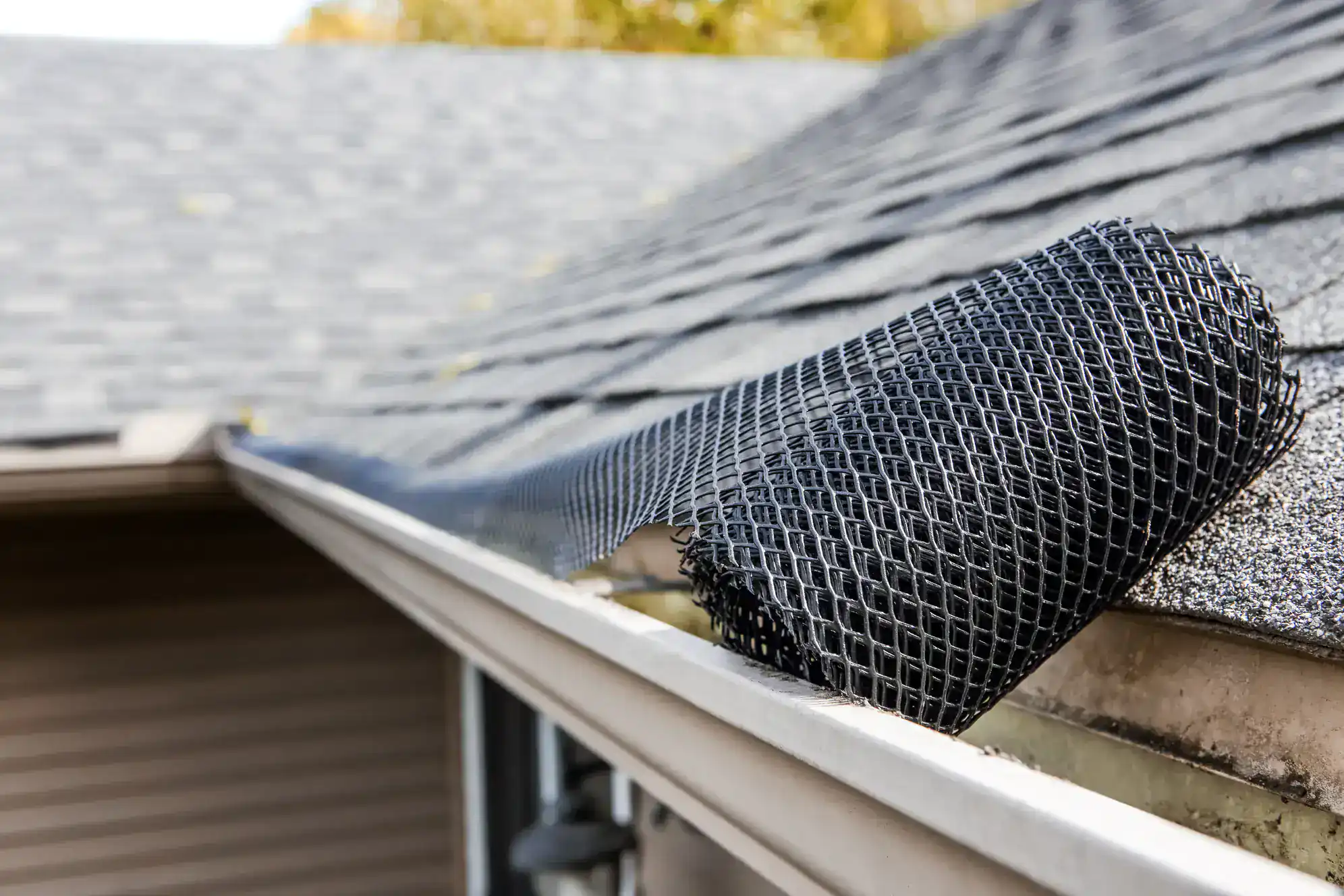
Gutter guards reduce that frequency significantly. They’re not a zero-maintenance solution — no product is — but they keep the bulk of leaf and debris load out of the channel, which means less clogging, less overflow risk, and less standing water that freezes in winter and damages the system. Whether they make sense for your home depends on how much canopy you’re dealing with and how much you want to spend on annual maintenance versus a one-time addition at installation. We’ll give you an honest assessment during the inspection based on what we actually see at your property.
Does homeowner's insurance cover gutter damage from storms in New Jersey?
It depends on the cause. Homeowner’s insurance in New Jersey typically covers sudden, accidental damage — a storm that knocks a branch through your gutter run, wind that tears a section away from the fascia, or ice damage from a severe winter event. What it generally doesn’t cover is gradual deterioration or damage from deferred maintenance, which is why the distinction between storm damage and wear-and-tear matters when you’re filing a claim.
For Mahwah homeowners, this is worth understanding because the township sees real weather. Summer convective storms, nor’easters that interact with the Ramapo Mountain terrain, and winter ice loads that pull gutter systems off fascia boards — these are documented, recurring events here. When storm damage is the cause, the key is proper documentation before anything is touched. We can help with that process: assessing the damage, documenting it accurately, and working directly with your adjuster so the claim reflects what actually happened. Most homeowners don’t realize that’s an option, and it’s made a real difference for Bergen County clients who assumed they’d be paying out of pocket.