
Gutter Installation in Hasbrouck Heights, NJ
When Bergen County Storms Hit, Your Gutters Either Work or They Don't
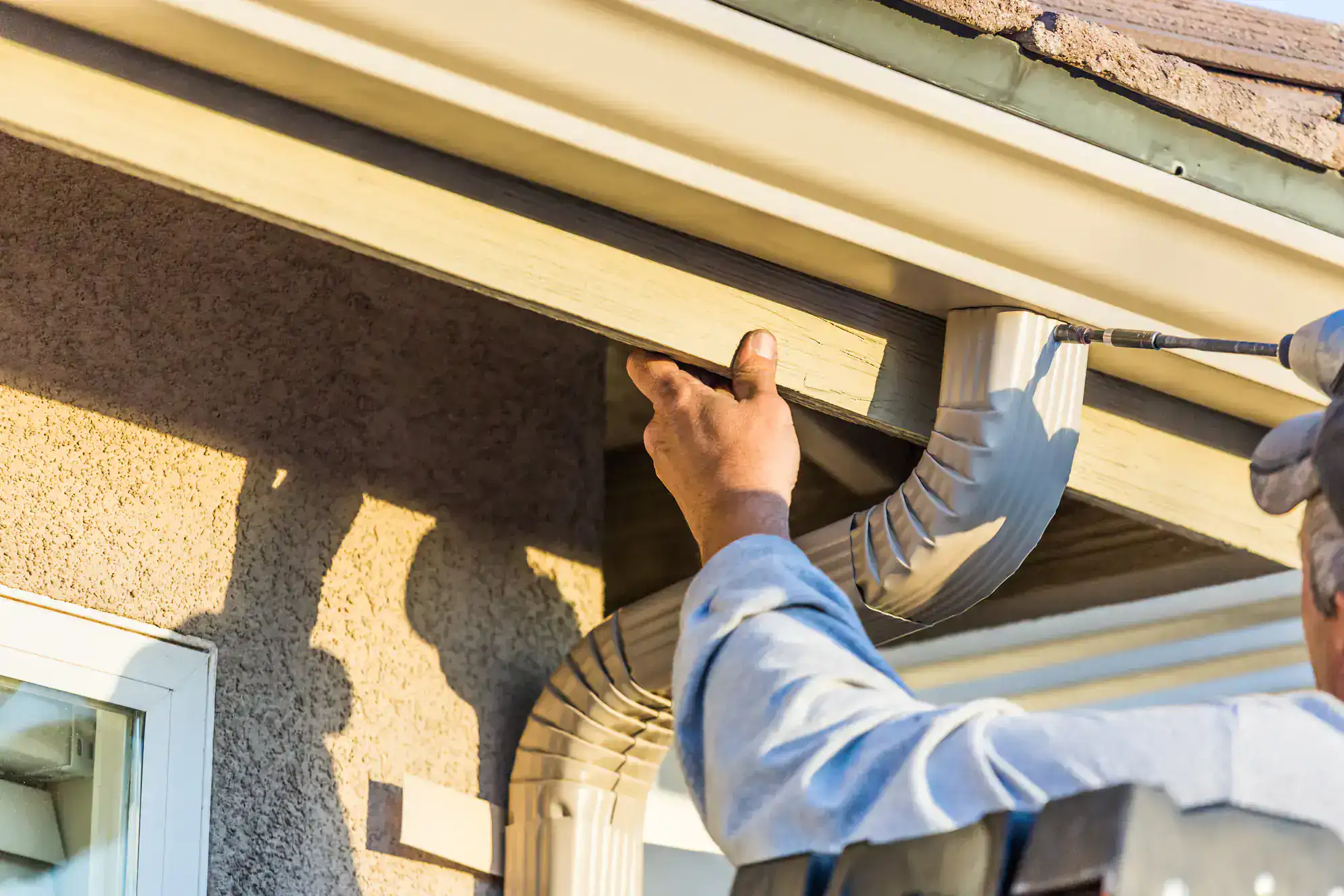
Hear from Our Customers
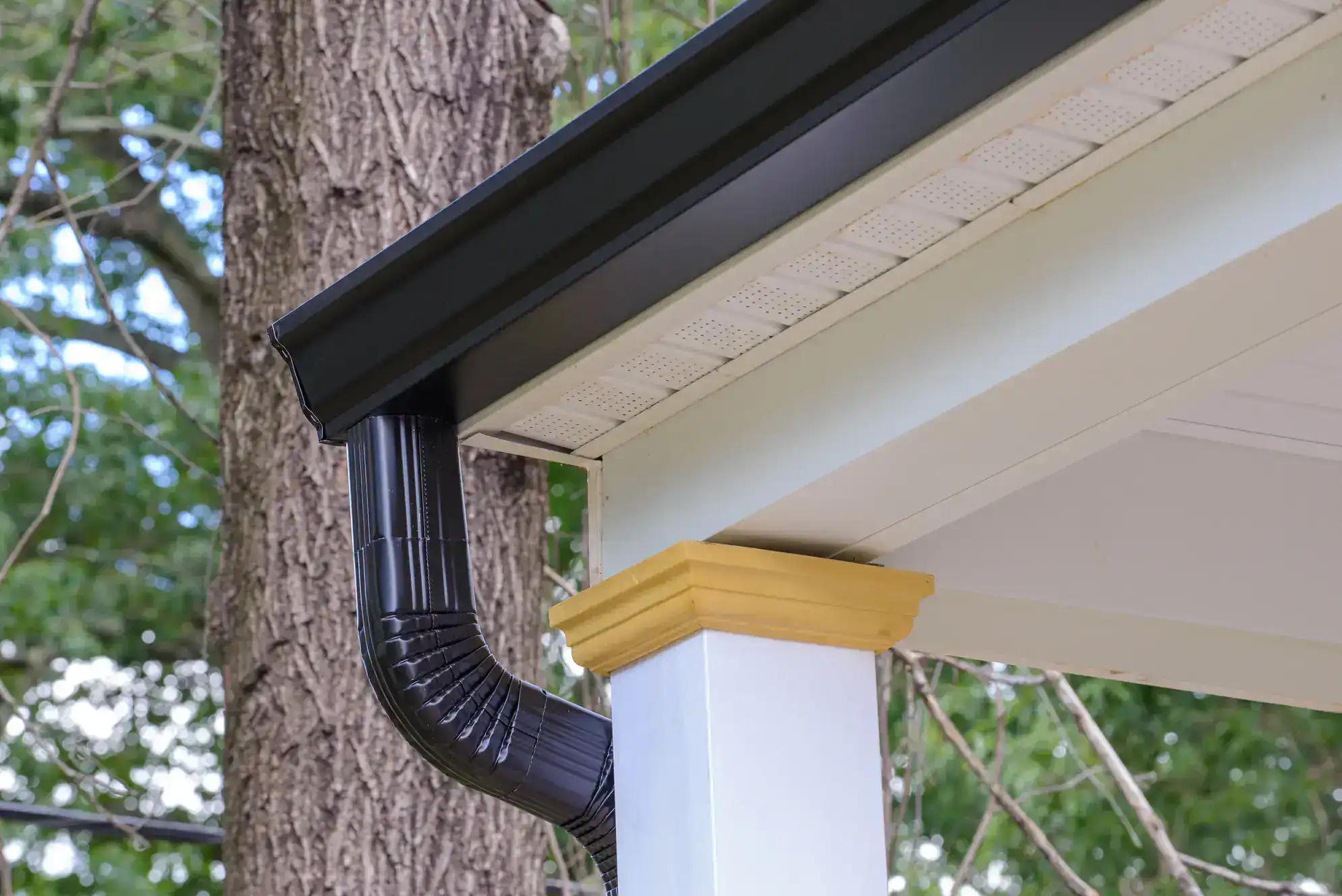
Rain Gutter Installation in Hasbrouck Heights
Most gutter problems in Hasbrouck Heights don’t announce themselves with a dramatic leak. They show up quietly — a damp corner in the basement after a hard rain, water stains creeping down the siding, soil washing away from the foundation line. By the time it’s obvious, the damage is already done. The right gutter system stops that chain of events before it starts.
A big part of what drives gutter failure here is the housing stock itself. The foursquares, bungalows, and colonials that define Hasbrouck Heights’ streets were built between 1910 and 1950 — well before modern rainfall intensity was part of any engineer’s calculation. The original gutters on those homes were undersized from the start, and most have been replaced once or twice since. If yours are sagging, separating at the seams, or overflowing during every major storm, they’re not just worn out — they were never sized for what Bergen County weather actually delivers.
The mature tree canopy along Hasbrouck Heights’ residential streets adds another layer. Oaks and maples drop heavy leaf loads in fall, and their seed pods and pollen create clogging pressure all spring and summer. A gutter that can’t drain freely isn’t protecting your home — it’s holding water against your fascia board and accelerating the rot. Replacing the system with properly sized, properly sloped seamless gutters changes the outcome entirely. Water moves the way it’s supposed to, and your home stays dry.
Gutter Contractors in Hasbrouck Heights, NJ
We’re a licensed New Jersey home improvement contractor (NJ HIC #13VH10605800) with over ten years of hands-on exterior renovation experience across Bergen County, including Hasbrouck Heights and the surrounding communities. Roofing is the core of what we do, and gutter installation is a natural extension of that — because the two systems are connected. When one fails, the other suffers. We hold manufacturer certifications that back our installations with real warranty coverage, not just a contractor’s handshake promise.
We’re not a national franchise with a regional call center. We grew through referrals, and we serve Hasbrouck Heights the same way we serve every community in Bergen County — by showing up, doing the work right, and standing behind it. Homes in this borough sit on elevated terrain, drain fast, and take a beating from storms that routinely flood the Route 17 and Route 46 corridor. We know what that means for a gutter system, and we install accordingly.
Every job starts with a free inspection and ends with a written estimate — no verbal ballparks, no surprise charges at the end.
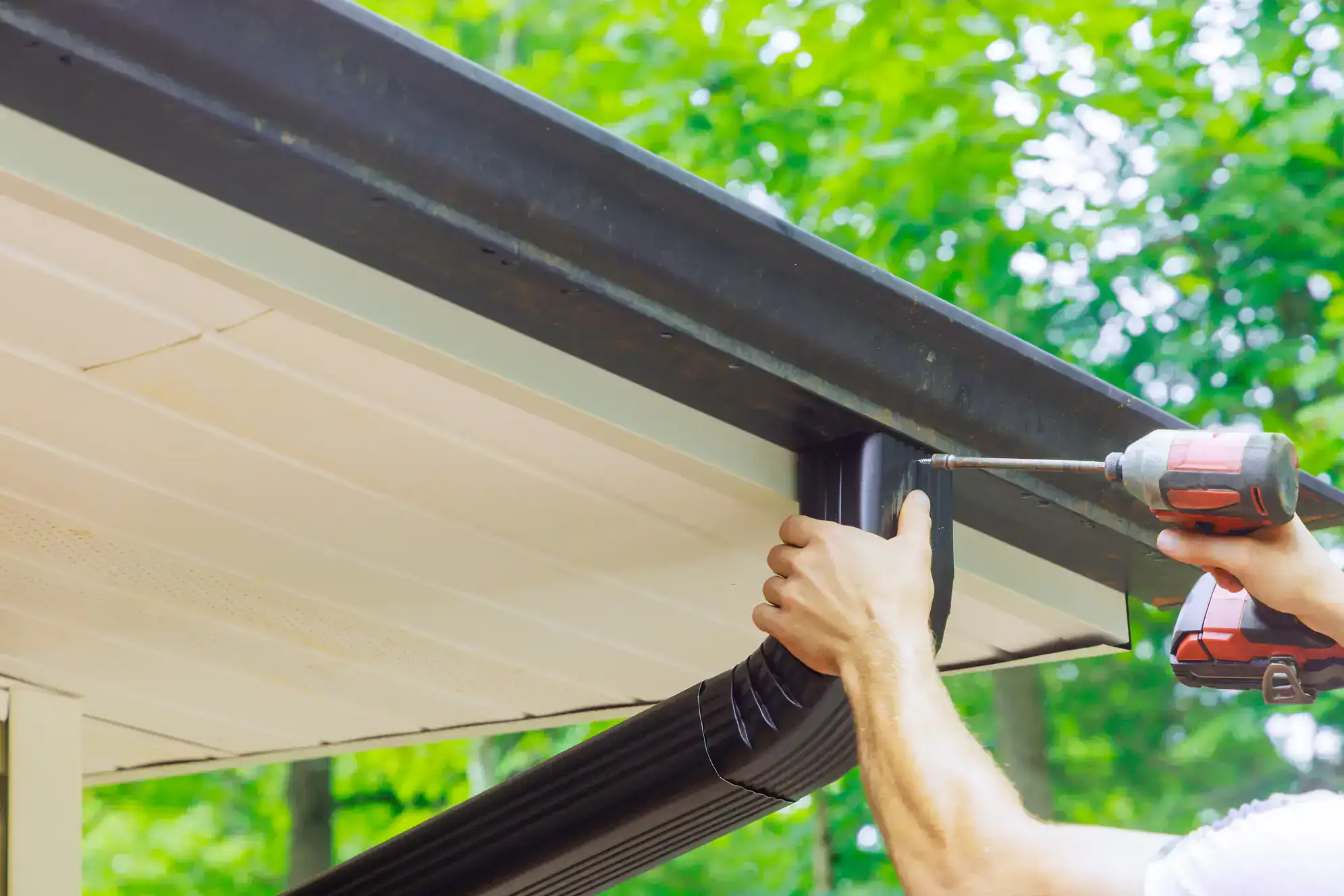
Home Gutter Installation Hasbrouck Heights NJ
It starts with a free inspection. We come out, walk the roofline, and look at the full picture — not just the gutters, but the fascia boards behind them, the soffit condition, the slope of the existing runs, and where your downspouts are currently sending water. In older Hasbrouck Heights homes, fascia rot is one of the most common reasons new gutters fail prematurely. If we see it, we tell you. No upsell, just the facts.
From there, you get a written estimate with every line item explained. Once you’re ready to move forward, we schedule the installation and fabricate your seamless gutters on-site. That means each run is cut from a continuous length of aluminum to fit your exact roofline — no mid-run seams, no joints that open up two winters later. We calculate the correct slope before we mount a single bracket, because a gutter that doesn’t drain completely is just a trough waiting to corrode.
One thing worth knowing for Hasbrouck Heights specifically: the borough does not require a permit for standard gutter replacement. That removes a step from the process, but it also means there’s no municipal inspector looking over the work. The quality is entirely on the contractor. That’s exactly why licensing, certifications, and a written warranty matter — and why we make all of it easy to verify before you sign anything.
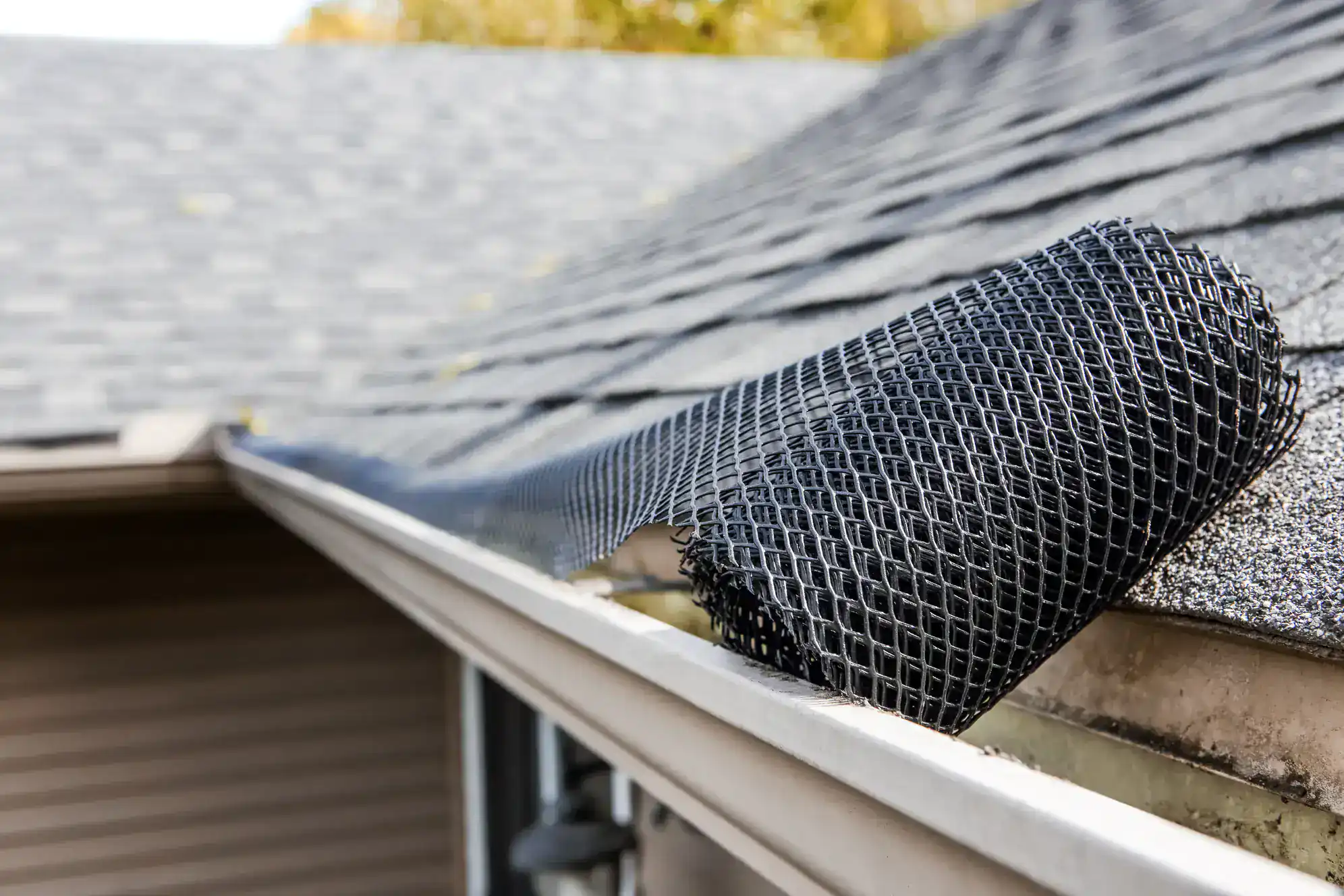
Ready to get started?
Roof Gutter Installation Hasbrouck Heights NJ
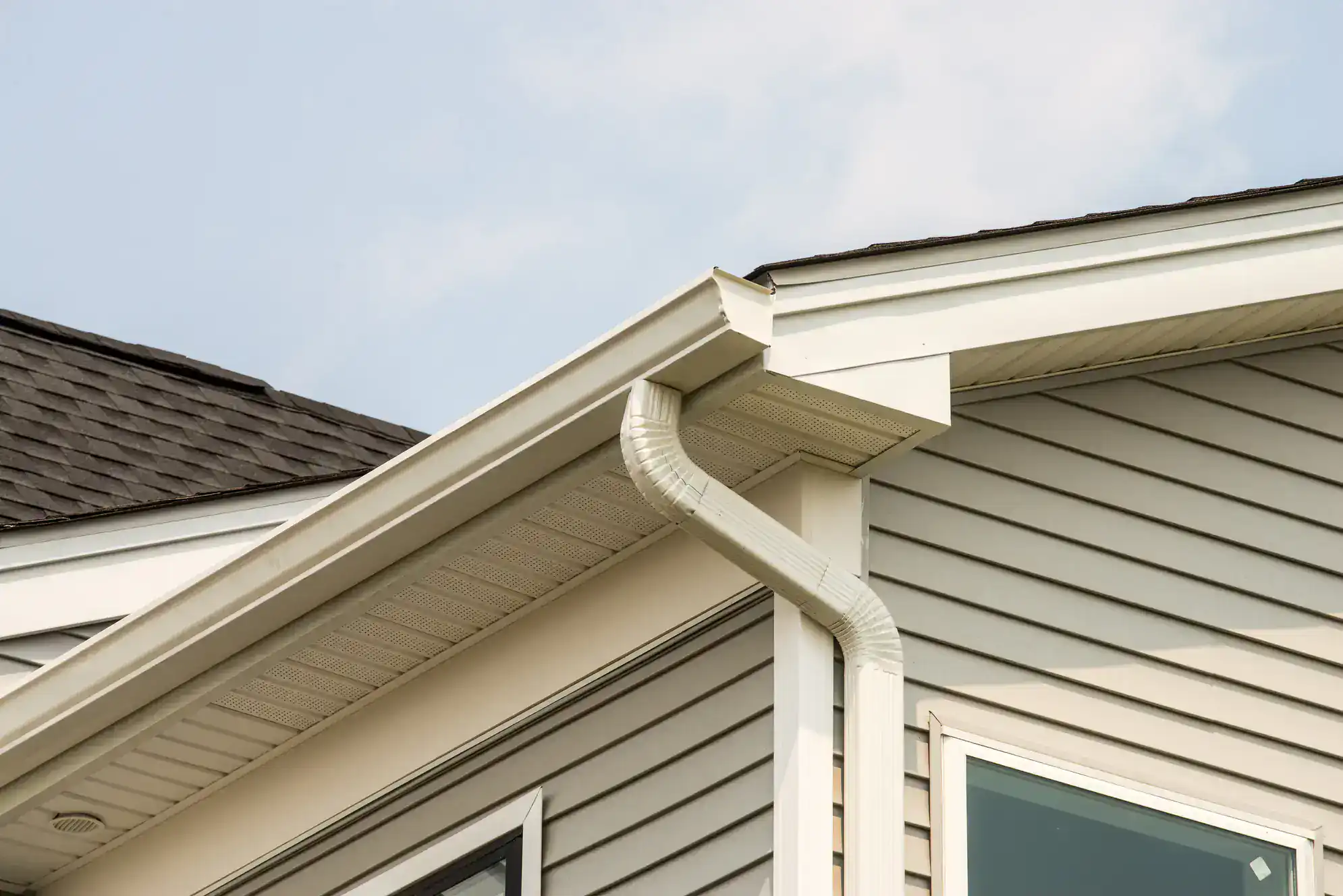
Every gutter installation we do in Hasbrouck Heights is a seamless aluminum system, custom-fabricated on-site to your exact measurements. Aluminum is the right material for this climate — it handles freeze-thaw cycles without cracking, resists corrosion in high-moisture conditions, and lasts 20 to 30 years when properly installed. We don’t show up with pre-cut sections from a truck. Your gutters are made for your home, on the day of installation.
Sizing matters more than most homeowners realize. A standard 5-inch gutter may be adequate for a smaller roofline, but many of the larger foursquares and colonials in Hasbrouck Heights need 6-inch gutters to handle the water volume a steep-pitched roof generates during a hard Bergen County storm. We calculate that during the inspection — not after the fact. Downspout placement gets the same attention, because a downspout positioned too close to the foundation or draining toward a neighbor’s property line creates a different problem than the one you called us to fix.
If your gutters were damaged in a storm, we also assist with insurance claims. We document the damage, communicate with your adjuster, and help you understand what your policy actually covers. Bergen County homeowners regularly leave money on the table because they don’t know storm damage to gutters is often a covered loss. We help you avoid that.
Do I need a permit for gutter installation in Hasbrouck Heights, NJ?
No — Hasbrouck Heights does not require a building permit for standard gutter replacement or installation. The borough’s Construction and Code Enforcement office has confirmed that permits are not required for roofing and siding work, and gutter replacement falls under the same category in most standard scenarios.
That said, the absence of a permit doesn’t reduce the importance of hiring a licensed contractor. Without a municipal inspection, there’s no third-party check on the quality of the work. New Jersey’s Home Improvement Contractor registration — which is a statewide requirement — is the primary accountability mechanism. Before you hire anyone, verify their NJ HIC license number on the Division of Consumer Affairs website. Our license number is #13VH10605800, and it’s publicly searchable. That’s the standard you should hold every contractor to, permit or not.
How do I know if my gutters need to be replaced or just repaired?
The honest answer is that it depends on what’s actually failing. A single loose bracket or a minor joint separation can often be repaired without replacing the whole system. But if you’re seeing multiple seam failures, gutters pulling away from the fascia in more than one spot, visible sagging, or consistent overflow during storms, you’re usually past the repair threshold — especially in a home built before 1960.
In Hasbrouck Heights, where a large portion of the housing stock dates to the 1910s through 1940s, it’s also worth asking how many times the gutters have already been replaced. Sectional aluminum systems have a lifespan of 20 to 30 years. If the current system is aging and showing multiple failure points, a full replacement with seamless gutters is almost always the more cost-effective long-term decision. Patching a system that’s structurally compromised just delays the inevitable — and the water damage that comes with it.
What size gutters does a typical Hasbrouck Heights home actually need?
Most homes in Hasbrouck Heights are well-served by either 5-inch or 6-inch gutters, but the right answer depends on your roof’s pitch and total square footage — not just the size of the house. A steep-pitched roof sheds water faster and concentrates it more aggressively at the gutters than a low-slope roof of the same size. The American Foursquares and steeper colonial-style homes that are common throughout Hasbrouck Heights often need 6-inch gutters to handle peak flow during a hard summer storm.
Downspout sizing matters just as much. A standard 2×3-inch downspout may be undersized for a 6-inch gutter run, and in a borough where intense storms have dropped more than two inches of rain in a single event, undersized downspouts back up and defeat the purpose of the gutter entirely. We calculate both during the inspection, so you’re not guessing.
Can failing gutters actually cause basement flooding in Hasbrouck Heights?
Yes, and it’s more common than most homeowners expect. Gutters that overflow, leak at the seams, or drain too close to the foundation deposit large volumes of water directly against the base of the house. Over time — and sometimes after a single severe storm — that water saturates the soil around the foundation and finds its way in through cracks, gaps around window wells, or porous concrete block walls that are common in homes built before 1960.
Hasbrouck Heights sits on elevated terrain, which means water draining from rooftops has real momentum. Homes at the top of a grade shed water quickly; homes lower on the slope can receive runoff from neighbors above in addition to their own roof drainage. If your basement has taken on water after a storm, the gutters and downspout extensions are one of the first things worth evaluating before you invest in interior waterproofing. Fixing the source is almost always less expensive than managing the symptom.
Does homeowner's insurance cover gutter damage from storms in Bergen County?
It can, and Bergen County homeowners frequently don’t realize it. Standard homeowner’s insurance policies typically cover sudden, storm-related damage — wind damage, hail impact, damage caused by fallen branches — as long as the gutters weren’t already in a state of deferred maintenance before the event. What insurance generally won’t cover is gradual deterioration or damage that resulted from a lack of upkeep.
The challenge is that insurance companies don’t always make the claims process easy, and adjusters don’t always volunteer the full extent of what’s covered. We assist homeowners with storm damage claims — documenting the damage with photos and written assessments, communicating directly with adjusters, and helping you understand what your policy actually includes. Bergen County gets hit with enough severe weather each year that storm-related gutter damage is a regular occurrence, and a lot of that money goes unclaimed simply because homeowners didn’t know to ask.
How long does a gutter installation take on a Hasbrouck Heights home?
For most single-family homes in Hasbrouck Heights, a full gutter replacement takes one day. The timeline depends on the linear footage of gutter runs, the number of downspouts, and whether any fascia repair is needed before the new system goes up. Homes with more complex rooflines — multiple valleys, dormers, or additions common in older colonials and foursquares — may require a bit more time, but it’s rarely a multi-day project.
Because we fabricate the gutters on-site, there’s no waiting on a pre-cut order to arrive. We show up with the equipment to measure and manufacture your gutters the same day they’re installed. Weather is the main variable — we don’t install in rain or when temperatures are too low for proper sealant curing, which in New Jersey means scheduling matters more in late fall and winter. If you’re planning ahead before the next storm season, spring and early fall tend to be the most reliable windows for getting the work done cleanly and on schedule.