
Roof Inspection in Wood-Ridge, NJ
Wood-Ridge Roofs Don't Get a Warning Before They Fail
Hear from Our Customers
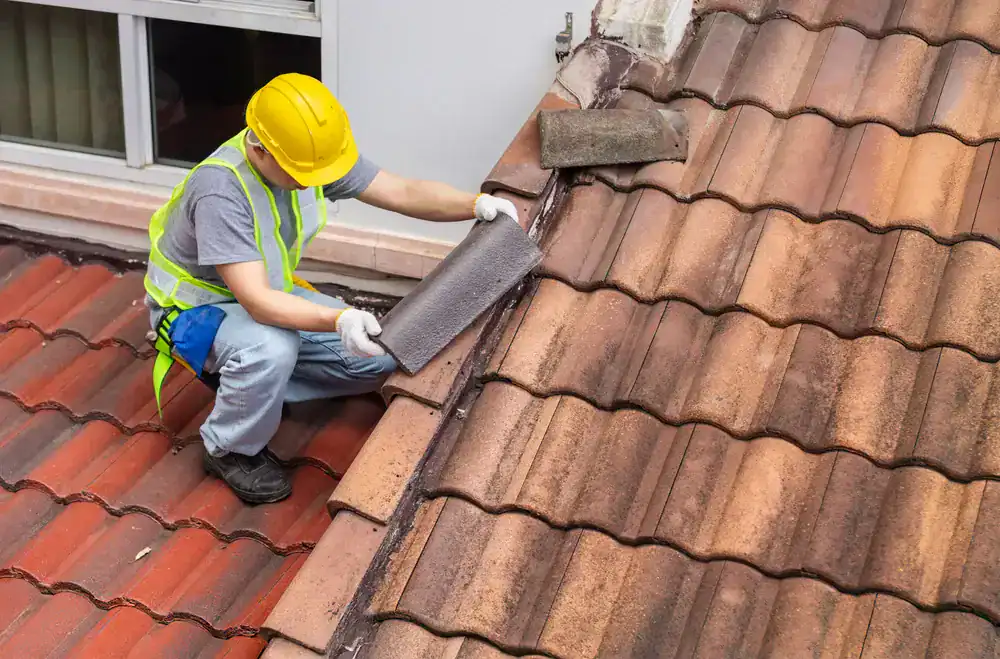
Roof Damage Inspection in Bergen County
The majority of homes in Wood-Ridge were built between the 1940s and 1960s. That’s not a knock on the construction — it’s just math. A roof that was replaced in the early 1990s is now pushing 30 years. Standard asphalt shingles have a lifespan of 20 to 30 years, and New Jersey’s climate doesn’t make that easier. Freeze-thaw cycles through the winter, nor’easters off the coast, and summer storms rolling through the Meadowlands region put consistent stress on roofing systems year after year.
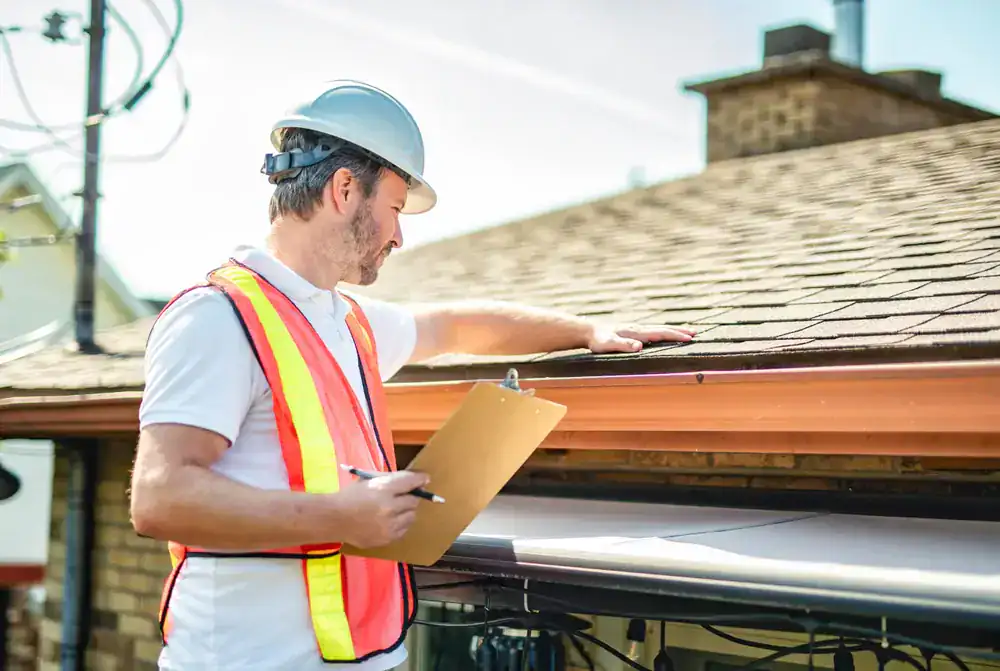
What a professional roof inspection gives you is a clear, honest picture of where things actually stand. Not a guess from the driveway. Not a sales pitch dressed up as an assessment. A real look at your shingles, flashing, ridge caps, gutters, and every point where water could find its way in — delivered in plain language so you can decide what to do with the information.
For Wood-Ridge homeowners specifically, that information matters more than most people realize. The flat terrain of the Meadowlands means drainage is everything. When gutters fail or flashing pulls away from a chimney, water doesn’t have gravity working in your favor the way it does in hillier parts of Bergen County. A roof inspection catches those vulnerabilities before they turn into interior damage, mold, or a repair bill that dwarfs the cost of staying ahead of it.
Licensed Roof Inspector in Wood-Ridge, NJ
We’ve been working on homes across northern New Jersey for over ten years, with deep roots in Wood-Ridge and the surrounding Pascack Valley corridor. In a community like this — where neighbors talk and people ask around before they hire — reputation is everything. That reality keeps every inspection honest.
We hold a New Jersey Home Improvement Contractor license and carry manufacturer certifications from major shingle brands — credentials that a small fraction of roofing contractors in the country actually earn. Those certifications aren’t just a badge. They mean that when a replacement is needed, you qualify for enhanced manufacturer-backed warranty coverage that unlicensed or uncertified contractors simply cannot offer you.
We’re family-operated, which means the people doing the work have a personal stake in how every job goes. There’s no rotating crew of strangers and no corporate buffer between you and accountability. When something needs to be addressed, it gets addressed.

Roof Inspection Company Serving Wood-Ridge, NJ
It starts with a free inspection. You reach out, we schedule a time that works for you, and a licensed inspector shows up at your Wood-Ridge home to do a full assessment of your roof system. That means shingles, flashing, ridge caps, valleys, gutters, soffits, fascia, and any penetrations like vents, chimneys, or skylights — everything that affects how water moves off your roof and away from your home.
During the inspection, the findings get documented clearly — what’s in good shape, what’s showing wear, and what needs attention. If there’s storm damage consistent with the kind of wind and hail events that move through Bergen County, that gets documented in a format that’s useful if you’re working with an insurance adjuster. You’ll know what was found and why it matters before anyone asks you to make a decision.
If work is needed, you’ll receive a detailed estimate with transparent pricing — no vague line items, no pressure. In New Jersey, full roof replacements require a building permit, and we handle that process as part of the job. If your roof has a few good years left, you’ll hear that too. The goal of the inspection is an honest answer, not a sale.
Ready to get started?
Certified Roof Inspector for Wood-Ridge Homeowners
A roof inspection in Wood-Ridge, NJ from us covers the full roofline system — not just a surface-level look at shingles from the ground. The inspection includes a detailed assessment of flashing at all transitions and penetrations, the condition of ridge caps and valleys where water concentration is highest, gutter attachment and drainage performance, soffit and fascia integrity, and any visible signs of interior moisture intrusion at the roofline.
Because we also handle gutters and siding, a single visit can assess the entire exterior envelope of your home. That matters in a community like Wood-Ridge, where homes sit close to their lot lines and a compromised roof-to-wall junction or a failed gutter can create water intrusion problems that a shingles-only inspection would never catch. The Meadowlands’ flat drainage profile makes this kind of comprehensive review especially relevant — there’s less natural runoff here than in hillier parts of Bergen County, which means any gap in the system holds water longer.
For homeowners preparing to sell, responding to a buyer’s home inspection report, or simply trying to understand the condition of a home that hasn’t been looked at in years, the inspection produces a documented, photographic report you can keep and reference. It’s the kind of information that helps you plan — whether that means budgeting for a replacement in two years or moving forward with confidence that your roof is in solid shape today.

How do I know if my Wood-Ridge home actually needs a roof inspection right now?
The honest answer is that most homeowners wait until something goes wrong — a water stain on the ceiling, granules collecting in the gutters, or a shingle missing after a storm. By that point, the damage has usually been developing for a while. A more useful question is: how old is your current roof, and when was it last professionally assessed?
In Wood-Ridge, where the majority of homes were built between the 1940s and 1960s, a significant number of roofs are either on their second replacement or approaching the end of one. If your roof is 15 years or older, or if your home experienced any of the significant nor’easters or wind events that have moved through Bergen County in recent years, a professional inspection gives you a clear baseline. You don’t need to see a problem to benefit from knowing the current condition — that’s the whole point of doing it before something fails.
What does a professional roof inspection actually check that I can't see myself?
A lot of the most important things aren’t visible from the ground — or even from a ladder if you don’t know what you’re looking for. Flashing failures at chimneys, skylights, and roof-to-wall transitions are one of the most common sources of water intrusion, and they often don’t look obviously wrong until they’ve already allowed moisture into the structure. Granule loss on shingles, which signals accelerated aging, is something you can partially spot in the gutters but not fully assess without getting on the roof.
A licensed roof inspector is also looking at things like ridge cap integrity, valley wear patterns, soffit and fascia condition, gutter attachment, and any signs of improper ventilation — all of which affect the long-term performance of the roof system. In a climate like northeastern New Jersey’s, where freeze-thaw cycling puts real stress on every seal and seam each winter, catching a minor flashing gap or a lifting shingle edge before it becomes a leak is exactly what a professional inspection is designed to do.
Does a roof inspection in Wood-Ridge, NJ cost anything?
We offer free roof inspections for homeowners in Wood-Ridge, NJ. There’s no charge for the inspection and no obligation to move forward with any work based on what’s found. If the roof is in good condition, you’ll hear that. If repairs or replacement are warranted, you’ll receive a clear explanation of what was found and a detailed estimate with transparent pricing.
The free inspection model exists because we’re built on honest assessments and long-term relationships, not one-time sales. In a community like Wood-Ridge — where neighbors talk and referrals drive most of the work — there’s no value in telling someone they need a new roof when they don’t. The inspection is genuinely informational, and what you do with that information is entirely your call.
How does storm damage affect my roof, and should I call after a bad storm?
Yes — and sooner rather than later. Wind and hail damage isn’t always obvious from the street, but it can compromise the integrity of your roof in ways that lead to leaks months after the event. Missing shingles are the visible indicator most homeowners notice, but the more common issue is shingle bruising from hail or lifted edges and broken seals from high winds — damage that looks minor but allows water infiltration during the next heavy rain.
Bergen County, including Wood-Ridge, has seen multiple significant weather events over the past decade — from the nor’easters that roll through in late winter and early spring to the remnants of tropical systems that track up the coast in late summer and fall. If your home took any wind-driven rain or hail during one of those events, a post-storm roof inspection is worth scheduling. If the damage is covered under your homeowner’s insurance, having a licensed contractor’s documented inspection report before you talk to your adjuster puts you in a much stronger position than going in without one.
What's the difference between a certified roof inspector and any other contractor who offers inspections?
The license matters, but the manufacturer certifications matter just as much — and most homeowners don’t know to ask about them. A contractor who holds certifications from major shingle manufacturers like GAF, CertainTeed, or Owens Corning has completed product-specific training, demonstrated proof of insurance and licensing, and met customer satisfaction standards set by the manufacturer. Fewer than 3% of roofing contractors in the United States hold these designations.
The practical difference for you as a homeowner is warranty access. A certified roof inspector and installer can offer enhanced manufacturer-backed warranties on replacement work — coverage that extends beyond the standard workmanship warranty and is backed by the shingle manufacturer directly. An uncertified contractor cannot offer this, regardless of how long they’ve been in business. For a Wood-Ridge homeowner making a $10,000 to $18,000 investment in a roof replacement, that warranty difference is a concrete, lasting financial benefit that goes well beyond the day the job is completed.
How long does a roof typically last on a Wood-Ridge home, and how do I know when replacement is actually necessary?
Standard three-tab asphalt shingles have a rated lifespan of around 20 to 25 years. Architectural shingles — the more common upgrade installed over the past two to three decades — are rated for 25 to 30 years. But those numbers assume average conditions, and northeastern New Jersey is not an average climate. The combination of freeze-thaw cycling through winter, heavy snow loads from nor’easters, summer UV exposure, and periodic high-wind events accelerates wear faster than the manufacturer’s rated lifespan assumes.
For a Wood-Ridge home that was re-roofed in the early to mid-1990s, that roof is now at or past its expected service life — regardless of whether it’s showing obvious signs of failure. The question isn’t just whether it’s leaking today. It’s whether the underlying system can handle another five winters without developing a problem. A professional roof inspection gives you that answer with specifics: how much granule coverage remains, whether the flashing seals are holding, whether the ridge is showing signs of cracking or lifting, and whether the decking beneath shows any signs of moisture damage. That’s the information you need to make a real decision — not a guess based on how it looks from the driveway.