
Roof Inspection in Cliffside Park, NJ
Your Roof Takes the Full Force of the Palisades — Find Out Where It Stands
Hear from Our Customers
Certified Roof Inspector in Cliffside Park, NJ
Most roof problems don’t announce themselves. A flashing seal fails quietly. A shingle lifts slightly after a nor’easter and lets water inch its way under the surface. By the time you notice a stain on the ceiling or a soft spot in the decking, the damage has already compounded — and what started as a minor repair has turned into a much bigger conversation.
That’s the real reason a roof inspection matters. It’s not about checking a box. It’s about getting clear, documented information on a system that’s protecting a home worth — in Cliffside Park — somewhere in the range of $840,000. The homes along the interior blocks off Anderson Avenue, the older two-families, the pre-war single-family homes that make up a significant portion of this borough’s housing stock — many of them are working with roofing systems that are well past their expected service life. Age plus elevation plus east-facing storm exposure is a combination that deserves a trained set of eyes, not a hopeful assumption.
A thorough roof damage inspection in Cliffside Park, NJ gives you the full picture: what’s intact, what’s showing early wear, and what needs attention now versus what can wait. You walk away with real information. That’s the outcome.
Licensed Roof Inspector in Cliffside Park, NJ
We’ve been working on roofs across Bergen County for over ten years, with deep roots in Cliffside Park itself. That tenure means we’ve seen what New Jersey winters do to aging housing stock, what coastal storm systems do to cliff-facing roofs along Palisade Avenue, and what deferred maintenance looks like when it finally catches up with a homeowner in this specific community.
We’re a family-run operation, which means the people making decisions about your roof are the same people whose name is on the company. We hold contractor licenses required under New Jersey’s Home Improvement Contractor registration program and carry certifications from major shingle manufacturers — credentials that most roofing contractors in this state simply don’t have. Those certifications aren’t cosmetic. They’re what allow us to offer manufacturer-backed warranty coverage that an uncertified contractor cannot.
Inspections are free. No charge to find out what condition your roof is in, no obligation to move forward with anything. That’s how we’ve built this business — on straight answers and work that holds up.

Roof Inspection Company in Cliffside Park, NJ
It starts with a call. You tell us what you’re seeing — or what you’re not seeing but are concerned about — and we schedule a time that works for you. Given how tight the streets are in parts of Cliffside Park and how close homes sit to one another, we come prepared for the access conditions that come with dense, urban-suburban properties. This isn’t a crew that shows up expecting a wide-open suburban lot.
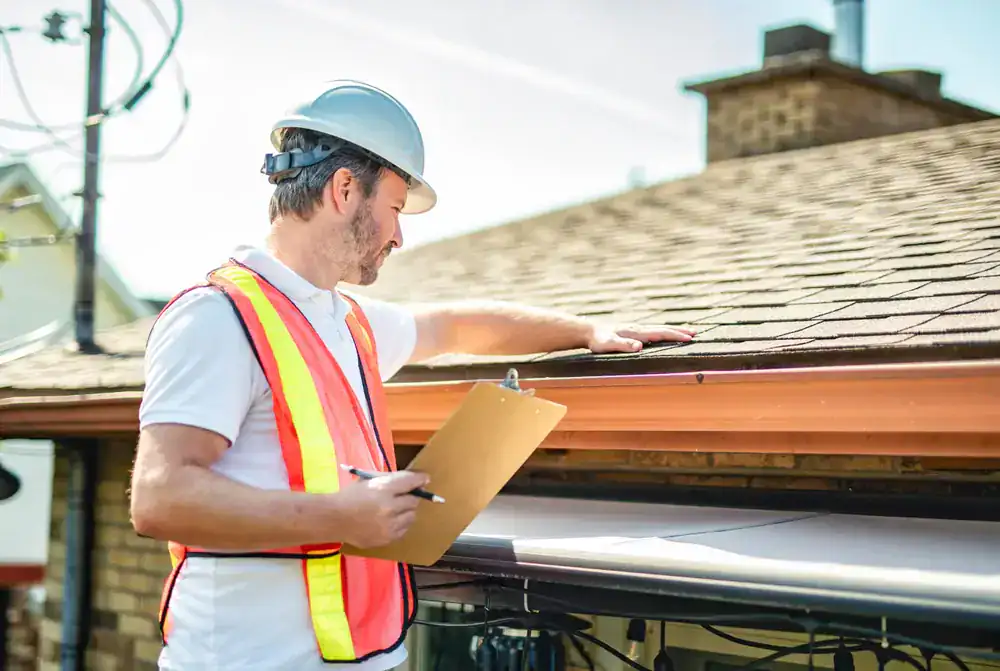
On inspection day, a licensed inspector goes up on the roof and works through the full system — shingles, flashing at every penetration point, ridge caps, valleys, gutters, soffit, and fascia. We’re specifically looking at the areas most likely to fail given your home’s orientation and exposure. For homes on the eastern side of the borough near Palisade Avenue, wind uplift and flashing integrity get extra attention. For older pre-war homes with multiple dormers or chimneys, every transition point gets examined closely because that’s where water finds its way in.
After the inspection, we walk you through what we found. You get a clear explanation — not a sales pitch — of what’s in good shape, what’s showing wear, and what warrants action. If there’s storm damage that may be covered under your homeowner’s insurance, we’ll document it properly so you have what you need when you talk to your adjuster. The Borough of Cliffside Park’s own property maintenance code requires roofs to be kept watertight — our report gives you a documented baseline against that standard. From there, the next move is entirely yours.
Ready to get started?
Roof Damage Inspection in Cliffside Park, NJ
A roof leak inspection in Cliffside Park, NJ isn’t just about the shingles on top. Wind-driven rain — the kind that comes off the Hudson during a nor’easter — works at the edges, the seams, and the joints. It finds the gap where flashing has pulled away from a chimney or where the drip edge has started to separate. If you only look at the shingles, you miss half the story.
Our inspection covers the entire exterior envelope: roofing surface and shingle condition, all flashing points including chimneys, vents, skylights, and roof-to-wall transitions, underlayment condition where accessible, ridge and hip cap integrity, gutter attachment and drainage performance, and soffit and fascia along the full roofline. Because we also handle gutters and siding, we’re looking at the full picture — not just the section of the exterior that falls under one trade’s scope.
For homeowners in Cliffside Park who are preparing to list a property, dealing with an active insurance claim, or simply trying to understand what they’re working with on a home that’s been standing since before World War II, this level of detail matters. The re-roofing permit process through the Cliffside Park Building Department requires proper documentation and contractor registration — we’re fully compliant and can walk you through what’s required if the inspection leads to repair or replacement work. You get the complete picture, handled by one team.

How often should homeowners in Cliffside Park, NJ schedule a professional roof inspection?
The general industry recommendation is twice a year — once in the spring after winter weather has run its course, and once in the fall before temperatures drop and your window for comfortable repair work closes. For homeowners in Cliffside Park specifically, that spring inspection carries extra weight. The borough sits at roughly 246 feet above sea level on the Palisades ridgeline, which means roofs here take more direct wind and ice exposure during nor’easters than most inland Bergen County towns. Freeze-thaw cycles stress every flashing point and seam on the roof, and ice dam formation along the eaves is a real risk given the elevation and wind chill exposure.
Beyond the twice-a-year baseline, you should also schedule an inspection after any significant storm event — a nor’easter, a tropical system remnant, or a heavy hail event. Damage from wind uplift and wind-driven rain isn’t always visible from the ground, and waiting until you see interior evidence of a problem almost always means the damage has already progressed further than it needed to.
What's the difference between a certified roof inspector and a general roofing contractor?
A general roofing contractor can look at a roof and give you an opinion — but a certified roof inspector in Cliffside Park, NJ brings documented credentials that carry weight in specific situations: insurance claims, real estate transactions, and manufacturer warranty disputes. Manufacturer certifications, like those we hold, require proof of licensing, insurance, completed product training, and a track record of customer satisfaction. That’s a higher bar than simply holding a contractor’s license.
The practical difference shows up most clearly when you need the inspection to do something beyond just telling you the roof looks okay. If you’re filing a claim with your homeowner’s insurance after storm damage, an adjuster will treat a written report from a licensed, certified contractor differently than a verbal assessment from someone without credentials. If you’re selling a home in Cliffside Park — where median values are pushing $840,000 — a documented inspection from a certified contractor gives the buyer’s agent and their clients something concrete to work with. Credentials matter when the stakes are high.
What are the most common roof problems found during inspections on older Cliffside Park homes?
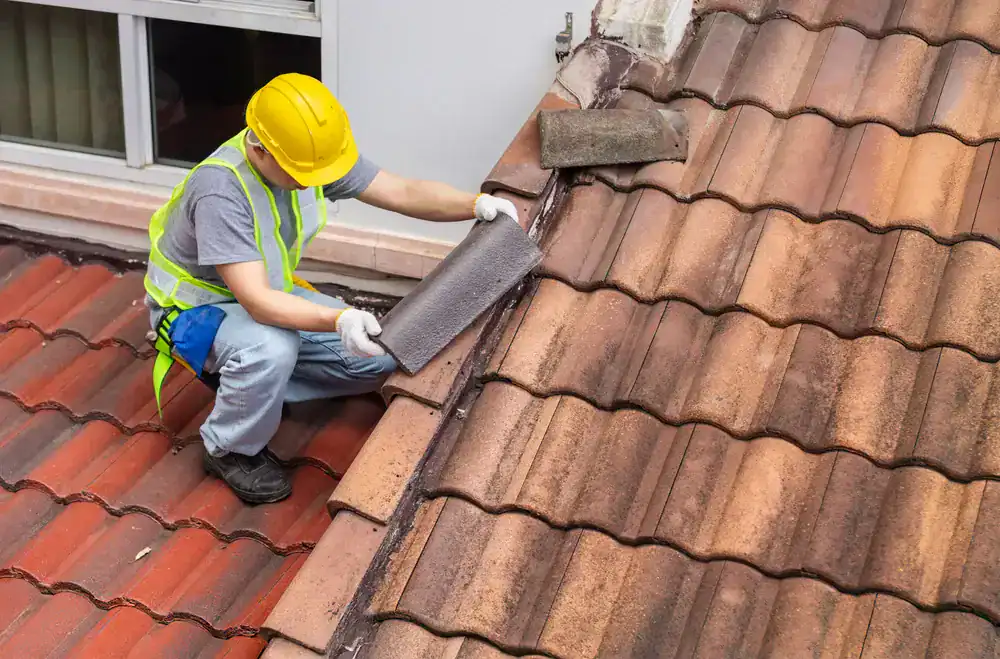
Cliffside Park has a significant share of pre-war and mid-century housing — roughly half of all housing units in the borough were built before 1970. On homes of that age, the most common findings during a roof inspection tend to cluster around a few areas. Flashing failures are at the top of the list: older homes often have multiple chimneys, dormers, and added-on skylights, each of which creates a transition point where water can enter if the flashing has corroded, separated, or was never properly installed to begin with.
Worn or missing shingles are common, particularly on east-facing roof sections that take the brunt of coastal storm systems coming off the Hudson. Inadequate ventilation is another frequent issue — older homes weren’t always built with modern ventilation standards, and poor attic airflow accelerates shingle deterioration and contributes to ice dam formation in winter. Granule loss on aging asphalt shingles, soft spots in the decking from long-term moisture infiltration, and deteriorated underlayment are also findings that come up regularly on pre-1970 housing stock. A thorough roof damage inspection in Cliffside Park, NJ identifies all of these before they become larger structural problems.
Does USA Home Remodeling help with insurance claims after storm damage in Cliffside Park?
Yes — and in a market like Cliffside Park, where the elevated Palisades position means storm exposure is above average compared to inland Bergen County, this comes up more often than homeowners expect. After a significant nor’easter or coastal storm event, wind and water damage to roofing systems is common, and many homeowners don’t realize the extent of the damage until they have a trained inspector on the roof with eyes on every component.
When our inspection identifies damage that may be covered under your homeowner’s policy, we document it thoroughly — written findings, photographs of every affected area, and a clear description of what caused the damage and where. That documentation is what your adjuster needs to process a claim accurately. Without it, adjusters work from their own visual assessment, which may miss damage that isn’t visible from ground level or from a quick walk-around. We’re familiar with the types of storm damage that commonly affect homes in this area and know what to look for and how to document it in a way that supports your claim rather than leaving money on the table.
Is a permit required for roof work in Cliffside Park, NJ, and how does that affect the inspection?
Yes — the Borough of Cliffside Park requires a permit for re-roofing work, and any contractor performing that work must be registered with both the borough and the New Jersey Division of Consumer Affairs as a Home Improvement Contractor. The inspection itself doesn’t require a permit, but if the inspection findings lead to repair or replacement work, the permit process applies before that work can begin.
This matters for a few reasons. First, hiring a contractor who isn’t properly registered means you have no legal recourse under New Jersey’s Consumer Fraud Act if something goes wrong — and it means the work may not be properly inspected by the borough’s building department. Second, the Borough’s own Property Maintenance Code legally requires property owners to maintain their roofs in watertight condition, so a documented inspection from a licensed contractor gives you a clear record of your roof’s condition relative to that standard. We’re fully licensed, insured, and compliant with Cliffside Park’s permit requirements — we handle the documentation and can walk you through the process if the inspection leads to permitted work.
Why is USA Home Remodeling offering free roof inspections in Cliffside Park, NJ?
Because the biggest barrier to getting a roof inspected isn’t skepticism — it’s friction. Most homeowners in Cliffside Park aren’t avoiding a roof inspection because they don’t think it matters. They’re avoiding it because calling a contractor feels like the first step toward a sales conversation they didn’t ask for. Removing the cost removes that friction entirely.
A free inspection also reflects how we’ve built this business. We don’t grow by convincing homeowners to replace roofs that don’t need replacing. We grow because people who get an honest assessment from us — whether the news is good or not — tell their neighbors. In a borough as compact as Cliffside Park, where residents have deep roots and long-standing relationships on the same blocks, that reputation is worth more than any short-term sale. If your roof is in good shape, we’ll tell you that. If it needs attention, we’ll show you exactly where and why. The inspection is free because we’d rather earn your trust with real information than charge you for the privilege of hearing a pitch.