
Roof Inspection in Chestnut Ridge, NJ
What Nor'easters and Freeze-Thaw Winters Actually Do to Pascack Valley Roofs
Hear from Our Customers
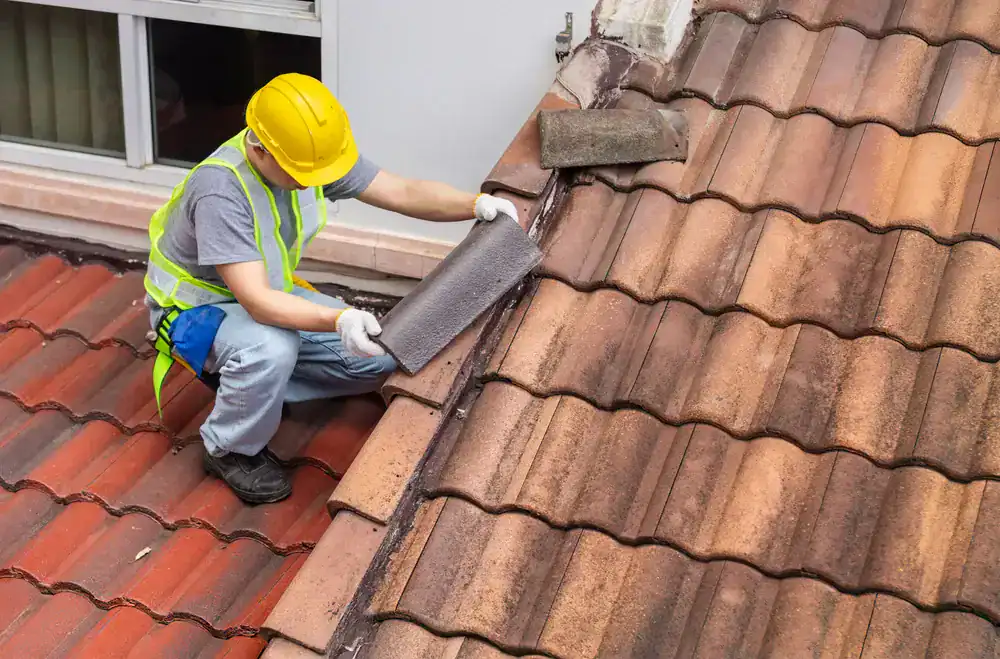
Roof Damage Inspection in Chestnut Ridge, NJ
A roof inspection isn’t about finding something wrong — it’s about knowing the truth. Whether your roof is holding up fine or quietly developing a problem behind the fascia, you deserve a straight answer from someone who actually knows what they’re looking at.
In northern Bergen County, the freeze-thaw cycle hits hard. Temperatures cross the 32-degree threshold repeatedly throughout winter, and that constant expansion and contraction works on flashing seals, shingle adhesion, and ridge caps in ways that don’t always show up until water is already inside your home. Ice dams are a real and recurring issue in Chestnut Ridge — they form when heat escapes through the upper roof, melts snow, and forces that water back under your shingles at the eaves. By the time you see a ceiling stain, the damage behind it has usually been building for a season or two.
The housing stock along Chestnut Ridge Road and throughout Montvale runs the full range — post-war colonials, mid-century ranches, and newer builds from the 1990s and 2000s that are now 25 to 35 years old. That’s precisely the age window when asphalt shingle systems start showing real wear. A professional inspection tells you whether you’re looking at a minor repair, a few more years of life, or a replacement that needs to be planned before the next nor’easter rolls in off the coast.
Licensed Roof Inspector in Chestnut Ridge, NJ
We’ve been inspecting and repairing roofs across northern New Jersey for over ten years, with deep roots right here in Chestnut Ridge and the surrounding Pascack Valley. That’s ten winters of nor’easters, ten springs of post-storm assessments, and ten summers of hail and severe thunderstorm calls — all of it on homes just like yours in this area.
We’re fully registered with the NJ Division of Consumer Affairs as a Home Improvement Contractor and hold manufacturer certifications from major shingle brands. Those certifications aren’t handed out freely — they require demonstrated performance, proper licensing, and maintained insurance. What they unlock for you is access to enhanced manufacturer-backed warranty coverage that an uncertified contractor simply cannot offer.
This is a family-run operation, which means the people doing the work and the people answering the phone are the same people whose reputation is on the line in Chestnut Ridge. Organic reviews built over a decade in this market — not a paid advertising push — are what brought us to your search results. That’s worth something.

Roof Inspection Company in Chestnut Ridge, NJ
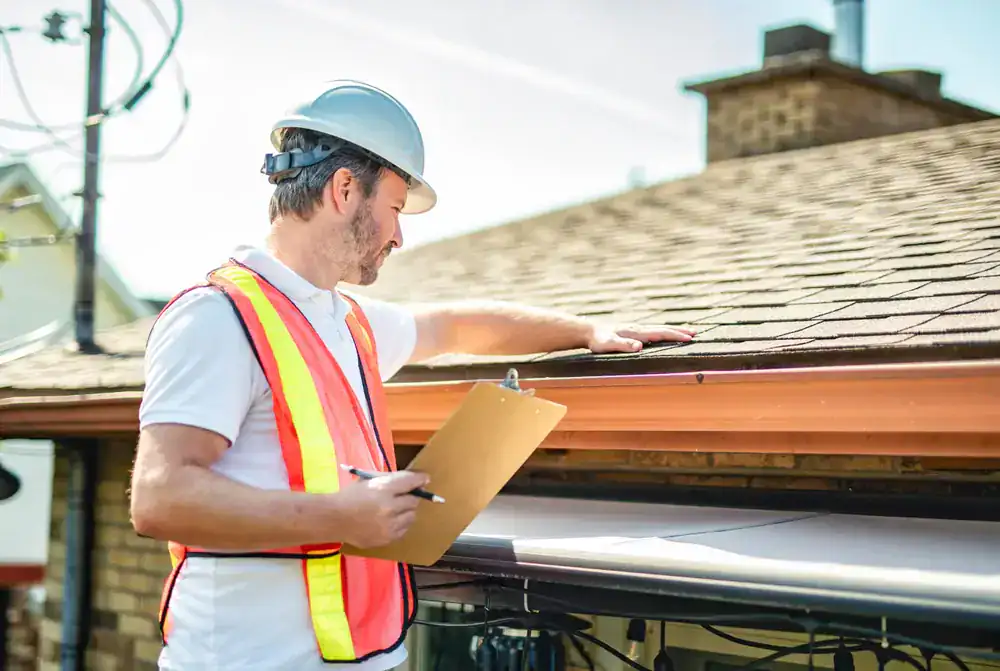
It starts with a free inspection scheduled at your convenience. When our inspector arrives at your Chestnut Ridge home, they’re not doing a quick visual scan from the driveway — they’re getting on the roof and going through it systematically. Shingles, flashing, ridge caps, valleys, pipe boots, gutters, soffit, fascia — the full picture, not just the obvious stuff.
Because we also handle gutters and siding, one visit covers your entire exterior envelope. That matters in this area, where a single nor’easter can lift ridge caps, bend gutters, and compromise soffit panels all at once. You don’t need three separate contractors to find out what the storm actually did.
After the inspection, you get a clear, honest assessment — in writing, with photos. If the roof is in good shape, you’ll hear that. If there are repairs needed, you’ll get a specific breakdown of what, where, and why. If you’re working with an insurance claim following storm damage, that documentation is exactly what your adjuster needs to see. In Montvale, roofing work that goes beyond minor repairs typically requires a building permit pulled through the borough’s construction office — a step that we handle as part of the process, not something that gets skipped to save time.
Ready to get started?
Certified Roof Inspector in Chestnut Ridge, NJ
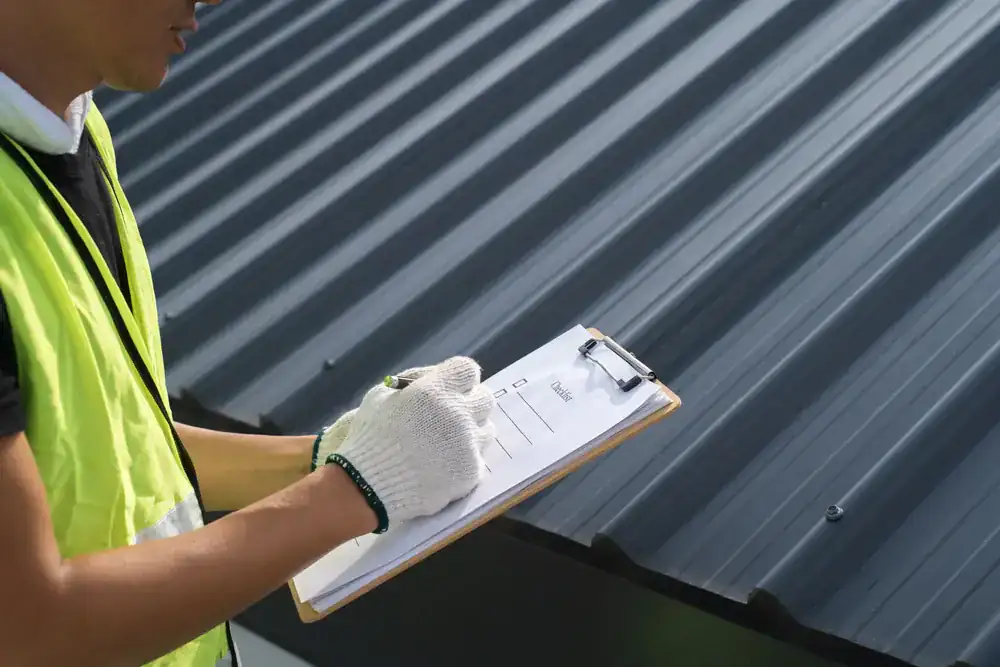
Our inspection covers every component of your roofing system — not just the shingles. That means flashing around chimneys, skylights, and pipe penetrations; the condition of ridge caps and hip shingles; valley integrity; gutter attachment and drainage; soffit and fascia condition; and any visible signs of moisture intrusion or structural deflection. If there’s a problem developing anywhere along that roofline, it gets documented.
For homeowners in Chestnut Ridge and throughout the Montvale area, the inspection also accounts for the specific wear patterns this climate creates. Ice dam damage at the eaves looks different from wind-lifted shingles from a nor’easter, which looks different from granule loss caused by a summer hail event. Knowing which type of damage you’re dealing with matters — both for repair planning and for how the claim gets documented if insurance is involved.
If you’re preparing to sell your home in what is consistently one of Bergen County’s most competitive real estate markets, a pre-listing roof inspection gives you the information you need before a buyer’s home inspector finds it first. With homes in this area regularly listed between $600,000 and well over $1 million, a roof issue flagged under contract pressure can cost far more than addressing it on your own timeline ever would.

How do I know if I need a roof inspection or a full replacement in Chestnut Ridge, NJ?
That’s exactly what an inspection is designed to tell you — and it’s a question worth asking before assuming the answer. A lot of homeowners in Chestnut Ridge call expecting to hear they need a full replacement and find out repairs will handle the problem. Others call thinking it’s a minor issue and learn the damage runs deeper than they realized.
The honest answer depends on what’s actually going on up there. Age is one factor — if your roof is pushing 20 to 25 years, it’s worth a professional look regardless of visible symptoms. But in northern Bergen County, age isn’t the only variable. A roof that’s been through repeated freeze-thaw cycles, ice dam seasons, and summer hail events may show stress well before its projected lifespan. Conversely, a well-maintained roof on a properly insulated and ventilated attic can outlast its warranty. The only way to know is to get on it and look — which is exactly what the free inspection is for.
What does a roof inspection actually include — what will the inspector check?
A thorough inspection goes well beyond shingles. We assess shingle condition and granule retention, check all flashing points — chimney, skylights, pipe boots, and wall transitions — examine ridge caps and hip shingles, look at valley integrity, check gutter attachment and drainage, and assess soffit and fascia for signs of rot or moisture damage.
We’re also looking for less obvious indicators: sagging or deflection in the decking that suggests structural issues below the surface, staining patterns that point to active or historical leaks, and ventilation problems that accelerate wear from the inside out. In the Chestnut Ridge area, ice dam damage at the eave line is a specific thing to assess — it can cause interior water intrusion and insulation damage that isn’t visible from the exterior at all. The inspection report includes photos of every finding, so you have documentation whether you’re planning repairs, filing a claim, or preparing your home for sale.
How soon after a storm should I schedule a roof inspection in Bergen County?
As soon as you can, especially after a significant event. The Pascack Valley area sees its share of nor’easters, severe summer thunderstorms, and hail-producing cells — and the window between when damage occurs and when it compounds is shorter than most homeowners expect. A small flashing failure or a few wind-lifted shingles can allow water infiltration that, over weeks, saturates insulation, rots decking, and creates interior damage that far exceeds the cost of the original repair.
After major storm events in Bergen County, reputable contractors get booked quickly. Scheduling your inspection early puts you ahead of the backlog and gives you documentation while the damage is fresh — which matters if you’re filing an insurance claim. Adjusters work from what they can see and verify; a professional inspection report with timestamped photos, completed shortly after the storm, is a much stronger basis for a claim than a delayed assessment weeks later.
Does a roof inspection in Montvale require a permit, and who handles that?
The inspection itself doesn’t require a permit — it’s an assessment, not construction work. But if the inspection identifies repairs or a replacement that needs to be done, that work typically does require a permit pulled through Montvale’s borough construction office. New Jersey’s Uniform Construction Code applies to roofing work, and permits ensure the job is inspected and meets code standards.
This matters more than most homeowners realize. Contractors who suggest skipping the permit process are putting you at risk — not themselves. When you sell your home, permit history is reviewed, and unpermitted work can complicate or derail a closing. We handle the permitting process as part of the job, not as an add-on or an afterthought. You shouldn’t have to chase down paperwork or navigate the borough’s construction office on your own — that’s part of what you’re hiring a licensed, registered NJ contractor to handle.
What's the difference between a certified roof inspector and a general contractor doing an inspection?
The difference is significant, and it shows up most clearly in two places: the quality of the assessment and the warranty coverage available to you afterward. A manufacturer-certified roofing contractor — through programs like GAF’s Master Elite, CertainTeed’s SELECT ShingleMaster, or Owens Corning’s Platinum Preferred designation — has completed product-specific training, maintained proper licensing and insurance, and demonstrated performance standards that earn them that certification. These programs are awarded to a small fraction of contractors nationally.
What that means for you practically: a certified contractor can offer manufacturer-backed warranty coverage that an uncertified operator cannot. If your roof is replaced or repaired by an uncertified contractor, you may be voiding the manufacturer warranty on the materials themselves — often without knowing it. In a market where Chestnut Ridge and Montvale homes are valued between $600,000 and well over $1 million, that warranty is a real financial protection on a significant asset. It’s worth verifying who you’re hiring before the work starts.
Is the free roof inspection actually free, or does it come with strings attached?
It’s genuinely free — no service fee, no assessment charge, no obligation to book anything afterward. You get the inspection, you get the findings, and you make your own decision from there. If the roof is in good shape and needs nothing, that’s what you’ll hear. Our business has grown for a decade through honest assessments and repeat referrals in communities like Chestnut Ridge — not through high-pressure tactics that push unnecessary work.
The free inspection offer exists because we’re confident enough in what we find and how we communicate it to let the work speak for itself. For homeowners in this area who are used to dealing with professional organizations and expect straightforward communication, that’s the standard we hold ourselves to. You’ll leave the conversation with a clear picture of your roof’s actual condition, documented in writing — whether that leads to a repair, a replacement, or simply peace of mind heading into the next nor’easter season.