
Roof Repair in Chestnut Ridge, NJ
When Ramapo Winters Win, Your Roof Loses First
Hear from Our Customers
Roof Leak Repair in Chestnut Ridge, NJ
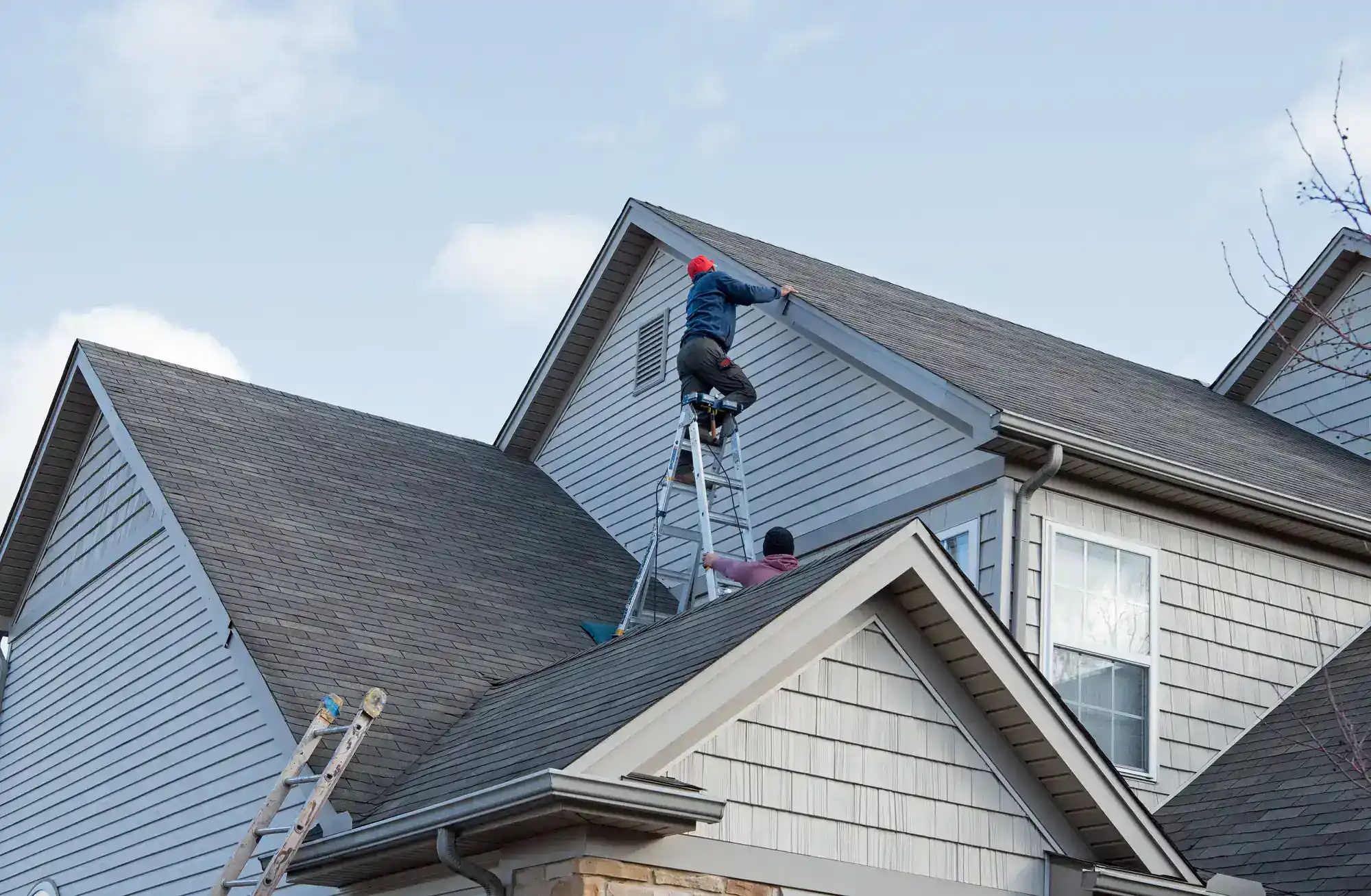
A small roof leak in a Chestnut Ridge home doesn’t stay small for long. Water finds its way into decking, insulation, and framing fast — and what starts as a $500 repair can quietly turn into a $5,000 problem if it sits through another freeze-thaw cycle. Getting it handled now is just the smarter financial move.
The homes along Chestnut Ridge Road and throughout the village were mostly built in the 1950s. That means most roofs here have already been replaced once or twice, and the ventilation and insulation systems underneath them weren’t built to today’s standards. That combination — aging materials on top, limited airflow underneath — is exactly what accelerates ice dam formation and shortens the life of every shingle above it.
When the repair is done right, you get more than a dry ceiling. You get a roof that’s actually performing the way it should, with documentation that protects your investment and follows the home if you ever sell. For a property worth over $700,000, that’s not a small thing.
Roof Repair Contractor in Chestnut Ridge, NJ
We’ve been serving homeowners across the northern New Jersey and Rockland County region for over ten years. That includes Chestnut Ridge and the cross-border communities where residents pull from both the New York and New Jersey contractor markets and have plenty of options — which means they can tell the difference between a company that’s been around and one that showed up after the last storm.
We’re family-operated, which means the people responsible for the estimate are the same people accountable for the finished job. No hand-off to a subcontracted crew, no commissioned salesperson who disappears after you sign. Manufacturer certifications back the materials, and full liability insurance and workers’ compensation protect you throughout the project.
Chestnut Ridge homeowners have high standards for their properties — and they should. The work we do here reflects that.
Shingle Roof Repair in Chestnut Ridge, NJ
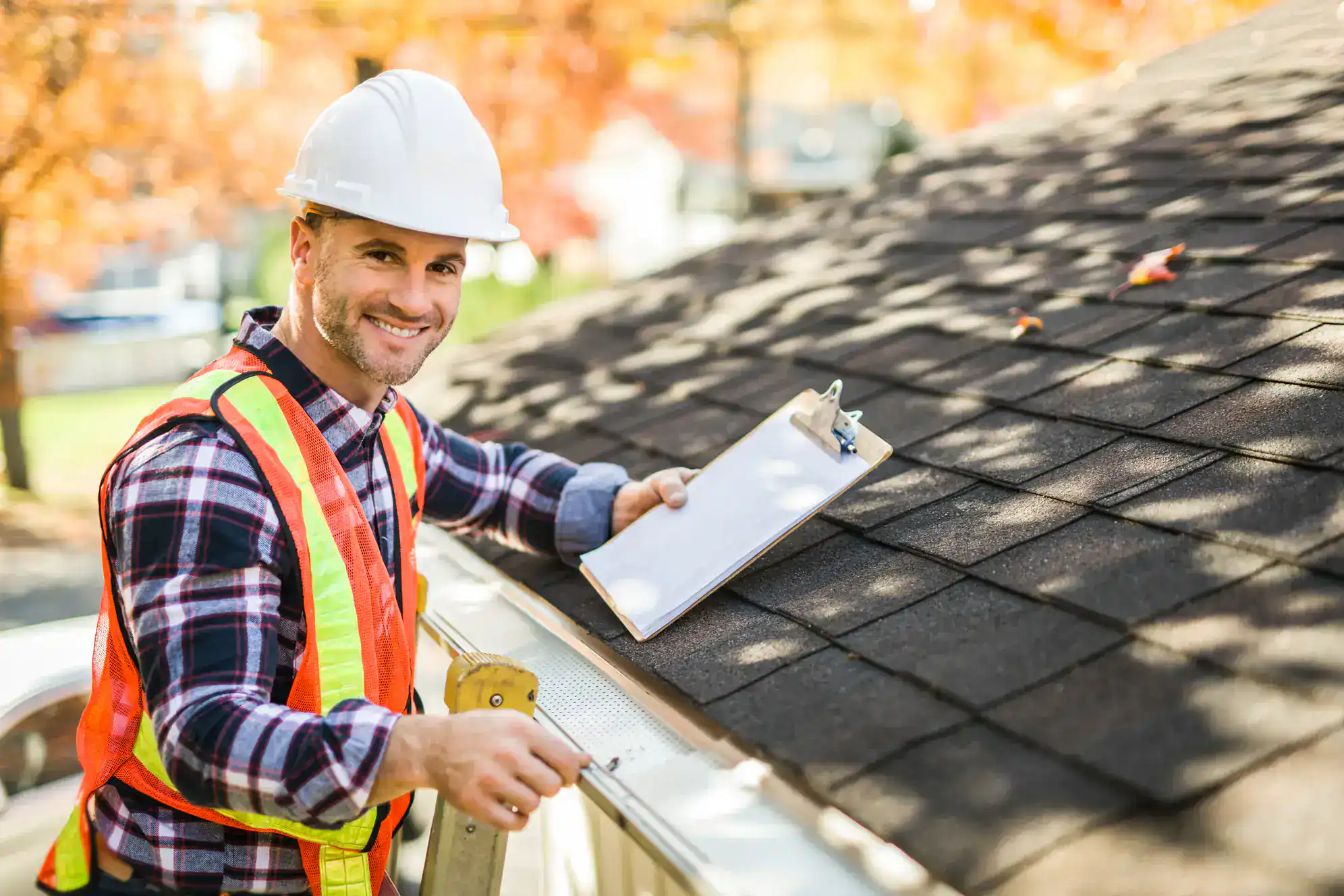
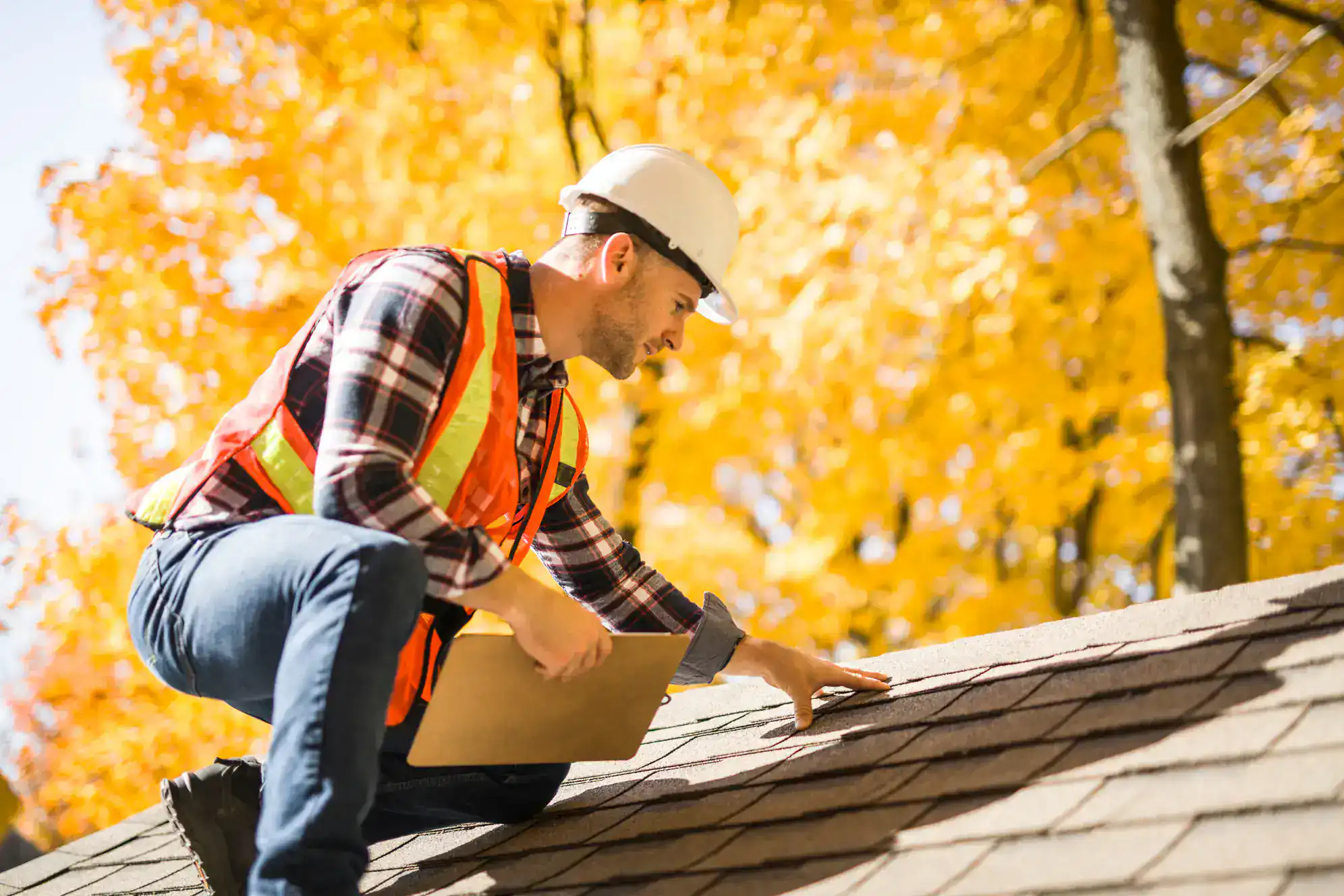
It starts with a free inspection. A trained eye goes over the full roof — shingles, flashing, valleys, ridge caps, gutters, and ventilation — and gives you a written assessment of what’s actually going on. Not a sales pitch. A real picture of what needs attention now, what can wait, and whether repair or full replacement makes more sense for your home’s age and condition.
From there, you get a written, itemized estimate. The scope is clear, the materials are specified, and the number you see is the number you pay — assuming the scope doesn’t change. For Chestnut Ridge homeowners dealing with potential storm damage, the inspection also includes documented photo evidence formatted for insurance adjuster review, which can make a real difference in how a claim is processed.
Once the work begins, New York State code requirements are followed throughout — including proper ice and water shield installation at the eaves, which is required in this climate zone and is one of the clearest indicators separating a professional installation from a shortcut job. When the crew leaves, the site is clean and the work is backed by both manufacturer and workmanship warranties.
Ready to get started?
Emergency Roof Repair in Chestnut Ridge, NJ
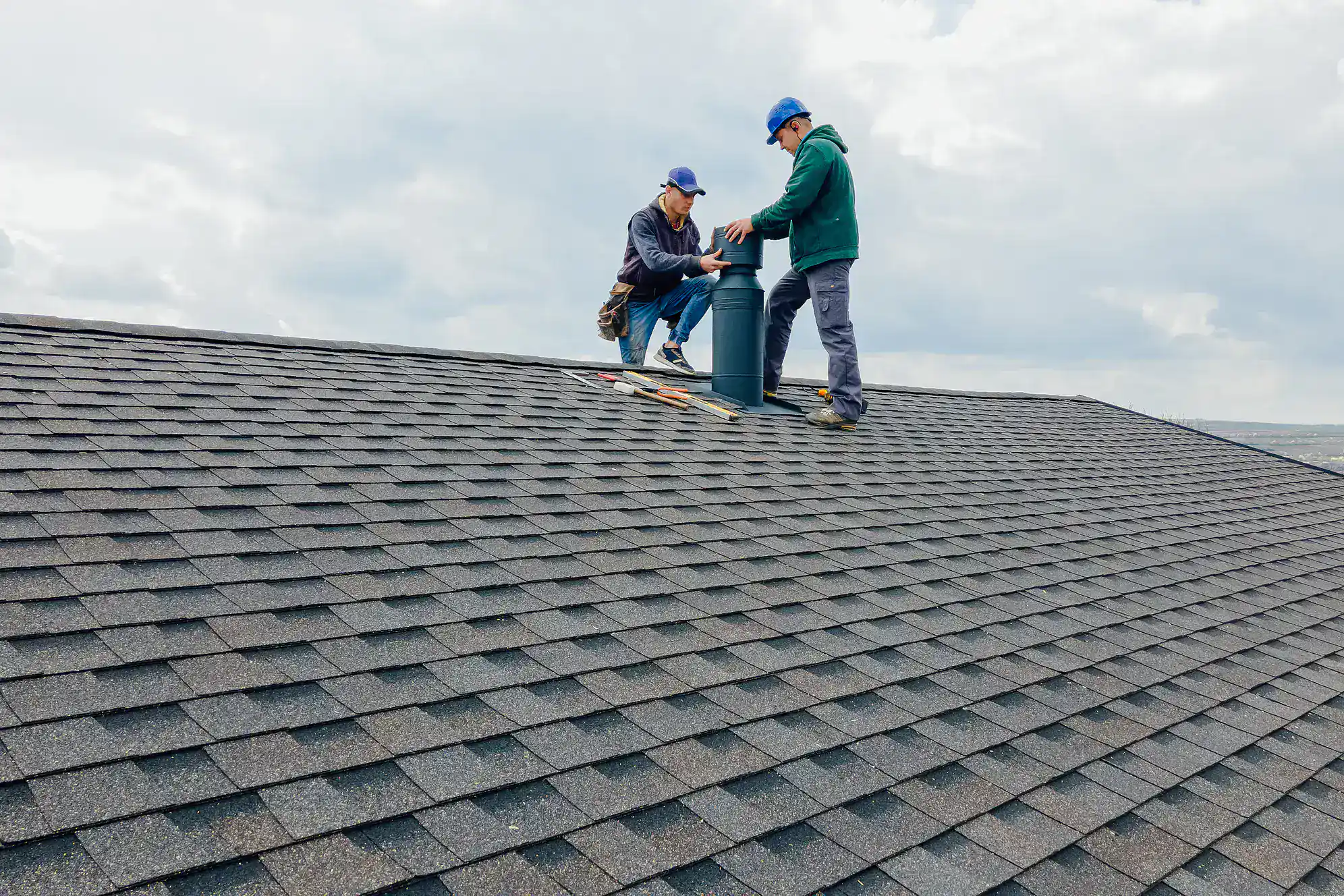
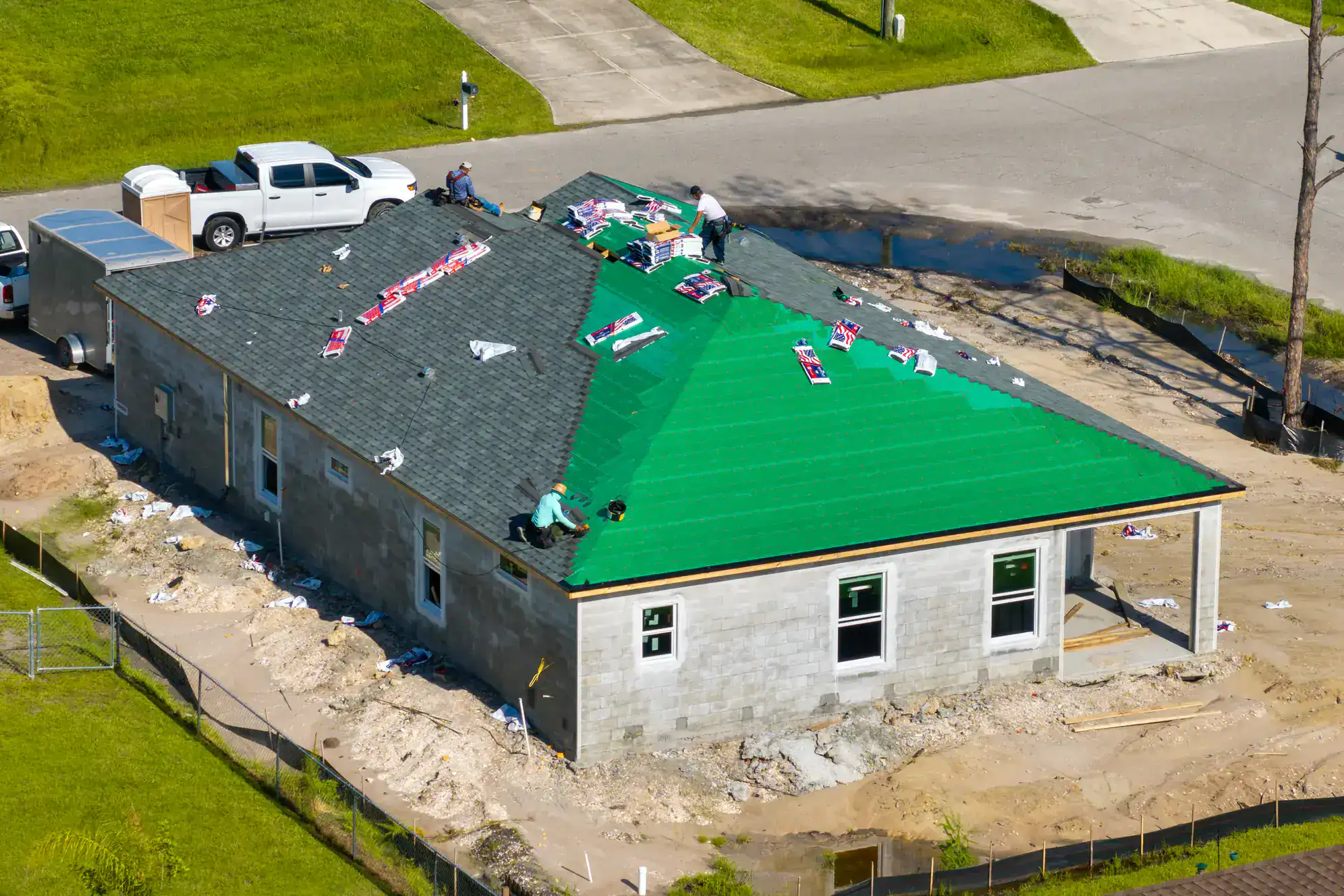
Roof repair in Chestnut Ridge covers a wider range of situations than most homeowners expect going in. Shingle roof repair is the most common call — cracked, lifted, or missing shingles from wind events or freeze-thaw cycling are a seasonal reality here. But flashing failure around chimneys, dormers, and skylights is just as common on 1950s-era homes, and it’s often the actual source of a leak that looks like a shingle problem from the outside.
Flat roof repair comes up more than people assume — detached garages, low-slope additions, and covered porches throughout the village have flat or near-flat surfaces that require different materials and techniques than pitched shingle work. Storm damage repair after nor’easters and summer hail events rounds out the most frequent calls, and that work often involves insurance documentation alongside the physical repair.
Emergency roof repair is also available when something can’t wait. Active water infiltration during or after a storm gets a rapid response — temporary weatherproofing to stop the damage from compounding, followed by a permanent repair plan once conditions allow. Whether you’re dealing with a fresh leak or something that’s been nagging you since last winter, the process starts the same way: a free inspection and an honest conversation about what it actually takes to fix it.
How do I know if my Chestnut Ridge home needs repair or full replacement?
This is the most important question to get right, because the answer has a big financial impact either way. A repair makes sense when the damage is isolated — a section of missing shingles, failed flashing around a chimney, or a compromised valley that’s causing a specific leak. If the rest of the roof is structurally sound and the shingles still have meaningful life left, a targeted repair is the right call.
Replacement becomes the honest recommendation when the damage is widespread, when the decking underneath has been compromised by repeated water intrusion, or when the roof is simply at the end of its designed lifespan. For the 1950s-era homes throughout Chestnut Ridge, a roof installed in the mid-1990s is now approaching or past 30 years of service — which is the upper limit for standard architectural shingles. A free inspection gives you a clear, written answer based on what’s actually up there, not a reflexive upsell in either direction.
What causes ice dams, and can roof repair in Chestnut Ridge actually fix them?
Ice dams form when heat escapes through the roof deck — usually because of inadequate attic insulation or poor ventilation — and melts the snow sitting above it. That water runs down to the cold eaves, refreezes, and builds up a dam that forces water back under the shingles. The interior water stains Chestnut Ridge homeowners find every spring are almost always the result of this cycle, not a shingle failure in the traditional sense.
Roof repair can address the damage ice dams cause — replacing affected shingles, repairing or installing proper ice and water shield at the eaves (which New York State code requires in this climate zone), and sealing the entry points water has been using. What repair alone can’t fix is the underlying heat-loss issue. If your attic insulation or ventilation is the root cause, that needs to be addressed separately — and we’ll tell you that upfront rather than let you pay for a repair that will fail again next winter.
How much does roof repair typically cost in Chestnut Ridge, NJ?
The range is genuinely wide depending on what’s involved. Minor shingle repairs — replacing a small section of damaged or missing shingles — typically run in the $400 to $800 range. Moderate repairs involving flashing, valley work, or multiple damaged sections can run $1,000 to $3,000. If the damage has reached the decking or involves structural elements, you’re looking at $3,000 to $7,000 or more depending on the extent.
What drives cost up in Chestnut Ridge specifically is the age of the housing stock. On a 1950s home, it’s not unusual to open up a repair and find decking that needs partial replacement, or ventilation components that are so outdated they need to be addressed as part of the job. A free inspection and written estimate before any work starts means you know the full scope and the real number before you commit — no surprises after the crew is already on the roof.
Does roof storm damage repair in Chestnut Ridge involve working with my insurance company?
It can, and knowing how that process works ahead of time makes a real difference. When hail or high winds cause damage, your insurance company will send an adjuster to assess the scope. The challenge is that adjuster assessments don’t always capture everything — hail impact on shingles, for example, often isn’t visible from the ground but is clearly documented in a close-up inspection.
We provide written, photographed damage documentation formatted in the way adjusters need to see it. That documentation supports your claim and helps ensure the approved scope actually covers what needs to be repaired. The Rockland County and northern Bergen County region sees enough storm activity — nor’easters, summer hail, high-wind events — that insurance-related roof work is a regular part of the job here. Having a contractor who knows how to navigate that process alongside you is worth more than most homeowners realize until they’re in the middle of it.
Do I need a permit for roof repair in Chestnut Ridge, NY?
For minor repairs — patching a small section of shingles, replacing flashing, or sealing a specific leak point — a permit is typically not required. For a full roof replacement, a building permit is generally required through the Town of Ramapo’s building department, which administers permits for work within the Village of Chestnut Ridge.
This matters more than most homeowners think. Work done without a required permit can complicate a future home sale, create issues with a homeowners insurance claim, or result in code compliance problems that are expensive to resolve after the fact. We handle permit procurement as part of the job — you shouldn’t have to navigate that process yourself. If there’s any question about whether your specific repair scope requires a permit, that gets clarified before work begins, not after.
Why does USA Home Remodeling offer free roof inspections in Chestnut Ridge?
Because the inspection is where trust either gets built or it doesn’t. Chestnut Ridge homeowners aren’t looking for a contractor who charges them $200 to tell them they need a $15,000 roof. You want someone who will actually get up there, look at what’s going on, and give you a straight answer — whether that’s “you need a repair,” “you need a replacement,” or “you’ve got a few more years if you address this one thing now.”
The free inspection removes the financial barrier to getting real information about your home. For a community where homes are worth well over $700,000 and property taxes run close to $10,000 a year, making an uninformed decision about the roof is a risk that doesn’t need to exist. The inspection costs you nothing. What you get out of it is a clear picture of where your roof actually stands — and that’s worth having regardless of what you decide to do next.