
Siding Installation in New Milford, NJ
River Road to New Bridge — Your Home Deserves Better Than Aging Siding
Hear from Our Customers
Residential Siding Contractors in New Milford, NJ
Most New Milford homeowners aren’t thinking about siding until something forces the issue — a cracked panel after a hard winter, bubbling near a window frame, or that soft spot you found when you pressed against the wall near the foundation. By that point, the surface damage is usually the least of it. What’s underneath — the sheathing, the housewrap, the framing — has often been absorbing moisture for longer than you’d want to know.
New siding done right doesn’t just change how your home looks. It changes how it performs. Homes in the New Bridge area and along the western side of New Milford sit close enough to the Hackensack River that moisture isn’t a seasonal concern — it’s a year-round one. Proper installation with the right moisture barrier and flashing details means water stops finding its way in, and the interior of your walls stays dry the way they were designed to.
Bergen County winters are hard on exterior cladding. Freeze-thaw cycles work their way into every gap, every loose seam, every hairline crack in aging vinyl. New siding, installed with correct expansion tolerances and sealed penetrations, stops that cycle before it starts. Because New Milford’s borough code specifically requires that replacement materials match the character of the surrounding block, you’re also protecting your home’s assessed value — not just its curb appeal.
Local Siding Company Serving New Milford, NJ
We’ve been working on the exteriors of Bergen County homes for close to ten years, with deep roots in New Milford and the surrounding communities. That means Cape Cods with dormers, split-levels with multi-plane siding, colonials with layered trim details — the exact housing types that make up most of New Milford’s residential streets. Our experience wasn’t built somewhere else and brought here. It was built here.
We’re family-operated, which means the accountability is personal. You’re not dealing with a rotating crew or a regional call center. Our licensing is current, insurance is in place, and our estimates are written — not ballpark figures that shift when the invoice arrives. We offer free inspections because a lot of New Milford homeowners genuinely aren’t sure whether they need a repair or a full replacement, and that question deserves an honest answer before any money changes hands.
Our growth has been driven by reviews, not ad spend. That’s worth something in a borough where neighbors talk to each other and word travels fast.

Siding Installation Process in New Milford, NJ
It starts with a free inspection. Before anything is quoted, we take a real look at the exterior of your home — not a glance from the driveway. That means checking the condition of existing panels, looking at what’s happening at the seams and penetrations, and assessing the substrate underneath. For homes near the Hackansack River in New Milford, that substrate check matters more than most homeowners realize, because moisture damage to sheathing doesn’t always show up on the surface until it’s been there a while.
From there, you get a written estimate. The number in that estimate is the number you’ll see on the final invoice. We explain material options in plain terms — what performs well in Bergen County’s climate, what holds up through freeze-thaw cycling, what makes sense for your specific home type and your neighborhood’s character. New Milford’s borough code requires that replacement siding be consistent with the surrounding block, so material selection isn’t just aesthetic — it has a compliance component that we handle as part of the process.
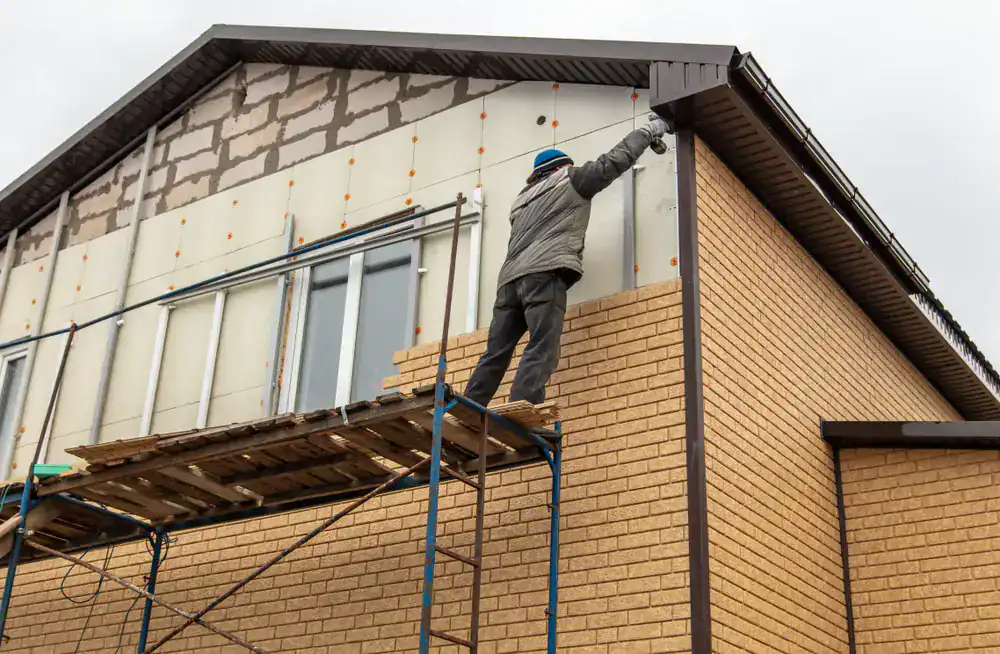
Once work begins, we pull the permit through New Milford’s Building Department on River Road, the old siding comes off, the substrate is inspected and addressed if needed, and new panels go on with proper flashing and moisture barrier in place. We clean up the job site before our crew leaves. Final inspection gets scheduled and completed. You’re not left managing that process yourself.

Ready to get started?
Vinyl Siding Contractors in New Milford, NJ
Our siding installation covers the full scope — not just the panels. That means removal and disposal of existing cladding, substrate inspection and repair where needed, moisture barrier and housewrap installation, proper flashing at every window, door, and roof-wall intersection, and full panel installation with correct expansion gaps and sealed penetrations. Trim, soffit, and fascia work gets handled as part of the project when it’s part of the scope, not added as a surprise line item at the end.
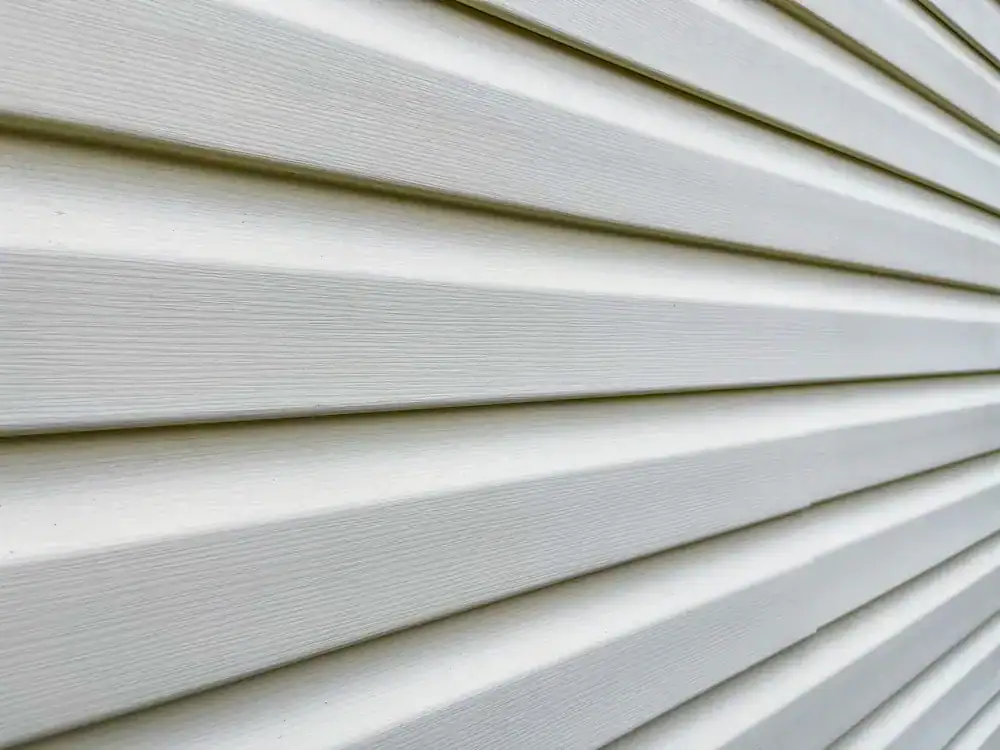
Material options include vinyl siding — both standard and insulated — along with fiber cement for homeowners who want a harder-wearing product that handles New Jersey’s humidity and temperature swings particularly well. Insulated vinyl is worth a real conversation for New Milford’s older homes, most of which were built before modern energy codes and have minimal wall insulation. The added thermal layer makes a noticeable difference in how the home retains heat through a Bergen County winter.
Every installation we complete is backed by manufacturer warranty coverage. That warranty is only valid when the work is done by a certified installer — which is exactly why certification matters and why it should be one of the first questions you ask any contractor you’re considering. We carry the certifications that keep your warranty intact from day one.

Do I need a permit for siding installation in New Milford, NJ?
Yes, in most cases you do. Under New Jersey’s Uniform Construction Code, siding replacement that constitutes a substantial exterior alteration requires a construction permit. New Milford’s Building Department, located at 930 River Road, handles these permits for the borough. Skipping the permit process isn’t just a code violation — it can create real problems when you go to sell the home, because unpermitted exterior work often surfaces during a buyer’s inspection and can delay or derail a closing.
There’s also a specific provision in New Milford’s borough code worth knowing about. Chapter 10 of the Building and Housing code requires that replacement siding materials be “of standard quality and appearance commensurate with the character of the properties in the same block.” That means your material selection has a compliance component, not just an aesthetic one. We handle the permit pull and the inspection scheduling as part of the job — that’s part of what you’re paying for when you hire a licensed contractor who knows the local requirements.
How do I know if I need siding repair or full replacement in New Milford?
The honest answer is that you often can’t tell from the outside, which is exactly why a professional inspection matters before you commit to anything. Visible damage — cracked panels, fading, warping — is usually the easy part. What’s harder to assess without getting into the wall is the condition of the substrate underneath. In New Milford, particularly for homes on the western side of the borough near the Hackensack River, moisture infiltration into the sheathing is a real and documented concern. A home that looks like it needs a few panels replaced can turn out to have compromised sheathing behind them.
As a general rule, if the damage is isolated to a small section and the surrounding panels are structurally sound, repair can be a legitimate option. But if the siding is original to a home built in the 1950s or 1960s — which describes a significant portion of New Milford’s housing stock — the more cost-effective answer over a five-to-ten year horizon is usually full replacement. Patching 60-year-old vinyl buys time, not a solution. A free inspection gives you the actual picture before you decide.
What siding material holds up best in Bergen County's climate?
Bergen County winters are genuinely hard on exterior cladding. The combination of cold temperatures, repeated freeze-thaw cycling, and nor’easters with sustained wind-driven rain creates conditions that expose every weakness in aging or improperly installed siding. For most New Milford homeowners, the two materials worth the most serious consideration are insulated vinyl and fiber cement.
Insulated vinyl performs well in freeze-thaw conditions because the foam backing reduces the panel’s tendency to contract and crack in extreme cold. It also adds a thermal layer that matters in older New Milford homes with minimal wall insulation — built before modern energy codes, most of these houses lose meaningful heat through the walls. Fiber cement is the more durable long-term option: it doesn’t crack in cold, it handles humidity well, and it holds paint without the fading issues that standard vinyl develops over time. It requires more involved installation and costs more upfront, but for a home you’re planning to stay in, the longevity argument is strong. The right choice depends on your specific home, your budget, and what you’re trying to solve — which is a conversation worth having before you pick a material.
How long does siding installation typically take on a New Milford home?
For a standard single-family home in New Milford — a Cape Cod, split-level, or colonial, which are the most common types in the borough — a full siding replacement typically runs two to four days of active installation work, weather permitting. That timeline can extend if there’s substrate damage that needs to be addressed before new panels go on, or if the home has complex architectural details like multiple dormers, bay windows, or intricate trim work that requires more precise fitting.
Permitting adds time to the overall project timeline, but it’s not something that should catch you off guard if you’re working with a contractor who handles it proactively. In New Milford, the permit gets pulled through the Building Department before work begins, and a final inspection gets scheduled after the job is complete. The practical advice on timing: spring and early fall are the busiest seasons for exterior work in Bergen County, and quality contractors typically book four to eight weeks out during those windows. If you’re thinking about a spring project, getting your inspection and estimate done in late winter puts you in a much better position than waiting until April.
What should I ask a siding contractor in New Milford before hiring them?
Start with the basics that a lot of homeowners skip: Are you registered as a Home Improvement Contractor with the NJ Division of Consumer Affairs? Can you provide proof of general liability insurance and workers’ compensation coverage? New Jersey’s HIC registration requirement exists specifically to protect homeowners, and a contractor who can’t produce that registration number quickly is a contractor worth walking away from.
Beyond licensing and insurance, ask whether they’ll pull the permit through New Milford’s Building Department and handle the final inspection — or whether they expect you to manage that yourself. Ask whether the estimate is written and whether the final invoice will match it. Ask about manufacturer certifications, because those certifications are what keep your warranty valid after the job is done. And ask specifically about their experience with the type of home you have. Cape Cods and split-levels — the dominant housing types on most New Milford streets — have specific siding challenges around rooflines, dormers, and trim transitions that not every contractor handles with the same level of care. Experience with this specific housing stock in this specific market isn’t a minor detail.
Why does USA Home Remodeling offer free siding inspections in New Milford, NJ?
Because a lot of New Milford homeowners are genuinely unsure what they’re dealing with, and that uncertainty shouldn’t cost you anything to resolve. The borough’s housing stock skews old — the majority of homes were built before 1970, and a significant share predate 1939. Siding on those homes has been through decades of Bergen County winters, and the damage that matters most is often the kind you can’t see from the sidewalk. Moisture behind panels, compromised sheathing, failed housewrap — these are things that only show up when someone actually looks.
The free inspection exists because it’s the right starting point for an honest conversation. You find out what’s actually going on with your exterior before committing to anything. If the answer is that you need a full replacement, you’ll know why. If the answer is that a targeted repair makes more sense right now, you’ll hear that too. For homeowners near the Hackensack River — in New Bridge and the western sections of New Milford — that inspection is especially worth doing, because flood-adjacent moisture conditions create the kind of substrate damage that tends to stay hidden until it becomes a much bigger problem. No cost, no obligation, just a straight answer about where your home stands.