
Siding Installation in New Brunswick, NJ
Hub City Homes Deserve Siding That Actually Holds Up
Hear from Our Customers
Vinyl Siding Contractors in New Brunswick, NJ
New siding does more than improve how your home looks. It closes off the entry points that let moisture work its way into your walls — and in New Brunswick, where over 45% of homes were built before 1960, that kind of protection isn’t optional. Older substrates, aging wood framing, and decades of paint layers create conditions that failing siding makes worse every season. Getting ahead of it means you’re not dealing with rot, mold, or sheathing damage down the road.
From a financial standpoint, it matters too. Home values in New Brunswick are sitting around $372,000 and climbing. A properly installed exterior doesn’t just protect what’s behind the walls — it protects the number your home commands when it’s time to sell or refinance. Buyers and appraisers notice siding that’s cracked, faded, or pulling away from the house.
And from a practical standpoint, new siding means lower energy bills. Central New Jersey winters are hard on homes that aren’t sealed properly. Insulated vinyl siding in particular makes a real difference in how your home holds heat — which shows up in your utility costs from November through March.
Residential Siding Contractors in New Brunswick, NJ
We’ve been working on homes across New Brunswick and Middlesex County for about ten years. That includes everything from newer builds near the Rutgers campus to pre-war construction in the Second Ward neighborhoods that require a more careful approach. We know what older homes look like under the surface — and we’re not going to tell you that you need a full replacement when a targeted repair is the honest answer.
We’re family-operated, which means the people making decisions about your project are accountable to their name, not a regional call center. Licensing, manufacturer certifications, and proper insurance aren’t things we mention to sound impressive — they’re the baseline you should require from any contractor working on your home in New Jersey.
Free estimates and free inspections are part of how we work. You get a real assessment and a clear number before any commitment is made.

Siding Installation Process in New Brunswick, NJ
It starts with a free inspection. We come out, look at what you’re working with, and give you an honest read on the condition of your current siding, the substrate underneath, and whether you’re looking at repair or full replacement. For a lot of New Brunswick homes — especially those built before 1960 — that inspection matters more than it would on a newer house, because what’s behind the siding can tell a very different story than what you see from the street.
Once the scope is clear, you get a written estimate. That number doesn’t change unless something genuinely unexpected comes up during the work — and if it does, we talk to you before we do anything about it. No surprises on the final invoice.
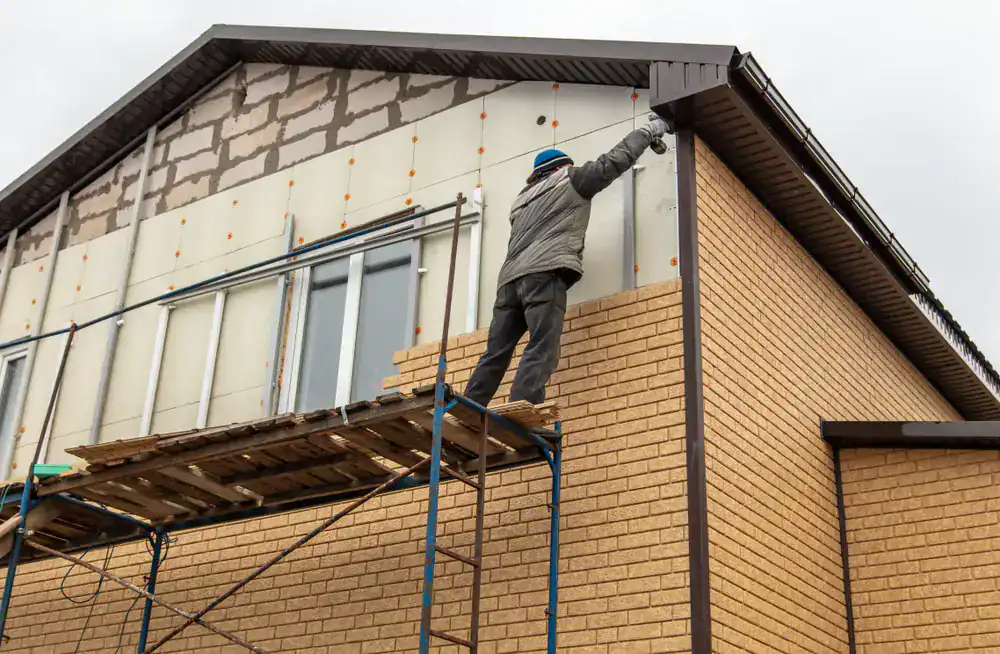
Installation day is straightforward. The old material comes off, the substrate gets assessed and addressed if needed, and the new siding goes on following manufacturer specifications. That last part isn’t just about quality — it’s what keeps your warranty valid. New Brunswick’s climate puts real stress on exterior cladding, so proper installation technique, flashing, and sealing around windows and penetrations aren’t shortcuts we take. When the job is done, we walk the exterior with you before we leave.

Ready to get started?
Siding Contractors Serving New Brunswick, NJ
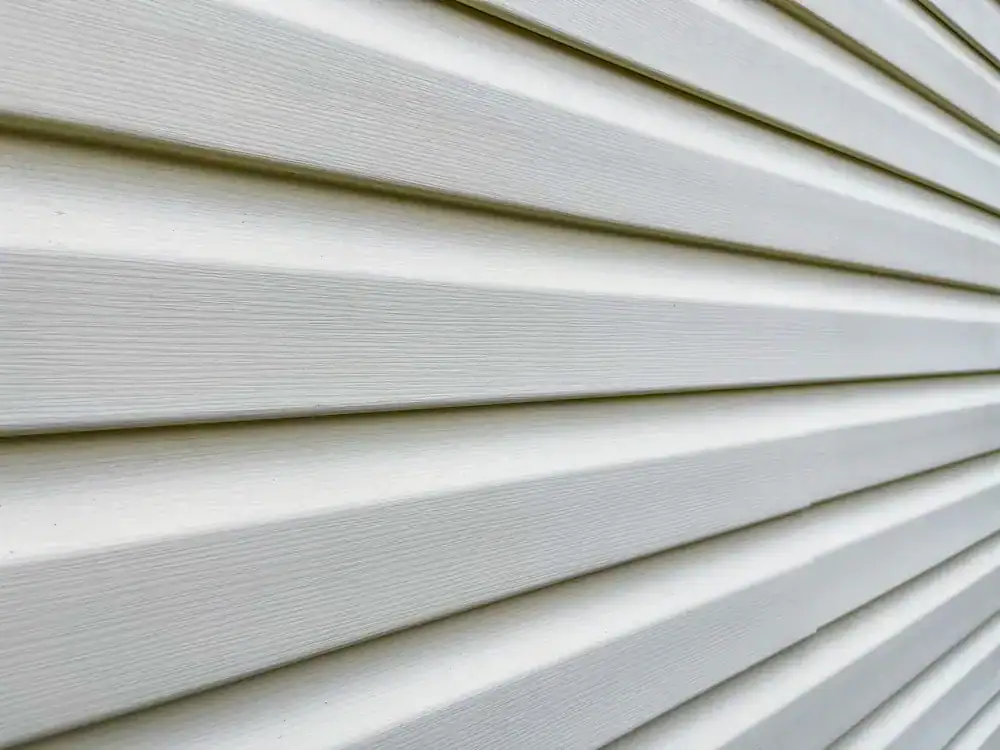
Vinyl siding is the most common choice for good reason — it’s durable, low-maintenance, and holds up well through New Jersey’s freeze-thaw cycles without cracking or warping when it’s installed correctly. For homeowners in New Brunswick who want something with more impact resistance and a longer lifespan, fiber cement siding — including James Hardie products — is worth the conversation. It handles moisture better, it doesn’t dent, and it performs well on older homes where the exterior profile matters.
We also install insulated vinyl siding, which adds a layer of foam backing that improves energy efficiency and gives the panel a more solid feel. For homes near the Livingston Avenue Historic District or in neighborhoods with older architectural character, we can work with profiles and styles that complement the original look of the house rather than fighting it.
Because we handle roofing and gutters alongside siding, we can identify and address the full exterior picture in one project. That matters in a city like New Brunswick, where aging homes often have interconnected issues — a failing gutter that’s been directing water behind the siding for years, or a roofline detail that’s been compromising the wall below. You shouldn’t need three separate contractors to fix what is ultimately one problem.

Do I need a permit for siding installation in New Brunswick, NJ?
New Jersey operates under a statewide Uniform Construction Code, and under that framework, routine siding replacement on a one- or two-family home may not require a municipal permit depending on the scope of work. That said, New Brunswick is a dense urban municipality and may have local requirements that differ from surrounding townships like North Brunswick or Piscataway — so it’s worth confirming with the city’s construction office before work begins.
What is universally required in New Jersey is that any contractor performing home improvement work be registered under the NJ Home Improvement Contractor program through the Division of Consumer Affairs. That registration is not optional, and hiring an unregistered contractor puts you at a significant legal disadvantage if something goes wrong. We handle the licensing side and can help you understand what’s required for your specific project before any work starts.
How long does siding typically last on a home in New Jersey's climate?
Vinyl siding typically lasts between 20 and 40 years, but that range is heavily influenced by installation quality and climate exposure. In central New Jersey, the freeze-thaw cycle is one of the biggest factors — panels that weren’t properly installed with room for thermal expansion will crack and pull away from the house over time, especially on the north-facing sides that see the most temperature stress.
For New Brunswick homes built before 1960, the more relevant question is often what’s underneath the siding. If the original siding was aluminum or wood and was covered over rather than removed, there may be moisture damage or rot in the substrate that needs to be addressed before new material goes on. A proper inspection will tell you what you’re actually working with.
What's the difference between vinyl siding and fiber cement siding for older homes?
Vinyl siding is lighter, less expensive, and easier to install, which makes it the most common choice for residential replacement projects. It handles moisture well, doesn’t rot, and is available in a wide range of profiles and colors. For most New Brunswick homeowners replacing aging aluminum or original wood siding, vinyl is a practical, cost-effective solution that will perform well for decades with minimal upkeep.
Fiber cement — James Hardie being the most recognized brand — is denser, heavier, and more impact-resistant. It doesn’t dent, it holds paint longer, and it handles the kind of moisture exposure that older homes near the Raritan River corridor can see during heavy rain events and nor’easters. For homes in historically characterized neighborhoods or for homeowners who want a material that looks more like traditional wood siding, fiber cement is worth the additional investment. The installation is more labor-intensive, which is reflected in the cost — but the lifespan and performance in a demanding climate like New Jersey’s make it a legitimate long-term value.
How do I know if my siding needs repair or full replacement in New Brunswick?
The honest answer is that it depends on what the inspection shows — and that’s not a dodge, it’s the truth. Isolated damage, a few cracked panels, or minor gaps around windows can often be addressed with targeted repairs that cost a fraction of a full replacement. If the damage is localized and the rest of the exterior is structurally sound, repair is the right call.
Full replacement makes more sense when the siding is aging uniformly across the house, when there’s evidence of moisture infiltration behind multiple sections, or when the material has reached the end of its useful life. For pre-1960 homes in New Brunswick’s Second Ward or Fourth Ward neighborhoods, the original siding — or even a previous replacement layer — may be at a point where patching it is just delaying the inevitable. A free inspection gives you a real answer based on your specific home, not a default recommendation toward the more expensive option.
What siding material works best for energy efficiency in New Jersey winters?
Insulated vinyl siding is the most direct answer for energy efficiency. It has a layer of contoured foam backing built into the panel, which eliminates the hollow gap that standard vinyl siding leaves between the panel and the wall sheathing. That gap is where heat loss happens, and in a New Jersey winter — where temperatures in New Brunswick regularly drop into the teens and single digits — closing that gap makes a measurable difference in how well your home holds heat.
Beyond the siding material itself, the installation details matter just as much. Proper house wrap, correctly lapped and taped at all seams and penetrations, is what actually creates the air and moisture barrier that keeps your home efficient. A new layer of siding installed over an old, compromised house wrap won’t perform the way it should. When we do a full replacement, we assess and address the wrap layer as part of the job — not as an upsell, but because skipping it undermines everything else.
How much does siding installation cost in New Brunswick, NJ?
Siding installation costs vary based on the size of your home, the material you choose, and what the inspection reveals about the condition of the substrate underneath. For a typical residential replacement project in New Brunswick using standard vinyl siding, you’re generally looking at a range that reflects both material and labor — and for fiber cement or insulated vinyl, that number moves up accordingly. We provide written estimates after a free inspection, so you’ll have a specific number for your home before you commit to anything.
What’s worth understanding in New Brunswick specifically is that older homes sometimes carry hidden costs that don’t show up until the old siding comes off — moisture-damaged sheathing, deteriorated house wrap, or framing issues that need attention before new material goes on. A contractor who gives you a firm number without inspecting the house first is either guessing or planning to adjust the invoice later. We’d rather give you the real picture upfront so there are no surprises when the work is underway.