
Siding Installation in Masonicus, NJ
Masonicus Homes Deserve More Than a Surface Fix
Hear from Our Customers
Residential Siding Contractors in Masonicus, NJ
When siding fails on a Masonicus home, it rarely announces itself. It shows up as a damp smell in the wall, a utility bill that keeps climbing, or a patch of paint that won’t stop peeling. By the time it’s visible from the street, the damage underneath has usually been building for years.
The homes throughout Masonicus — most built between the 1960s and 1990s — were constructed during an era when housewrap either didn’t exist or was installed minimally. That means aging siding here isn’t just cosmetic. It’s often the only real barrier between your wall cavity and the wind-driven rain that nor’easters push straight off the Ramapo ridge line. New siding, installed correctly with a proper moisture barrier and sealed flashing, stops that cycle before it becomes a structural problem.
Beyond protection, the difference in curb appeal is immediate. In Masonicus, where homes average over $640,000 and sell in roughly 34 days, the exterior condition of your home matters — whether you’re staying for another 20 years or starting to think about a future sale. Done right, a full siding replacement doesn’t just look better. It performs better, insulates better, and gives you documented, permitted work that holds up when it counts.
Local Siding Company Serving Masonicus, NJ
We’ve been working on homes across Bergen County for close to ten years. That’s not a headline — it’s just the reality of building a business on repeat customers and word-of-mouth in a market where homeowners talk to their neighbors. In Masonicus specifically, we’ve completed dozens of full siding replacements on the established streets throughout the township.
We’re family-operated, which means the person who gives you an estimate is connected to the person responsible for the finished product. There’s no handoff to a subcontractor you’ve never met and no corporate layer between you and accountability. For homes throughout Masonicus, that kind of direct ownership over the work matters.
Licensing, general liability insurance, and manufacturer certifications aren’t mentioned here to impress you. They’re mentioned because in New Jersey, they’re your protection. Under the NJ Consumer Fraud Act, working with an unregistered home improvement contractor leaves you with little to no legal recourse if something goes wrong. We’re fully registered and insured, so you’re covered from day one.

Siding Installation Process in Masonicus, NJ
It starts with a free inspection. Not a sales pitch disguised as an assessment — an actual look at your current siding, the substrate underneath, and any moisture or structural issues that need to be addressed before new material goes on. For older Masonicus homes, this step matters more than most homeowners realize. A lot of what gets missed by other contractors shows up here.
From there, you get a written estimate with line items. What’s being removed, what’s going on, what materials are being used, and what the total cost is — before anything is signed. If the inspection turns up substrate damage or missing housewrap (common in homes of this vintage), that conversation happens with you before any additional work proceeds. The number in the estimate is the number on the invoice.
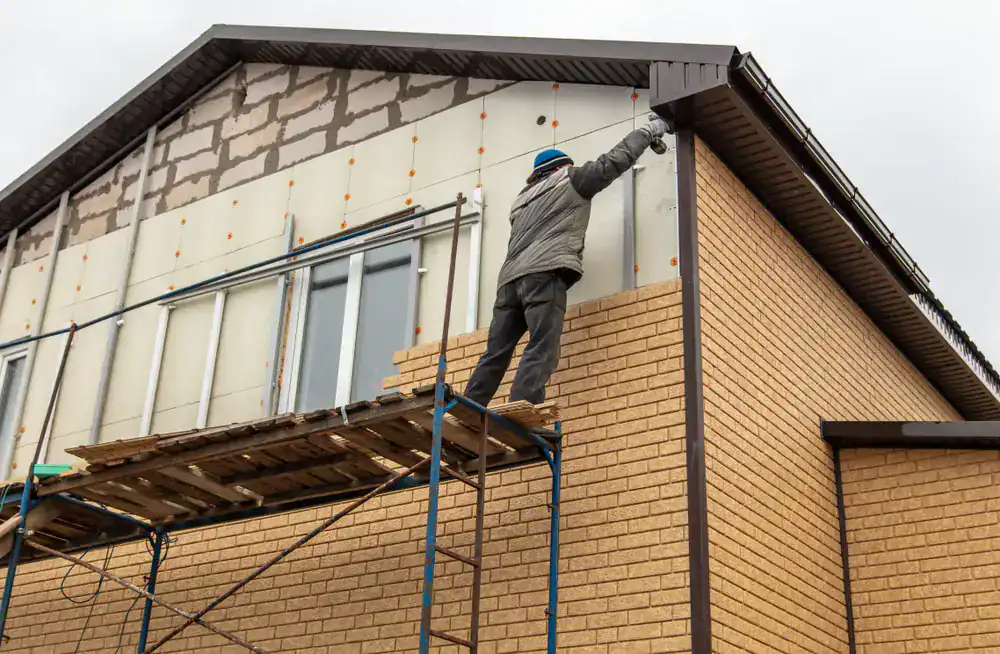
Once the project starts, the full existing siding comes off. The substrate gets inspected and addressed. New housewrap or moisture barrier goes on. Then the siding is installed to manufacturer specifications — which matters because it’s the only way to keep the warranty fully intact. Mahwah Township requires a construction permit for full-home siding replacement, and we handle that process as part of the project. Inspections get scheduled, documentation gets filed, and you end up with permitted work that’s on record — something that matters significantly when it comes time to sell a home in a market this active.

Ready to get started?
Vinyl Siding Contractors in Masonicus, NJ
Full siding installation with us covers the complete scope — not just the panels. That means removal of existing siding, substrate inspection, moisture barrier installation, proper flashing at every window, door, and roof-wall intersection, and final cleanup. Nothing gets skipped to hit a lower number.
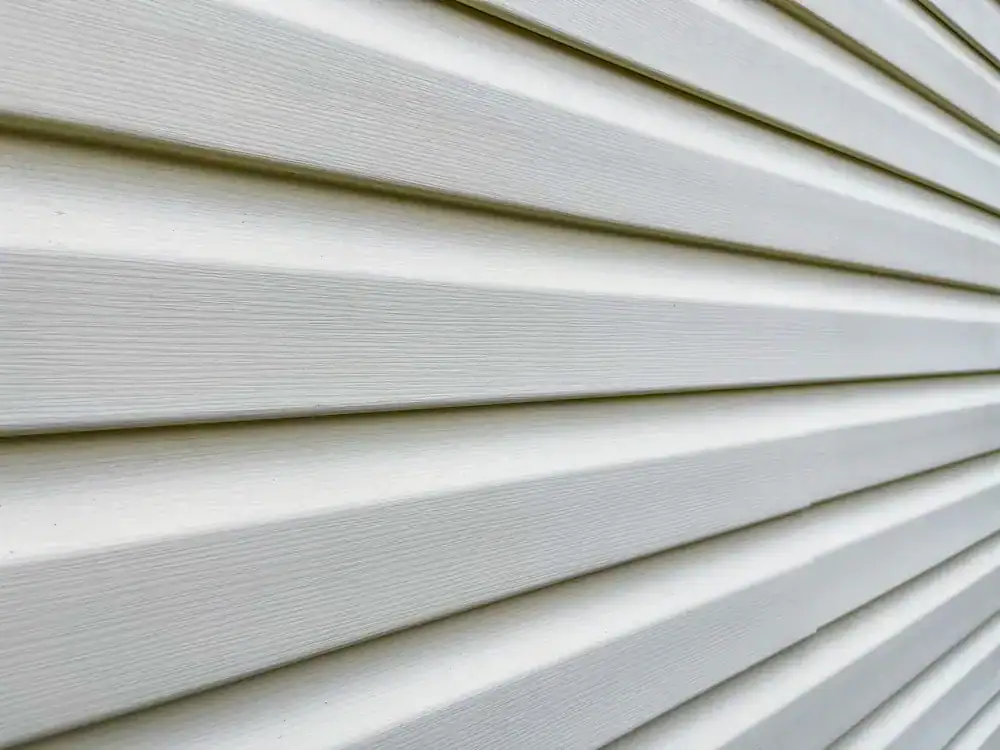
For Masonicus homeowners, material selection is worth a real conversation. Vinyl siding remains the most common choice — it’s durable, low-maintenance, and handles Bergen County’s freeze-thaw cycles well when installed with the right fastening technique. Insulated vinyl adds a meaningful layer of thermal performance, which makes a difference in homes that are already losing heat through aging wall assemblies. Fiber cement siding — like James Hardie — is worth considering for homes with significant tree canopy exposure, where impact resistance from falling branches during nor’easters is a real factor. Each material has a different cost, lifespan, and maintenance profile, and the right answer depends on your specific home, your goals, and your budget.
Whatever material you choose, the installation standard doesn’t change. Manufacturer-certified installation is what activates the full product warranty — not just the labor warranty. That distinction matters when you’re making a 20- to 40-year investment in a home worth well over $600,000. We offer free estimates, and there’s no obligation to move forward until you’re confident the scope and price make sense for your situation.

Does siding replacement in Masonicus, NJ require a permit from the township?
Yes — and this is one of the most important things to confirm before any siding project starts. Under the New Jersey Uniform Construction Code, siding replacement that covers more than 25% of a home’s exterior wall area requires a construction permit. A full-home siding replacement always meets that threshold, which means a permit is required for virtually every complete siding project in Mahwah Township.
Mahwah’s Construction Office at 475 Corporate Drive handles these permits, and their own guidance is direct: don’t assume work doesn’t need a permit just because a contractor says so. Unpermitted work creates real problems — both for the integrity of the project and for future home sales. In a market where Masonicus homes sell in an average of 34 days, unpermitted exterior work can delay or derail a closing. We pull the required permits and schedule inspections as part of the standard project process, so the documentation is on record from the start.
How do I know if my siding needs to be fully replaced or just repaired?
The honest answer is that it depends on what’s happening beneath the surface, not just what you can see from the driveway. Isolated damage — a few cracked or warped panels, one section that took a hit from a fallen branch — can often be repaired without replacing the full exterior. But when the damage is widespread, when panels are brittle and breaking during cold snaps, or when there are signs of moisture getting behind the wall, repair starts to become the more expensive long-term option.
For homes in Masonicus built in the 1960s through 1980s, the original siding is often 40 to 60 years old — well past the expected lifespan of most materials from that era. Even homes from the 1990s are now approaching 30 years, which is the upper range for vinyl siding installed without insulation backing. A free inspection from us will give you a straight answer on where your home actually stands, without pressure to go in a direction that doesn’t make sense for your situation.
What siding material holds up best against Bergen County winters and wind exposure?
For most Masonicus homes, insulated vinyl siding is the most practical choice — it handles freeze-thaw cycling well, doesn’t require painting, and the insulation backing improves thermal performance in wall assemblies that were built before modern energy standards. The key is proper installation: vinyl needs to be fastened in a way that allows for thermal movement, because panels that are nailed too tight will buckle or crack when temperatures drop.
For homes with heavy tree canopy — which is common throughout the Masonicus neighborhood — fiber cement siding like James Hardie is worth considering. It’s significantly more impact-resistant than vinyl, which matters when nor’easters send branches into the side of your house. The tradeoff is higher upfront cost and a more involved installation process. The right material depends on your specific exposure, your home’s orientation relative to the Ramapo ridge, and your long-term plans for the property. That’s a conversation worth having before any material is ordered.
How long does a full siding installation typically take to complete?
For a standard single-family home in Masonicus — a three- or four-bedroom colonial or split-level, which is the most common housing type in the neighborhood — a full siding replacement typically takes three to five days of active installation once the project is underway. That assumes normal weather conditions and no major substrate surprises.
The total timeline from signed contract to project completion is longer, because it includes permit approval from Mahwah Township’s Construction Office before work can begin. Depending on the time of year, permit processing can add a week or two to the schedule. Spring and fall are peak demand seasons for exterior work in Bergen County, so booking lead times from quality contractors can run four to eight weeks during those windows. If you’re working around a specific date — a listing, a family event, a deadline — it’s worth reaching out early to lock in a realistic schedule.
What's the difference between a certified installer and a regular siding contractor?
Manufacturer certification programs — like those offered by James Hardie, CertainTeed, and LP Building Products — require contractors to complete training on proper installation techniques, moisture management, and product-specific requirements. These aren’t self-reported credentials. They’re validated by the manufacturer directly, and they come with a meaningful practical difference: a certified installer is the only type of contractor whose work qualifies for the full product warranty.
That distinction matters more than most homeowners realize. Two contractors can install the same panels on your house, but only one of them can give you the complete warranty coverage that comes with the product. For a Masonicus homeowner making a long-term investment in a home worth well above $600,000, the warranty isn’t a formality — it’s part of what you’re paying for. Our manufacturer certifications mean the installation meets the standard required to keep that coverage fully intact.
Why does USA Home Remodeling offer free siding inspections in Masonicus, NJ?
Because a lot of Masonicus homeowners genuinely don’t know what’s going on behind their siding — and making a $15,000 to $20,000 decision without that information isn’t fair to anyone. The homes in this neighborhood were largely built between the 1960s and 1990s. Many were constructed without housewrap, or with materials that have long since degraded. Siding can look acceptable from the street while concealing moisture intrusion, substrate rot, or failing flashing underneath.
The free inspection exists to give you an honest picture of your home’s actual condition before any conversation about cost or scope. If the siding is fine and only needs a targeted repair, that’s what you’ll hear. If there’s a larger issue developing, you’ll know about it with enough time to address it on your terms — not in the middle of a harsh winter or right before a home sale. It’s a starting point, not a sales funnel. You leave knowing more than when you arrived, with no obligation attached.