
Roof Repair in Masonicus, NJ
Ramapo Winters Are Rough. Your Roof Shouldn't Pay for It.
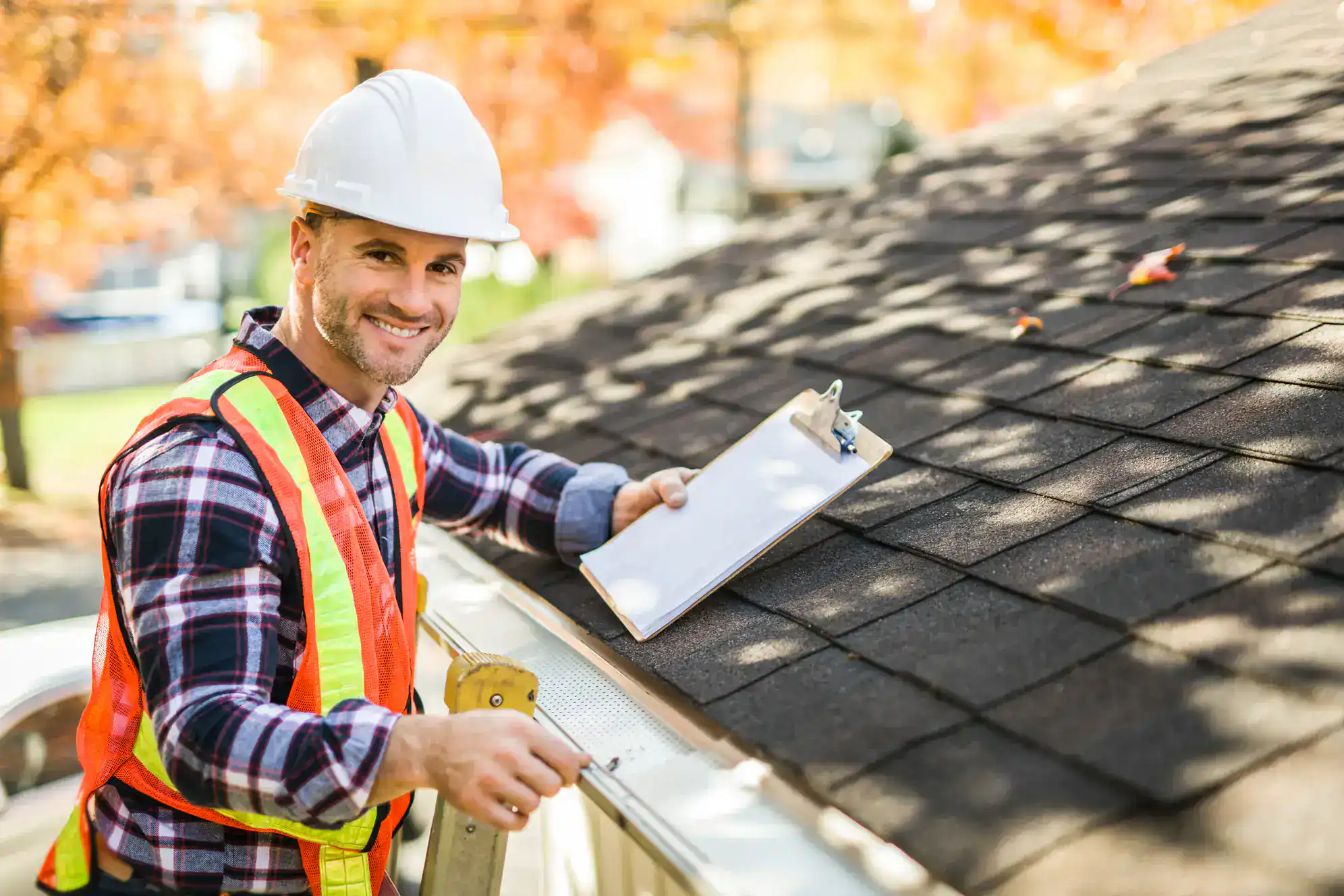
Hear from Our Customers
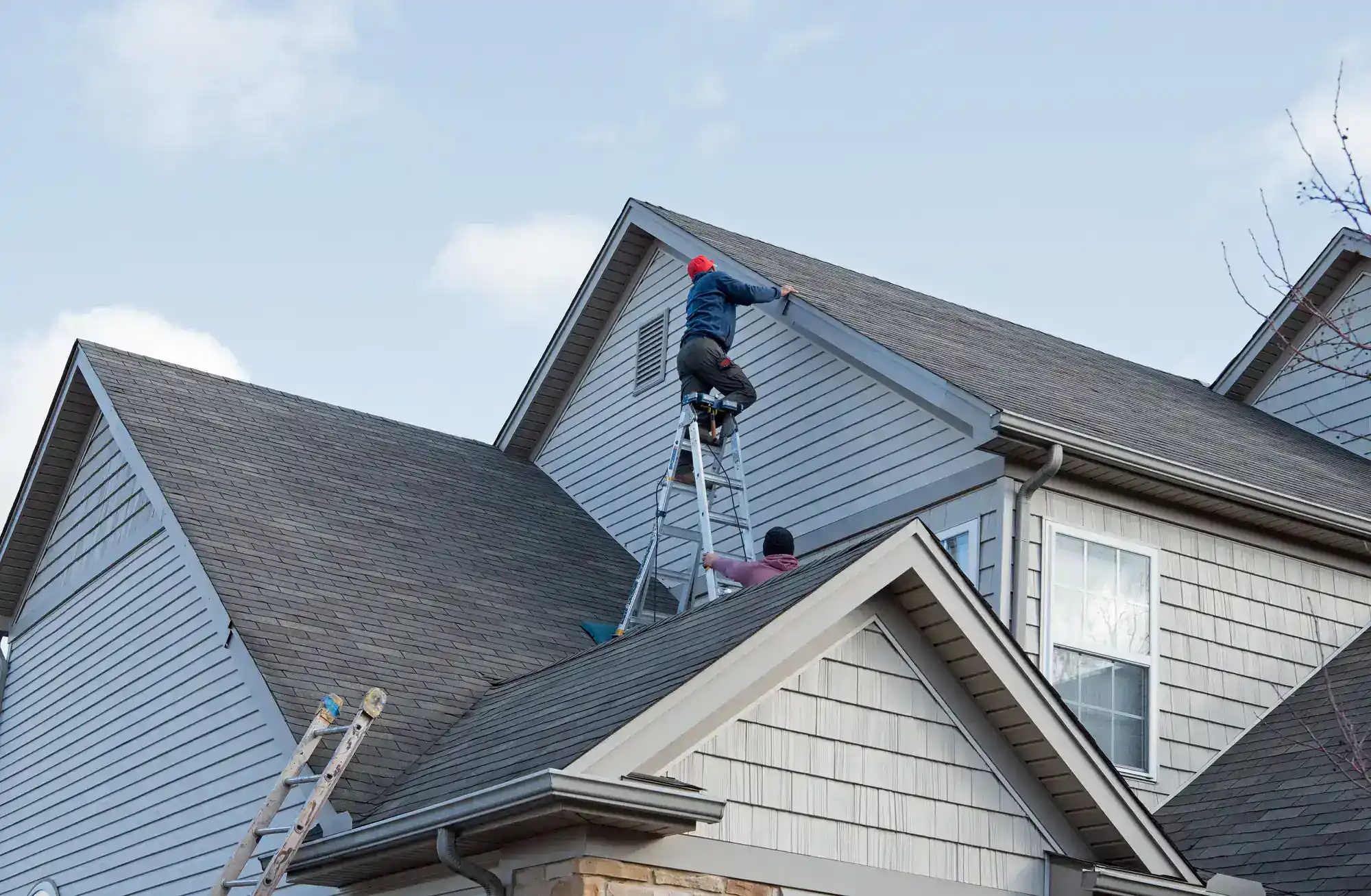
Roof Leak Repair in Masonicus, NJ
A small roof leak in Masonicus isn’t just an inconvenience — it’s a countdown. Water that gets under your shingles in January doesn’t stay contained. It saturates your underlayment, works into your decking, and by the time you notice a stain on your ceiling, the repair bill has already multiplied. Catching it early is the difference between a targeted fix and tearing out insulation, decking, and drywall.
The homes throughout Masonicus sit at the base of the Ramapo Mountains, which means colder winters, heavier snow loads, and more pronounced freeze-thaw cycling than communities closer to the coast. Ice dams form at the eaves, force water back up under shingles, and cause interior leaks that most homeowners don’t find until spring — when the damage has been quietly building for months. That’s a specific hazard in this area, and it requires a contractor who actually understands it.
Most of the housing stock along Masonicus Road and the surrounding streets was built between the 1960s and 1990s. Those roofs are at or near the end of their designed service life. Getting a professional set of eyes on your roof now — before the next storm season — means you’re making decisions based on facts, not guesswork.
Roof Repair Contractor in Masonicus, NJ
We’ve been serving New Jersey homeowners for over a decade, with deep roots in Bergen County and a strong track record throughout Masonicus and the surrounding Mahwah area. Our work speaks for itself through the reviews left by real customers across the region. We hold contractor licenses, carry full liability insurance and workers’ compensation coverage, and are certified by major shingle manufacturers — credentials that aren’t handed out, they’re earned through verified installation quality and ongoing compliance.
We’re a family-operated business, which means the people who assess your roof are the same people accountable for how the job finishes. There’s no commissioned sales team handing your project off to a crew you’ve never met. What you’re told upfront is what shows up on your final invoice — no surprises, no scope creep.
Mahwah Township requires permits for most roofing work, and we handle that process as a standard part of every qualifying project in Masonicus. If you’ve ever had a contractor suggest skipping the permit, that’s a red flag worth remembering.
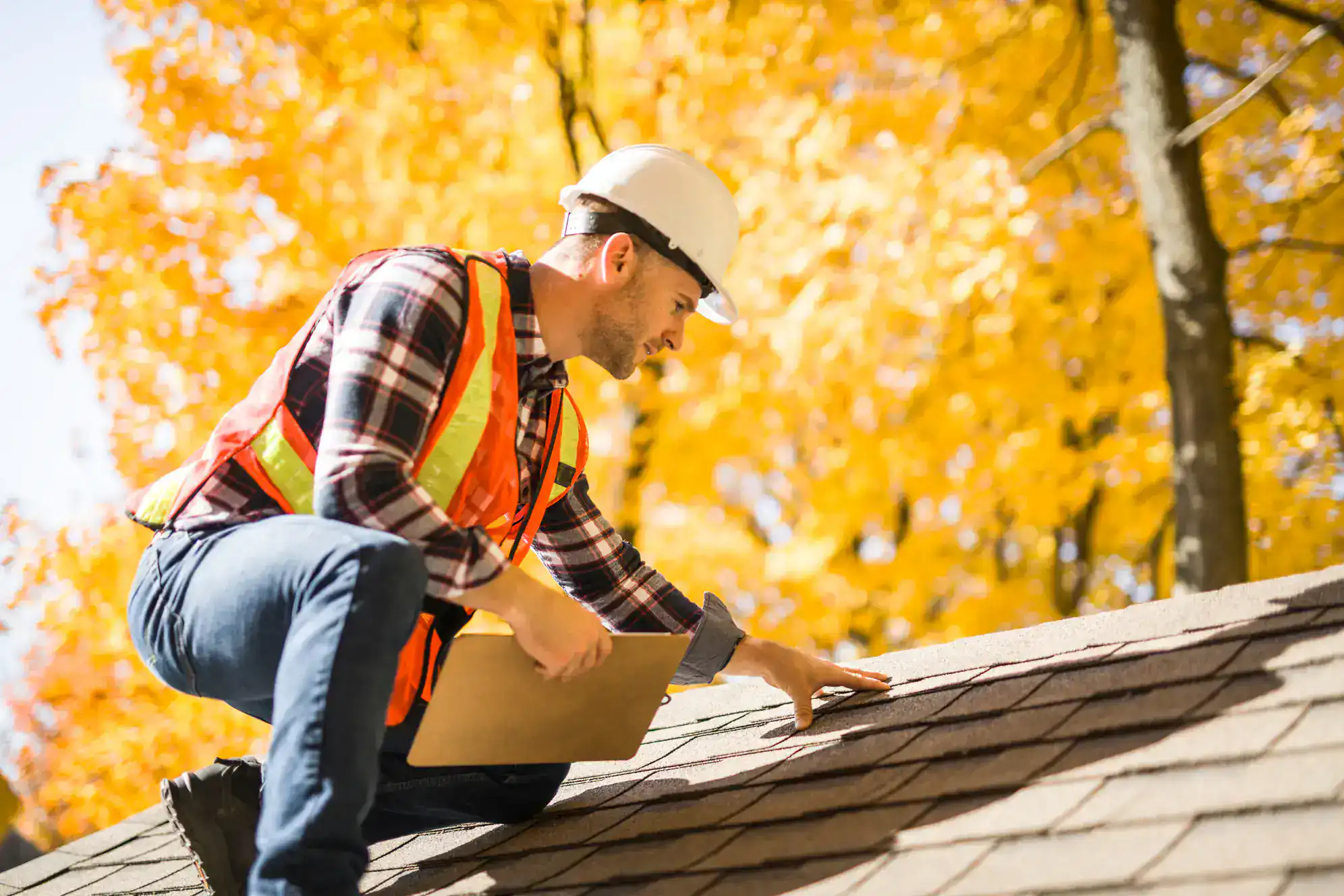
Roof Storm Damage Repair in Masonicus, NJ
It starts with a free inspection. One of our certified technicians comes out, gets on your roof, and gives you an honest read on what’s actually happening — not a sales pitch designed to land the biggest job possible. If it needs a repair, you’ll hear that. If it genuinely needs a replacement, you’ll hear that too, with a clear explanation of why. The estimate you receive is written, itemized, and specific.
Once you approve the scope, we schedule the work and handle permits through Mahwah Township’s Construction Office when required. That step matters more than most homeowners realize — unpermitted roofing work can create real problems at resale and complicate insurance claims down the road. We handle the permit process so you don’t have to navigate it yourself.
The repair itself is done by the same crew that assessed the damage. After the work is complete, we clean the site thoroughly — nails, debris, old materials, all of it. If your Masonicus home has mature landscaping or a finished driveway, that’s treated with the same care as the roof itself. Bergen County homeowners with high-value properties expect a contractor who respects the whole property, not just the job site.
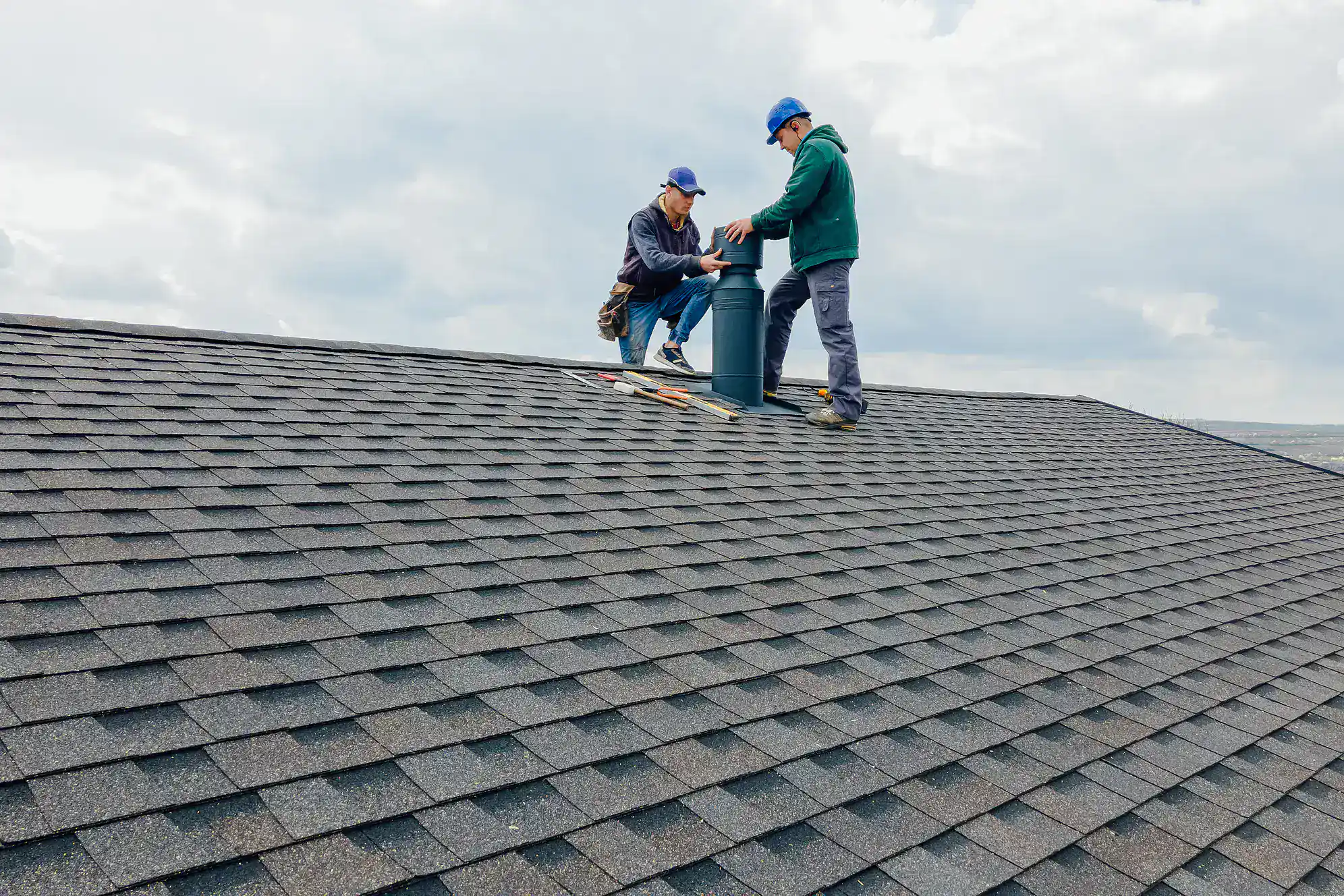
Ready to get started?
Shingle Roof Repair in Masonicus, NJ
Roof repair in Masonicus covers a wider range of situations than most homeowners expect when they first call. Emergency roof repair after a branch comes down during a Ramapo Mountain thunderstorm is one end of the spectrum. Shingle roof repair on a 1985 colonial that’s losing granules and starting to crack is another. Flat roof repair on a garage addition or a low-slope section of a split-level sits somewhere in between. We handle all of it.
For homeowners dealing with storm damage — whether it’s wind-lifted flashing, hail-cracked shingles, or a gutter that got ripped off during a nor’easter — we provide documentation support for insurance claims. Bergen County sees its share of severe weather, and knowing how to document damage correctly can be the difference between a full claim payout and leaving money on the table.
If your Masonicus roof has significant tree canopy overhead, which is common throughout the wooded streets in this area, moss buildup and debris accumulation are also factors worth addressing during any repair visit. These aren’t cosmetic issues — they trap moisture against the shingle surface and accelerate deterioration. A thorough repair visit looks at the whole roof, not just the spot that’s visibly damaged.
Does Mahwah Township require a permit for roof repair in Masonicus?
Yes, in most cases. Mahwah Township’s Construction Office requires permits for roofing work, and their guidance is straightforward about it: don’t assume a project doesn’t need one just because a neighbor or contractor says it doesn’t. Unpermitted work creates real problems — code violations, complications with homeowners insurance claims, and issues that surface when you go to sell or refinance the property.
We handle permit procurement as a standard part of every qualifying project in Masonicus and throughout Mahwah Township. You don’t need to figure out the Construction Office’s requirements on your own or chase down paperwork. That’s part of the job. If you’re comparing contractors and one of them suggests skipping the permit to save time or money, that’s worth taking seriously before you sign anything.
How do I know if my roof needs repair or full replacement?
This is the question most Masonicus homeowners are actually asking when they search for a roofer — and it’s the right one. The honest answer is that it depends on the age of the roof, the extent of the damage, and the condition of the underlying structure. A roof that’s 15 years old with isolated shingle damage after a storm is almost always a repair candidate. A roof that’s 35 years old with widespread granule loss, cracking across multiple planes, and compromised flashing is a different conversation.
Given that most homes in the Masonicus area were built between the 1960s and 1990s, a significant number of roofs are in that gray zone where the honest answer requires a real inspection — not a guess from a photo or a contractor who defaults to replacement because the margins are better. Our free inspection is designed specifically to answer this question without any financial pressure. You’ll get a straight assessment, a written estimate if repairs are the right call, and a clear explanation either way.
What causes ice dam damage on roofs in the Masonicus area?
Ice dams form when heat escaping through your roof deck warms the snow above it, causing it to melt and run down toward the eaves. At the eaves, where the roof overhangs past the exterior wall, the surface is colder — so the water refreezes and builds up into a dam. As more snowmelt backs up behind it, water gets forced under the shingles and into the underlayment, eventually working its way into the interior of the home.
Masonicus and the surrounding Mahwah area are more susceptible to this than communities closer to the coast because of the elevation and inland position near the Ramapo Mountains. Colder overnight temperatures and heavier snowfall mean the freeze-thaw cycle is more pronounced here. The interior leaks that result often don’t show up until late winter or early spring, by which point the water has already been sitting in the roof assembly for weeks. Repairing ice dam damage correctly means replacing any compromised underlayment, installing ice-and-water shield in the vulnerable eave and valley zones, and addressing any flashing that the cycling has separated. A surface patch on top of that damage won’t hold.
How much does roof repair typically cost in Masonicus, NJ?
The range is wide, and that’s not a dodge — it genuinely depends on what’s wrong. A minor shingle repair or a flashing fix might run $300 to $600. Moderate repairs involving underlayment damage, valley work, or multiple problem areas typically fall in the $800 to $2,500 range. More extensive repairs involving decking damage, ice dam remediation, or structural issues can push into the $3,000 to $6,000+ range depending on scope.
What matters in Masonicus specifically is that deferred repairs tend to be more expensive than they would be elsewhere, because the freeze-thaw cycling and winter weather here accelerate deterioration once a breach exists. A $500 flashing repair that gets ignored through a Bergen County winter can easily become a $4,000 decking and underlayment job by spring. Material costs have also risen meaningfully over the past few years — asphalt shingle pricing is up roughly 20 to 30 percent from pre-pandemic levels — so getting an accurate written estimate before committing to any scope is more important than ever. We provide free, itemized estimates so you know exactly what you’re approving before any work begins.
Can you repair a roof after storm damage in Masonicus, and will insurance cover it?
Yes to both, in most cases — but the insurance side requires documentation done correctly. Bergen County sees regular storm activity, from nor’easters in the winter to hail-producing thunderstorms in the summer, and wind or hail damage is one of the most common covered perils under standard homeowners insurance policies. The key is having a contractor who can document the damage in a way that aligns with what your adjuster needs to process the claim.
We help homeowners through this process — not by inflating the scope or coaching you to misrepresent the damage, but by making sure the real damage is fully documented and that the repair scope matches what the claim actually covers. Homeowners who go through this process without contractor support often find out after the fact that they accepted a settlement that didn’t fully cover the repair. The wooded streets of Masonicus also mean branch-fall damage is a regular occurrence after storms, and that type of impact damage is typically covered as well. Getting a professional assessment quickly after a storm event is the most important step.
How do I find a trustworthy roof repair contractor in Masonicus, NJ?
Start with the basics: verify that the contractor holds a valid New Jersey Home Improvement Contractor registration through the Division of Consumer Affairs, carries general liability insurance and workers’ compensation coverage, and can show you proof of both. In Bergen County, where post-storm solicitation from out-of-area crews is a real and recurring problem, these credentials are the minimum bar — not a bonus.
Beyond licensing, look for manufacturer certifications. A contractor certified by a major shingle manufacturer like GAF has met third-party standards for installation quality and insurance compliance — that’s not a self-reported claim, it’s a credential issued by the manufacturer based on verified performance. It also means the warranty on your materials is backed by the manufacturer, not just the contractor’s word. We hold manufacturer certifications and have been operating in the New Jersey market for over a decade, with a review base built entirely through customer referrals and organic growth. For a Masonicus homeowner with a high-value property, those are the markers that separate a contractor worth hiring from one worth avoiding.