
Siding Installation in Emerson, NJ
Emerson Homes Deserve More Than a Quick Re-Side
Hear from Our Customers
Siding Contractors in Emerson, NJ
New siding does more than make your house look better from the street. For a home built in the 1960s — the kind of split-level or Cape Cod that defines most of Emerson’s residential streets — it closes the gaps that decades of freeze-thaw cycles have quietly opened up. Water gets in through places you can’t see. Once it reaches the sheathing behind your panels, you’re no longer talking about a cosmetic fix.
Bergen County winters are not gentle. The repeated freeze-thaw pattern that runs from November through March works on aging vinyl the same way it works on pavement — expanding cracks, loosening fasteners, and compromising the seal around every window and trim piece on your exterior. A full re-side with properly installed housewrap and flashing stops that cycle before it becomes a moisture problem inside your walls.
There’s also the energy side of it. Older homes in Emerson weren’t built with today’s insulation standards, and non-insulated vinyl that’s lost its structural integrity doesn’t help. Upgraded siding — especially insulated options — reduces thermal transfer through your wall studs and helps your HVAC system work less hard. That’s a real, ongoing return on a one-time investment.
Local Siding Company Serving Emerson, NJ
We’ve been working on homes across Bergen County for close to ten years. That’s not a footnote — it’s the reason we know what siding failure looks like on a 1960s-era home off Kinderkamack Road in Emerson versus a newer build closer to the Westwood border. Local experience means we’re not guessing at what your house needs.
We’re a family-run operation, which means the people responsible for your project are the same people you talk to when you call. There’s no chain of command between you and accountability. We carry full licensing under New Jersey’s Home Improvement Contractor requirements, manufacturer certifications, and the insurance your project legally requires — so your permit process is clean and your investment is protected from day one.
Emerson is “The Family Town” for a reason. Neighbors talk, and reputations here are built on results — not on how many ads a company runs. Ours has been built on reviews from real homeowners in communities just like yours.

Residential Siding Contractors in Emerson, NJ
It starts with a free inspection. Not a sales pitch — an honest assessment of what your siding looks like, what’s behind it, and whether repair or full replacement makes more sense for your specific situation. A lot of Emerson homeowners aren’t sure which one they need, and that’s completely normal. We’ll tell you what we see and give you a written estimate before anything else happens.
Once you’re ready to move forward, we handle the permit filing with the Borough of Emerson. The borough requires a building permit for siding replacement under New Jersey’s Uniform Construction Code, and we manage that process so you don’t have to. Emerson’s building department typically turns siding permits around quickly — it’s not a long wait — but it does need to be done correctly, and that starts with hiring a licensed contractor.
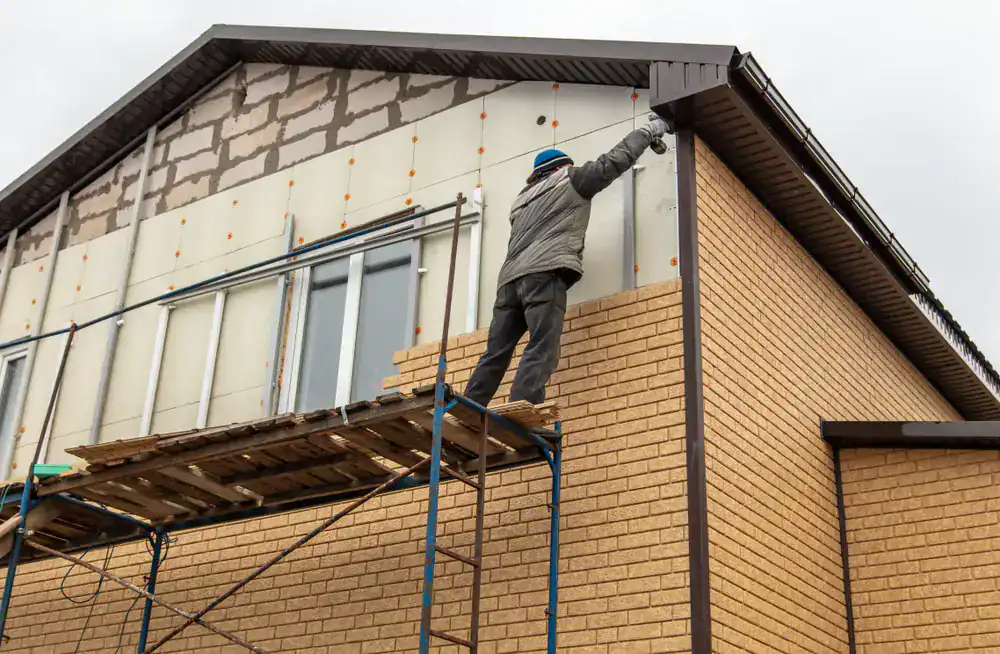
Installation day is straightforward. Old siding comes off, the substrate gets inspected and addressed if needed, new housewrap goes down, and panels are installed to manufacturer specifications — which matters if you want the warranty to actually hold. We clean up completely before we leave, and we do a final walkthrough with you so you can see the work and ask anything you want before we’re done.

Ready to get started?
Vinyl Siding Contractors in Emerson, NJ
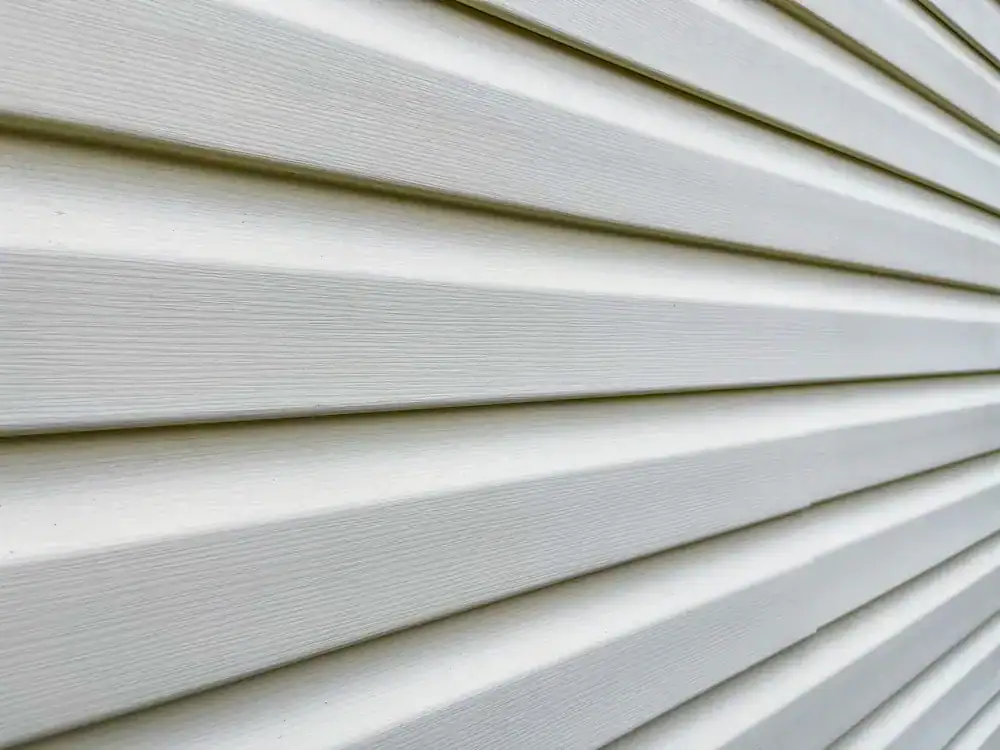
Vinyl siding is still the most common choice in Emerson, and for good reason — it holds up well in the Northeast, it’s low maintenance, and it comes in enough profiles and colors to complement the split-levels and colonials that make up most of the borough’s housing stock. Insulated vinyl, which adds a foam backer to reduce thermal bridging, is worth a serious look if your home is older and energy efficiency matters to you.
Fiber cement — James Hardie being the most recognized brand — is the other conversation worth having. It’s denser, more resistant to impact, and holds paint longer than standard vinyl. For Emerson homeowners who’ve dealt with hail damage or want a material that performs through decades of nor’easters without showing it, fiber cement is a legitimate upgrade. It does require certified installation to maintain the manufacturer warranty, which is something not every local siding contractor can offer.
What you actually get from us: full removal of existing siding, substrate inspection, new housewrap, proper flashing at every penetration and roofline junction, panel installation, trim work, and a clean job site when we’re finished. Every project includes a written scope so you know exactly what’s covered — and we don’t add line items after the fact.

Does the Borough of Emerson require a permit for siding replacement?
Yes — the Borough of Emerson requires a building permit for siding replacement under New Jersey’s Uniform Construction Code. This isn’t unique to Emerson, but it is something homeowners sometimes overlook when they’re getting estimates, especially if a contractor doesn’t bring it up. Permitted work requires a licensed contractor and a code inspection, which actually works in your favor — it means the installation is verified to meet current standards, and there are no issues to resolve when you eventually sell the home.
The good news is that Emerson’s building department processes siding permits relatively quickly. The state allows up to 20 business days for permit review, but in practice, siding permits in Emerson typically come through in a matter of days. We handle the permit filing as part of your project, so you don’t have to navigate that process on your own.
How do I know if my siding needs repair or full replacement?
This is one of the most common questions we get, and the honest answer is that it depends on what’s actually going on behind the panels — not just what you can see from the driveway. Cracked or faded panels can sometimes be addressed with targeted repair. But if your Emerson home was built in the 1960s or 1970s, which covers a significant portion of the borough’s housing stock, there’s a real chance the siding has been through enough freeze-thaw cycles that the underlying housewrap and sheathing have been compromised too.
The signs that point toward full replacement include panels that are warping or buckling, soft spots when you press on the wall near the base, moisture staining on interior walls near exterior corners, or caulking around windows that keeps failing no matter how many times it’s been patched. A free inspection gives you a clear answer without any commitment — we’ll tell you what we find and what we’d recommend, and you can decide from there.
What siding material holds up best in Bergen County's climate?
Both vinyl and fiber cement perform well in Bergen County when they’re installed correctly — the installation quality matters as much as the material itself. For most Emerson homeowners, insulated vinyl is a strong choice: it handles the freeze-thaw cycle well, it doesn’t require painting, and the foam backer adds meaningful thermal resistance to older walls that weren’t built with today’s insulation standards in mind.
Fiber cement is worth considering if you want something denser and more impact-resistant. Bergen County sees its share of hail events and nor’easters with wind-driven debris, and fiber cement handles that kind of stress better than standard vinyl. It also holds paint for significantly longer — typically 15 years or more before a repaint is needed. The trade-off is that it costs more upfront and requires certified installation to maintain the manufacturer warranty. We can walk you through both options during your estimate so you’re making the decision based on your home’s specific situation, not a sales pitch.
How long does siding installation typically take for a home in Emerson?
For a standard single-family home in Emerson — a typical split-level, ranch, or Cape Cod — full siding replacement usually takes two to four days from start to finish, depending on the size of the home, the material being installed, and whether any substrate repairs are needed once the old siding comes off. Fiber cement takes slightly longer than vinyl because of how it’s cut and handled, but the difference is usually a day at most.
Because Emerson is a commuter community, a lot of homeowners aren’t home during the day when the work is happening. That’s completely fine — we don’t need you there every hour. We’ll keep you updated on progress, and we schedule the final walkthrough at a time that works for you. The permit inspection, which is required by the borough, is coordinated by us and typically happens quickly once the installation is complete.
What should I look for when hiring siding contractors in Emerson, NJ?
Start with the basics: make sure any contractor you’re considering is registered under New Jersey’s Home Improvement Contractor program and carries general liability and workers’ compensation insurance. In NJ, hiring an unregistered contractor isn’t just risky — it limits your legal options under the Consumer Fraud Act if something goes wrong. Ask for the registration number and verify it through the NJ Division of Consumer Affairs before you sign anything.
Beyond licensing, look at how they handle the estimate. A written, itemized quote that breaks down materials, labor, and scope is a sign that the contractor is being straight with you. A verbal number or a vague one-liner on a piece of paper is a warning sign. Also pay attention to whether they bring up the permit requirement — a contractor who skips that conversation either doesn’t know or doesn’t want to deal with it, and neither is a good sign for a project on a home worth what yours is worth in Emerson.
Why does it matter if a siding contractor is manufacturer-certified?
Manufacturer certification — through programs offered by brands like James Hardie, CertainTeed, or LP Building Solutions — requires contractors to demonstrate that they install the product according to the manufacturer’s specific guidelines. That matters for one practical reason above all others: if the siding isn’t installed to spec, the manufacturer warranty can be voided, even if the product itself is fine.
For a homeowner in Emerson putting $10,000 to $20,000 or more into new siding, that warranty is real financial protection. It covers product defects and, in many cases, labor costs for corrections — but only when the installation was done by a certified contractor. It’s also worth noting that certified installers tend to catch the details that non-certified ones miss: proper clearances from grade, correct fastener patterns, flashing at every transition point. Those aren’t small things in a climate where water management is the difference between siding that lasts 30 years and one that starts showing moisture problems in five.