
When Should You Repair Your Chimney?
Summary:
You noticed a small crack in your chimney last month. Maybe some water pooling in the fireplace after that last storm. It doesn’t seem urgent, so you add it to the mental list of “things to deal with eventually.”
Here’s the problem with that approach in Union County: eventually becomes expensive. What looks like a minor issue in January can turn into thousands in water damage by March. New Jersey’s freeze-thaw cycles don’t wait for your schedule, and neither does the next heavy rain.
The question isn’t whether your chimney will need attention. It’s whether you catch problems early enough to avoid an emergency. Let’s talk about the warning signs that separate “schedule a repair soon” from “call someone today.”
Signs Your Chimney Needs Immediate Repair
Most chimney problems don’t announce themselves with sirens. They show up as small clues that are easy to miss or dismiss. The difference between a quick fix and a major rebuild often comes down to whether you recognize these signs early.
Water is your chimney’s biggest enemy. If you see water stains on your ceiling near the chimney, dampness in your firebox, or moisture on interior walls adjacent to the structure, you’re looking at active infiltration. Water doesn’t belong anywhere inside your chimney system, and its presence means something has already failed.
Visible damage to the exterior tells you problems are progressing. Crumbling mortar joints, bricks that are flaking or cracking, and white staining on the masonry all point to deterioration that’s accelerating. In Union County’s climate, these issues compound quickly once they start.
When Chimney Damage Becomes a Roof Emergency
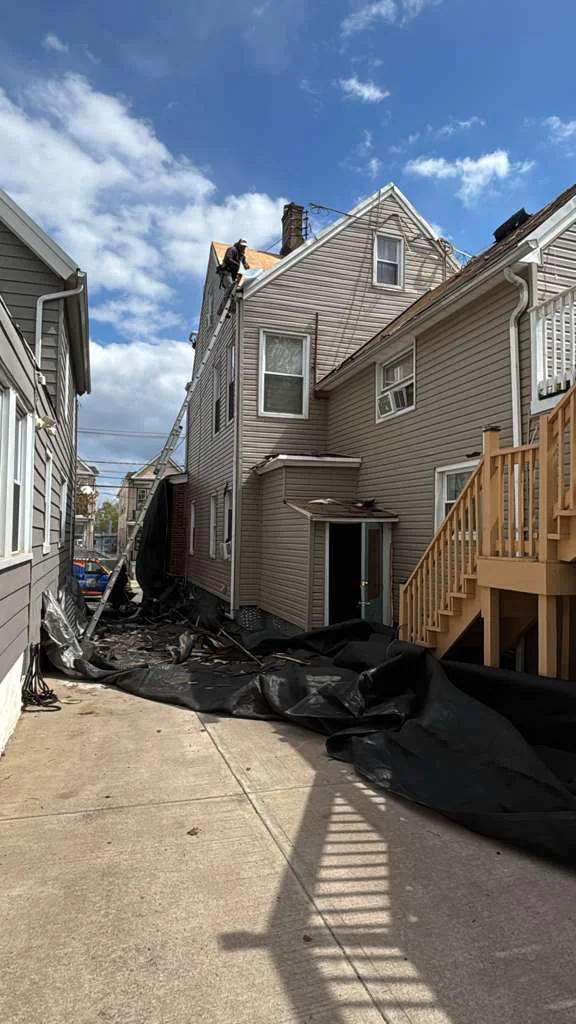
The line between chimney repair and emergency roof repair gets blurry fast, because chimney problems often show up as roof leaks first. You might see water dripping from your ceiling during a storm and assume it’s a roofing issue, when the real culprit is damaged chimney flashing.
Chimney flashing is the metal seal where your chimney meets your roof. It’s the number one source of leaks at this connection point. When flashing fails, deteriorates, or wasn’t installed correctly in the first place, water finds its way in. This typically happens during wind-driven rain or heavy downpours, when water gets pushed under gaps in the metal.
If you’re dealing with an active leak during a storm, you’re in emergency territory. Water entering your home doesn’t just damage ceilings and walls. It soaks insulation, rots wood framing, and creates conditions for mold growth. The longer water flows in, the more expensive the fix becomes.
Emergency situations call for immediate temporary protection. We can install emergency tarping to stop water intrusion while assessing the full scope of damage. This buys time to plan permanent repairs without letting the problem get worse with every rain. The key is acting fast when you notice water actively entering your home.
You can’t always predict when a chimney issue will escalate into a crisis. A small crack that’s been stable for months can suddenly open up during a freeze-thaw cycle. A minor flashing gap becomes a major leak when high winds drive rain sideways into it. That’s why addressing visible damage before the next storm hits matters more than waiting to see if it gets worse.
How to Spot Small Roof Leaks Before They Escalate
Small roof leaks are deceptive. You might notice a tiny water stain on your ceiling and think it’s not urgent. The problem is that by the time you see interior evidence, water has already been traveling through your roof structure for a while.
Chimney-related leaks often start small and localized. You’ll see stains or discoloration on the ceiling closest to the chimney, or notice dampness in your attic near where the chimney passes through. Sometimes the first sign is a musty smell in rooms adjacent to the chimney, indicating moisture that hasn’t produced visible stains yet.
Check your attic after heavy rain. Look at the area where your chimney comes through the roof. Damp insulation, water stains on rafters, or wet spots on the attic floor near the chimney all confirm active leaking. Knowing which side the water enters from helps us diagnose the source faster.
Don’t ignore seasonal patterns. If leaks only happen during certain types of weather, that tells you something specific about the failure point. Wind-driven rain that causes leaks suggests flashing problems. Leaks that appear after snow melts point to ice dam issues or crown damage. Leaks during any rain indicate more serious structural problems with the masonry or flashing system.
The rust factor matters too. If you see rust on your fireplace damper or metal components inside the firebox, moisture is getting into places it shouldn’t. Rust doesn’t form from occasional condensation. It develops when water regularly enters the system, corroding metal parts and indicating ongoing infiltration.
Water stains that don’t start at the roof decking but appear a few inches below suggest water is entering through the chimney masonry itself, traveling past the flashing on the inside, and exiting through cracks in the attic. This points to porous bricks or deteriorated mortar joints as the entry point, not just flashing failure.
Early detection saves money. A small flashing repair might cost a few hundred dollars. Waiting until water has rotted roof decking, damaged interior walls, and created mold problems can push costs into thousands. The difference between catching a small roof leak early versus letting it run for months is often the difference between repair and replacement.
Want live answers?
Connect with a USA Home Remodeling LLC expert for fast, friendly support.
24 Hour Emergency Roof Repair: When to Call Immediately
Some situations don’t give you the luxury of scheduling an appointment next week. When your roof or chimney is actively compromised, waiting makes everything worse. Knowing what qualifies as a true emergency helps you make the right call.
Active water intrusion during a storm is an emergency. If you can see water coming in through your ceiling, walls, or fireplace, you need help now. Every minute that water flows into your home increases damage to insulation, framing, drywall, and belongings.
Structural damage from fallen trees or severe weather requires immediate response. If a tree branch has punched through your roof near the chimney, or high winds have torn off shingles and exposed underlayment, your home is vulnerable to rapid water damage. Emergency roof repair services provide temporary protection through tarping and immediate assessment of what needs permanent fixing.
What Happens During Emergency Roof Leak Response
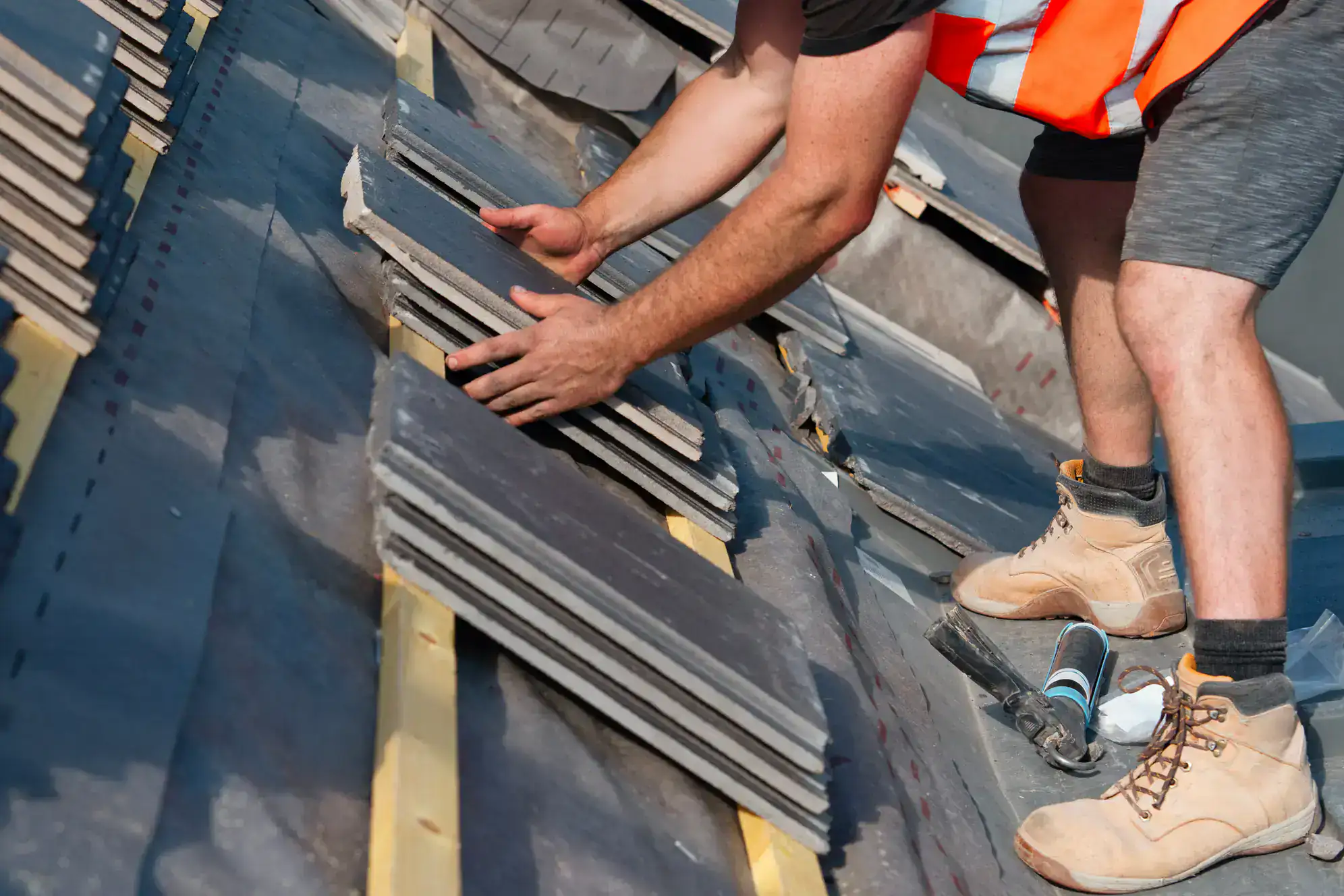
When you call us for emergency roof repair, our first priority is stopping active damage. We arrive equipped to assess the situation quickly and implement temporary solutions that protect your home until permanent repairs can be scheduled.
Emergency tarping provides immediate water protection. High-quality, weather-resistant tarps get secured over damaged areas to prevent further infiltration. This isn’t a permanent fix, but it buys critical time. It stops water from continuing to pour into your attic and living spaces while we develop a complete repair plan.
Documentation happens during the emergency visit. We photograph damage, note the extent of problems, and create records you’ll need for insurance claims. This documentation proves the damage occurred from a sudden event rather than gradual neglect, which matters when insurers evaluate your claim.
The assessment goes beyond the obvious damage. We check for secondary issues that aren’t immediately visible. Water that’s been leaking for even a short time can affect areas beyond the initial entry point. We’ll look for saturated insulation, compromised decking, and signs that water has traveled along rafters or through wall cavities.
You’ll get a clear explanation of what’s wrong and what needs to happen next. Emergency situations are stressful enough without confusing technical jargon. We explain the damage in plain terms, outline temporary versus permanent solutions, and give you realistic timelines for complete repairs.
Safety comes first during emergency repairs. Working on roofs during storms or immediately after severe weather involves real risks. Our crews have the equipment, training, and insurance to work safely in conditions that would be dangerous for homeowners to attempt themselves.
The goal of emergency response is stabilization. Stop the immediate damage, protect your home from further harm, and create a plan for permanent repairs that can be executed when conditions allow. This approach prevents small emergencies from becoming catastrophic losses.
Repair Roof Leak From Inside: Temporary Solutions That Help
When you discover a roof leak and can’t get professional help immediately, there are temporary measures you can take from inside your home to minimize damage. These aren’t permanent fixes, but they can reduce harm while you wait for us to arrive.
Contain the water first. Place buckets or containers under active drips to catch water and prevent it from spreading across floors and ceilings. Move furniture, electronics, and valuables away from the leak area. Use towels or tarps to protect items that can’t be easily moved.
Document everything before you start cleanup. Take photos and videos of the water damage, where it’s coming from, and what it’s affecting. This documentation becomes crucial for insurance claims. Capture images of water stains, pooling water, and any visible damage to belongings.
Reduce moisture buildup in the affected area. Use fans to improve air circulation and help drying. Open windows if weather permits. Running a dehumidifier can help prevent mold growth while you wait for repairs. The faster you can dry out wet materials, the less secondary damage you’ll face.
Don’t attempt roof repairs yourself during active weather. Climbing on a wet roof during a storm is dangerous and often makes problems worse. Even well-intentioned temporary fixes from inside, like trying to seal visible cracks, rarely stop active leaks effectively and can complicate professional repairs later.
Mark the leak location clearly. Once you’ve identified where water is entering from inside, make note of the exact spot. This helps us locate the source faster when we arrive. Take measurements from walls or fixed points so you can describe the location accurately.
Monitor the situation closely. Check the leak area regularly to see if it’s worsening or if new leak points are developing. Keep track of when leaking occurs – only during heavy rain, wind-driven rain, or any precipitation. This pattern information helps us diagnose the root cause.
Temporary interior measures buy time but don’t solve the underlying problem. A roof leak, whether from chimney damage or other issues, needs professional assessment and proper exterior repair. Interior containment just prevents damage from getting worse while you arrange for the real fix.
Protecting Your Union County Home From Chimney Damage
Your chimney doesn’t need to become an emergency to deserve attention. The warning signs we’ve covered – water stains, crumbling mortar, damaged flashing, visible cracks – all give you a window to act before problems escalate. In Union County’s climate, that window closes faster than you might think.
The difference between a manageable repair and a costly emergency often comes down to timing. Catching deterioration early, addressing small leaks before they rot structural components, and maintaining your chimney system prevent the crisis calls that happen at the worst possible moments.
When you do need help, whether it’s scheduled maintenance or an urgent situation, working with experienced local contractors who understand New Jersey weather and building requirements makes the process smoother. Look for licensed, insured professionals who offer transparent pricing, help with insurance documentation, and have a track record of quality work in your area.
We’ve been helping Union County homeowners protect their properties for over a decade. If you’re seeing signs that your chimney needs attention, or if you’re dealing with an active emergency, reach out for a free inspection and honest assessment of what your home needs.